
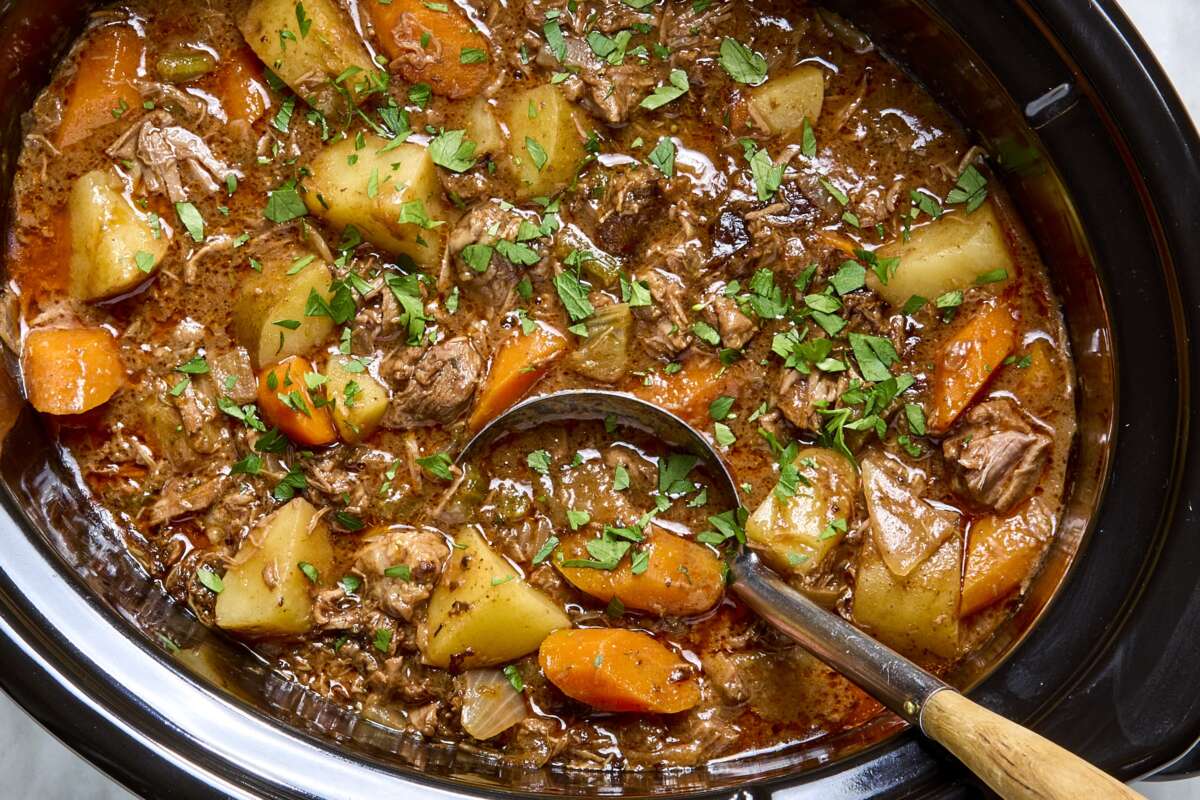
Reduce, cornstarch, arrowroot, tapioca, or xanthan to thicken without flour.
I have decades of hands-on kitchen experience teaching cooks how to thicken slow cooker sauces without flour. This guide explains practical methods, exact ratios, and step-by-step tests so you can fix thin slow-cooked gravies and braise liquids with confidence. Read on to learn simple, reliable ways to get the right texture without using flour.

Why slow cooker sauces often stay thin
Slow cookers trap moisture. That slows evaporation. Sauces finish watery. Low, long heat breaks down collagen into liquid that thins sauce more.
You also cook covered. That keeps steam in the pot. Many recipes expect a final stove-top reduction. If you skip that, you need a plan to thicken.
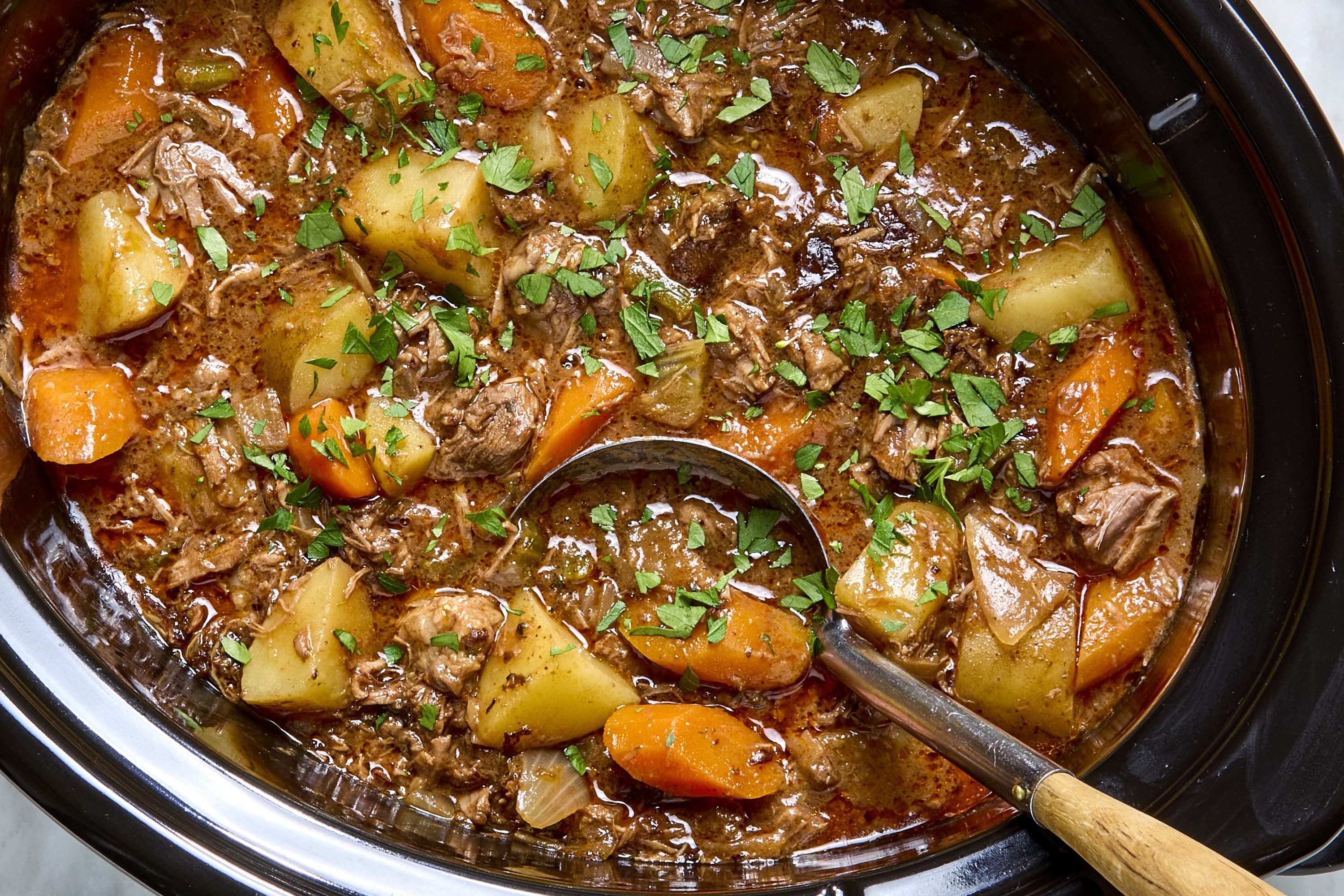
When to thicken: timing and simple rules
Thicken at the end of cooking. Turn off heat or switch to high. Remove the lid to let the surface cool slightly. Add your chosen thickener and simmer briefly.
Test small amounts. Starches work fast. Gums need tiny doses. Finish with acid, dairy, or butter after thickening for shine and flavor.

Best flour-free thickeners and how to use them
Below are the most reliable, easy-to-source thickeners for slow cooker sauces. Each entry shows why it works, how to use it, and a short pro/con list.
Reduction (concentrated simmer)
Why it helps
- Evaporating water concentrates flavor and body.
How to do it
- Pour liquid into a wide pan. Simmer on medium-high until reduced to desired thickness. Stir and scrape browned bits.
Pros
- Clean flavor. No added ingredients.
Cons - Slower, needs stove space and attention.
Use reduction when you want deep flavor and a natural finish. This method is central to how to thicken slow cooker sauces without flour because it intensifies taste and consistency.
Cornstarch slurry
Why it helps
- Cornstarch swells when heated and thickens quickly.
How to do it
- Mix 1 tablespoon cornstarch with 1 tablespoon cold water per cup of sauce.
- Stir into a small amount of the cooled sauce. Return to heat and simmer 1–2 minutes.
Pros
- Fast, clear finish. Easy to measure.
Cons - Can break down if overcooked or frozen and reheated.
Cornstarch is a go-to when you want a quick answer for how to thicken slow cooker sauces without flour.
Arrowroot powder
Why it helps
- Arrowroot makes a glossy, neutral-thick sauce. It works well with acidic ingredients.
How to do it
- Mix 1 teaspoon arrowroot with 1 teaspoon cold water per cup of sauce.
- Stir in near the end and heat gently until clear and glossy.
Pros
- Good for acidic sauces. Clear finish.
Cons - Loses thickening power if boiled hard or combined with dairy too soon.
Arrowroot is ideal for tomato or citrus-based slow cooker sauces.
Tapioca starch
Why it helps
- Tapioca adds body and sheen. It resists freeze-thaw cycles better than cornstarch.
How to do it
- Use 1 tablespoon tapioca starch mixed with 1 tablespoon cold water per cup.
- Heat slowly and stir until thick.
Pros
- Stable in reheated dishes. Good for stews.
Cons - Can be slightly chewy if overused.
Tapioca is reliable when you store or freeze slow-cooked meals.
Instant mashed potato flakes
Why it helps
- Potato flakes absorb liquid fast and add body.
How to do it
- Stir 1 tablespoon flakes into one cup of sauce. Wait 1–2 minutes and adjust.
Pros
- No cooking needed. Adds mild potato flavor.
Cons - Can make sauce grainy if overused.
Potato flakes are a pantry-friendly way to thicken when you want a rustic finish.
Pureed vegetables or legumes
Why it helps
- Purees add natural starch and body plus flavor and nutrition.
How to do it
- Remove a cup of vegetables or beans from the slow cooker. Blend with a little cooking liquid. Stir back in and heat 5–10 minutes.
Pros
- Natural, flavorful, and gluten-free.
Cons - Changes flavor and color.
This method is excellent when teaching how to thicken slow cooker sauces without flour while boosting nutrition.
Egg yolk liaison
Why it helps
- Egg yolks thicken and create a silky texture.
How to do it
- Temper 1 egg yolk with 1 tablespoon warm sauce per yolk. Stir the tempered yolk back into the sauce off direct heat. Heat gently; do not boil.
Pros
- Silky finish, rich mouthfeel.
Cons - Needs careful handling to avoid scrambling. Not for high-acid sauces.
Use liaison for creamy, elegant sauces.
Gelatin
Why it helps
- Gelatin sets liquid into a smooth, unctuous texture when cooled.
How to do it
- Sprinkle 1 teaspoon powdered gelatin over 2 tablespoons cold water per cup of sauce. Let bloom 5 minutes, dissolve in warm sauce, and stir.
Pros
- Great for gravies and meat sauces that you plan to cool or plate.
Cons - Firm sets when chilled. Not vegan.
Gelatin can be subtle and powerful for meat-based sauces.
Xanthan gum
Why it helps
- A little xanthan thickens without heat and gives long-term stability.
How to do it
- Start with 1/8 teaspoon per cup of sauce. Sprinkle slowly and whisk or blend to avoid clumps.
Pros
- Very efficient; works cold or hot.
Cons - Easy to overdo. Texture can become slimy if used too much.
Xanthan is a modern chef’s tool for quick control of texture and a key option in how to thicken slow cooker sauces without flour.
Finishing with cream, butter, or cheese
Why it helps
- Fat adds body and sheen. Dairy can slightly thicken by emulsifying.
How to do it
- Stir in cream, sour cream, or grated cheese at the end on low heat. Add small cubes of cold butter and whisk for gloss.
Pros
- Boosts flavor and mouthfeel.
Cons - Adds richness and calories; may curdle if heated too hard.
Fat finishes are often the final touch after you’ve learned how to thicken slow cooker sauces without flour.
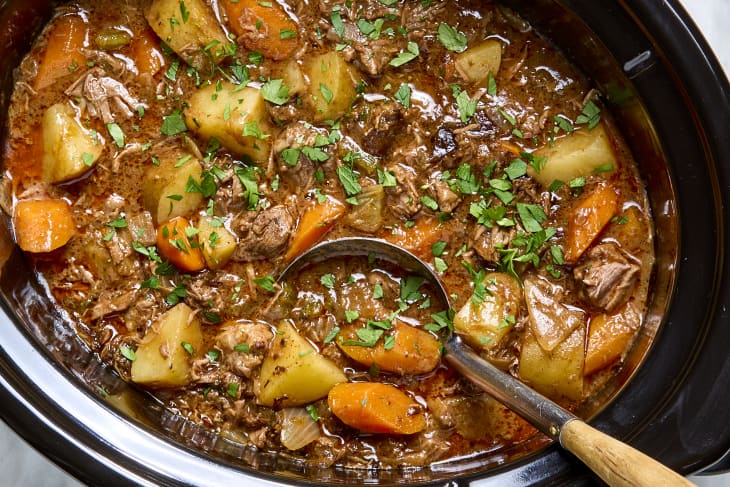
Step-by-step: How to thicken slow cooker sauces without flour
This short checklist works in most cases.
- Stop cooking and remove lid.
- Skim fat if desired.
- Choose a thickener suited to the sauce (see section above).
- Prepare a slurry or puree in a separate bowl.
- Add slowly to the sauce while stirring.
- Heat on high for 5–15 minutes, stirring and testing.
- Finish with acid or butter for balance.
Repeat the process in small steps. If the sauce gets too thick, thin with broth or water.
Common mistakes and troubleshooting
- Adding starch directly to hot liquid can make lumps. Always mix with cold liquid first.
- Thickening too early wastes the thickener as the slow cooker rarely reduces well under a lid.
- Over-thickening with xanthan or potato flakes can create a gummy texture. Add tiny amounts and test.
- Freezing sauces thickened with cornstarch can break the texture. Use tapioca or xanthan for better freeze-thaw stability.
- Acidic sauces can break some starches. Prefer arrowroot or reduction for tomatoes and vinegar-based sauces.
My experience and lessons learned
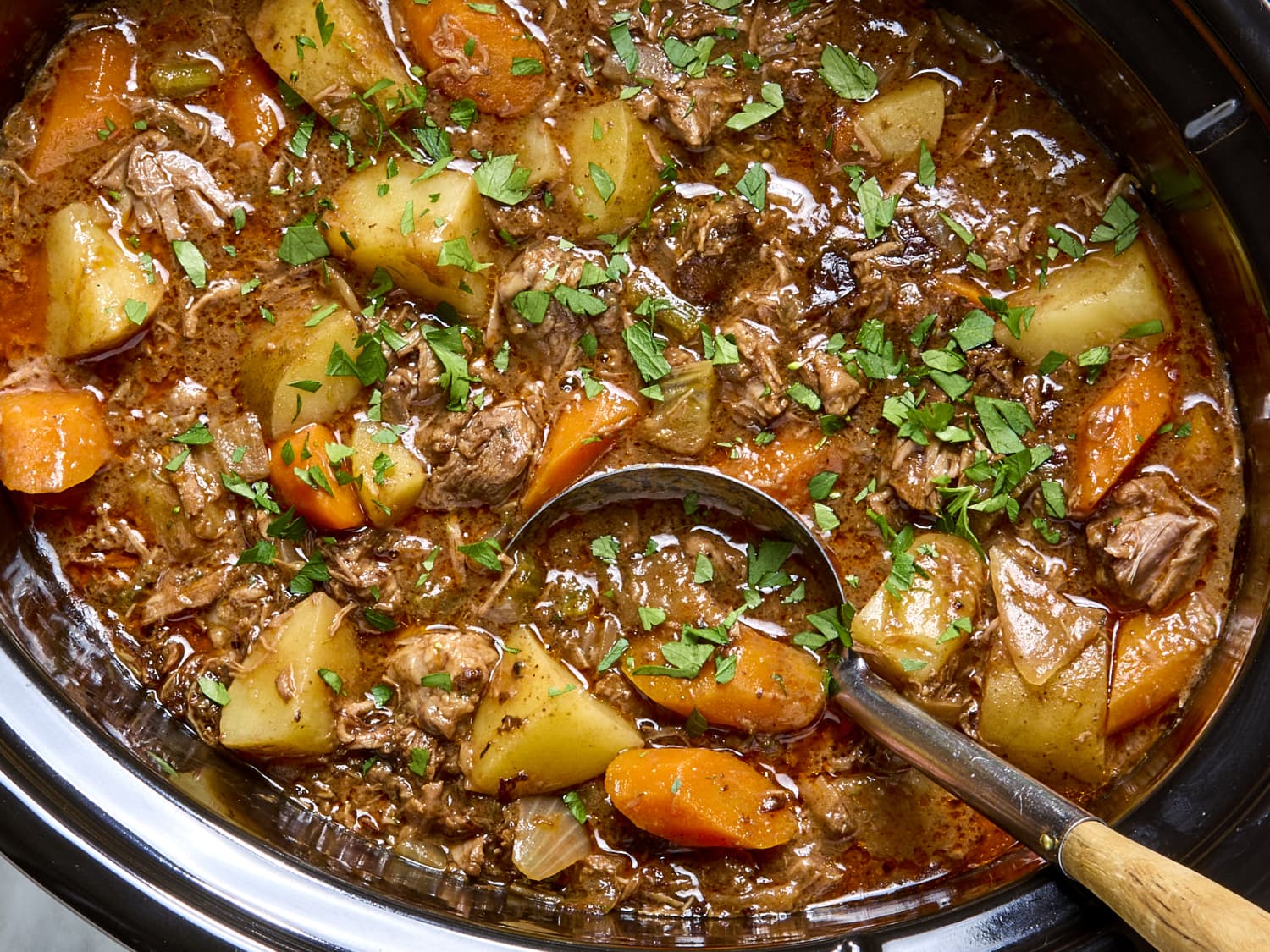
I have cooked thousands of slow cooker meals. Early on, I used flour or roux at the end. That works, but it adds cloudiness and a floury taste. Switching to slurries and reductions gave cleaner results.
A key lesson: always taste and test. Once I learned to remove the lid in the last hour and finish on the stove, my sauces tightened without extra thickeners. For stews I often use a small blender to puree beans or veg. For pan gravies I rely on cornstarch or arrowroot slurries.
If you want repeatable results, make notes about amounts and timing. That turned trial-and-error into reliable cooking.
Frequently Asked Questions of how to thicken slow cooker sauces without flour
How long should I reduce a slow cooker sauce on the stove?
Simmer in a wide pan until the volume drops and the sauce coats the back of a spoon. This can take 10–30 minutes depending on the amount of liquid.
Can I use cornstarch directly in the slow cooker?
Avoid adding dry cornstarch. Mix it with cold water first to make a slurry. Then stir in during the last 10–15 minutes and heat to activate.
Is arrowroot better than cornstarch for acidic sauces?
Yes. Arrowroot holds up better with acids and gives a clear glossy finish. Use it gently and avoid prolonged boiling.
How much xanthan gum do I need to thicken a cup of sauce?
Start with 1/8 teaspoon per cup and blend well. It thickens fast; add more very slowly if needed.
Will dairy curdle if I thicken with starch?
Dairy can curdle if boiled hard. Add cream or cheese at low heat after thickening to reduce risk and get a smooth finish.
Conclusion
You can reliably learn how to thicken slow cooker sauces without flour using reduction, slurries, purees, gums, or dairy finishes. Pick the method that fits the sauce, test small amounts, and finish at the end of cooking for the best texture and flavor. Try one new method this week and note what works for your favorite recipes—then share your results or questions below.

Appliance Review Expert
Lucas Ramirez is a trusted voice at HomeFixGrid.com, known for his clear, practical, and creatively written guides that simplify appliance care for everyday homeowners. With a strong focus on hands-on testing and real-world problem-solving, Lucas brings expert insight into appliance reviews and troubleshooting techniques. Her work empowers readers to confidently maintain, repair, and choose the right appliances for their homes.
Leave a Reply