
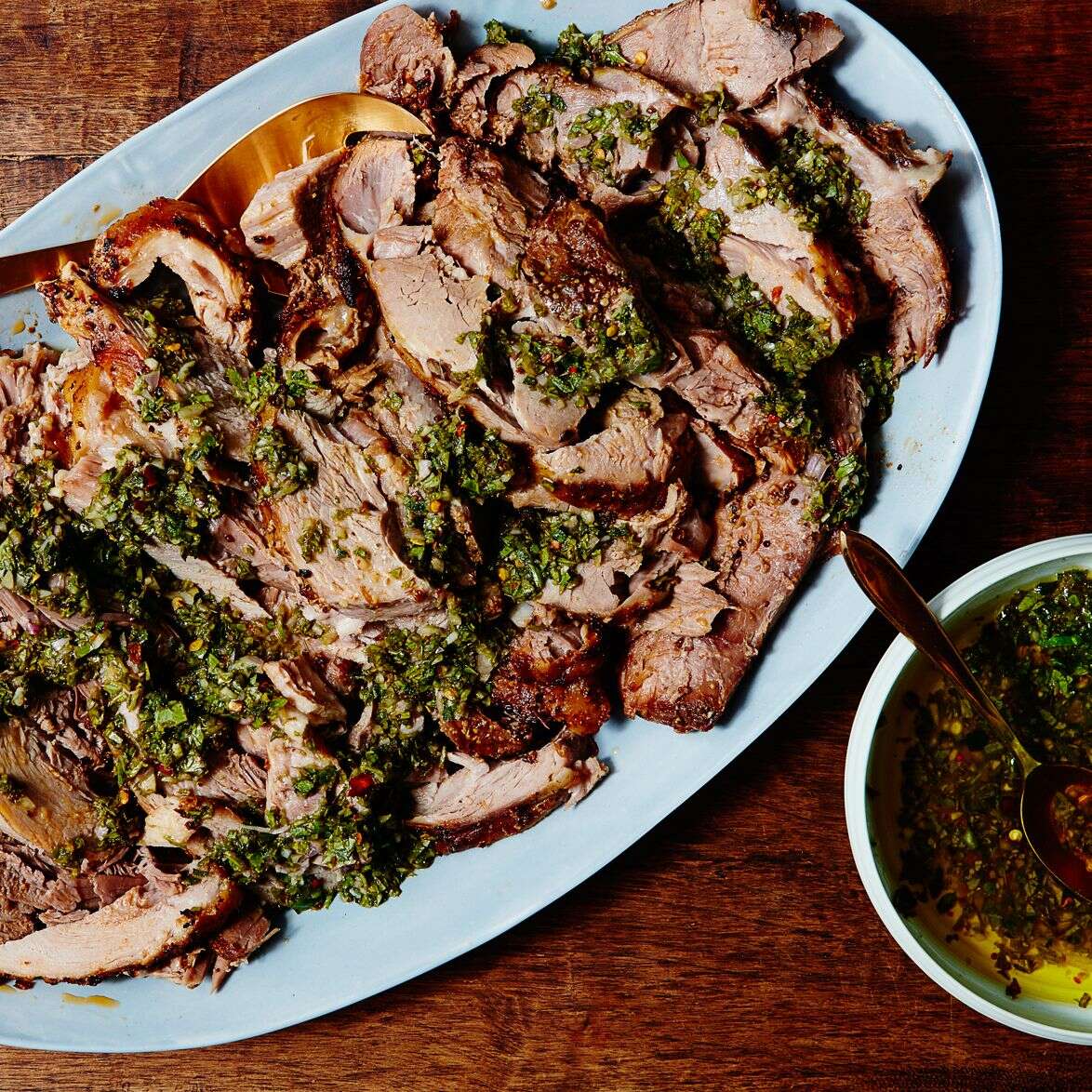
Slow cooker makes tough cuts melt and keeps meats juicy with low, steady heat.
I’ve cooked hundreds of meals in slow pots and honed a slow cooker cooking guide to keep food tender and juicy. I will show why slow heat works, which cuts and steps matter, and how to fix dry or tough meals. Read on to master slow cooker cooking and get reliably tender, juicy results every time.

Why slow cooking keeps food tender and juicy
Slow cooking uses low, steady heat for a long time. This breaks down collagen in meat into gelatin. The result is meat that feels soft and moist. The slow cooker cooking guide to keep food tender and juicy focuses on patience, proper cuts, and enough moisture. Slow heat also lets flavors meld without evaporating liquids.

Best cuts and foods for tender, juicy results
Choose the right ingredients for success. Tough, well-marbled cuts are best for long, slow cook. Lean cuts can dry out in a long cook.
- Beef: chuck roast, brisket, short ribs, and oxtail work well. They gain tenderness as collagen melts.
- Pork: shoulder and Boston butt give moist pulled pork. Pork loin is too lean for long cooks.
- Poultry: bone-in thighs and whole birds stay moist. Chicken breast can dry fast.
- Vegetables: root veg like carrots, potatoes, and parsnips hold up and add body.
- Legumes and beans: use soaked beans or canned to avoid odd textures.
This slow cooker cooking guide to keep food tender and juicy steers you to cuts that reward time and heat.

Prep work that matters: searing, trimming, and marinating
Small prep steps lift results big. Searing adds flavor and locks surface juices. Trimming excess fat keeps greasy outcomes under control.
- Trim only excess fat; keep some for flavor and moisture.
- Sear meat in a hot pan for 1 to 2 minutes per side for color and depth.
- Marinate briefly or rub with salt and spices before cooking.
- Dry brining (salt 30–60 minutes ahead) helps meat hold juices.
A slow cooker cooking guide to keep food tender and juicy always includes a bit of prep. It pays off in texture and taste.

Liquid, seasoning, and flavor layering
You need liquid, but not too much. Slow cookers trap steam, so liquids don’t evaporate fast.
- Use broth, canned tomatoes, wine, or a mix of liquids for depth.
- Aim to cover about one-third to half of the food, not submerge it fully.
- Add strong herbs and acidic items (vinegar, lemon) near the end to keep bright flavor.
- Salt early for meat that needs time to absorb. Taste and adjust at the end.
This slow cooker cooking guide to keep food tender and juicy shows that the right liquid keeps tissues soft and sauces glossy.

Layering and pot-fill rules
How you place food matters. Dense items cook slower than airy ones.
- Put root vegetables on the bottom. They take longer to soften.
- Place meat on top so juices drip into veg and keep meat moist.
- Fill the pot two-thirds full for best heat circulation. Don’t overfill.
- Use a rack or trivet for casseroles or for cuts you don’t want to sit in liquid.
Follow this slow cooker cooking guide to keep food tender and juicy and avoid uneven cooking.

Time and temperature: low vs high, and carryover cooking
Low cooks are gentler than high. Low gives better texture for tough cuts.
- Low setting: 8–10 hours for large roasts; best for melting collagen.
- High setting: 4–6 hours for smaller roasts or when short on time.
- Start cold: put raw ingredients into a cold pot and then turn heat on.
- Rest meat after cooking for 10–20 minutes. Carryover keeps it juicy.
Use the slow cooker cooking guide to keep food tender and juicy by preferring low and slow when time allows.
Avoiding common mistakes that dry out food
Many dry meals come from small issues. Fix these to save a dish.
- Mistake: using lean cuts for long cooks. Fix: pick marbled cuts or shorten cook time.
- Mistake: too little liquid. Fix: add a splash more stock and check midway.
- Mistake: lifting the lid often. Fix: resist peeking; each lift adds 15–20 minutes to cook time.
- Mistake: over-salting early. Fix: season lightly and taste at the end.
Keep this slow cooker cooking guide to keep food tender and juicy in mind to dodge these errors.
Troubleshooting: rescue dry or tough slow cooker meals
You can often rescue a dish. Try these quick steps.
- If dry, add warm broth or a sauce and simmer on high for 20–30 minutes.
- If tough, extend cooking on low and add a bit of acidity like tomato or vinegar.
- Shred and mix with sauce for tacos, bowls, or stews to hide texture issues.
- Slice thin against the grain to make meat feel more tender.
Use these fixes from this slow cooker cooking guide to keep food tender and juicy when things go wrong.
Quick reference: simple slow cooker schedule for meats
Keep a short chart in mind for go-to times.
- Beef chuck roast: low 8–10 hours; high 5–6 hours.
- Pork shoulder: low 8–10 hours; high 5–7 hours.
- Bone-in chicken thighs: low 6–7 hours; high 3–4 hours.
- Whole chicken (3–4 lb): low 4–5 hours; high 2.5–3 hours.
This quick list in a slow cooker cooking guide to keep food tender and juicy helps plan simple meals.
Personal tips and lessons learned
I learned this by trial and error. Once I overfilled the pot and got uneven cooking. I started trimming less and searing more. That change saved many meals.
A few real-world tips I use often:
- Make a test batch when trying a new recipe or cut.
- Use the same brand of slow cooker for consistent results.
- Label bags of prepped ingredients with cook times for busy days.
These notes come from many slow meals. This slow cooker cooking guide to keep food tender and juicy reflects what I use at home.
Frequently Asked Questions of slow cooker cooking guide to keep food tender and juicy
How much liquid should I use in a slow cooker?
Use enough liquid to keep food moist but not to drown it. Aim for one-third to one-half coverage of the ingredients, since steam does most of the work.
Can I use frozen meat in the slow cooker?
Avoid starting with frozen meat. It raises temperature slowly and can keep food in a danger zone too long. Thaw first or use the oven for frozen roasts.
Will searing really make a difference?
Yes. Searing adds flavor and color. It does not seal in juices, but it adds caramelized taste that lifts the final dish.
How do I prevent vegetables from turning to mush?
Cut sturdy veg into large chunks and place them at the bottom. Add delicate vegetables in the last hour of cooking to keep texture.
Is it safe to leave a slow cooker on overnight?
Most modern slow cookers are safe for overnight use if you follow the manual and don't overfill. Use a trusted timer and check that cords and vents are clear.
Conclusion
Slow cooking is simple once you know the rules. Choose the right cuts, use steady liquid, and give time for collagen to melt. Small prep steps like searing and proper layering make a big difference. Try one tip this week: cook a marbled roast on low for one meal and test the texture. Share your results, subscribe for more guides, or leave a comment with your slow cooker wins and questions.

Appliance Review Expert
Lucas Ramirez is a trusted voice at HomeFixGrid.com, known for his clear, practical, and creatively written guides that simplify appliance care for everyday homeowners. With a strong focus on hands-on testing and real-world problem-solving, Lucas brings expert insight into appliance reviews and troubleshooting techniques. Her work empowers readers to confidently maintain, repair, and choose the right appliances for their homes.
Leave a Reply