
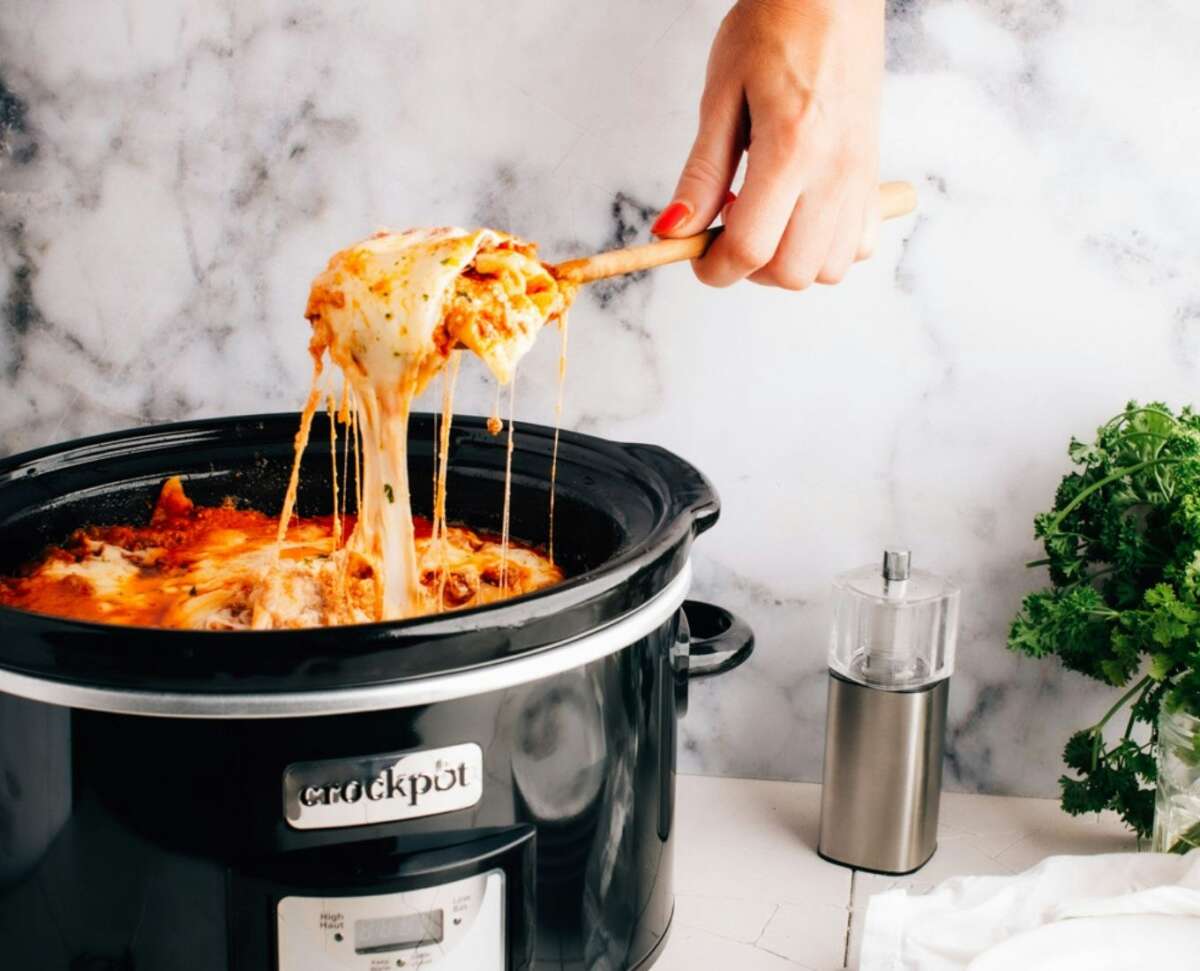
Keep food out of the 40°F–140°F danger zone; cook to safe internal temps and use a thermometer.
I’ve spent years cooking and testing slow cooker meals, and I know exactly what keeps dinner safe and tasty. This guide on slow cooker food safety guidelines and temperature advice lays out clear temps, timing, and real-world tips to prevent foodborne illness. Read on for step-by-step advice, simple checks, and the common mistakes to avoid so your slow cooker meals are both delicious and safe.
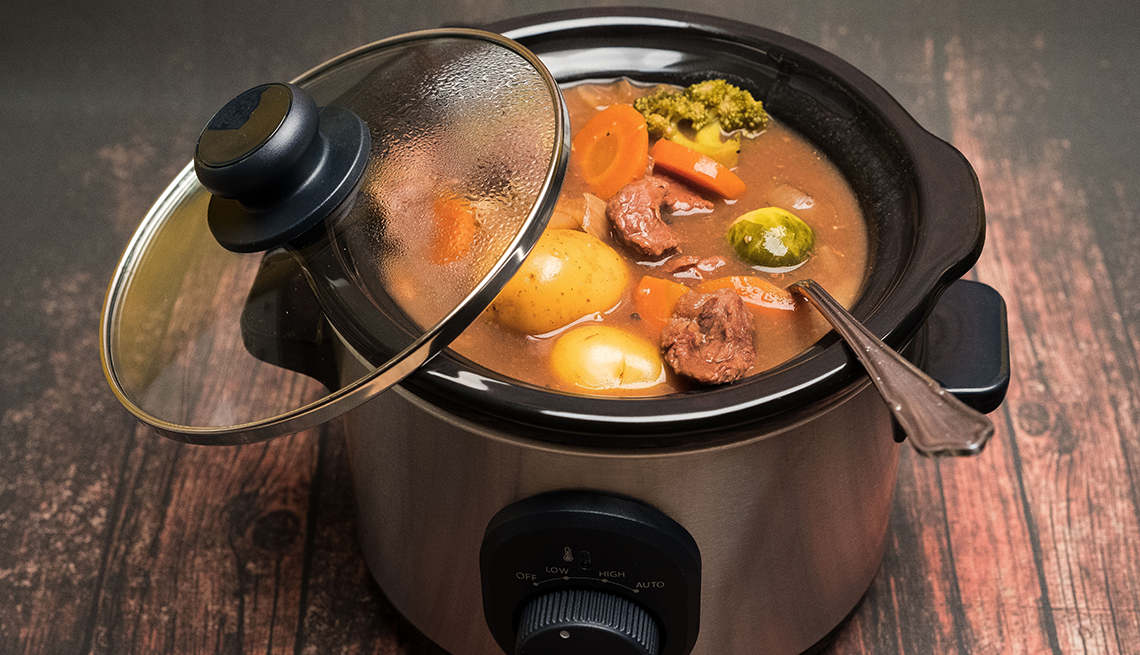
How slow cookers work and why temperature matters
Slow cookers use low, steady heat to break down fibers and build flavor over hours. They cook food at settings that usually fall into three ranges: warm, low, and high. Heat moves from the crock to the food. That’s why placement of ingredients matters.
Temperature matters because bacteria grow fast between 40°F and 140°F. The goal is to move food through that danger zone quickly and keep it above 140°F while cooking. A good probe thermometer is your best tool to confirm this.
Personal note: early in my cooking experiments I relied on time alone. After a near-miss with undercooked chicken, I now always use a thermometer. That habit stopped guesswork and raised my confidence in every slow cooker dish.
Safe temperature targets and timing
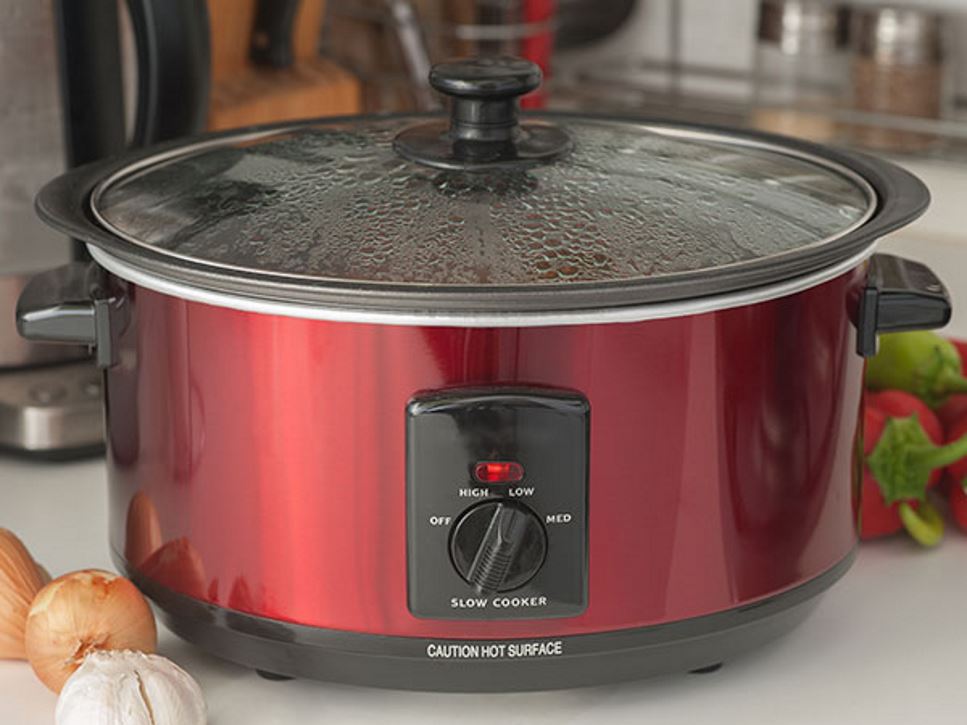
Know these core safe temps and times for slow cooking.
- Danger zone
- Keep food out of 40°F to 140°F whenever possible.
- Minimum holding temperature
- Maintain cooked food at 140°F or higher to prevent bacterial growth.
- Final internal temps to aim for
- Poultry: 165°F for safety.
- Ground meats: 160°F.
- Beef, pork, lamb (steaks, chops, roasts): 145°F with a rest period if applicable.
- Casseroles and mixed dishes: 165°F.
- Time guidance
- Do not rely solely on hours listed in recipes. Use a thermometer to confirm safe internal temps.
- If food has been in the danger zone for more than 2 hours cumulatively, discard it.
Practical note: “Low” and “High” settings differ by cooker, so measure temps. My slow cooker’s low reached about 180°F, while another model’s low only got near 160°F. Test yours.
Practical safety tips: prepping, loading, and serving
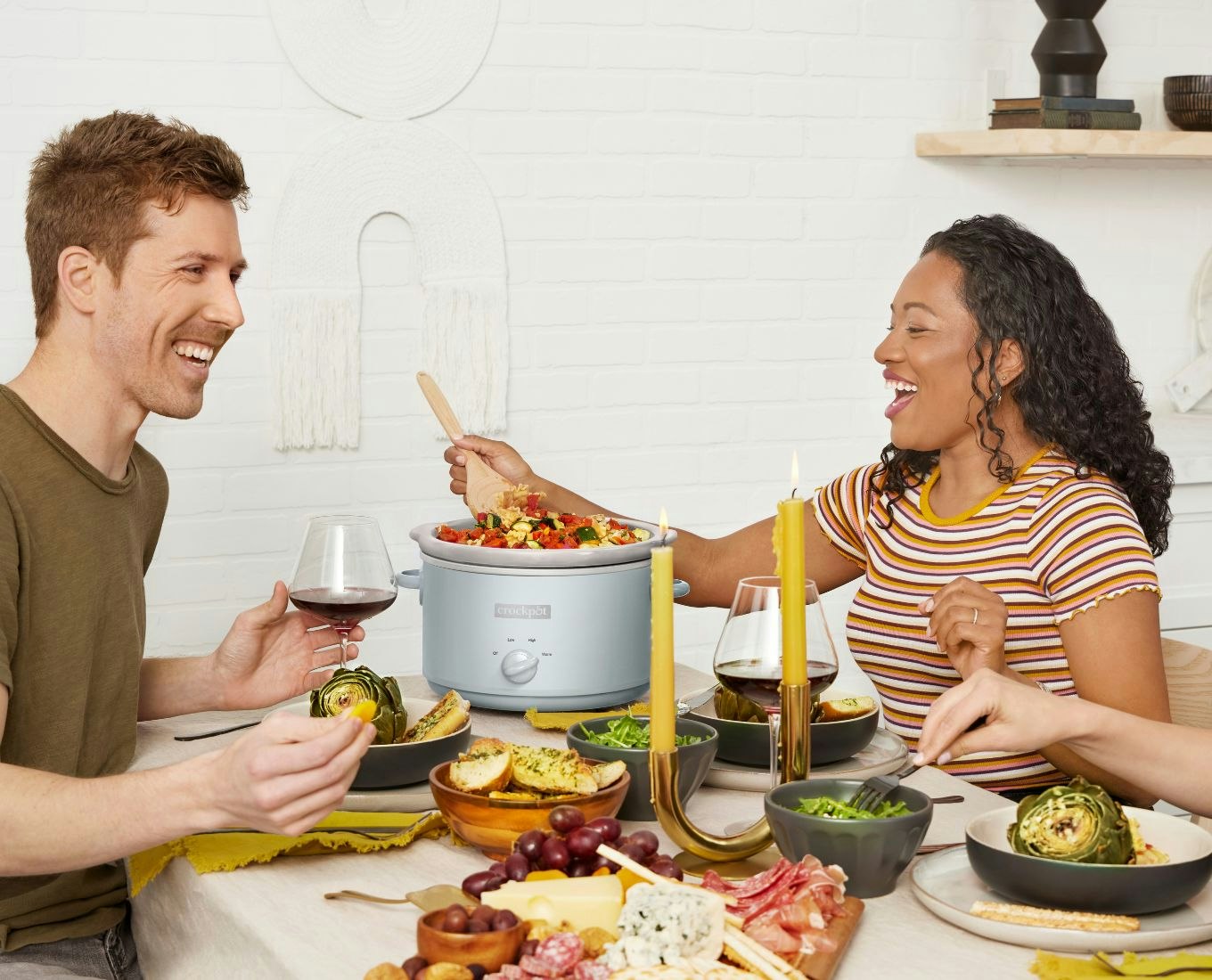
Follow a simple routine every time you use your slow cooker.
- Thaw protein fully before cooking
- Frozen meat raises the time food spends in the danger zone. Always thaw in the fridge first.
- Preheat the cooker when possible
- Run the cooker empty on high for 15–20 minutes before adding food to give it a head start.
- Cut ingredients into even pieces
- Smaller, similar-sized pieces cook evenly and reach safe temps faster.
- Layer intelligently
- Place dense vegetables like potatoes on the bottom near the heat source. Put meat on top.
- Avoid overfilling
- Fill the crock between half and two-thirds full. Overfill slows heating.
- Minimize lid lifting
- Each lift adds 15–20 minutes to cooking time as heat escapes.
- Use a good probe thermometer
- Insert the thermometer into the thickest part of the meat. Check toward the end of the cook and before serving.
- Hold hot food at safe temps
- If not serving immediately, keep food at 140°F or above or transfer to shallow containers for quick cooling and refrigeration.
From my experience: searing meat before adding it to the cooker is optional for flavor. It does not change the safety requirement, but it shortens time needed to reach safe internal temp slightly.

Cooling, storage, and reheating best practices
Quick and correct cooling saves leftovers.
- Cool rapidly
- Move food to shallow containers and refrigerate within 2 hours of cooking.
- Refrigeration times
- Use cooked slow cooker meals within 3–4 days in the fridge.
- Freezing
- Freeze leftovers if you won’t eat them soon. Label with date.
- Reheating
- Reheat to 165°F before serving. Stir soups and stews while reheating for even heat.
A real-life tip: I split big batches into several shallow containers. They cool faster and taste fresher when reheated.
Cleaning and slow cooker maintenance
Good cleaning helps food safety and extends cooker life.
- Unplug and cool before cleaning
- Let the unit cool. Remove the crock and lid to wash.
- Wash with hot, soapy water
- Scrub food residue and sanitize the lid and rim.
- Remove seals and gaskets if removable
- Clean under these parts where bacteria can hide.
- Inspect the unit
- Check the heating base and cord for damage. Replace if unsafe.
I once ignored sticky residue under the lid and later found strange odors. Regular cleaning eliminated that problem for good.
Troubleshooting common slow cooker food safety issues
Short, actionable fixes for typical problems.
- Cooker not hot enough
- Test the crock’s temp with water. If low, increase the setting or cook on high and check internal temp.
- Food sat too long in the danger zone
- If food sat between 40°F and 140°F for over 2 hours, discard it. Safety first.
- Meat looks done but is under temp
- Trust the thermometer, not color. Continue cooking until safe internal temp is reached.
- Leftovers smell off
- If smell or texture is odd, toss them. Never taste to test for spoilage.
Quick safety checklist before serving
A short checklist to run through before you plate.
- Is the internal temp at the safe target for this food?
- Was the meat fully thawed before cooking?
- Was the slow cooker kept at or above 140°F after cooking?
- Were leftovers cooled within 2 hours and refrigerated?
- Did I clean the cooker parts after the last use?
Using this checklist has saved me time and worry on busy weeknights.
Frequently Asked Questions of slow cooker food safety guidelines and temperature advice
What temperature should a slow cooker reach to be safe?
Most food safety guidance says keep hot food at 140°F or above. Use a thermometer to confirm the internal temp of meats reaches their safe target (for example, 165°F for poultry).
Can I put frozen meat directly into a slow cooker?
Avoid putting frozen meat into a slow cooker. Start with fully thawed meat so the food moves more quickly through the danger zone of 40°F–140°F.
How long can slow-cooked food sit before it becomes unsafe?
Food should not be in the danger zone for more than 2 hours cumulatively. If it spends over 2 hours between 40°F and 140°F, it’s safest to discard it.
How often should I check temperature while slow cooking?
Check near the end of the expected cook time with a probe thermometer. You don’t need to open the lid often; open once to test and then close to finish cooking if needed.
Is it safe to leave a slow cooker on “warm” all day?
Warm settings typically hold food above 140°F, but they vary by model. Confirm with a thermometer; if warm drops below 140°F, it’s not safe for long holding periods.
Conclusion
Slow cooker food safety guidelines and temperature advice boil down to a few simple rules: keep food out of the 40°F–140°F danger zone, thaw proteins first, use a reliable thermometer, and cool leftovers quickly. Follow the checklists and tips here, and you’ll reduce risk and get consistently tasty results. Try these practices on your next slow-cooked meal, subscribe for more kitchen-safe tips, or leave a comment with your slow cooker questions.

Appliance Review Expert
Lucas Ramirez is a trusted voice at HomeFixGrid.com, known for his clear, practical, and creatively written guides that simplify appliance care for everyday homeowners. With a strong focus on hands-on testing and real-world problem-solving, Lucas brings expert insight into appliance reviews and troubleshooting techniques. Her work empowers readers to confidently maintain, repair, and choose the right appliances for their homes.
Leave a Reply