
Microwaving nothing can damage the oven, cause sparks, and even start a fire if run too long.
I have tested kitchen gear and written about home safety for years. In this article I explain clearly what happens if you microwave nothing, why it matters, and how to avoid damage. I blend simple science, practical tips, and real-life experience so you can learn fast and stay safe.
How microwave ovens work
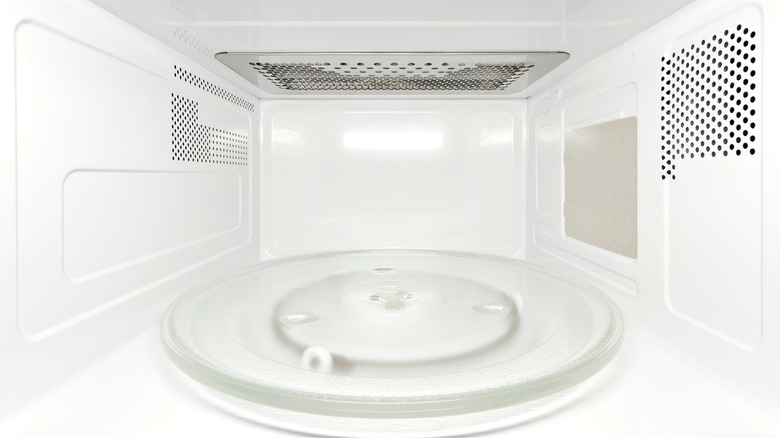
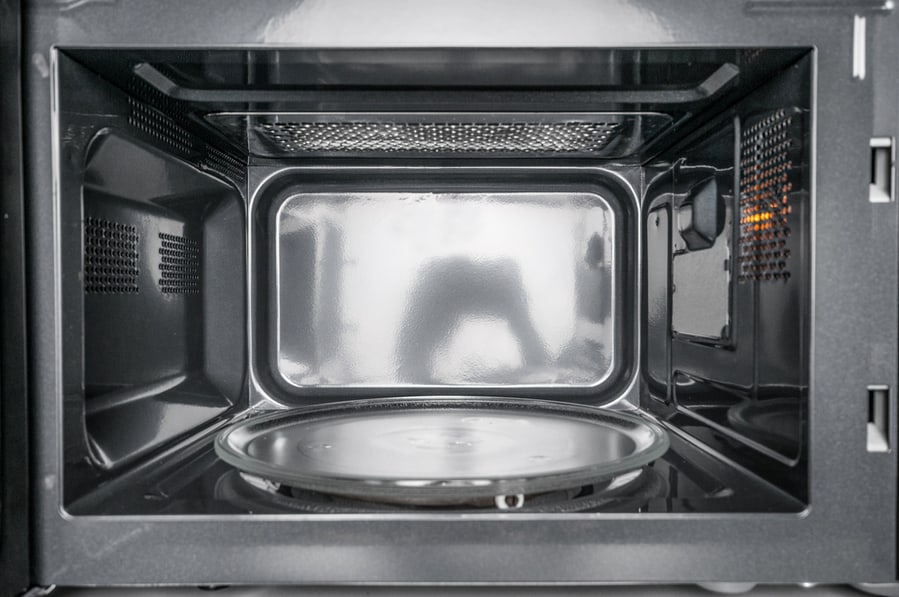
Microwave ovens make radio waves. These waves bounce inside the oven. Food and liquids absorb the waves. That absorption turns the waves into heat and cooks the food.
If there is no item to absorb energy, the waves reflect. High energy can then hit the magnetron or metal parts. This is a key reason people ask what happens if you microwave nothing. It is not just wasteful. It can harm the oven or cause smoke.

Risks of microwaving nothing
Running a microwave empty has clear risks. Here are the main problems to know.
- Magnetron damage: The magnetron sends the microwaves. If waves reflect back, it can overheat the magnetron and reduce its life.
- Arcing and sparks: Metal bits or rough edges inside can spark when energy reflects. Sparks can burn the interior.
- Fire risk: Paper, plastic, or insulation can ignite if they get hot from reflected energy.
- Short circuits or smell: Heat can melt parts or wiring, which makes bad smells and might cause failure.
- Warranty and safety: Many makers warn against empty runs. Damage from empty runs may not be covered.
Many people wonder what happens if you microwave nothing for a few seconds versus longer. Short bursts often cause no harm, but they still carry risk.

What happens if you microwave nothing for short vs long times
Short runs of 5–10 seconds often do nothing bad. The oven cycles and the energy is low. Still, some older or damaged ovens are more sensitive.
Long runs let energy build up. The magnetron can overheat. Metal parts can get hot. Plastic seals or trays may melt. That is why the answer to what happens if you microwave nothing depends on time and the oven's condition.
If you see smoke or sparks, stop the oven right away. Open the door only after the unit is off. If smell or smoke continues, cut power at the breaker if safe.
What to do if you accidentally microwave nothing
Stay calm and follow safe steps. Quick action prevents bigger problems.
- Stop the microwave: Press the stop or open the door to halt power.
- Unplug if safe: If you can unplug without risk, do so to cut power completely.
- Inspect the interior: After it cools, check for burn marks, melted parts, or damage.
- Test briefly: Run with a cup of water for 20–30 seconds. If the oven runs quietly and the water heats, it is likely OK.
- Service if needed: If you saw sparks, heard loud noises, smelled burning, or the oven fails the water test, get a technician to inspect it.
I often recommend keeping a small cup of water in the freezer as a quick test tool. It is an easy way to check function without risk.
Personal experience and practical tips
I once left an empty oven running for 30 seconds by mistake. I heard a faint buzzing sound and smelled warm plastic. I stopped it right away and ran a quick water test. The oven worked after that, but I booked a routine check with a repair tech. I learned three things from that event.
- Do not test curiosity: Short experiments can cause real damage.
- Keep a water cup handy: It is the safest load to use if you want to test the oven.
- Know your oven age: Older ovens are more fragile and more likely to be harmed when empty.
Practical tips to avoid trouble:
- Always place something microwave-safe inside before running.
- Avoid running metal or crinkled foil.
- Follow manufacturer guidance on safe use and maintenance.
These tips cut the chance you will face the problem many ask about: what happens if you microwave nothing.
Frequently Asked Questions of what happens if you microwave nothing
What exactly breaks when you microwave nothing?
Running empty can stress the magnetron. It can also overheat wiring and plastic parts. That leads to reduced lifespan or failure.
Can a microwave explode if it runs empty?
A microwave will not typically explode like a bomb. But it can spark, smoke, or catch fire if run empty long enough. The real danger is heat damage and fire.
Is it safe to run an empty microwave for 5 seconds?
Five seconds is usually safe in most modern ovens, but it is not risk-free. Older units or those with damage may react badly even in a short time.
How can I test my microwave after an empty run?
Fill a microwave-safe cup with water and run for 20–30 seconds. If the water heats and there are no odd sounds or smells, the oven is likely fine.
Will the warranty cover damage from microwaving nothing?
Many warranties do not cover damage from misuse. Running an oven empty may be considered misuse. Check your warranty terms and user manual.
Can metal inside cause worse damage than running empty?
Yes. Metal can cause immediate arcing and sparks. That risk makes metallic items more dangerous than a brief empty run.
Conclusion
Microwaving nothing can harm the oven, lead to sparks, and in worst cases cause fires. The safer path is simple: always place a microwave-safe item inside before running and stop the oven at the first sign of trouble. Use a cup of water to test function and call a pro for repairs when in doubt.
Take action today: check your microwave manual, keep a water cup ready for testing, and share this advice with anyone who might try to test an oven empty. If you have a story or question about what happens if you microwave nothing, leave a comment or subscribe for more home safety tips.

Appliance Review Expert
Lucas Ramirez is a trusted voice at HomeFixGrid.com, known for his clear, practical, and creatively written guides that simplify appliance care for everyday homeowners. With a strong focus on hands-on testing and real-world problem-solving, Lucas brings expert insight into appliance reviews and troubleshooting techniques. Her work empowers readers to confidently maintain, repair, and choose the right appliances for their homes.
Leave a Reply