What Is The Best Mattress Out There: Top Pick
The best mattress out there is the one that supports your body, keeps you cool, and matches your sleep position.
Finding what is the best mattress out there is less about choosing the most expensive model and more about finding the right balance of support, comfort, pressure relief, temperature control, and durability. After comparing mattress types, firmness levels, materials, sleep positions, and buyer needs, one fact stands out: there is no single mattress that suits every sleeper.
The best choice for you depends on your body weight, sleeping position, pain points, room temperature, budget, and personal comfort. This guide explains how to choose wisely, what mattress types perform best, which mistakes to avoid, and how to test a mattress before making a long-term decision.
What Is the Best Mattress Out There?
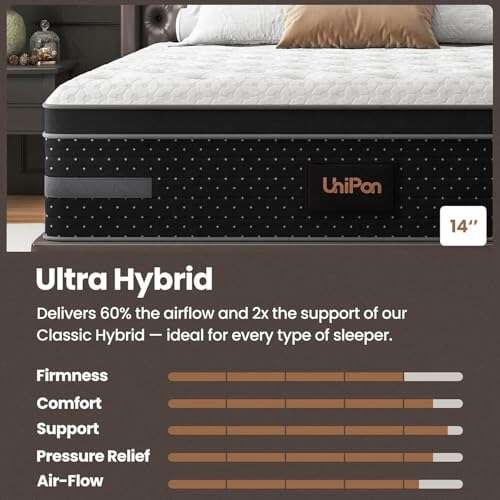
For most people, the best mattress out there is a medium to medium firm hybrid mattress with pocketed coils, pressure relieving foam, strong edge support, and good airflow. This design offers a useful middle ground between soft comfort and firm support.
A hybrid mattress combines a coil support system with foam or latex comfort layers. The coils support the body and improve airflow, while the upper layers cushion the shoulders, hips, and lower back. This balance makes hybrids suitable for many couples and combination sleepers.
Still, what is the best mattress out there for one person may feel too firm or too soft for another. A 120 pound side sleeper and a 220 pound stomach sleeper place very different demands on the same mattress.
When judging a mattress, focus on these features:
• Spinal alignment: Your back should remain in a natural, relaxed position.
• Pressure relief: Your shoulders and hips should not feel sore or numb.
• Support: The mattress should prevent your hips from sinking too far.
• Motion isolation: You should not feel every movement from a partner.
• Temperature control: The surface should not trap uncomfortable heat.
• Durability: The materials should hold their shape for years.
• Trial policy: You should have enough time to decide at home.

How to Choose the Best Mattress for Your Sleep Position
Your sleeping position is one of the strongest clues when deciding what is the best mattress out there. It affects where your body needs cushioning and where it needs firm support.
Best mattress for side sleepers
Side sleepers place the most pressure on the shoulders and hips. A mattress that is too firm can create painful pressure points. One that is too soft may allow the waist to sink and twist the spine.
Most side sleepers do well with a medium soft to medium mattress. Memory foam, softer hybrids, and responsive latex models can work well. The right choice should allow the shoulder and hip to sink slightly while keeping the spine level.
A simple test helps. Lie on your side and ask someone to check whether your spine looks straight from your neck to your hips. If your waist hangs toward the mattress, the bed may be too soft. If your shoulder feels pushed upward, it may be too firm.
Best mattress for back sleepers
Back sleepers need even support across the shoulders, lower back, and hips. A medium firm mattress often works well because it cushions the body without letting the pelvis sink too deeply.
What is the best mattress out there for back pain? In many cases, it is a mattress that keeps the spine neutral rather than one that feels extremely firm. Research on sleep surfaces suggests that medium firm mattresses may improve comfort and sleep quality for some people with lower back pain.
However, back pain has many causes. A mattress may reduce pressure, but it cannot treat a serious medical condition. Speak with a health professional if pain is severe, persistent, or linked to numbness or weakness.
Best mattress for stomach sleepers
Stomach sleepers need more support around the hips and abdomen. If these areas sink too far, the lower back may arch and become uncomfortable.
A medium firm to firm mattress is often a better choice for stomach sleepers. Dense foam, latex, and supportive hybrid designs can help keep the body on a more level plane.
Very soft mattresses are usually a poor match for this position. They may feel comfortable at first but can create poor alignment during the night.
Best mattress for combination sleepers
Combination sleepers change positions during the night. They need a mattress that offers pressure relief but also allows easy movement.
Responsive foam, latex, and hybrid mattresses are strong options. Deep, slow memory foam can feel comfortable, but some sleepers may find it difficult to turn.
If you move from your side to your back often, look for a medium mattress with moderate contouring. This gives you cushioning without making you feel trapped.
Mattress Types Compared
Understanding mattress construction makes it easier to decide what is the best mattress out there. Each type has clear strengths and limits.
Memory foam mattresses
Memory foam uses dense foam that responds to body heat and pressure. It creates a close, cushioned feel and can reduce motion transfer between partners.
Benefits include:
• Excellent motion isolation
• Strong pressure relief
• Quiet performance
• A close, body hugging feel
Limitations include:
• Possible heat retention
• Slow response when changing positions
• A greater chance of feeling stuck
• Edge support that may be weaker on some models
Cooling foams, breathable covers, and ventilated designs can help, but no foam mattress feels cool to every sleeper.
Latex mattresses
Latex feels springy and responsive. It cushions the body without creating the deep sinking sensation common with some memory foam mattresses.
Latex is often a good fit for people who want:
• Easy movement
• Natural responsiveness
• Good airflow
• Long lasting comfort
• A more buoyant feel
Latex can cost more, and some people do not enjoy its springy surface. Natural latex also tends to feel firmer and more supportive than soft synthetic foam.
Hybrid mattresses
Hybrid mattresses use coils with foam, latex, or other comfort materials. They are popular because they combine support, airflow, and cushioning.
A quality hybrid can provide:
• Strong support for many body types
• Better airflow than dense foam
• Improved edge support
• Easier movement
• A balanced feel for couples
The main limitation is weight. Hybrids are often heavy and may cost more than basic all foam mattresses.
Innerspring mattresses
Traditional innerspring mattresses use a coil system with a thinner comfort layer. They often feel firm, bouncy, and cool.
They may suit people who prefer:
• A firm sleep surface
• Strong airflow
• Easy movement
• A lower price
Their main weakness is limited pressure relief. If the comfort layer is thin, side sleepers may feel pressure in the shoulders and hips.
Adjustable air mattresses
Adjustable air beds use air chambers that allow sleepers to change firmness. They can be useful for couples who prefer different comfort levels.
These mattresses offer flexibility, but they can be expensive and may require more maintenance. The pumps, controls, and air chambers also create more parts that could need repair.

What Firmness Should You Choose?
Firmness describes how hard or soft a mattress feels. It is not the same as support. A soft mattress can still support a lightweight sleeper, while a firm mattress can fail to support a heavier sleeper if its comfort layers compress too much.
Most mattress brands use a firmness scale from 1 to 10:
• 1 to 3: Soft
• 4 to 6: Medium
• 7 to 8: Firm
• 9 to 10: Very firm
These ratings are not fully standardized. A medium mattress from one brand may feel softer than a medium mattress from another. Your body weight also changes how the mattress feels.
Lighter sleepers often experience a mattress as firmer. Heavier sleepers tend to compress the comfort layers more and may experience the same mattress as softer.
When asking what is the best mattress out there, use firmness as a starting point rather than a final answer. Support, material quality, and your sleep position matter just as much.
The Best Mattress for Couples
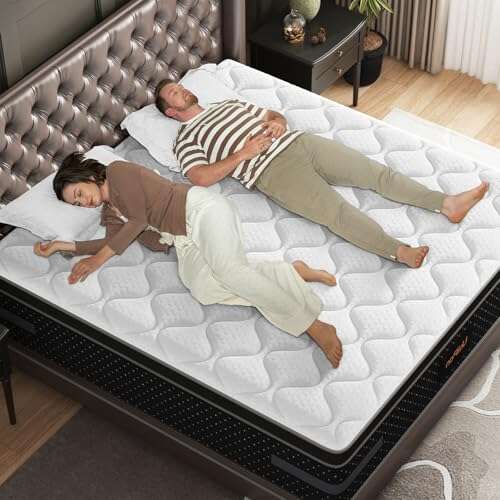
Couples need to balance different comfort preferences. One partner may sleep hot, while the other may prefer a warm, soft bed. One may move often, while the other wakes easily.
The best mattress out there for couples usually has strong motion isolation, reliable edge support, and a medium comfort level. Hybrid mattresses with individually wrapped coils can offer a good blend of movement control and support.
Look for these features:
• Pocketed coils instead of connected coils
• Foam or latex that absorbs movement
• Reinforced edges
• Breathable materials
• A generous home trial
Split firmness options can also help. Some brands offer different firmness levels on each side of a king or California king mattress. This can solve comfort conflicts without requiring two separate beds.
The Best Mattress for Back Pain
A mattress may help reduce discomfort by supporting neutral spinal alignment. It should not let the pelvis sink too far or force the lower back into an unnatural curve.
Many people with back pain prefer medium firm mattresses, but comfort remains personal. A mattress that feels supportive in a showroom may feel different after several hours of sleep.
Keep these points in mind:
• Choose support over extreme firmness.
• Make sure the hips do not sink deeply.
• Look for pressure relief around the shoulders and lower back.
• Give your body time to adjust during the trial period.
• Replace pillows that push your neck out of alignment.
A common mistake is buying the firmest mattress available because of back pain. Very firm surfaces can increase pressure at the hips and shoulders, especially for side sleepers.
Medical research supports a practical approach: the best surface is usually one that improves comfort and keeps the spine in a natural position. It does not need to feel like a wooden board.
Cooling and Temperature Control
Many sleepers ask what is the best mattress out there because they wake up hot. Mattress temperature depends on materials, bedroom conditions, clothing, bedding, and personal biology.
Dense memory foam tends to hold more heat than coils or latex. Hybrid mattresses often sleep cooler because air can move through the coil layer. Latex also has an open, responsive structure that can help reduce heat buildup.
For a cooler sleep setup, consider:
• Coils with generous airflow
• Latex or breathable foam
• A moisture wicking mattress cover
• Cotton or linen sheets
• A lighter comforter
• A bedroom temperature near 65 to 68 degrees Fahrenheit, if comfortable
Cooling features can improve comfort, but marketing terms such as “ice cool” do not guarantee a cold sleep surface. Read the material details and look for independent reviews that mention real overnight use.

Mattress Durability and Materials
A mattress is a major purchase, so durability matters. The expected life of a mattress depends on its materials, construction, body weight, use, and care.
High density foams usually last longer than low density foams. Natural latex is known for strong durability. Quality coils can maintain support for many years, especially when the mattress has reinforced edges.
Signs of stronger construction include:
• Dense comfort foam
• A thick, well built cover
• Individually wrapped steel coils
• Reinforced perimeter support
• Clear material specifications
• A strong warranty with realistic terms
Do not judge quality by height alone. A tall mattress can contain thin, low density layers. A shorter mattress with better materials may last longer.
Personal testing also taught me an important lesson: the first night is not enough. A mattress can feel wonderful for 20 minutes and uncomfortable after six hours. The most useful test is a long home trial with the same pillow and bedding you normally use.
How Much Should You Spend on a Mattress?
The best mattress out there is not always the most expensive mattress. Price often reflects materials, construction, brand costs, and service. It does not automatically reflect better comfort.
In the United States, a good queen mattress can range from a few hundred dollars to several thousand. Premium natural latex and adjustable air beds often cost more. Budget mattresses can still work well when they use suitable materials and provide a fair return policy.
Set a practical budget by considering:
• Mattress size
• Expected lifespan
• Warranty coverage
• Return shipping costs
• Foundation requirements
• Delivery and setup fees
Avoid spending more than you can comfortably afford. A mattress should improve your sleep, not create financial stress.
Also check whether the price includes the foundation. Some mattresses need a specific base or minimum slat spacing. Using the wrong foundation can reduce support and may affect the warranty.
Online Mattress Shopping Tips
Buying online can provide more choices and longer trial periods, but you need to read the details carefully. Product photos cannot show how a mattress feels.
Before ordering, check:
• The full material list
• Mattress height
• Firmness rating
• Weight limits
• Home trial length
• Return process
• Warranty exclusions
• Delivery method
• Required foundation
One practical mistake is ignoring the return policy. A “lifetime warranty” does not mean you can return the mattress whenever you want. Warranties often cover specific defects but not normal softening, comfort changes, stains, or personal preference.
Use a mattress protector from the first night. It helps protect against spills, sweat, dust, and accidental damage. Some warranties may be affected by stains, so this small purchase can protect a much larger investment.
Common Mattress Buying Mistakes
Knowing what is the best mattress out there also means knowing what not to do. Many disappointing purchases come from simple errors.
Choosing based only on price
A low price can be attractive, but poor materials may lead to early sagging. A high price can also include unnecessary branding costs. Compare construction instead of relying on the sale price.
Picking firmness by recommendation alone
A friend’s perfect firm mattress may feel painful to you. Firmness depends on body weight, sleeping position, and personal preference.
Testing only in a showroom
A showroom test can help you compare basic feel, but it does not show how your body will feel after a full night. Use the home trial whenever possible.
Ignoring the pillow
A mattress and pillow work as a system. A pillow that is too high or too low can cause neck pain even when the mattress is suitable.
Expecting immediate comfort
Your body may need time to adjust to a new mattress. Give it at least a few weeks unless you experience severe discomfort. At the same time, do not ignore ongoing pain simply because a retailer suggests waiting.
Trusting every review
Reviews can reveal patterns, but they are not medical tests. Look for feedback from people with a similar body type, sleep position, and climate.
A Simple Way to Test a Mattress at Home
Use a structured test instead of judging the mattress by one night.
-
Sleep in your normal position for at least 20 minutes during the day.
-
Check whether your spine feels level and relaxed.
-
Notice pressure around your shoulders, hips, knees, and lower back.
-
Ask your partner whether movement wakes them.
-
Track pain, heat, and sleep quality for two to four weeks.
-
Review the return deadline before it passes.
Keep a short sleep log. Write down your position, comfort, soreness, temperature, and sleep interruptions each morning. Patterns are more useful than one good or bad night.
If you wake with numbness, sharp pressure, or new back pain, the mattress may not be suitable. If the bed feels comfortable but you still sleep poorly, consider other causes such as stress, room noise, caffeine, a poor pillow, or an untreated sleep disorder.
What Is the Best Mattress Out There for Different Needs?
The answer changes when the sleeper changes.
• Best overall: A medium hybrid with pressure relief, airflow, and strong edge support.
• Best for side sleepers: A medium soft mattress with cushioning for the shoulders and hips.
• Best for back sleepers: A medium firm mattress that keeps the pelvis from sinking.
• Best for stomach sleepers: A supportive firm or medium firm mattress.
• Best for hot sleepers: A breathable hybrid or latex mattress.
• Best for couples: A mattress with motion isolation and reinforced edges.
• Best for adjustable comfort: An air mattress with independent firmness controls.
• Best for eco conscious shoppers: A certified natural latex mattress with responsible materials.
• Best for a lower budget: A well reviewed foam or basic hybrid mattress with a strong return policy.
These categories provide a useful starting point, but they are not strict rules. Your personal comfort remains the final test.
Frequently Asked Questions About What Is the Best Mattress Out There
What is the best mattress out there for most people?
A medium to medium firm hybrid mattress is a strong choice for many sleepers. It combines pressure relief, support, airflow, and movement control without feeling extremely soft or firm.
Is a firm mattress better for back pain?
Not always. A medium firm mattress may support neutral alignment while reducing pressure, but the best firmness depends on your body weight, sleep position, and comfort needs.
How long should a mattress last?
Most mattresses last about seven to ten years, although quality latex and well built hybrids may last longer. Sagging, lasting discomfort, poor support, and repeated waking are signs that replacement may be needed.
Should side sleepers choose a soft mattress?
Side sleepers often need some softness to cushion the shoulders and hips. However, an overly soft mattress can allow the waist and pelvis to sink, so medium soft or medium support is often a better balance.
Are expensive mattresses worth the money?
An expensive mattress is worthwhile only when its materials and construction improve comfort and durability for you. Price alone does not prove that a mattress is better.
Can a mattress cause back pain?
A mattress can contribute to back pain if it allows poor alignment or creates pressure. Pain can also come from posture, injury, pillows, health conditions, or daily activity, so persistent pain deserves professional advice.
How long should I try a new mattress?
Try it for at least two to four weeks when possible, unless it causes strong pain or discomfort. Many retailers offer trials of 90 nights or more, but always confirm the exact return terms.
Conclusion
The best mattress out there is the one that supports your body, suits your sleep position, controls pressure, and helps you rest without overheating or waking from movement. For many people, a medium hybrid is a smart starting point, but foam, latex, innerspring, and adjustable air mattresses can also be excellent choices.
Focus on alignment, comfort, materials, durability, and the return policy rather than hype or price alone. Compare your options, use a proper home trial, and give your body enough time to respond.
Start by identifying your sleep position and firmness preference, then explore mattresses that match those needs. If this guide helped, share your experience or continue researching mattress materials and sleep health before making your final choice.

Appliance Review Expert
Lucas Ramirez is a trusted voice at HomeFixGrid.com, known for his clear, practical, and creatively written guides that simplify appliance care for everyday homeowners. With a strong focus on hands-on testing and real-world problem-solving, Lucas brings expert insight into appliance reviews and troubleshooting techniques. Her work empowers readers to confidently maintain, repair, and choose the right appliances for their homes.