
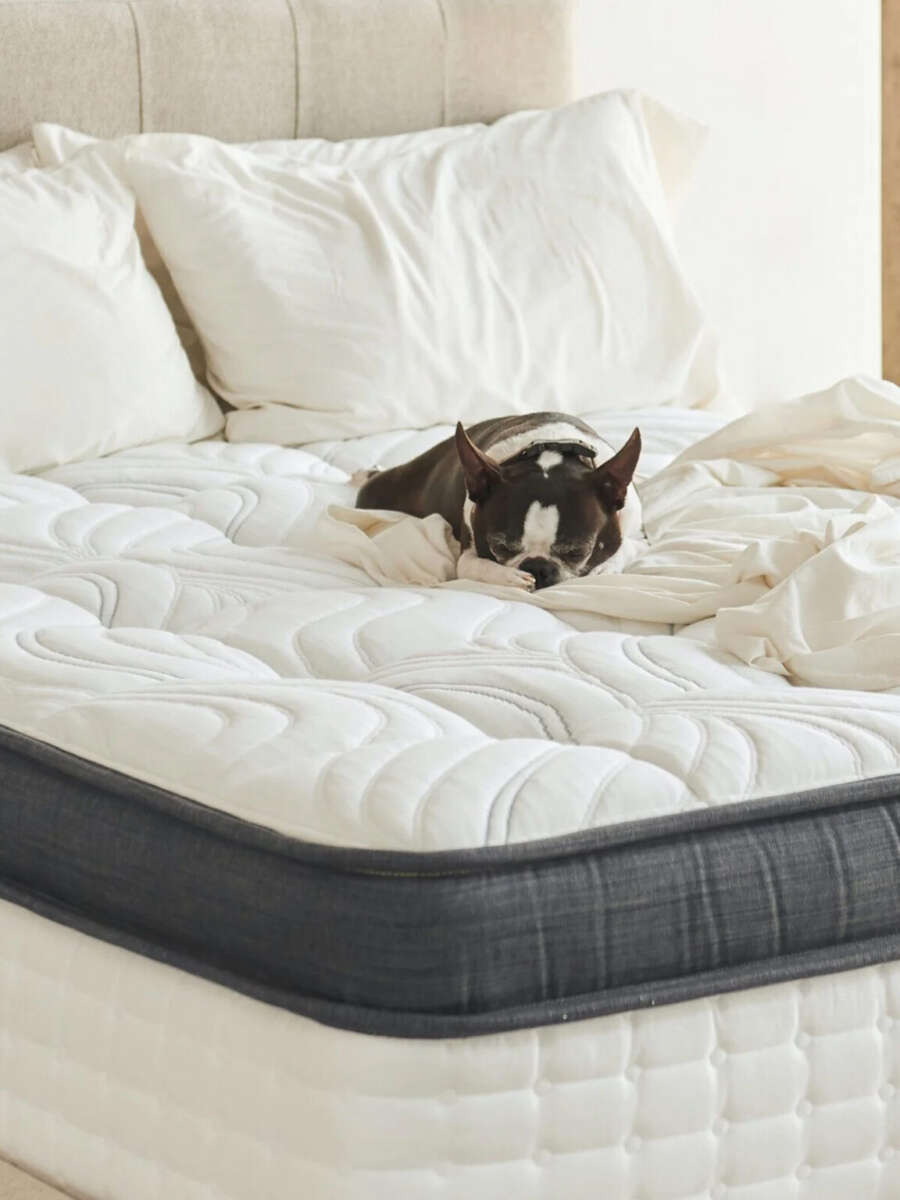
What Is The Softest Mattress You Can Buy: Top Picks
Among mainstream beds, the TEMPUR-LuxeAdapt Soft is one of the softest mattresses you can buy.
Finding the softest mattress you can buy is not only about choosing the lowest firmness rating. Your body weight, sleep position, pressure points, and preferred feel all matter. After comparing plush memory foam, pillow-top, latex, and adjustable beds, this guide explains which mattresses feel truly soft, who should buy one, and which soft beds may cause more harm than comfort.
What Is the Softest Mattress You Can Buy?
The TEMPUR-LuxeAdapt Soft is one of the softest widely available mattresses for people who want a deep, slow-sinking feel. Its pressure-relieving memory foam lets the shoulders and hips sink into the bed while the upper layers contour closely around the body.
That said, there is no single softest mattress for every sleeper. A 130-pound side sleeper may find one bed wonderfully plush, while a 230-pound stomach sleeper may push through the comfort layers and feel the support core.
The softest mattress you can buy will usually fall into one of these groups:
• Soft all-foam mattress: Offers the most body-hugging feel and strong pressure relief.
• Plush pillow-top mattress: Feels soft at the surface but may offer more bounce and easier movement.
• Adjustable air mattress: Lets you lower the firmness, though the feel may not be as deep or smooth as memory foam.
• Soft latex mattress: Feels cushioned but more springy and less sink-in than foam.
For many sleepers, a soft memory foam mattress is the best place to start. It acts like a gentle mold around your body instead of pushing back sharply.

How Mattress Firmness Is Measured
Mattress firmness is usually described on a scale from 1 to 10. A rating of 1 feels extremely soft, while 10 feels extremely firm. Most mattresses sold today fall between 3 and 8.
A practical firmness guide looks like this:
• 1 to 2: Extremely soft and difficult to find in a traditional mattress.
• 3 to 4: Soft or plush, with noticeable sink and cushioning.
• 5 to 6: Medium-soft to medium, which suits many sleepers.
• 7 to 8: Firm, with less sink and more pushback.
• 9 to 10: Extra firm, usually designed for specific support needs.
Firmness ratings are not fully standardized. One brand’s “soft” mattress may feel like another brand’s medium. The materials also change the experience. Memory foam can feel softer than latex at the same rating because it allows more sink.
Body weight changes firmness, too. Heavier sleepers compress the comfort layers more deeply. Lighter sleepers may remain closer to the surface and feel a soft mattress as medium-soft.
This is why product reviews should be treated as helpful clues, not absolute facts. Your body is the final test.

The Softest Mattress Types
Soft memory foam mattresses
Memory foam is often the first choice for people who want the softest mattress you can buy. It spreads body weight across a wider area and can reduce pressure near the hips, shoulders, and knees.
A thick comfort layer creates more sink. Slow-response foam also gives the bed a “hugging” feel. This can be soothing for side sleepers who want their shoulders and hips to nest into the mattress.
The main drawback is movement. A soft memory foam bed can make it harder to change positions or get out of bed. It may also hold more heat unless it uses breathable covers, ventilated foam, or cooling materials.
Plush pillow-top mattresses
A plush pillow-top mattress has an extra comfort layer sewn or attached to the top. The pillow-top may contain foam, fiber, wool, or latex.
These beds often feel softer at first contact than all-foam mattresses. They also tend to offer more bounce, which helps couples move and switch positions.
The risk is body impressions. A very soft pillow-top can lose some of its original loft over time, especially when one person sleeps in the same spot each night. Strong edge support can also be harder to maintain in an ultra-plush design.
Soft latex mattresses
Latex provides pressure relief without the deep hug of memory foam. It feels more like floating on the mattress than sinking into it.
Natural latex can be durable and responsive. It is also less likely to trap heat than traditional memory foam. However, even a soft latex mattress may feel firmer than expected if you want a cloud-like surface.
Latex is a good choice for combination sleepers who want softness but still need to move with ease.
Adjustable air mattresses
Adjustable air beds allow you to change the firmness with a remote or smartphone app. Some models offer a very soft setting, making them a flexible option for couples with different preferences.
The softest setting is not always the same as a plush foam feel. Air support can feel more buoyant and less body-hugging. Mechanical parts, pumps, and app controls may also add cost and potential maintenance needs.
Still, adjustability is valuable if your firmness preference changes during pregnancy, injury recovery, or periods of back pain.

Best Soft Mattress Options to Consider
TEMPUR-LuxeAdapt Soft
The TEMPUR-LuxeAdapt Soft is designed for deep pressure relief. Its dense foam closely follows the body, which can feel especially comfortable for side sleepers with sensitive shoulders and hips.
It is among the strongest choices for people searching for the softest mattress you can buy. The trade-offs include a higher price, limited bounce, and a stronger chance of feeling “stuck” in the mattress.
Saatva Classic Plush Soft
The Saatva Classic Plush Soft uses a coil support system with cushioning foam and a quilted top. It feels softer than the brand’s Luxury Firm and Firm versions.
This mattress is a better fit for people who want a plush surface but dislike the deep hug of memory foam. Its coil design also makes it easier to move across the bed.
Helix Sunset Luxe
The Helix Sunset Luxe is built for side sleepers who prefer a soft feel. Its comfort layers cushion the shoulders and hips while the support system helps keep the body from sinking too far.
It offers a useful middle ground. You receive noticeable softness without the slow, heavy feel of very dense memory foam.
Nolah Evolution 15 Plush
The Nolah Evolution 15 Plush combines thick comfort layers with a supportive coil system. It is made for sleepers who want a soft top but still need structure underneath.
The thicker profile can help prevent the “bottoming out” sensation that some people feel on thin soft mattresses. It may be a good fit for side sleepers and some combination sleepers.
A soft Sleep Number setting
An adjustable air bed can be set to a low firmness level, which makes it attractive to couples with different needs. One person can choose a softer setting while the other uses more support.
However, the feel can change as air pressure changes. If you want the softest mattress you can buy for a traditional plush sensation, a soft foam model may feel more consistent.

Who Should Choose a Very Soft Mattress?
A very soft mattress is usually best for side sleepers. Side sleeping creates wider pressure points at the shoulders and hips. A soft comfort layer allows these areas to sink while helping keep the spine level.
A soft bed may also suit lighter sleepers. People under about 130 pounds often do not compress a firm mattress very much. As a result, a firm bed can feel hard and uncomfortable, even when it provides good support for heavier sleepers.
A soft mattress may help people who enjoy a cozy, enveloping feel. Some sleepers like the sensation of being gently held in place. Others prefer a bed that feels more like sleeping on top of a supportive surface.
Consider a soft mattress if you:
• Sleep mainly on your side.
• Wake with sore shoulders or hips.
• Weigh less than about 130 pounds.
• Prefer a deep, cushioned feel.
• Rarely change positions during sleep.
• Want strong motion isolation for a partner.
Very soft mattresses are not automatically better for pain. A mattress that feels comfortable for one person may place another person’s spine in a poor position.

Who Should Avoid the Softest Mattress?
Stomach sleepers often need more support than an ultra-soft bed provides. If the hips sink too far, the lower back may arch during the night. This can lead to morning stiffness or discomfort.
Back sleepers may also prefer a medium-soft or medium mattress. The bed should cushion the lower back while keeping the pelvis from dropping below the chest.
Heavier sleepers need to inspect the mattress carefully. A soft bed may feel comfortable at first but lose support when the sleeper compresses through the upper layers. Look for a thick comfort system, strong coils, and a suitable weight capacity.
Avoid an extremely soft mattress if you:
• Sleep mainly on your stomach.
• Need firm support to keep your spine aligned.
• Have trouble getting out of low beds.
• Change sleeping positions often.
• Sleep with a partner who needs a much firmer surface.
• Prefer a stable, buoyant feel.
In many cases, a medium-soft mattress offers a better balance. It can cushion pressure points without allowing excessive sink.

How to Choose the Softest Mattress You Can Buy
Start with your sleep position
Your sleep position is one of the best predictors of comfort. Side sleepers usually need more cushioning than back and stomach sleepers.
If you sleep in more than one position, avoid choosing the absolute softest model. A soft-medium mattress may let you move more easily while still easing pressure on your side.
Consider your body weight
Body weight affects how much you compress the comfort layers. A lightweight person may feel a mattress as firmer than its listed rating. A heavier person may feel the same mattress as softer.
As a simple guide:
• Under 130 pounds: Soft mattresses often feel supportive enough.
• 130 to 230 pounds: Medium-soft or soft mattresses may work, depending on sleep position.
• Over 230 pounds: Look for reinforced support and enough thickness to prevent bottoming out.
These ranges are not rules. Body shape, movement, and personal preference matter just as much.
Check the mattress thickness
A very soft mattress should have enough material to cushion your body without collapsing. Thin mattresses may feel soft at first but offer limited support.
Look for:
• At least 10 inches for many adult sleepers.
• Thicker comfort layers for side sleepers.
• Strong coils or a stable support core.
• Reinforced edges if you sit or sleep near the side.
A taller mattress is not always better. The quality and arrangement of the layers matter more than height alone.
Review the materials
Read the layer description instead of relying only on marketing terms such as “cloud,” “luxury,” or “ultra-plush.”
Look for the type and thickness of foam, the coil system, the cover material, and the mattress’s support base. CertiPUR-US certification can indicate that flexible polyurethane foam meets certain standards for emissions and materials, but certification does not guarantee comfort or durability.
Use the sleep trial
A home trial is essential when buying a soft mattress online. Your body may need several weeks to adjust to a new surface.
Give the bed at least a few weeks unless it causes clear pain or severe discomfort. Keep the original packaging and follow the return rules carefully. Some companies require a minimum trial period before accepting a return.

Common Problems With Extremely Soft Mattresses
The biggest issue is poor spinal alignment. If the pelvis sinks too far, the spine may curve instead of staying in a natural position.
Heat can also become a problem. Deep foam surrounds more of the body, which may reduce airflow. Choose a breathable cover, ventilated foam, or a coil-based design if you tend to sleep hot.
Soft mattresses can make movement harder. This matters for people with limited mobility, joint pain, or weak muscles. A responsive soft mattress may be easier to use than a slow memory foam model.
Durability is another concern. Softer materials often compress more than firmer materials. This does not mean every soft mattress wears out quickly, but the construction and foam quality are important.
A very soft mattress may also create uneven wear. Rotate it when the manufacturer allows it. Do not flip a one-sided mattress unless the instructions say you can.

How to Make a Mattress Feel Softer
If your current mattress is too firm, you may not need to replace it at once. A quality mattress topper can change the surface feel.
Useful options include:
• Memory foam topper: Adds deep contouring and pressure relief.
• Latex topper: Adds cushioning with more bounce and airflow.
• Feather or down alternative topper: Creates a soft, fluffy surface but offers less support.
• Wool topper: Adds gentle cushioning and helps manage moisture.
Choose a topper that is thick enough to make a real difference. A 2-inch topper creates a smaller change, while a 3-inch topper usually produces a more noticeable softening effect.
Check your foundation, too. A rigid base can make a mattress feel firmer. A compatible platform or adjustable base may slightly change the feel, but always follow the mattress warranty requirements.
Do not place a soft topper on a badly sagging mattress. A topper cannot repair a worn support core. It may simply copy the sag and make alignment worse.
My Practical Lessons From Comparing Soft Mattresses
One lesson that comes up often in mattress testing is that “soft” does not always mean “comfortable.” A mattress can feel wonderful for the first ten minutes and still cause hip or back discomfort after a full night.
The most common mistake is choosing a bed by touch alone. Showroom testing can help, but lying down for five minutes does not reproduce eight hours of sleep. Home trials offer a much better way to judge pressure relief and support.
Another lesson is to watch how easily you can move. If you must use your hands to roll over, the mattress may be too soft or too slow for your needs.
Before buying, I suggest this simple test:
-
Lie in your normal sleep position for at least 10 minutes.
-
Ask whether your shoulders and hips feel cushioned.
-
Check whether your spine feels straight, not bent or twisted.
-
Roll from your side to your back.
-
Sit on the edge and stand up.
-
Read the return, warranty, and sagging coverage rules.
A soft mattress should feel like a supportive cushion, not a hammock. That distinction can save you from an expensive return.
Softness, Support, and Spinal Alignment
Softness and support are different qualities. Softness describes how the surface feels when you lie down. Support describes how well the mattress holds your body in a healthy position.
A mattress can have a soft comfort layer and a strong support core. This design is often ideal because it provides pressure relief without allowing the body to sink too deeply.
Think of the mattress as a sandwich. The top layers provide comfort. The middle layers control movement and pressure. The bottom support core keeps your body from collapsing toward the foundation.
Signs that a soft mattress may not support you well include:
• Lower back pain that starts after switching beds.
• A feeling that your hips are lower than your shoulders.
• Frequent effort needed to roll over.
• Numbness or tingling at pressure points.
• Stiffness that improves after getting out of bed.
If these signs continue, try a firmer comfort layer or speak with a qualified health professional. Mattress advice cannot diagnose or treat a medical condition.
Frequently Asked Questions About What Is the Softest Mattress You Can Buy
What is the softest mattress you can buy for side sleepers?
The TEMPUR-LuxeAdapt Soft is among the softest mainstream options for side sleepers who like deep memory foam. Plush models from Saatva, Helix, and Nolah may suit people who want softness with more bounce and easier movement.
Is a soft mattress good for back pain?
A soft mattress may reduce pressure for some side sleepers, but it can worsen discomfort if the hips sink too far. The best choice depends on your sleep position, body weight, and the cause of your pain.
What firmness is considered very soft?
A mattress rated around 3 or 4 out of 10 is usually considered soft or plush. Ratings vary by brand, so the materials and customer trial matter as much as the number.
Do heavier people need a soft mattress?
Heavier sleepers can choose a soft mattress, but they should look for strong edge support, a durable comfort system, and a sturdy support core. A mattress that is too soft may allow excessive sink and reduce spinal alignment.
Can a mattress topper make a firm mattress soft?
Yes, a 2- or 3-inch memory foam or latex topper can make a firm mattress feel much softer. A topper will not fix a sagging or worn-out mattress, so replacement may be better when the support core has failed.
Is memory foam softer than latex?
Memory foam usually feels softer because it allows deeper sink and body contouring. Latex feels more responsive, so it may seem firmer even when the product is labeled soft.
How long does it take to adjust to a soft mattress?
Many sleepers need several weeks to adjust to a new mattress. Give yourself time unless the bed causes sharp pain, severe numbness, or clear alignment problems.
Conclusion
The softest mattress you can buy is often a soft memory foam model, with the TEMPUR-LuxeAdapt Soft standing among the plushest widely available choices. Plush pillow-top, latex, and adjustable air mattresses can also work, but each creates a different kind of softness.
Choose based on sleep position, body weight, pressure points, movement needs, and spinal support. A mattress should cushion your body without letting your hips sink too far. Use a home trial, read the warranty, and judge the bed after several nights rather than a few minutes in a store.
Take time to compare soft mattress materials and return policies before you buy. Your best bed is not simply the softest one—it is the one that lets you wake up comfortable, supported, and ready for the day.

Appliance Review Expert
Lucas Ramirez is a trusted voice at HomeFixGrid.com, known for his clear, practical, and creatively written guides that simplify appliance care for everyday homeowners. With a strong focus on hands-on testing and real-world problem-solving, Lucas brings expert insight into appliance reviews and troubleshooting techniques. Her work empowers readers to confidently maintain, repair, and choose the right appliances for their homes.


