
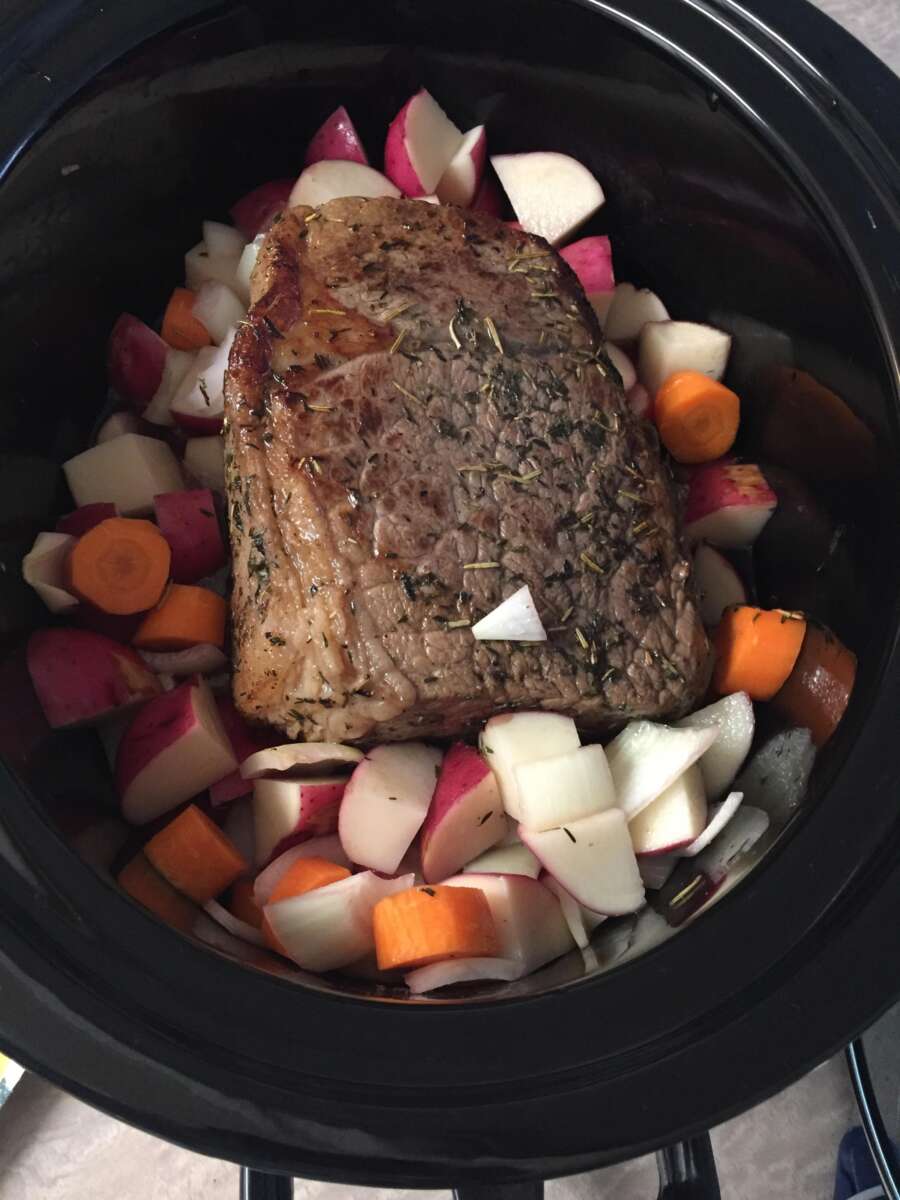
Browning meat before slow cooking builds deep flavor, richer color, and better texture in long-cooked dishes.
I’ve browned hundreds of roasts, stews, and chili pots, and I can tell you why you should brown meat before slow cooking. As a cook and recipe developer, I rely on browning to turn ordinary ingredients into dishes that taste layered and finished. This article explains the science, the simple steps, common mistakes, and when you can skip browning — all in plain language so you can get better results every time you slow cook.
Why you should brown meat before slow cooking
Browning meat before slow cooking adds flavor you cannot get from long, slow heat alone. The Maillard reaction creates hundreds of flavor compounds when meat hits very high heat. Those compounds make stews and braises taste savory, roasted, and complex. Browning also improves color and mouthfeel. A well-browned roast gives a slow cooker dish a deep brown sauce and richer plate presentation.
Browning helps render fat and tighten the meat’s exterior. That change affects texture during the long, slow cook. You also capture fond — the browned bits left in the pan — which deglaze into the cooking liquid and lift the whole dish. In short: browning meat before slow cooking transforms simple ingredients into a dish with depth, aroma, and appealing color. That’s why you should brown meat before slow cooking.
The science behind browning and slow cooking
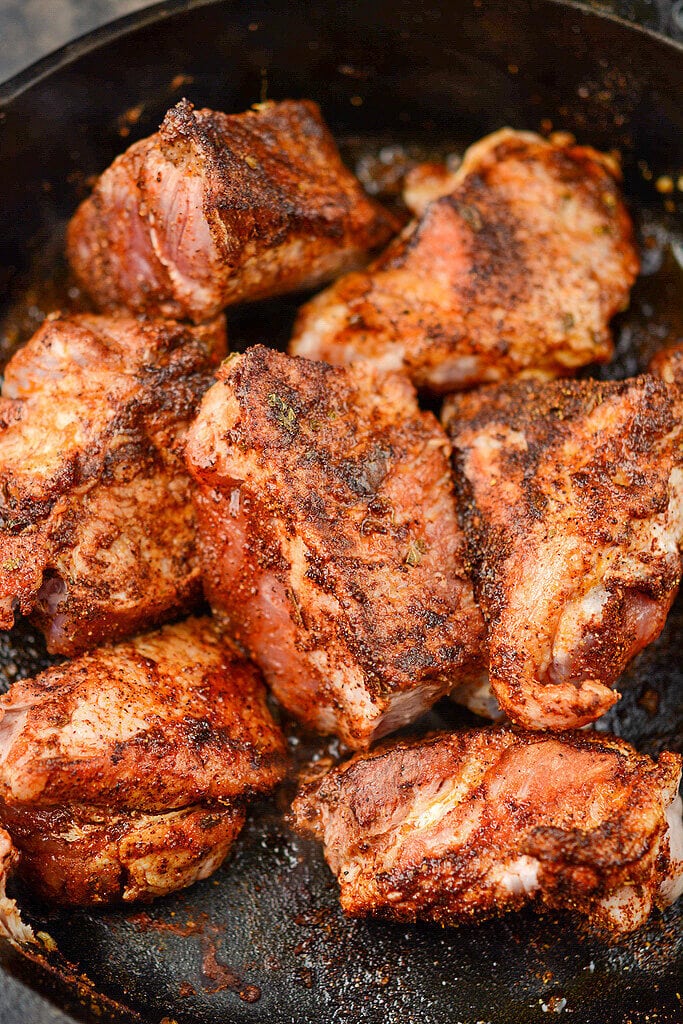
The Maillard reaction is the main reason why you should brown meat before slow cooking. It starts when proteins and sugars are exposed to high heat. That creates complex molecules that taste savory, nutty, and meaty. Slow cooking at low temperatures does not trigger the Maillard reaction. It extracts collagen and softens connective tissue, but it won’t build the same roasted flavors.
Browning also creates fond. When you deglaze the pan, those bits dissolve into the liquid and become flavor boosters. Fat rendering during searing changes how the meat breaks down. The result is a dish with more concentrated taste and better texture. Understanding this science explains why you should brown meat before slow cooking.
How to brown meat before slow cooking: step-by-step
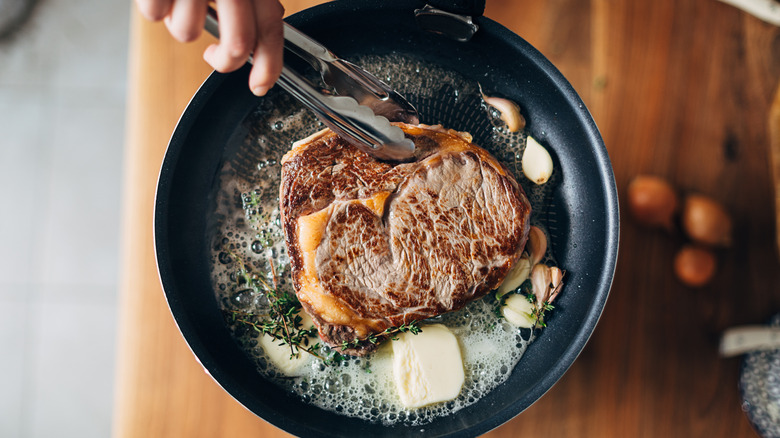
Here is a practical, reliable method for browning meat before slow cooking.
- Pat the meat dry with paper towels. Moisture prevents browning.
- Season simply with salt and pepper. Salt draws out moisture briefly then helps crust formation.
- Heat a heavy pan over medium-high to high heat until very hot. Use oil with a high smoke point.
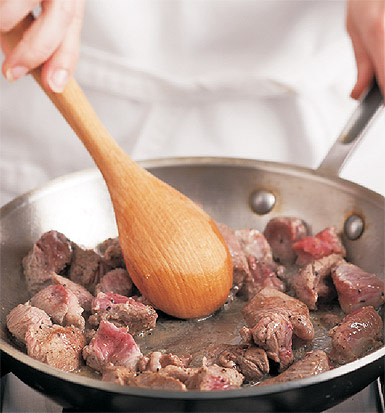
- Add meat in single layers. Crowding causes steam and no crust. Brown in batches if needed.
- Sear each side until a deep brown crust forms. This usually takes 2 to 4 minutes per side.
- Remove meat and deglaze the pan with stock, wine, or water. Scrape the fond and add that liquid to the slow cooker.
- Transfer meat and deglazing liquid into the slow cooker. Complete the recipe as directed.
Alternative methods if you’re short on time:
- Use the oven broiler to brown large pieces quickly.
- Use a grill for smoky char.
- Sear in a cast-iron skillet and finish with a quick deglaze.
From my experience, deglazing is the single step that makes browning truly worth it. I once skipped deglazing and the stew tasted flat. Next time I added the deglazed fond and the whole pot sang.
:max_bytes(150000):strip_icc()/14685-slow-cooker-beef-stew-i-DDMFS-4x3-6f0208563f4c43d6a80fdb077c19fe4e.jpg)
When you can skip browning (and when you shouldn’t)
There are times when browning is optional and times when it’s essential.
You can skip browning if:
- You’re short on time and need a no-fuss meal.
- The recipe relies on fresh herbs and bright flavors rather than deep stew notes.
- The meat is thin or small and will cook quickly anyway.
Don’t skip browning if:
- You want deep, roasted flavors in stews, braises, or chili.
- You’re cooking tougher cuts like chuck, brisket, or shank.
- Presentation and sauce color matter.
Remember: skipping browning won’t ruin a meal, but it will often reduce flavor and richness. That’s why you should brown meat before slow cooking in dishes where flavor depth matters.
:max_bytes(150000):strip_icc()/Simply-Recipes-Slow-Cooker-Pot-Roast-LEAD-1-849e074ff6324f53b0b6a13a986c6629.jpg)
Troubleshooting and pro tips
Common mistakes and how to fix them.
- Meat won’t brown because it’s wet. Solution: Dry thoroughly and don’t salt too early.
- Pan is too cold. Solution: Heat until the oil shimmers before adding meat.
- Crowding the pan causes steaming. Solution: Brown in batches and rest meat on a tray.
- Burnt fond tastes bitter. Solution: Reduce heat and deglaze with liquid right away.
- Sauce lacks depth. Solution: Add pan juices and fond, and adjust seasoning near the end.
Advanced tips from my kitchen:
- Use neutral oil for searing and finish with a knob of butter for flavor.
- Sear connective tissue-rich areas a bit longer to render collagen.
- Chill and separate excess fat after cooking to clarify sauces.
- Make the browning step ahead and refrigerate the deglazed stock; it keeps well for 2–3 days.
These small habits keep browning efficient and consistent. Over time, they raise the quality of every slow-cooked dish you make. That’s why you should brown meat before slow cooking.

Frequently Asked Questions of why you should brown meat before slow cooking
Is browning meat before slow cooking necessary for safety?
No. Slow cookers reach temperatures that make meat safe when used correctly. Browning is mainly for flavor and texture, not food safety.
Does browning seal in the juices?
No. Browning does not seal meat or lock in juices. It creates flavor and a desirable crust, which changes texture but not moisture retention.
Can I brown meat in the slow cooker insert on the stove?
Some slow cooker inserts are stovetop-safe. If yours is, you can sear in it. Otherwise, use a skillet and deglaze into the slow cooker.
How long should I brown a roast before slow cooking?
Usually 2 to 4 minutes per side on high heat, until a deep brown crust forms. Times vary with cut and pan heat, so watch for color rather than the clock.
Will browning add much time to meal prep?
It adds about 10 to 20 minutes, including searing and deglazing. Most cooks find that extra time is worth the richer flavor and better sauce.
Can I brown frozen meat?
No. Browning frozen meat steams rather than sears. Thaw first, pat dry, then brown for best results.
Does sugar in a marinade affect browning before slow cooking?
Yes. Sugar helps brown but can burn quickly at high heat. Rinse or pat excess sugary marinades before searing to avoid bitterness.
Conclusion
Browning meat before slow cooking is a small step with a big payoff. It builds flavor through the Maillard reaction, adds color, improves texture, and gives your sauces a savory backbone. If you value depth and presentation, take the extra 10 to 20 minutes to brown and deglaze. Try searing your next roast, note the difference, and make it a habit for better slow-cooked meals. If this was helpful, leave a comment with your favorite slow-cooker recipe, subscribe for more tips, or try browning the next time you slow cook and see the change for yourself.

Appliance Review Expert
Lucas Ramirez is a trusted voice at HomeFixGrid.com, known for his clear, practical, and creatively written guides that simplify appliance care for everyday homeowners. With a strong focus on hands-on testing and real-world problem-solving, Lucas brings expert insight into appliance reviews and troubleshooting techniques. Her work empowers readers to confidently maintain, repair, and choose the right appliances for their homes.
Leave a Reply