How To Avoid Undercooked Center In Slow Cooker Meals: 2026 Tips
To avoid an undercooked center in slow cooker meals, always cut ingredients uniformly, avoid overcrowding, and ensure liquids are hot before adding them.
I remember the first time I hosted a dinner party and attempted a large beef roast in my slow cooker. I was so confident, yet when I lifted the lid, the edges were falling apart while the center remained stubbornly tough and raw. That experience taught me that slow cookers are not just a set-it-and-forget-it appliance; they require a bit of culinary physics to work perfectly. Learning how to avoid undercooked center in slow cooker meals is a rite of passage for every home cook. Whether you are a beginner or a seasoned pro, understanding heat distribution is the key to consistent results. In this guide, I will share the strategies I have gathered over years of testing to help you master your slow cooker every single time.
Understanding Heat Distribution in Slow Cookers
The primary reason you might deal with an undercooked center in slow cooker meals is how these machines function. Unlike an oven that surrounds your food with hot air, a slow cooker uses conductive heat from the bottom and sides of the ceramic crock. If you pack the container too tightly, the heat struggles to travel inward, leaving the middle cold.
To prevent this, I always emphasize the importance of spacing. Think of it like a crowded bus; if everyone is pressed together, no one can move, and the same applies to heat circulation. You want to leave enough room for the liquid and heat to permeate the entire dish. When I prepare a stew, I make sure the pot is only two-thirds full to allow for proper thermal movement.
How conduction and thermal mass affect cooking
Slow cookers heat by contact. The pot warms the food it touches first. Dense pieces soak up heat more slowly. Big chunks act like cool cores. Smaller pieces heat faster. That mismatch causes uneven doneness. A small change fixes this: cut to the same size. It helps heat reach every piece at a similar pace.

Proper Ingredient Preparation
How you prep your ingredients plays a massive role in whether your meal finishes evenly. When ingredients vary in size, the smaller pieces turn to mush while the larger ones remain raw. I always strive for uniform shapes when chopping vegetables or meat. By cutting your potatoes, carrots, and beef into consistent chunks, you ensure that heat penetrates every piece at the same rate.
Another mistake I often see is adding cold ingredients directly from the refrigerator. Because slow cookers take time to reach a simmering temperature, starting with ice-cold food delays the process significantly. I have found that browning my meat in a pan first or heating my broth on the stove before adding it to the slow cooker drastically reduces the risk of an undercooked center in slow cooker meals.
Quick preheat and browning tips
Preheat the insert on high for 10–15 minutes if you can. Heat the liquid on the stove until it is hot. Brown meat in a skillet for better flavor and a head start on cooking. These small steps cut the time your food spends in the danger zone. They also help the slow cooker reach a steady simmer sooner.
Cutting guide for even cooking
Match piece size to cook time. For long cooks (6–8 hours on low), you can use larger chunks. For shorter cooks (3–4 hours on high), cut smaller pieces. Aim for pieces that cook through in the same window. Consistency prevents mushy bits and raw centers.
Strategic Layering and Liquid Management
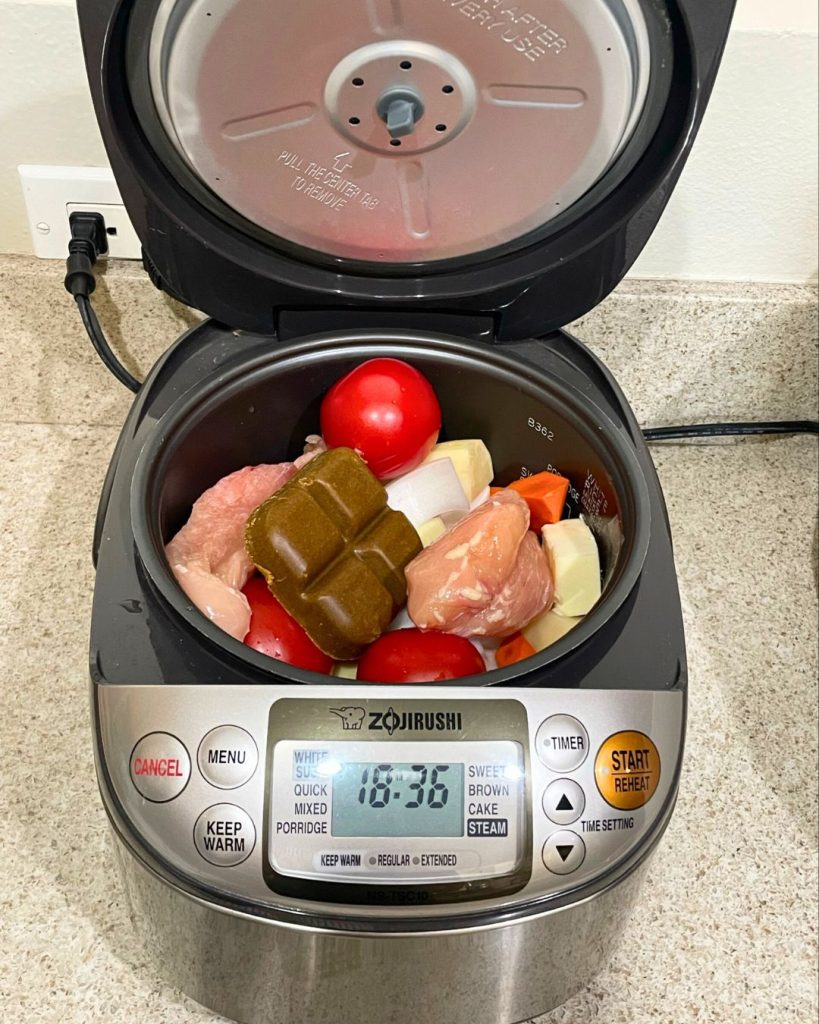
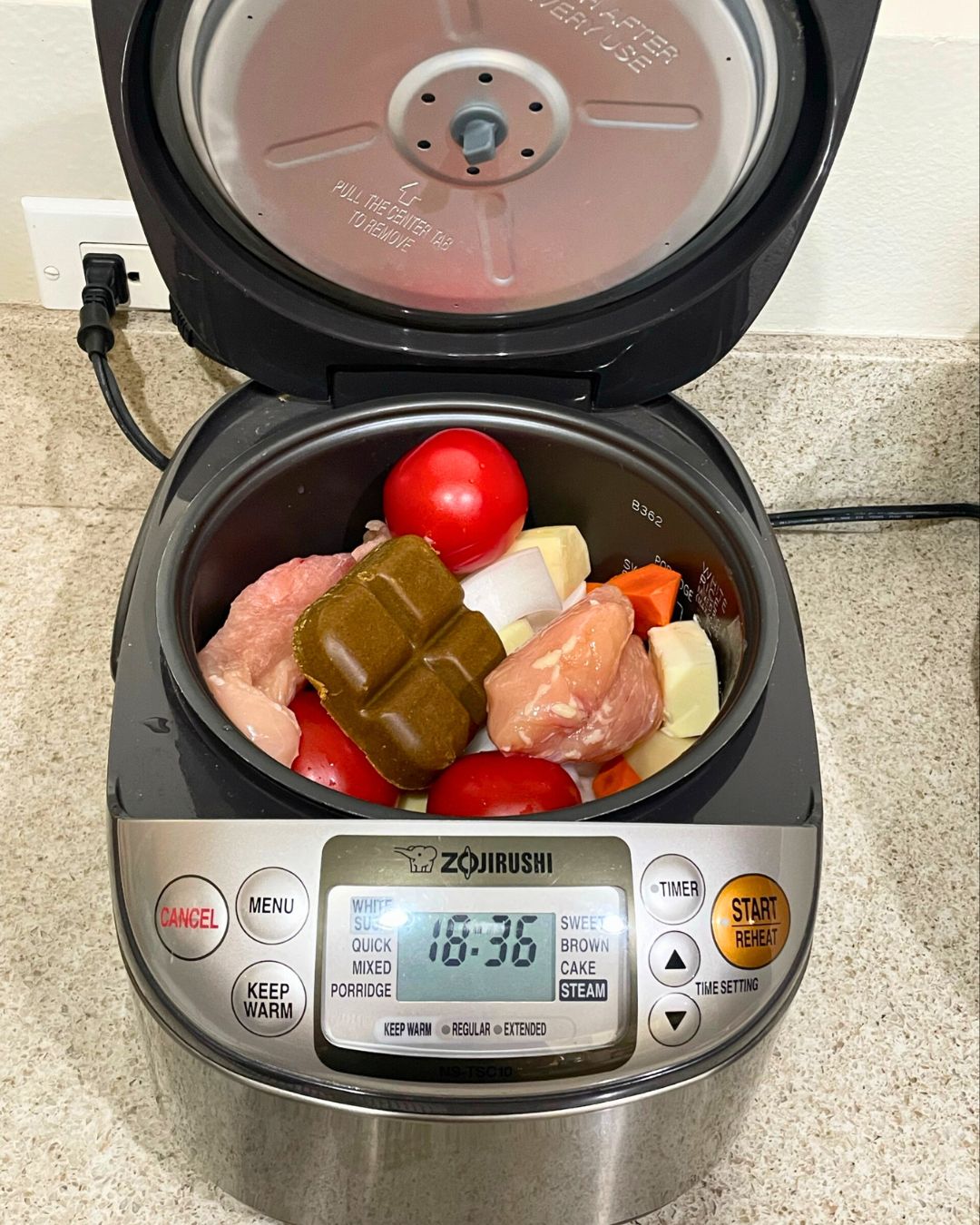
Many people dump everything into the pot at once, but layering is a secret weapon for even cooking. Hard, dense vegetables like potatoes and carrots should always go at the bottom, closest to the heat source. Meat should then be placed on top, where it can be bathed in the rising steam and liquid.
If you are concerned about an undercooked center in slow cooker meals, check your liquid levels. You need enough liquid to conduct heat, but too much will dilute the flavor and make the cooking process sluggish. A general rule I follow is to keep the liquid level covering about half the ingredients. This allows the top portion to steam gently while the bottom portion simmers, resulting in a perfectly cooked meal throughout.
Layering examples
- Root vegetables (potatoes, carrots, turnips): bottom layer.
- Onions and firmer vegetables: middle layer.
- Meat or delicate seafood: top layer.
- Leafy greens and quick-cook items: add near the end.
Liquid types and amounts
Use hot stock, canned tomatoes, or warmed sauces. Aim to cover about half the mass of the ingredients. For stews, start with 1 to 2 cups of liquid for a standard 6-quart slow cooker. Adjust for recipe and density. Remember: liquids move heat by convection and conduction. Hot liquid speeds up the safe rise in internal temperature.
Common Pitfalls to Avoid
It is incredibly tempting to peek at your food, but every time you lift the lid, you lose a massive amount of trapped heat. This drop in temperature can add twenty to thirty minutes of extra cooking time for each lift. If you are struggling with an undercooked center in slow cooker meals, you might be losing too much energy by opening the lid.
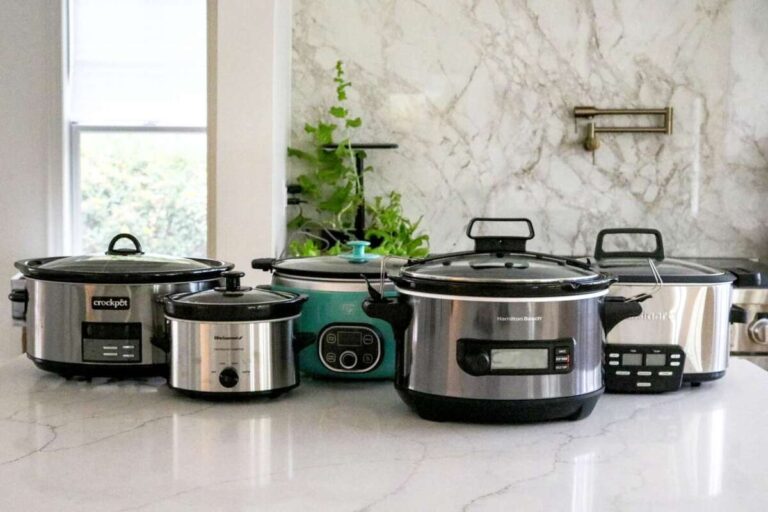
I also recommend checking your specific slow cooker’s wattage. Some older models have hot spots or lower heat outputs that can contribute to uneven cooking. Once you know your appliance, you can adjust your cooking times accordingly. Forgetting to preheat or overstuffing the pot are the two most common culprits, so keep those in check to ensure a delicious, fully cooked dinner.
Appliance checks and fixes
- Read the manual for max fill lines. Do not overfill.
- Note if your unit runs hot or cool. Try a test water boil to learn its pace.
- If a model has known cold spots, place dense items closer to the sides.
- Replace old gaskets or lids that no longer seal well.
Thawing and food safety
Do not cook large frozen cuts in a slow cooker. Frozen meat delays safe cooking. Thaw in the fridge first. If you must use frozen, break it into smaller pieces. Use a meat thermometer to check internal temps often. For safety: poultry should reach 165°F, ground meats 160°F, and whole cuts of pork or beef should reach at least 145°F, then rest. These targets help you avoid foodborne illness and undercooked centers.
Frequently Asked Questions of how to avoid undercooked center in slow cooker meals
Can I fix an undercooked center once the timer goes off?
Yes, you can simply stir the contents to distribute the heat, add a splash of hot liquid if needed, and continue cooking on high for another thirty minutes. Ensure the internal temperature of the meat has reached a safe level before serving.
Does the shape of the slow cooker affect cooking evenness?
Round slow cookers often have a more concentrated heat source, while oval ones can sometimes have cooler spots in the center. Knowing your shape helps you adjust where you place your most dense ingredients.
Should I always use the high setting to avoid undercooked food?
Not necessarily, but using the high setting for the first hour of cooking can help bring the contents to a simmer quickly. You can then switch to low to finish the meal gently without worrying about an undercooked center.
Does overcrowding really lead to an undercooked center in slow cooker meals?
Yes, filling the slow cooker to the brim prevents heat from circulating effectively through the center. Always keep your ingredients below the maximum fill line indicated by the manufacturer to ensure proper cooking.
Is it safe to cook frozen meat in a slow cooker?
It is generally discouraged because the meat stays in the danger zone for too long before reaching a safe temperature. Thawing your meat beforehand is a much safer way to prevent an undercooked center in slow cooker meals.
How to test for doneness without cutting the meat?
Use a probe or instant-read thermometer. Insert it into the thickest part. Avoid touching bone. Check the temperature against safe targets. If it is not there, keep cooking in 15–30 minute increments and recheck.
Conclusion
Mastering the slow cooker is all about respecting the process and understanding the dynamics of low-and-slow heat. By focusing on uniform ingredient sizes, proper layering, and avoiding the urge to peek, you can consistently serve meals that are tender and cooked through. Remember that every slow cooker behaves slightly differently, so use these tips as your foundation while you get to know your own appliance. Take the guesswork out of your next meal, apply these techniques, and enjoy the peace of mind that comes with a perfectly cooked dinner. Now that you have these expert insights, why not try a new recipe tonight and see the difference for yourself? If you found these tips helpful, share this guide with a friend or leave a comment below with your own slow cooker success story.

Appliance Review Expert
Lucas Ramirez is a trusted voice at HomeFixGrid.com, known for his clear, practical, and creatively written guides that simplify appliance care for everyday homeowners. With a strong focus on hands-on testing and real-world problem-solving, Lucas brings expert insight into appliance reviews and troubleshooting techniques. Her work empowers readers to confidently maintain, repair, and choose the right appliances for their homes.