
How To Prevent Slow Cooker Food From Tasting Metallic: 2026 Tips
To prevent your slow cooker food from tasting metallic, avoid using reactive metal utensils, ensure your ceramic insert is intact, and replace old, damaged pots.
I have spent years perfecting my Sunday pot roast, and I remember the frustration of pulling a meal out of the slow cooker only for it to have an off-putting, tinny flavor. That metallic taste is surprisingly common. It often comes down to how acidic ingredients interact with the finish inside your appliance. Understanding how to prevent slow cooker food from tasting metallic is essential for anyone who values a true set-and-forget meal. With a few simple habits, you can make sure each dish tastes as you intended.
:max_bytes(150000):strip_icc()/Simply-Recipes-Slow-Cooker-Meatballs-LEAD-1-dd4d52e9cdd142b8acc3ac896d1203f6.jpg)
Identifying the Source of the Metallic Flavor
The most frequent culprit behind a metallic taste is a compromised ceramic or stone insert. Over time, the glaze on the interior of your slow cooker can develop hairline cracks. These cracks often come from thermal shock or from using metal utensils. When the glaze cracks down to the base material, acidic ingredients—like tomatoes, wine, or vinegar—can react with minerals in the pot. That reaction can leach a distinct metallic note into your food.
Another common issue is using metal spoons to stir or serve right from the pot. I learned the hard way that a stainless steel ladle can scrape the bottom and make tiny scratches. Those small marks are often invisible. Yet they allow acids to touch the raw material. The result is a tinny taste. To prevent this, use silicone, wood, or high-heat nylon utensils. These protect the surface and help keep that metallic taste away.
Cleaning and Maintenance Best Practices
Good cleaning matters. Harsh scrubbers, such as steel wool or coarse pads, act like sandpaper. They wear down the protective glaze on your insert. Instead, soak the insert in warm, soapy water. Let food loosen naturally. Then wipe with a soft sponge. This cleans well without harming the finish.
Also, let your insert cool before washing. Running cold water over a hot ceramic pot can cause micro-fractures. Over time, these tiny cracks add up and affect flavor. Treating your equipment gently protects the taste of your food and extends the life of your slow cooker.

Ingredients that Trigger Chemical Reactions
Certain ingredients are more likely to pull out a metallic taste. High-acid foods are the main offenders. If your recipe uses a lot of tomato paste, citrus juice, vinegar, or wine, watch the condition of your slow cooker insert. Acid speeds up any reaction between food and exposed base materials.
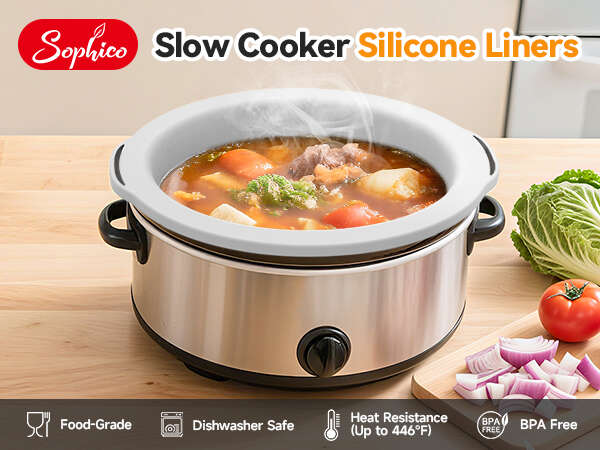
If you suspect your appliance is near the end of its life, try a heat-safe slow cooker liner. A liner creates a barrier between your food and the vessel. It prevents chemical reactions that cause off-flavors. I use liners when I test new, highly acidic sauces that might otherwise react with older surfaces.

Frequently Asked Questions of how to prevent slow cooker food from tasting metallic
Does the age of a slow cooker affect taste?
Yes. Older slow cookers often have glazes or coatings that wear down. Over years of use, the interior loses its non-reactive properties. If your device is decades old, the surface may be worn. That makes a metallic taste more likely.
Can I fix a scratched ceramic insert?
Unfortunately, no. Once the glaze is scratched or chipped, it cannot be safely repaired for food contact. The best option is to buy a replacement insert or a new slow cooker. That way you avoid eating micro-particles of the coating.
Is it safe to eat food that tastes metallic?
Usually, a metallic taste comes from a chemical reaction, not immediate toxicity. Still, it is unpalatable. If the taste comes from a damaged finish, you should avoid using that insert for cooking. Replacing it prevents long-term exposure to worn material.
Do aluminum inserts cause metallic tastes?
Yes. Aluminum is reactive. It can give acidic foods a metallic flavor. Most modern slow cookers use ceramic or treated non-stick materials. But older, vintage models may use metal parts. Those should be retired if you cook a lot of acidic dishes.
Why does my food taste metallic only sometimes?
This often happens when you cook acidic dishes in a pot with minor, unseen scratches. When you make low-acid foods, the reaction does not occur. That is why the issue can seem inconsistent.
Mastering Your Slow Cooking Experience
Maintaining meal quality is about respecting your tools. Avoid harsh abrasives. Use non-reactive utensils. Monitor the condition of your ceramic insert. These small steps stop the metallic flavor before it starts. Prevention is easier than masking a ruined dinner with extra seasoning.
Now that you have the knowledge to troubleshoot and maintain your appliance, you can return to enjoying the convenience of effortless cooking. I encourage you to inspect your own slow cooker today to see if a simple change in tools or cleaning habits can elevate your next meal. If you found these tips helpful, please share this guide with a friend or leave a comment below about your favorite slow cooker success story.
Quick checklist to prevent metallic taste in your slow cooker
- Use silicone, wood, or nylon utensils only. Avoid metal contact with the insert.
- Soak and hand-wash the insert. Do not use steel wool or coarse scouring pads.
- Let the insert cool before washing to prevent thermal shock.
- Limit cooking very acidic recipes in old or scratched inserts.
- Use heat-safe slow cooker liners for highly acidic sauces.
- Replace inserts that show chips, deep scratches, or worn glaze.
How to test if your slow cooker causes metallic taste
Do a simple test. Cook a plain, low-acid dish like water with a bit of salt for an hour on low. Let it cool, then smell and taste a small spoonful. If you notice a metallic note, the insert or coating may be compromised. Repeat with an acidic mix (tomato sauce diluted with water). If the acidic mix tastes worse, that points to a reaction with the surface.
Best utensils and liners to use
Choose utensils labeled heat-safe and non-abrasive. Silicone spoons and spatulas resist heat and will not scratch glaze. Wooden spoons work too, but they can stain and retain odors. High-heat nylon is a budget-friendly option. For liners, pick brands labeled oven- or heat-safe and made for slow cookers. Liners are not a permanent fix, but they are a useful barrier while you shop for a new insert.
When to replace your slow cooker insert
Replace the insert if you see chips, deep scratches, or widespread crazing (a network of fine cracks in the glaze). If a simple water test (above) gives a metallic taste, replace it. Also consider replacement if the cooker is more than 8–10 years old and used heavily. Newer models often have safer, more durable glazes and non-stick coatings.
Quick fixes if your food tastes metallic
If a finished dish has a slight metallic note, try transferring the food to a non-reactive container right away. Glass or stainless steel (not reactive aluminum) are good choices. Rebalance flavors with a touch of sweetness (a small amount of sugar or honey) or dairy (cream or yogurt) when the recipe allows. These tricks can mask a faint off-flavor but do not fix a damaged insert. If the taste is strong, discard the food and stop using that insert.
Other useful terms and related ideas
Understanding a few terms helps. Leaching means minerals or compounds move from the pot into food. Thermal shock is rapid temperature change that can crack glaze. Reactive metals (like aluminum) interact with acids. Non-reactive materials include ceramic, glass, and certain stainless steel grades. When you spot these words in manuals or product labels, you will know what they mean for flavor and safety.
These additions should give you a practical, step-by-step path to prevent metallic flavors. Small changes in tools and cleaning habit make a big difference. Cook with confidence and enjoy meals that taste like you intended.

Appliance Review Expert
Lucas Ramirez is a trusted voice at HomeFixGrid.com, known for his clear, practical, and creatively written guides that simplify appliance care for everyday homeowners. With a strong focus on hands-on testing and real-world problem-solving, Lucas brings expert insight into appliance reviews and troubleshooting techniques. Her work empowers readers to confidently maintain, repair, and choose the right appliances for their homes.