How To Prevent Slow Cooker Meals From Burning Bottom: 2026 Guide
To prevent slow cooker meals from burning, ensure you add enough liquid, layer denser ingredients at the bottom, and avoid overcrowding the appliance.
We’ve all been there. I once spent the morning prepping a stew and came home to a crusty, scorched mess stuck to the bottom of the ceramic insert. It ruined dinner and made cleanup a nightmare. Over years of testing recipes and tools, I learned that preventing slow cooker meals from burning on the bottom comes down to heat, moisture, and placement. The heating element sits under the stoneware, so how heat moves and how moisture behaves are the keys to consistent results. Below I share practical tips, quick fixes, and things I do to stop burning, keep flavors intact, and make cleanup easy.
The Science Behind Hot Spots
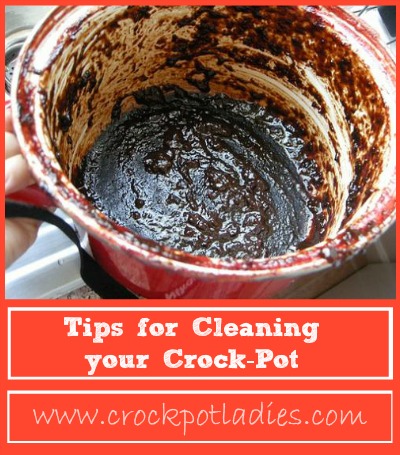
Slow cookers heat from the base. The heating element sits under the ceramic insert. That means the bottom runs hotter than the sides and the lid. If the pot or the food runs short on moisture, sugars and tomato solids will caramelize. Over time they scorch and stick. This is common if you lift the lid often. Each peek lets steam escape. Less steam means faster drying and higher surface temps. Cooking on high for too long can do the same thing.
Think about conduction and evaporation. Heat travels from the base into dense food first. Evaporation cools surfaces, so trapped steam helps protect ingredients from burning. When moisture drops, direct heat and sticky sugars hit the ceramic. They burn.
Smart Layering Techniques
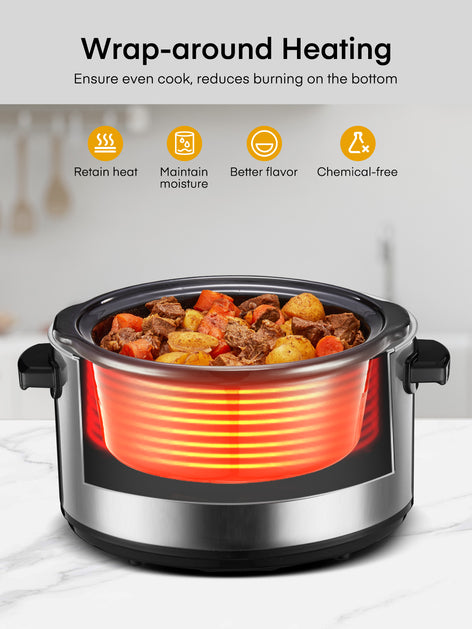
How you arrange ingredients matters a lot when you want to prevent slow cooker meals from burning bottom. Treat the slow cooker like a small oven that cooks from the bottom up. Start with hard, dense vegetables—carrots, potatoes, turnips, and onions—at the bottom. These roots take direct heat well. They form a heat buffer for proteins placed above them.
Put meats and delicate items on top. This keeps juices from hitting the hot ceramic directly. It also helps the meat braise in steam, not sear on the base. If you are adding dense cuts like pork shoulder or beef chuck, nestle them into the vegetable bed so heat moves more evenly.
Layering examples I use
- Beef stew: potatoes and carrots on bottom, then beef, then liquid and aromatics.
- Whole chicken: thick root veg under the bird, lemon and herbs inside, light stock around it.
- Fish or seafood: place on top of soft veggies or a reusable steaming rack to keep them off the base.

The Importance of Proper Liquid Ratios
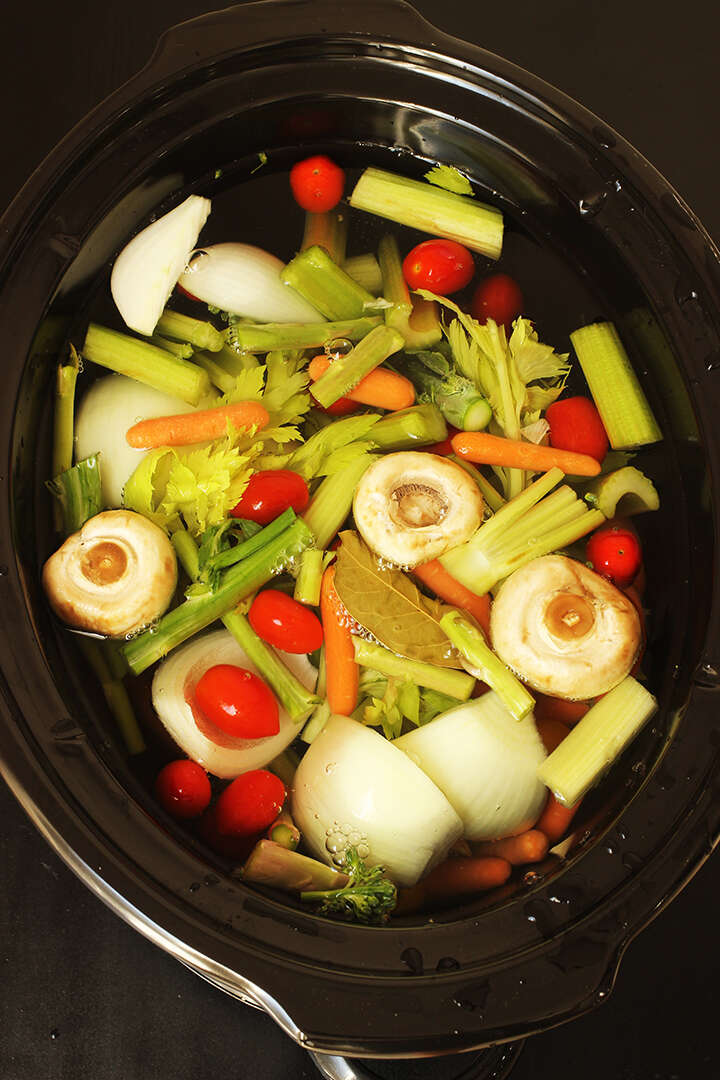
Many cooks assume a slow cooker traps moisture perfectly. That is not true. Some steam still escapes. Evaporation happens slowly but it adds up. To prevent slow cooker meals from burning bottom, always add enough liquid. Aim to cover at least half of the ingredients with broth, stock, wine, or a thinned sauce.
Thick, sugary sauces are a common culprit. Barbecue sauce, marmalade glazes, and dense tomato sauces will caramelize fast. If you love those flavors, thin them first with a little water, stock, or vinegar. This lowers the sugar concentration touching the ceramic. It reduces the risk of a burnt crust.
Liquid ratio quick guide
- Soups and stews: enough liquid to cover most solids (about half to two-thirds full).
- Roasts: 1/2 to 1 cup of stock for moisture and basting; add more if sauce is thick.
- Saucy dishes: thin sauces 10–25% with water or stock, depending on sweetness and thickness.
:max_bytes(150000):strip_icc()/faw-slow-cookers-oct-24-test-cuisinart-cook-central-3-1-4qt-multicooker-nsimpson-182-1-1-a7ea4d10afd44f4ca91e37a7e5256b8c.jpeg)
Essential Tips for Success
Here are the rules I rely on to avoid scorch and sticky messes. Follow them and your slow cooker will reward you.
- Resist the urge to peek. Lifting the lid lets heat and steam escape. Each peek forces the cooker to reheate and dries the surface.
- Aim for the right volume. A slow cooker that’s only half full heats up much faster and can scorch. Fill between half and three-quarters full for even cooking.
- Use low instead of high when in doubt. High settings heat faster and can scorch when liquid is marginal. Low gives gentler, safer cooking.
- If your cooker runs hot, create a small air gap. Place a trivet, heat-safe ring, or a metal rack in the base so food doesn’t sit directly on the hottest spot.
- Thin sweet sauces and stir when possible. If the recipe calls for a glaze or sugar-heavy sauce, dilute it and stir once or twice during a long cook when safe to do so.
- Use liners or parchment for sticky dishes. A parchment sheet or slow cooker liner can be a helpful barrier for very sugary or caramelizing dishes.
Troubleshooting: Common Causes and Fixes
If you get a scorched bottom, try these quick fixes and checks before blaming the appliance.
- Scorched sugars: Thin sauce next time and reduce cooking temperature.
- Food stuck to bottom: Soak the insert in warm, soapy water for 30 minutes, then scrub gently. For stubborn patches, use a paste of baking soda and water.
- Device runs hot: Test with water. Run the cooker on low with 2–3 cups of water for 2–3 hours. If it boils or reduces quickly, the unit may run hot and need that trivet trick or a replacement.
- Uneven cooking: Check fill level and layer. Dense veg on bottom, protein on top. Re-balance in future cooks.
Frequently Asked Questions of how to prevent slow cooker meals from burning bottom
Can I use parchment paper to stop burning?
Yes. A sheet of parchment at the bottom acts as a barrier. It prevents direct contact between sticky food and the hot ceramic. For dense, sugary dishes, I often use a parchment layer or a slow cooker liner. Both cut down on sticking and make cleanup faster.
Does the temperature setting affect burning?
Yes. High setting heats faster and can scorch if liquid is low or the cooker is crowded. If you worry about burning, choose low and cook longer. Low gives safer, more even results. Reserve high for short cooks or when the recipe calls for a quick finish.
Why does my sauce turn into a burnt crust?
Sauces often contain sugar, tomato paste, or concentrated solids. These caramelize when in direct contact with heat. To avoid a burnt crust, stir sauces when safe, thin them with stock or water, and keep a liquid layer between sauce and ceramic.
Is it safe to leave a slow cooker unattended?
Modern slow cookers are built for unattended use. Still, place them on a heat-resistant surface and keep them away from curtains and flammable items. If your unit has a history of running hot or burning recipes, check it once midway to confirm liquid levels and placement.
How full should my slow cooker be?
For best results, fill between half and three quarters full. Overfilling gives uneven cooking and may trap steam poorly. Underfilling increases the chance of scorching because the pot warms faster and there is less buffering material between food and the base. For more on even casseroles, see this guide: how to cook casseroles evenly in slow cooker.
Conclusion
Preventing a burnt slow cooker dinner is simple with a little planning. I now layer dense roots on the bottom, add enough liquid, avoid constant peeks, and use low heat for long cooks. If a unit runs hot, add a trivet or a thin barrier. These small steps stop sugars from caramelizing on the ceramic and keep meals tender and juicy.
Try these tips on your next recipe tonight. Your slow cooker can be your easiest, most reliable appliance when you respect heat, moisture, and placement. If you have questions or a stubborn recipe that keeps burning, share it in the comments—I’m happy to help troubleshoot.

Appliance Review Expert
Lucas Ramirez is a trusted voice at HomeFixGrid.com, known for his clear, practical, and creatively written guides that simplify appliance care for everyday homeowners. With a strong focus on hands-on testing and real-world problem-solving, Lucas brings expert insight into appliance reviews and troubleshooting techniques. Her work empowers readers to confidently maintain, repair, and choose the right appliances for their homes.