How To Use Slow Cooker On Power Outage Safely: Safety Tips
Use a generator or a high-capacity inverter and follow food-safety rules to cook safely.
I’ve spent years testing small appliances and prepping for outages. This guide explains exactly how to use slow cooker on power outage safely. I’ll cover safe power options, food-safety timing, step-by-step setup, common mistakes, and real-life tips I learned the hard way. Read on to keep your food hot, your family safe, and your slow cooker useful during an outage.
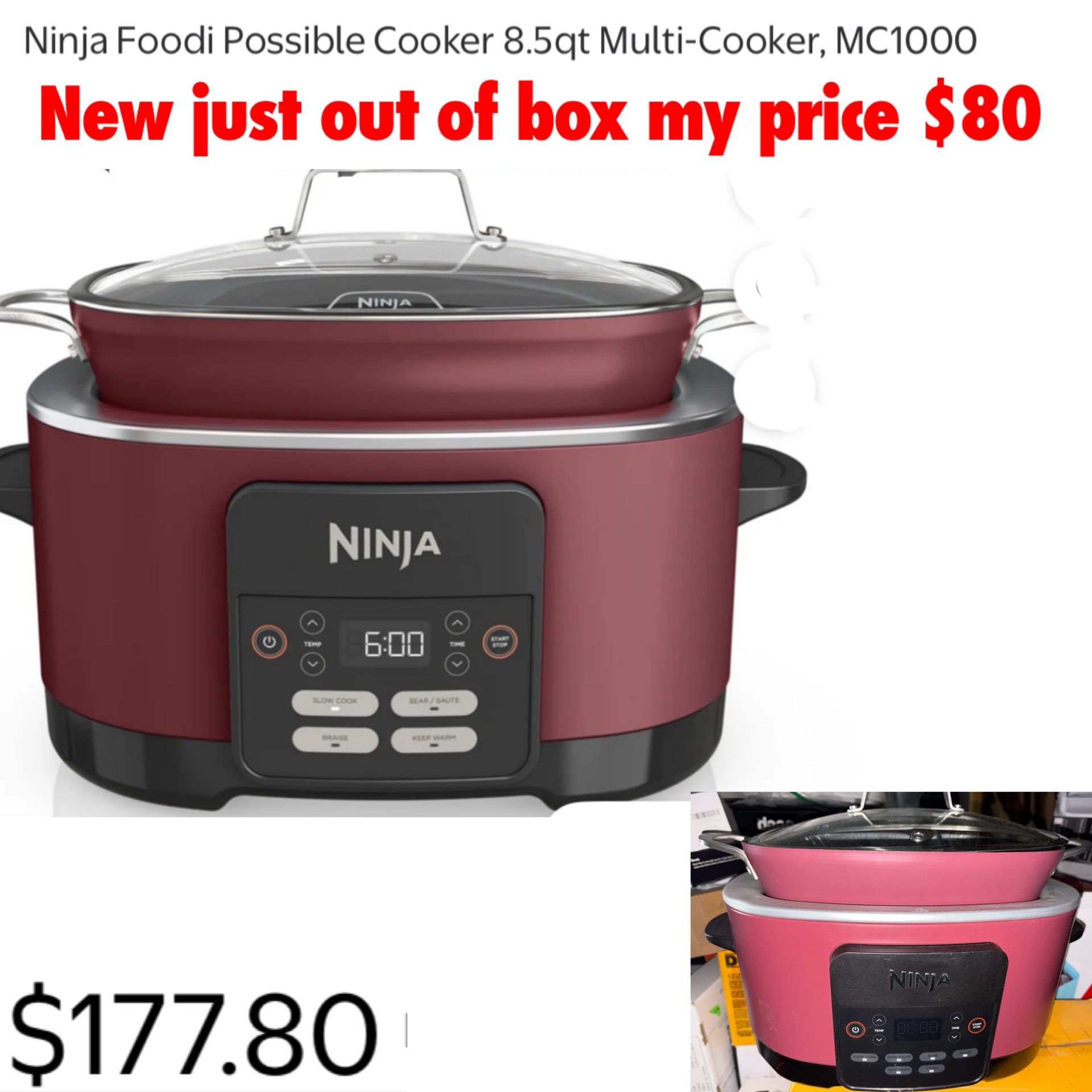
Why use a slow cooker during a power outage?
A slow cooker is low-power, insulated, and made to hold heat. It can keep food hot longer than many other appliances. Using a slow cooker during a power outage can reduce waste and provide warm meals with little fuss.
A slow cooker can be safe and efficient when you know how to use slow cooker on power outage safely. It uses steady heat and is easy to pair with a generator, inverter, or battery setup. This makes it a reliable choice for many households.

Basic safety principles to follow
Keep rules simple. Safety beats convenience every time.
- Keep food out of the temperature danger zone. Food should stay above 140°F (60°C) once fully cooked.
- Avoid opening the lid often. Each opening drops the internal temp and lengthens cook time.
- Use certified power devices. Use a generator or inverter rated for continuous loads above the slow cooker’s wattage.
- Never run gas generators in enclosed spaces. Carbon monoxide kills silently.
When you learn how to use slow cooker on power outage safely, you must treat the cooker like any heat source. Plan ahead and keep basic tools on hand: a food thermometer, gloves, extension cords rated for outdoor use, and a sturdy table.
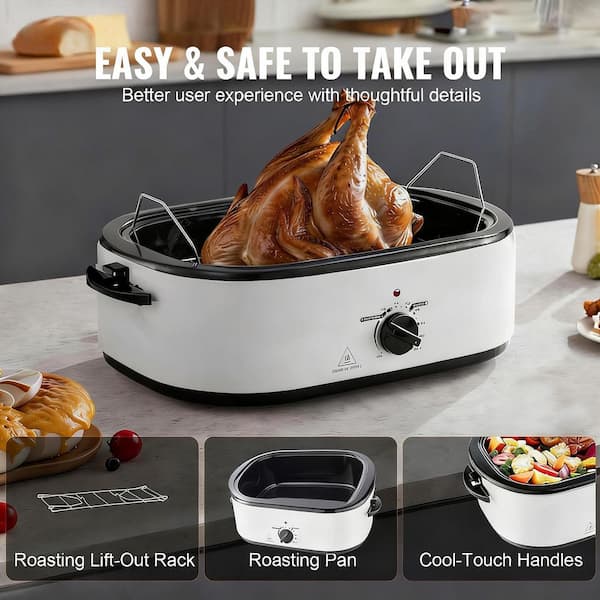
Using a slow cooker with alternative power sources
You have several safe options. Pick one that matches your skill and gear.
Generator
- Use a generator with enough continuous wattage for your slow cooker plus any other essentials.
- Place the generator outdoors, away from doors and vents. Use a heavy-duty outdoor extension cord.
Inverter or deep-cycle battery
- Use a pure sine wave inverter and a good battery bank sized for the slow cooker load.
- Match the inverter’s continuous watt rating to the slow cooker’s wattage plus 20% margin.
Portable power station
- Many modern power stations can run slow cookers. Confirm the sustained watt output and run time.
- Look for models with AC outlets and ratings for continuous loads.
Car-based inverter
- Use only high-capacity inverters and a running vehicle if needed. Monitor battery and engine heat.
- Avoid long runs without charging. This strains the vehicle battery and alternator.
Safety tips for power sources
- Never modify cords or use DIY adapters.
- Keep fuel and batteries stored safely and away from cooking areas.
- Ground and secure generators if instructions require it.
Using these methods helps you understand how to use slow cooker on power outage safely without risking equipment or health.

People also ask
What size generator do I need for a slow cooker?
- Most slow cookers draw 200 to 300 watts, so a small 1000-watt generator covers one cooker and a few small devices.
Can I run a slow cooker on a battery alone?
- Yes, with a large battery bank and a pure sine wave inverter. Expect several hours of cooking depending on battery size.
Is it safe to cook raw meat in a slow cooker during an outage?
- Only if you can maintain stable heat above 140°F and bring meat to proper internal temps. If you can’t maintain heat, pre-cook before an outage.

Source: npr.org
Food safety: keep food safe and avoid spoilage
Food safety is the most important concern. Follow clear rules.
- Cook food to safe internal temperatures. Poultry 165°F, ground meat 160°F, whole cuts 145°F with rest time.
- If power cuts mid-cook and the slow cooker cools below 140°F for more than 2 hours, discard per standard food safety guidance.
- Use a digital probe thermometer to verify final temperatures. Don’t rely on time alone.
- For long outages, pre-cook and keep food in insulated containers if you cannot maintain heat.
If you plan to use the slow cooker for warming only, heat food quickly above 165°F and then keep it above 140°F. This reduces the risk of bacterial growth and shows how to use slow cooker on power outage safely in practice.
Step-by-step guide: how to use slow cooker on power outage safely
Follow this clear plan before and during an outage.
Before an outage
- Check wattage of your slow cooker. Note it on a card near the appliance.
- Test your generator/inverter with the slow cooker running. Watch voltage and heat.
- Stock basic supplies: thermometer, gloves, extra fuel, long grill mitts, and a sturdy table.
During an outage
- Place the slow cooker on a stable, well-ventilated surface.
- Connect to your power source with rated cords. Start the power source first.
- Preheat the slow cooker if possible. Add food and set to low for long cooks or high for quick heat.
- Use a probe thermometer to check temps. Keep lid closed to conserve heat.
- If power fails, keep lid closed and monitor temperature. If cold for over 2 hours, discard.
After cooking
- Turn off and disconnect the power source safely.
- Store leftovers in shallow containers and refrigerate or cool quickly.
- Clean the unit thoroughly. Remove any grease or food trapped in seals.
This clear sequence helps you use slow cooker on power outage safely and lowers risk.
Common mistakes and troubleshooting
People make repeatable errors. Avoid them.
- Mistake: Using under-rated extension cords. Result: voltage drop and slow cooking.
- Mistake: Opening the lid frequently. Result: long cook times and unsafe temps.
- Mistake: Running a generator indoors. Result: carbon monoxide risk.
- Mistake: Ignoring wattage specs. Result: tripped breakers or damaged devices.
Quick fixes
- Use shorter, heavier cords to reduce voltage drop.
- Switch to high for the first hour or two to reach safe temps faster.
- If the cooker won’t heat on inverter power, test a simpler resistive load like a lamp to confirm inverter output.
These simple corrections make it safe and reliable when you need to use slow cooker on power outage safely.

Personal experience and lessons learned
I once faced a 48-hour outage after a storm. I ran a slow cooker on a small generator. I learned three big lessons.
- Always test gear before you need it. My first run showed my extension cord was undersized. I replaced it and avoided a melted plug.
- Use a thermometer. I nearly undercooked a stew until the probe showed 175°F. That saved us from food risk.
- Keep spare fuel and run the generator away from windows. Noise is one issue; carbon monoxide is the dangerous one.
These simple steps come from real experience. They show how to use slow cooker on power outage safely while keeping calm.
Frequently Asked Questions of how to use slow cooker on power outage safely
Can I run a slow cooker on a small generator?
Yes. Most slow cookers use 200–300 watts. A small generator of 1000 watts or more is usually enough. Always check the device specs first.
How long will a battery/inverter run a slow cooker?
Run time depends on battery capacity and inverter efficiency. Expect several hours on a large battery pack. Test your setup before an emergency.
Is it safe to keep food in the slow cooker after power comes back?
If the cooker kept food above 140°F, it is safe to leave it for a short time. Use a thermometer to confirm safe temps before serving.
What if my slow cooker stops heating during an outage?
Keep the lid closed and switch to an alternate power source if possible. If food stays below 140°F for more than 2 hours, discard it.
Can I use a crockpot on a propane generator?
Yes, as long as the generator provides clean AC power and sufficient wattage. Always place the generator outdoors and follow safety rules.
Conclusion
You can safely use a slow cooker during a power outage with the right gear and mindset. Plan ahead, pick the right power source, monitor temperatures, and follow food-safety rules. Take action now: test your generator or inverter, pack a small emergency kit with a digital thermometer, and practice a dry run. If this guide helped, subscribe, leave a comment with your outage tips, or share your experience.

Appliance Review Expert
Lucas Ramirez is a trusted voice at HomeFixGrid.com, known for his clear, practical, and creatively written guides that simplify appliance care for everyday homeowners. With a strong focus on hands-on testing and real-world problem-solving, Lucas brings expert insight into appliance reviews and troubleshooting techniques. Her work empowers readers to confidently maintain, repair, and choose the right appliances for their homes.