Can I Defrost Bacon In The Microwave: The Best 2026 Guide
Yes, you can safely defrost bacon in the microwave as long as you use a low power setting.
We have all been there: the frying pan is hot, the eggs are ready, but your bacon is still a solid, icy brick pulled straight from the freezer. Knowing how to defrost bacon in the microwave is a practical kitchen skill that can save breakfast on busy mornings. From years of hurried morning cooking, I can tell you the microwave is a huge time-saver. But it needs the right technique. Do it wrong and you get rubbery edges or half-cooked strips. Do it right and you get evenly thawed bacon that fries up crispy and delicious. This guide shows safe, fast steps to thaw bacon without losing texture or safety.

Why Microwaving is a Convenient Thawing Method
When time is short, waiting hours for meat to thaw in the refrigerator is often not an option. Defrosting bacon in the microwave is a fast alternative. Bacon is thin and fatty. It heats and thaws differently from a dense roast or a whole chicken. That makes microwaving effective if you manage power and time.
The main benefit is speed. If you have ever tried to pry apart frozen bacon slices, you know how frustrating it can be when they snap into jagged pieces. A few careful bursts in the microwave soften the block enough to separate the strips cleanly. That reduces the uneven cooking you get when you toss a frozen clump into a skillet.
When to choose microwave thawing vs refrigerator thawing
Use the microwave when you need bacon in minutes. Use the fridge when you plan ahead. Thawing in the refrigerator (set at 40°F / 4°C or below) is safest and keeps texture best. The microwave is a great second option. It’s safe when you cook the bacon immediately after thawing.
Tools and prep that help
- Microwave-safe plate or tray.
- Paper towels to absorb moisture and fat.
- Tongs or a fork to separate slices.
- A kitchen thermometer (optional) to check final cooked temp if you’re unsure.
The microwave is a tool. Used correctly, it shortens prep time and keeps quality. Used poorly, it ruins texture. Keep the steps simple and you’ll get reliable results.
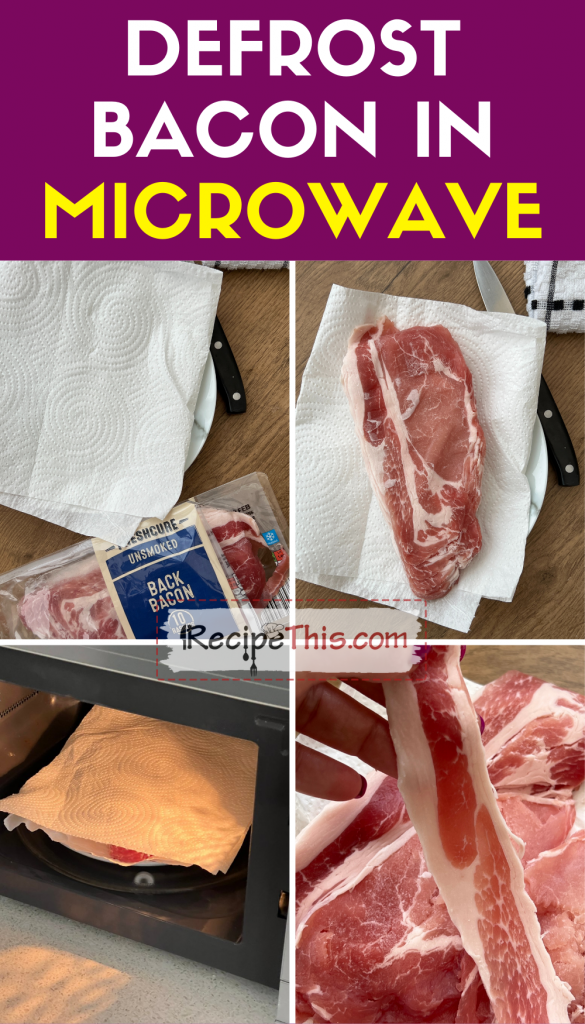
How to Safely Defrost Bacon in the Microwave
Microwaves pulse heat. That can make edges cook while the center stays frozen. The trick is low power, short bursts, and close attention. Follow these steps for the best and safest thaw.
- Place the frozen bacon on a microwave-safe plate lined with paper towels to absorb excess moisture.
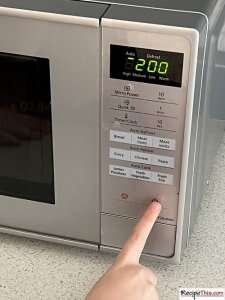
- Select the defrost setting or manually adjust the power level to 30 percent or 50 percent. High heat will start cooking the bacon unevenly, which is exactly what we want to avoid.
- Microwave the bacon in short intervals of 30 to 45 seconds.
- Flip or rotate the slices between each interval to distribute the heat.
- Stop once the slices are pliable enough to be pulled apart, even if they still feel slightly cool to the touch.
Step-by-step with practical tips
1) Lay the frozen pack flat on a plate. If the strips are still stuck together, arrange the block so the seams face up.
2) Use the microwave’s defrost function or set power to 30–50%. If your microwave shows time only, start with 30–45 seconds.
3) After each interval, check and peel any loosened slices. Rotate the plate to expose different areas to the magnetron. Remove fully thawed slices and cook them first if needed.
4) When slices separate easily, transfer them to a hot skillet. Cook immediately to finish the job and to meet food safety guidance.
Microwave wattage and timing guide
Microwave wattage changes how long you need. These are rough guides for one pound (450 g) of bacon that is in a single block or tightly packed.
- 700W microwave: total 3–5 minutes in short bursts.
- 900W microwave: total 2–4 minutes in short bursts.
- 1100W+ microwave: 2–3 minutes, check after every 30 seconds to avoid cooking.
Adjust times based on how your microwave performs. Always use low power and short intervals.
Once you have defrosted the bacon enough to separate the slices, move them to the pan immediately. Cooking right away is important for food safety and flavor. The USDA recommends cooking thawed meat promptly to avoid temperature zones where bacteria can grow.
Common Mistakes to Avoid
I have hit the high button in a rush more than once. The result is a splattered microwave and bacon with cooked gray edges and a frozen center. Avoid that by keeping power low and watching closely.
Moisture control matters. If you defrost bacon without paper towels, it will sit in a puddle of fat and water. That can poach the meat and make it hard to get crispy. Always use clean, absorbent towels and don’t leave the meat unattended.
Other common errors
- Using full power. This cooks instead of thaws.
- Leaving bacon in the microwave too long. It will overcook or dry out.
- Trying to refreeze bacon that has thawed completely and sat at room temperature. That can compromise safety and quality.
- Not cooking immediately after thawing. Bacteria grow faster in the temperature danger zone (40–140°F / 4–60°C).
How to salvage bacon that started to cook while defrosting
If some slices start to cook, remove them and finish the rest in the skillet. That evens out texture. If most of the pack began to cook, finish cooking all slices in the pan rather than returning them to the freezer.
Frequently Asked Questions of can i defrost bacon in the microwave
Is it safe to defrost bacon in the microwave if it has been frozen for a long time?
Yes. It is safe if the bacon was stored properly at 0°F (-18°C) or lower. Long freezing may affect texture slightly, but safety is fine. Thaw and cook immediately after microwaving. Don’t refreeze bacon that has fully thawed unless you cook it first.
Can I cook the bacon completely in the microwave after defrosting it?
Yes, you can. Microwave-cooked bacon can be tasty, though texture differs from pan-fried. Use a microwave-safe rack or layers of paper towels to lift the bacon so it doesn’t sit in grease. Turn slices once for even cooking. Expect a slightly different crisp than a skillet or oven.
What happens if I accidentally start cooking the bacon while defrosting?
If bacon starts to cook, remove the finished pieces and keep thawing the rest on low power. Finish cooking the partially cooked slices in a hot skillet to even out texture. Avoid overcooking during the thaw stage.
Does defrosting bacon in the microwave affect its taste?
Not significantly if you thaw at low power and stop when slices separate. High power or over-thawing can change texture and give a slightly processed or rubbery note. Proper technique preserves flavor and helps you get crisp edges when fried.
How long does it take to defrost bacon in the microwave?
For a standard one-pound package, expect about two to four minutes of total microwave time with short, low-power intervals. Time varies with microwave wattage and how tightly packed the bacon was. Always check often and stop when slices are pliable.
Quick safety checklist
- Thaw only as much as you’ll cook that day.
- Use low power (30–50%).
- Check every 30–45 seconds.
- Pat dry if needed to remove excess moisture.
- Cook immediately after thawing.
Conclusion
Knowing how to properly defrost bacon in the microwave is a real time-saver. With low power, short intervals, and close attention, you can move from freezer to frying pan without losing quality. The microwave is a helpful tool, but it doesn’t replace finishing on the stovetop if you want the best crispness. Use these tips, follow food-safety basics, and your bacon routine will be faster and more reliable. Start adding these steps to your morning prep and enjoy stress-free breakfasts every time. If you have a favorite prep trick or a kitchen hack for bacon, feel free to share it in the comments below!

Appliance Review Expert
Lucas Ramirez is a trusted voice at HomeFixGrid.com, known for his clear, practical, and creatively written guides that simplify appliance care for everyday homeowners. With a strong focus on hands-on testing and real-world problem-solving, Lucas brings expert insight into appliance reviews and troubleshooting techniques. Her work empowers readers to confidently maintain, repair, and choose the right appliances for their homes.