Is Microwave Cooking Bad For Your Health: Myths Vs Facts
Microwave cooking is generally safe when used correctly and with microwave-safe containers.
As someone who has worked in food labs and cooked in tiny apartments for years, I get this question all the time: is microwave cooking bad for your health? I’ll walk you through how microwaves work, what the research actually says, common worries like radiation and plastic leaching, and simple steps to keep microwave cooking safe and nutritious. Read on for clear evidence, practical tips, and real-world experience so you can decide with confidence.

How microwave ovens work
Microwave ovens heat food by using electromagnetic waves that make water molecules vibrate. That vibration creates heat and cooks the food from the inside out in many cases. To answer is microwave cooking bad for your health, you first need to know this is not the same as nuclear radiation. The waves do not make food radioactive.
Nutrition and microwaving
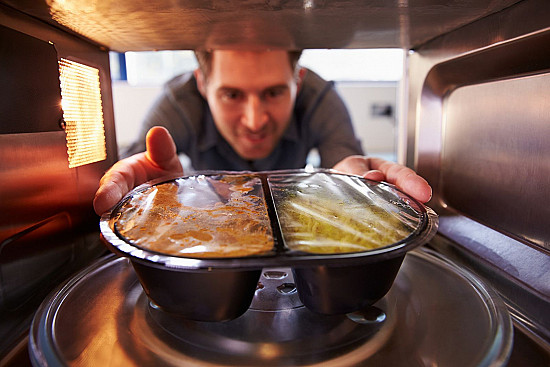
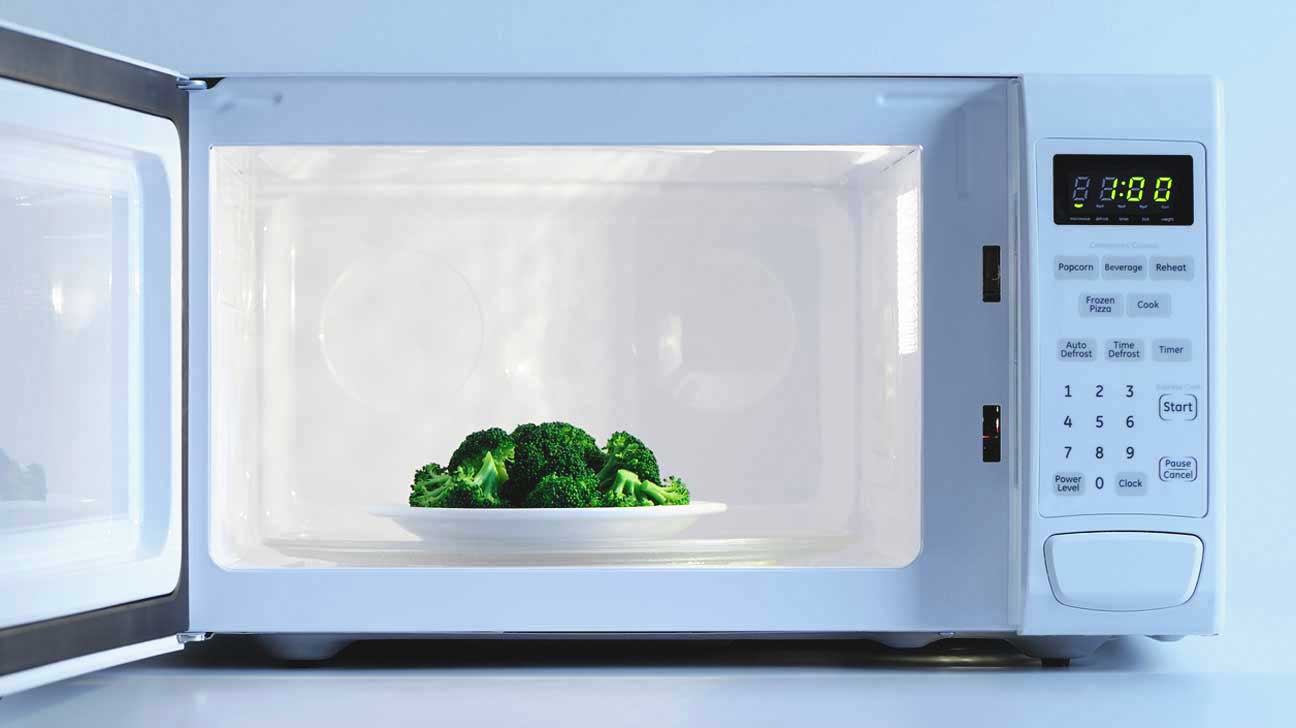
A big part of asking is microwave cooking bad for your health is concern about nutrient loss. Microwaving often preserves nutrients well because it cooks food quickly and uses little water. For example, microwaving vegetables with a lid or small amount of water can keep more vitamin C than boiling. Short cook times and minimal water protect vitamins and antioxidants.
src="https://ychef.files.bbci.co.uk/1280×720/p08kqzh7.jpg"
alt="Common health concerns”
style=”max-width: 100%; height: auto; border: 2px solid black; border-radius: 10px; display: block; margin: 0 auto;”
loading=”lazy”
/>
Common health concerns
When people ask is microwave cooking bad for your health, they usually mean one of these worries: radiation exposure, plastic chemicals, or uneven heating that could leave food unsafe.
-
Radiation exposure
Microwaves heat by non-ionizing radiation. That type cannot break molecular bonds like ionizing radiation can. Modern ovens must meet strict safety standards to prevent leaks, so direct harm from radiation is extremely unlikely. -
Chemical leaching from containers
The real risk comes when unsafe plastic or containers not labeled microwave-safe are used. Heat can cause some plastics to release chemicals into food. Using microwave-safe glass or ceramic prevents this. -
Uneven heating and food safety
Microwaves can create hot and cold spots. Cold spots can allow bacteria to survive. Stirring food, using covers, and following recommended stand times help ensure even heating and safe temperatures.
PAA-style question — Does microwaving cause cancer?
No. There is no credible evidence that microwaving food in approved ovens causes cancer. The main cancer-related concern is chemicals from certain plastics; avoiding those plastics removes that risk.

My experience and practical tips
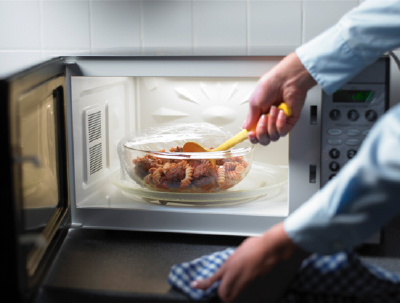
I’ve used microwaves in labs and at home for years. I’ve reheated soup, steamed veggies, and defrosted meat safely. From that experience, here are simple tips I use and recommend:
- Use only containers labeled as microwave-safe.
- Avoid single-use plastics, takeout containers, and plastic wrap that isn’t labeled for microwave use.
- Cover food with a vented lid or microwave-safe plate to reduce splatter and trap steam.
- Stir or rotate food halfway through cooking to reduce cold spots.
- Let food stand for a minute or two after heating to allow heat to even out.
These small habits answer many concerns linked to is microwave cooking bad for your health by cutting risks in everyday practice.
Myths debunked
Let’s clear up common myths tied to the question is microwave cooking bad for your health.
-
Myth: Microwaves make food radioactive.
Fact: They do not. Microwaves use non-ionizing radiation, which cooks by heating, not by changing atomic structure. -
Myth: Microwaving destroys all nutrients.
Fact: No. Microwaving often retains more nutrients than boiling because cooking times are shorter and less water is used. -
Myth: Any plastic in the microwave is safe.
Fact: Not all plastics are safe. Only use plastics marked microwave-safe or use alternatives like glass.
These facts are supported by lab data and safety standards. They help put the phrase is microwave cooking bad for your health into a realistic and evidence-based frame.
Best practices for safe microwave cooking
Follow these steps to reduce health risks and get better results.
-
Choose the right container
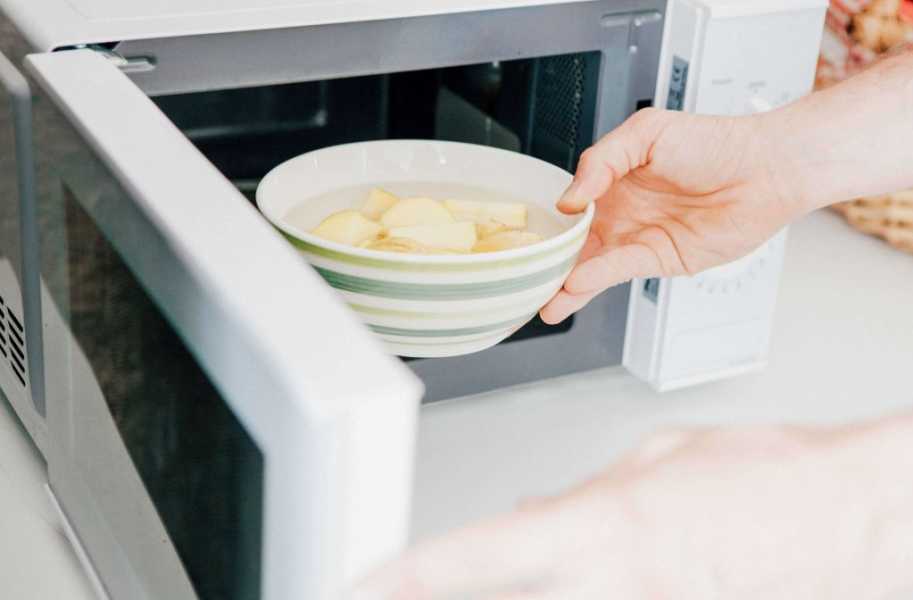
Use microwave-safe glass, ceramic, or labeled plastics. Avoid cracked or old plastic ware. -
Use covers and venting
Covers speed cooking and reduce splatter. Leave a small vent for steam to escape. -
Stir and rotate food
If your oven lacks a turntable, pause and rotate food manually. Stirring helps eliminate cold spots. -
Check temperature
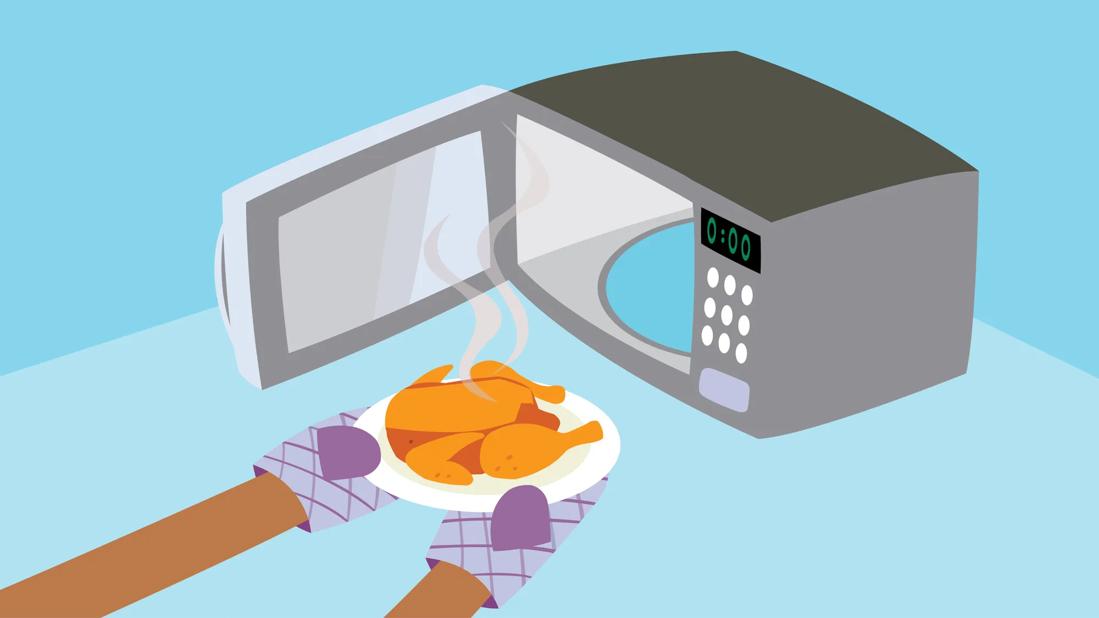
For reheated leftovers, heat until steaming hot and reach at least 165°F (74°C) when possible. Use a food thermometer if in doubt. -
Avoid superheating liquids
When heating water, place a wooden stir stick or other object in the cup to prevent sudden boiling.
Following these steps reduces the practical issues behind asking is microwave cooking bad for your health.
Environmental and convenience benefits
Part of the appeal of microwave cooking is speed and energy efficiency. Shorter cook times often mean less energy than an oven. Quick meals also lower food waste because you can reheat small portions easily. For many households, these benefits outweigh minor risks when best practices are followed. That matter feeds into everyday answers for is microwave cooking bad for your health: it is generally safe and often better for preserving nutrients and resources when used right.
Frequently Asked Questions of is microwave cooking bad for your health
Does microwave cooking destroy vitamins in food?
Microwave cooking can reduce some heat-sensitive vitamins, but it often preserves more nutrients than long boiling. Short cook times and little water help retain vitamins.
Can microwave ovens leak harmful radiation?
Modern microwaves are built with safety features to prevent leaks, and regulatory limits keep any leakage far below harmful levels. Regularly inspect seals and avoid using damaged ovens.
Is it dangerous to heat plastic containers in a microwave?
Heating non–microwave-safe plastics can release chemicals into food. Use only containers labeled microwave-safe or switch to glass or ceramic.
Are microwaved leftovers safe to eat?
Yes, if they are reheated to a piping hot temperature and stirred to ensure even heat. Follow safe storage and reheating guidelines to cut the risk of foodborne illness.
Can microwave cooking cause cancer?
No direct link exists between ordinary microwave cooking and cancer. Concerns focus on chemicals from certain plastics, which you can avoid by choosing safe containers.
How can I avoid hot spots in microwave-cooked food?
Stir food midway, use a turntable or rotate dishes, and allow standing time after heating to let temperatures even out.
Conclusion
Microwave cooking is generally safe and practical when you use the oven correctly and choose microwave-safe containers. The main health issues are avoidable: use proper dishes, prevent uneven heating, and skip unsafe plastics. My advice from years of lab work and home cooking is to treat the microwave like any other tool—learn how it works, follow simple safety steps, and it will serve you well. Try these tips at home, share what worked for you, or ask a question below to keep the conversation going.

Appliance Review Expert
Lucas Ramirez is a trusted voice at HomeFixGrid.com, known for his clear, practical, and creatively written guides that simplify appliance care for everyday homeowners. With a strong focus on hands-on testing and real-world problem-solving, Lucas brings expert insight into appliance reviews and troubleshooting techniques. Her work empowers readers to confidently maintain, repair, and choose the right appliances for their homes.