Can I Microwave Maruchan Cup Noodles: Safety Guide 2026
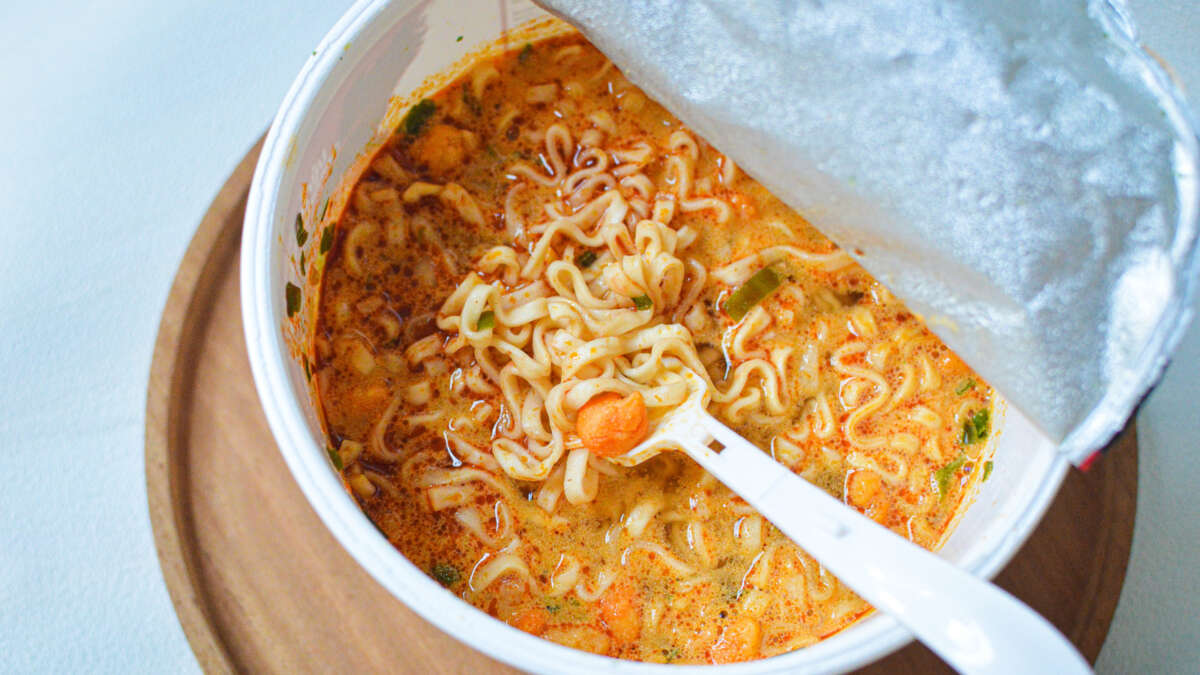
No, you should not microwave Maruchan cup noodles because the foam container can melt or release harmful chemicals.
I have spent many late nights during my college years and busy work weeks relying on instant meals for a quick fix. Like many of you, I once thought tossing the whole cup into the microwave was the fastest route to a hot meal. However, after learning about material safety and the risks associated with heating certain plastics, I realized that taking the extra minute to boil water properly is a much smarter choice. Understanding the science behind whether you can microwave Maruchan cup noodles is essential for both your health and your kitchen safety.
 <figcaption style=”font-size: 14px;color: #555;margin-top: 8px”>
Source: summeryule.com
Why Microwaving Maruchan Cups Is Risky
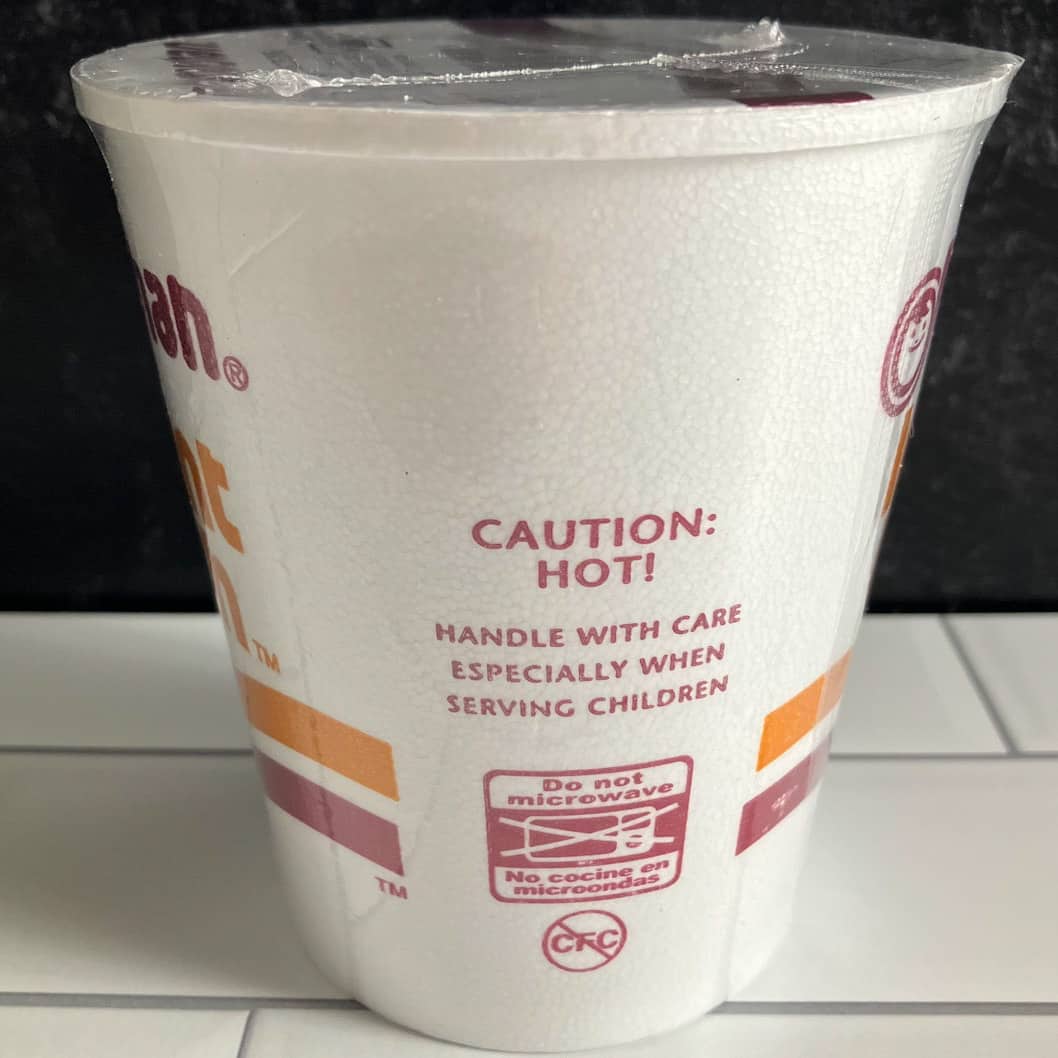
The primary reason you should avoid putting a Maruchan cup in the microwave comes down to the container itself. These cups are typically made from expanded polystyrene, which is not designed to withstand the intense heat generated by microwave radiation. When you microwave Maruchan cup noodles, the container can soften, warp, or even melt, which ruins your lunch and creates a sticky mess in your appliance.
Beyond the structural integrity of the cup, there is a legitimate health concern regarding chemical leaching. When polystyrene is exposed to high temperatures, it may release styrene, a chemical compound that experts suggest should not be ingested. Even if the cup does not visibly melt, the heat can cause the internal lining of the packaging to break down into your broth. My advice is to stick to the boiling water method provided on the label to ensure your food stays safe and uncontaminated.
How heat affects polystyrene and what “styrene” means
Polystyrene is a lightweight foam used for many disposable cups. It handles cold well. It does not handle high heat well. Heat can cause the foam to soften. It can also break down polymers and release small amounts of styrene. Styrene is a chemical used to make polystyrene. Agencies like the FDA and international health bodies study styrene because of possible health effects. Short, rare exposures are not the same as frequent use. Still, I avoid any chance of contamination when I can. For me, that means using boiling water or a microwave-safe bowl instead of the original foam cup.
Is microwave radiation different from stove heat?
Yes. Microwaves heat food by agitating water molecules. This can create fast, uneven hot spots. Those hot spots place stress on packaging at small localized temperatures. Stovetop boiling heats water more uniformly. The result: fewer hotspots, less risk to the container, and more consistent noodle texture.
The Proper Way To Prepare Your Noodles
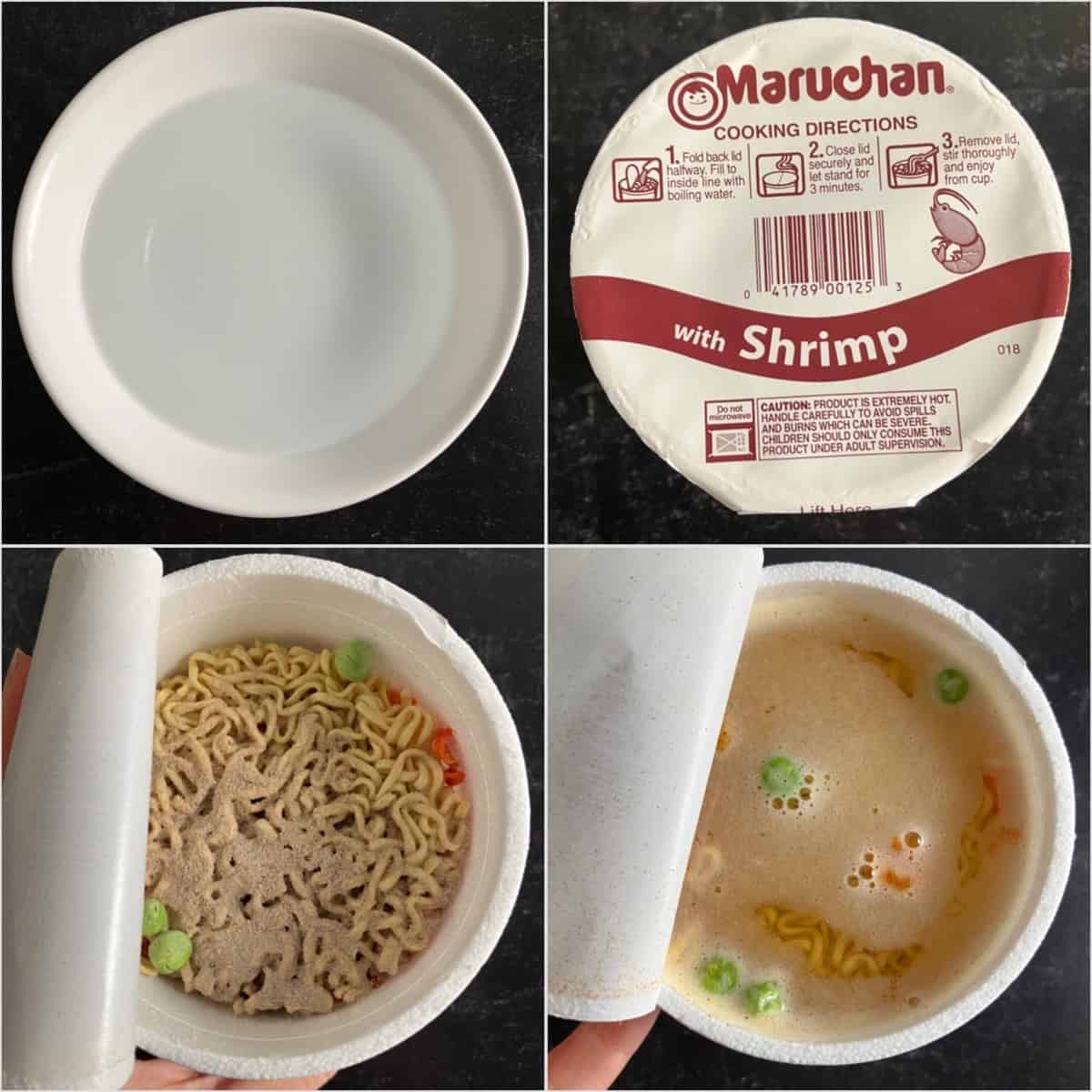
If you want the best texture and the safest results, follow the standard preparation instructions. The process is simple, and it ensures that your noodles reach the perfect consistency without the risk of dangerous chemical exposure.
- Boil water in a kettle or a separate microwave safe glass measuring cup.
- Pour the hot water into the Maruchan cup until it reaches the fill line.
- Cover the opening with a small plate or a piece of foil to trap the steam.
- Let the noodles sit for three minutes to allow the heat to distribute evenly.
- Stir the noodles thoroughly before eating to ensure the seasoning is well incorporated.
I personally find that using a glass container for the water keeps the temperature more consistent than simply using the microwave, leading to a much better bite of noodles. By following these steps, you maintain the quality of the meal while keeping your kitchen free from melted plastic hazards.
Quick microwave-safe method (if you must use a microwave)
If you need to use a microwave, do this instead of nuking the foam cup. Transfer the noodle block and seasoning into a microwave-safe glass or ceramic bowl. Add water, but don’t overfill. Heat in 30–60 second intervals. Stir between intervals. This helps avoid superheated spots. Use oven mitts to remove the bowl. Let it sit for a minute before eating. This method keeps you safe and still saves time.
Frequently Asked Questions of can i microwave maruchan cup noodles
Can I transfer the noodles to a bowl and then microwave them?
Yes, you can safely transfer the dry noodles into a microwave safe ceramic or glass bowl. Add water to the bowl and microwave it, as this eliminates any risks associated with the original foam packaging.
Is it okay to microwave the noodles if I remove the foam cup first?
Absolutely, as long as you use a container explicitly labeled as microwave safe. Glass or high quality ceramic bowls are the best choices for heating water and noodles together.
What happens if I accidentally microwave a Maruchan cup?
If you only did it for a few seconds, it might be fine, but check for any signs of melting or warping. If the cup looks damaged or the water has a chemical smell, it is safer to discard the meal entirely.
Does Maruchan make a microwave safe version of their product?
Maruchan manufactures specific varieties intended for microwave use that come in different types of packaging. Always check the label on your specific product to see if it lists microwave instructions.
Why do some people say it is okay to microwave them?
Some people believe that short intervals are harmless, but this is a dangerous misconception. The risk of leaching chemicals is not worth the few seconds you might save by using the original container.
Signs the cup or food might be contaminated
- Visible softening or warping of the cup.
- A strange, chemical-like smell in the broth.
- Oily film or odd taste after reheating.
- Sticky residue left in the microwave after the cup was heated.
If you notice any of these signs, discard the meal and clean the microwave thoroughly. When in doubt, don’t eat it.
Safe alternatives and small upgrades I recommend
- Keep a small microwave-safe glass bowl or a heatproof mug at work or in the dorm.
- Buy instant ramen that lists microwave instructions or comes in labeled microwave-safe packaging.
- Use an electric kettle for quick boiling water. It’s fast and consistent.
- Try reusable travel bowls with lids marked microwave-safe for on-the-go meals.
These small changes reduce risk. They also improve noodle texture and flavor. I switched to an electric kettle in college. It made instant meals feel less like a compromise and more like real food.
Conclusion
Understanding that you should not microwave Maruchan cup noodles in their original packaging is a simple but vital piece of kitchen safety knowledge. By avoiding the foam cup and opting for boiling water or a microwave safe bowl, you protect your health and keep your lunch tasty. Prioritizing safety never has to mean sacrificing the convenience of your favorite quick snack. Now that you know the facts, make sure to share this tip with your friends who might still be taking shortcuts. Check your labels, use the right equipment, and enjoy your meal with peace of mind.

Appliance Review Expert
Lucas Ramirez is a trusted voice at HomeFixGrid.com, known for his clear, practical, and creatively written guides that simplify appliance care for everyday homeowners. With a strong focus on hands-on testing and real-world problem-solving, Lucas brings expert insight into appliance reviews and troubleshooting techniques. Her work empowers readers to confidently maintain, repair, and choose the right appliances for their homes.