How To Kasher A Microwave: Easy Step-By-Step Guide
Clean, scrub, and heat using an appropriate method to purge absorbed flavors and make it kosher.
I’ve kashered many kitchens and microwaves for families over the years, so I know the practical steps and rabbinic concerns people face. This guide explains exactly how to kasher a microwave, when it’s possible, which methods to use, what to avoid, and how to handle tricky models. Read on for clear steps, real-life tips, and answers to the common questions people ask about kashering a microwave.
Why kasher a microwave?
People kasher a microwave to use it for kosher meat or dairy after it was used for the opposite. Microwaves heat food differently than ovens. That difference affects which halachic methods apply.
Kashering aims to remove absorbed taste or to render the appliance fit according to Jewish law. Knowing how to kasher a microwave helps you avoid mistakes that could make food non-kosher. Many rabbis treat microwaves with specific rules because of steam, plastic parts, and direct contact points.

What types of microwaves can be kashered?
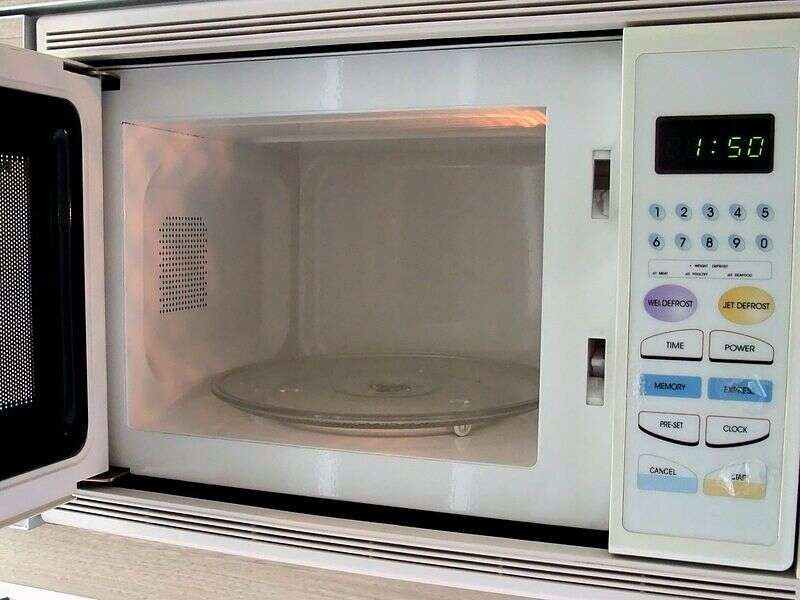
Countertop microwaves with removable glass turntables are the easiest to kasher. Built-in units with metal grills or inaccessible inner linings are harder and sometimes not kasherable.
Microwaves with plastic interiors, painted coatings, or damaged surfaces may not accept koshering heat. If the microwave has food trapped under vents or inside non-removable crevices, kashering may be ineffective. Always inspect the model before trying to kasher it.
Step-by-step: how to kasher a microwave
Follow these practical steps. They reflect common rabbinic guidance and real-world kitchen experience.
- Clean thoroughly
- Remove the turntable, roller ring, and any removable parts.
- Wash all surfaces with hot, soapy water. Scrub off all burned-on food and grease.
- Let the microwave dry completely.
- Decide which method to use
- Vapor (steam) method is commonly used for microwaves.
- Direct high heat (libbun) is rarely possible inside a microwave and is generally not used.
- If a rabbi advises, you may also rely on waiting (“kdei kli rishon” rules) or replacing certain parts.
- Prepare a steam kasher
- Fill a microwave-safe bowl with plain water and bring to a boil inside the microwave.
- Optionally add a slice of lemon for scent; the lemon is not required halachically.
- Run the microwave on high until the water is vigorously boiling and steam fills the cavity, usually 3–5 minutes, depending on wattage.
- Expose all interior surfaces to steam
- Leave the door closed for a short period after boiling so steam condenses on walls and ceiling.
- Wipe the interior with a clean, damp cloth to remove loosened residue.
- Replace the cleaned turntable and parts only after they are fully dry and inspected.
- Kasher removable metal or glass parts separately
- Glass turntables can often be kashered by immersion in boiling water or by thorough cleaning.
- Metal parts that tolerate heat may be kashered with a hot water method; consult your rabbi for specifics.
- Final check and rabbinic confirmation
- Confirm that plastic parts were not warped by the process and that no food remains.
- If unsure, ask your rabbi whether the steps meet local halachic standards.

Alternative methods and rabbinic opinions
Different communities favor different approaches. The steam method is widely accepted because microwaves transfer taste via steam rather than direct flame. Some authorities require more rigorous cleaning or additional steps when plastics are involved.
A minority opinion suggests that microwaves can never be fully kashered because absorbed taste does not exit easily. Many rabbis permit kashering when careful cleaning and steaming are done, especially for countertop models. When in doubt, follow the ruling of your local rabbi.

Common mistakes and troubleshooting
Avoid these pitfalls I’ve seen in practice.
- Trying to kasher without thorough cleaning first. Residue prevents kashering from taking effect.
- Using metal inside improperly. Metal objects can spark in a microwave and cause damage.
- Assuming all parts are heat-safe. Some plastics melt or deform with prolonged heating.
- Relying on quick steam for badly stained microwaves. Heavy stains may require repeat cleaning and steaming.
- Neglecting vents and crevices. Food stuck under vents can remain non-kosher.
If steam does not reach a spot, re-clean and run another steam cycle. If a surface is damaged or coated, consider replacing the unit or using it only for one category (meat or dairy).

Personal tips and lessons learned
I once kashered a small office microwave that had been used for years for dairy and meat. I cleaned it twice and ran three steam cycles before my rabbi approved use. The extra care avoided surprises.
Tips from experience:
- Use distilled water if your tap is very hard; mineral deposits can make cleaning harder.
- Keep an extra glass turntable to swap when needed; it’s cheaper than replacing the whole unit.
- Label the microwave after kashering to remind others which category it serves.
Mistakes to avoid:
- Don’t skip inspection after steaming. Condensed water can hide residue.
- Don’t attempt to kasher a built-in model with hidden cavities without rabbinic guidance.
People also ask
Why do rabbis use steam to kasher a microwave?
- Steam brings out absorbed flavors without requiring open flame. Microwaves transfer taste mainly through vapor, so producing steam makes kashering effective.
Can I kasher the glass turntable separately?
- Yes. Glass can often be cleaned and immersed in boiling water or placed in a kosher dishwasher cycle if recommended by your rabbi.
What if my microwave has plastic parts?
- Plastic complicates kashering because it can absorb taste and warp under heat. Many authorities allow steam kashering if the plastic is intact and unaffected by the process.

Frequently Asked Questions of how to kasher a microwave
Is it safe to kasher any microwave with steam?
Yes. Steam kashering is safe for most countertop microwaves when used properly. Avoid running long cycles if parts are not heat-rated.
How long should I run the microwave to kasher it?
Run the microwave until the water is vigorously boiling, usually 3–5 minutes, then leave the door closed briefly to let steam condense. Clean and repeat if necessary.
Can I kasher a built-in microwave?
Built-in microwaves are harder to kasher due to hidden cavities and vents. Consult your rabbi; many recommend replacing or using for only one category.
Do I need rabbinic approval before kashering?
It’s wise to consult a rabbi for certainty, especially for unusual models or when plastics and paints are involved. Local custom and rulings vary.
If I only used the microwave for cold dairy, is kashering needed to use for meat?
If the microwave heated hot dairy, yes you generally need to kasher before using it for meat. If dairy was only cold and never heated, rules may differ; ask your rabbi.
Conclusion
Kashering a microwave is practical when you follow careful cleaning and a proper steam process. Inspect the model, remove and clean parts, run steam cycles, and confirm with a rabbi when uncertain. Take action: clean and inspect your microwave today, label its use, and ask a trusted rabbi if your model raises special questions. Leave a comment with your microwave model or experience, and subscribe for more practical kosher-kitchen tips.

Appliance Review Expert
Lucas Ramirez is a trusted voice at HomeFixGrid.com, known for his clear, practical, and creatively written guides that simplify appliance care for everyday homeowners. With a strong focus on hands-on testing and real-world problem-solving, Lucas brings expert insight into appliance reviews and troubleshooting techniques. Her work empowers readers to confidently maintain, repair, and choose the right appliances for their homes.