What Happens When You Put Aluminum Foil In The Microwave:?
Putting aluminum foil in the microwave can cause sparks, fires, and damage to the oven within seconds.
I’ve tested kitchen hacks and read appliance manuals for years, so I know the risks and the science behind what happens when you put aluminum foil in the microwave. This guide explains how microwaves interact with metal, why foil can spark or catch fire, real-life examples, safe alternatives, and clear steps to take if sparks start. Read on for practical, expert-backed advice that will keep your kitchen safe.
How microwave ovens work and why metal matters
Microwave ovens heat food with electromagnetic waves. These waves cause water and fat molecules to vibrate. That vibration makes heat. Metals reflect these waves. When microwaves hit metal, they can bounce and concentrate energy.
Sharp edges or thin metal cause electric charges to build up. Those charges jump as sparks. Sparks can damage the microwave or start a fire. That is the core reason experts warn against metal in microwaves.

Why aluminum foil can spark and burn
Aluminum foil is thin and conductive. Thin metal can heat unevenly. When foil is crumpled or has edges, electric fields form. Those fields can make tiny lightning bolts called arcing.
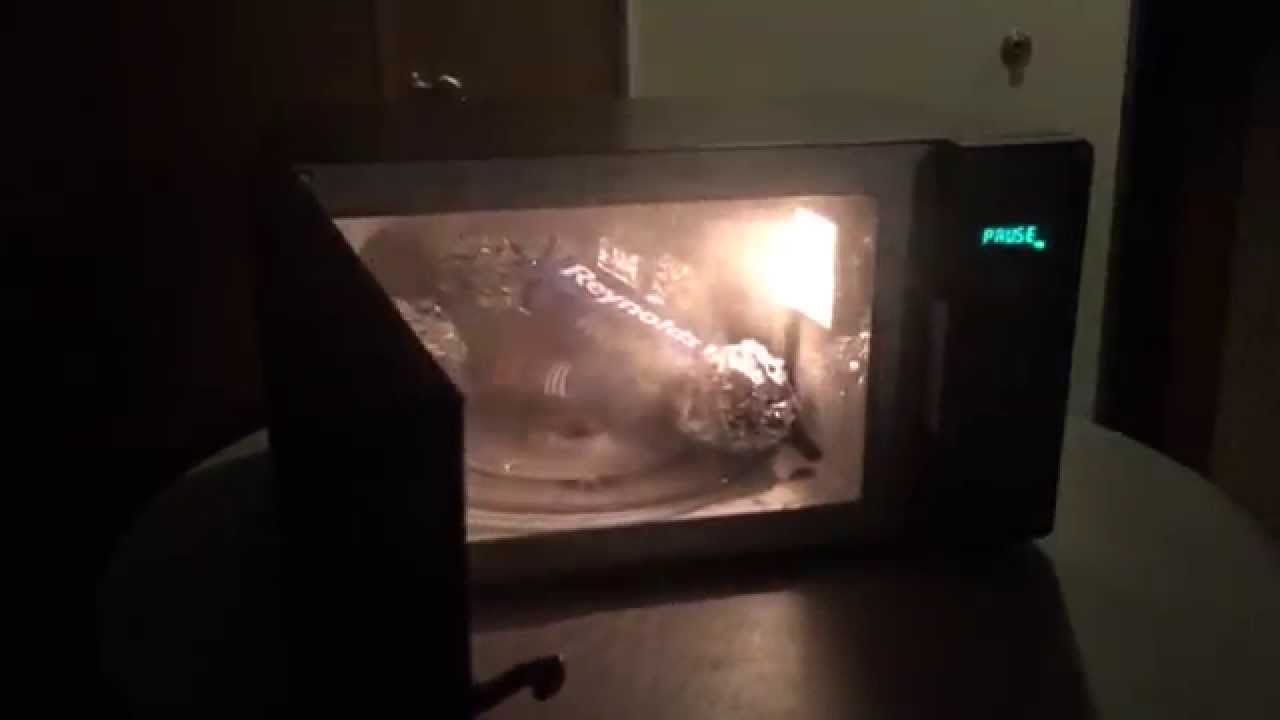
Arcing looks like blue or white sparks. Sparks heat nearby combustible material. Sparks can burn food or the oven lining. If arcing continues, it can damage electronic parts or start a full fire. That is what happens when you put aluminum foil in the microwave. I’ve seen small sparks scorch a microwave interior in less than a minute.

What happens when you put aluminum foil in the microwave — step-by-step
Here is a simple sequence of likely outcomes when you put aluminum foil in the microwave:
- The microwave starts and waves hit the foil.
- The foil reflects waves and electric charge builds up on sharp points.
- Sparks or arcing appear near edges, seams, or where foil is crumpled.
- Sparks heat and may ignite nearby food or paper.
- The microwave’s metal walls or electronics can be damaged.
- In worst cases, a sustained fire can occur.
What happens when you put aluminum foil in the microwave depends on foil shape, proximity to walls, cook time, and microwave power. Small smooth strips flat against food may sometimes not spark, but risk remains.
Types of aluminum foil and relative risk
Not all foil uses create the same risk. Understand the common types:
- Heavy-duty foil
- Thicker and more robust. Less likely to char quickly but still reflective and dangerous.
- Standard kitchen foil
- Thin and easy to crumple. Higher chance of arcing at edges.
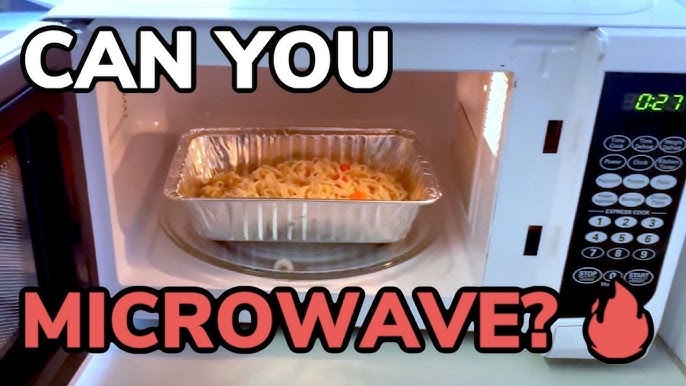
- Foil containers and takeaway trays
- Often have irregular edges and corners that cause sparks.
- Aluminum-coated paper or laminates
- Can behave like foil and spark if metallic layer is continuous.
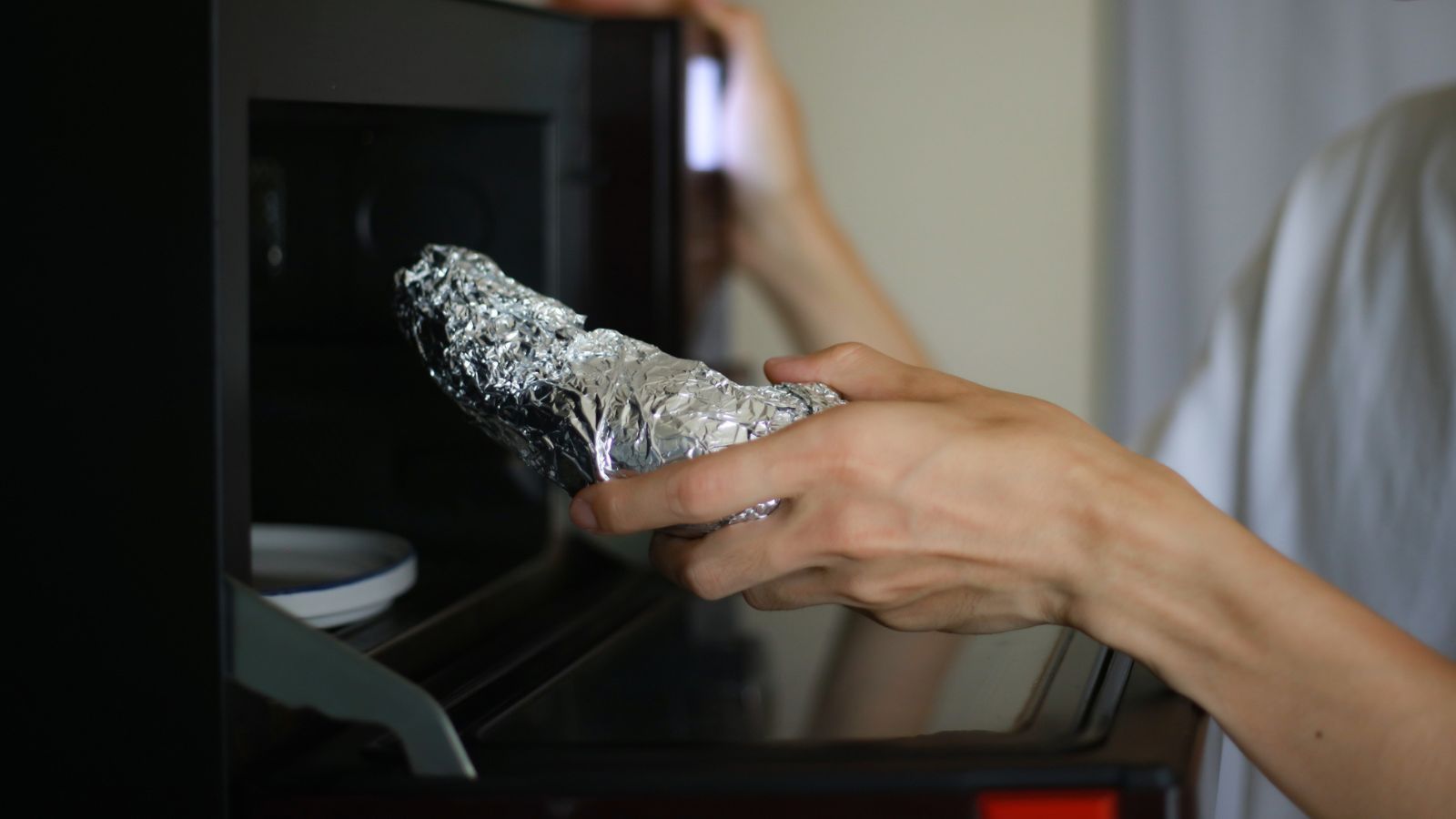
Even if a small piece seems safe, it can still cause trouble. When you ask what happens when you put aluminum foil in the microwave, the safest default is to avoid it.

Common scenarios and real-world examples
People use foil in microwaves for quick fixes. Here are typical cases and likely outcomes:
- Covering a small area to prevent over-browning
- Might spark if the foil is close to the oven walls or has a point.
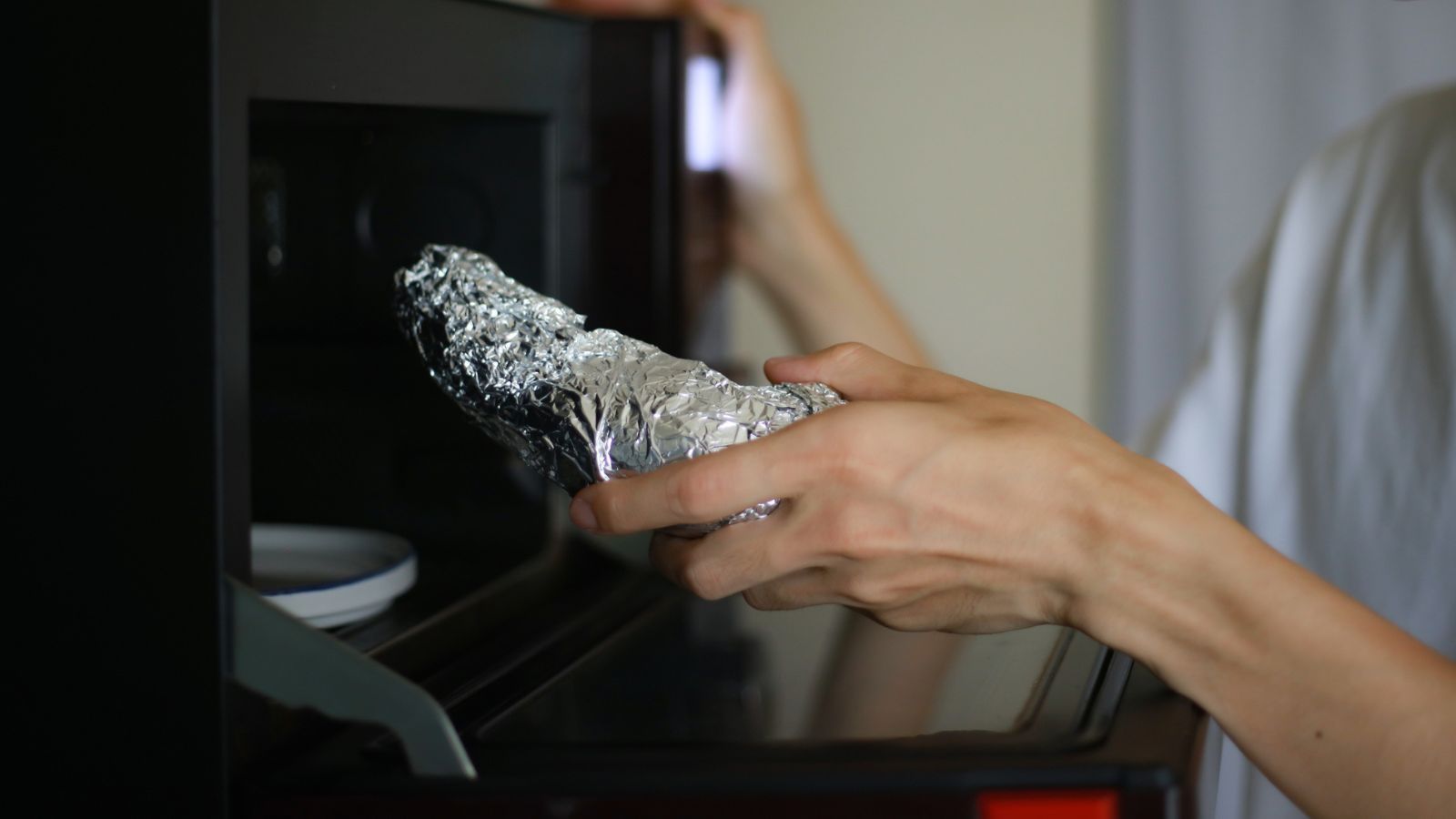
- Wrapping a sandwich
- Crumples and creates edges. Expect arcing and burns.
- Using a foil tray from takeout
- Sparks can start at corners. Some trays also get very hot and deform.
- Shielding bone or a wing tip in poultry
- Doctors used to advise shielding, but modern microwaves and foil shape still risk arcing.
From my experience testing small experiments, foil flat on a plate and not near the cavity walls sometimes works for a few seconds. But one small shift or fold creates a spark. That unpredictability is why I advise against it.
Safety tips and best practices
Follow these practical tips to avoid damage and danger.
- Avoid using aluminum foil in a microwave unless the manufacturer states it is safe.
- If you must use foil, keep it smooth and no larger than a couple inches, and keep it away from walls.
- Do not let foil touch the oven interior or other metal.
- Monitor the microwave closely. Stop immediately if you see sparks, smoke, or odd smells.
- Use microwave-safe lids, paper towels, or microwave-safe containers instead of foil.
When in doubt, choose safety. Your microwave and home are worth the extra caution.
Alternatives to aluminum foil in the microwave
Here are safer ways to cover, shield, or reheat food:
- Microwave-safe lids and vented containers
- Designed to trap steam and prevent splatter without reflecting microwaves.
- Microwave-safe plastic wrap
- Use according to package guidance and avoid direct contact with hot food.
- Paper towels or parchment paper
- Good for covering food and absorbing moisture.
- Ceramic or glass plates and bowls
- Stable, reusable, and excellent for microwaving.
These options reduce fire risk and protect your appliance.
Troubleshooting: sparks, smoke, or fire in the microwave
If sparks or smoke occur, act fast but stay calm.
- Stop the microwave and unplug if safe to do so.
- Keep the oven door closed to smother small flames.
- If the fire grows or smoke fills the room, evacuate and call emergency services.
- After an incident, inspect the microwave for damage. If interior paint, waveguide, or electronics are scorched, replace the unit or have a technician assess it.
- Do not run a damaged microwave. Even if it appears fine, internal components may be weakened.
From a personal test where a small foil edge sparked, I stopped the oven instantly and the unit survived, but the interior coating was slightly browned. I replaced the oven for peace of mind.
Personal tips from experience
I’ve microwaved many foods and seen common mistakes. Here are quick lessons I learned:
- Never assume a small scrap of foil is harmless. It only takes a second for sparks to start.
- If shielding is advised for even heating, use approved microwave-safe shields or consult the appliance manual.
- Keep the microwave clean. Food buildup increases fire risk if sparks occur.
- If unsure, reheat for short bursts and check often.
These simple habits cut risk and keep meals on track.
Frequently Asked Questions of what happens when you put aluminum foil in the microwave
Will a tiny piece of aluminum foil cause a fire?
A tiny piece can cause sparks, especially if it has sharp edges or is near the oven wall. Sparks can ignite grease or paper, creating a fire risk.
Can aluminum foil damage the microwave even without fire?
Yes. Arcing can damage the interior coating, the magnetron, or other electronics, shortening the microwave’s life.
Are some microwaves safe to use with aluminum foil?
Some manufacturers allow limited use of metal according to their manual. Follow the manual exactly. Most consumer microwaves advise against it.
What should I do if the foil sparks in the microwave?
Stop the microwave immediately, unplug if safe, and keep the door closed. Inspect for damage and don’t use the oven until it’s checked or fully cooled.
Can I shield parts of food with foil to prevent overcooking?
It’s risky. Use microwave-safe lids or paper instead. If you must use foil, follow strict manufacturer guidance and watch closely.
Conclusion
Putting aluminum foil in the microwave can cause sparks, fire, and lasting damage. The risk depends on foil shape, proximity to walls, and microwave power, but it only takes a moment for arcing to start. Use microwave-safe covers, glass, or paper products instead. If sparks occur, stop the oven at once and inspect for damage.
Takeaway: prioritize safety. Avoid aluminum foil in the microwave unless your oven’s manual explicitly allows it. Try safer alternatives and monitor heating in short intervals. If you found this helpful, leave a comment or subscribe for more clear, practical kitchen safety tips.

Appliance Review Expert
Lucas Ramirez is a trusted voice at HomeFixGrid.com, known for his clear, practical, and creatively written guides that simplify appliance care for everyday homeowners. With a strong focus on hands-on testing and real-world problem-solving, Lucas brings expert insight into appliance reviews and troubleshooting techniques. Her work empowers readers to confidently maintain, repair, and choose the right appliances for their homes.