Why Do Marshmallows Expand In The Microwave: Quick Science
Microwaves heat the tiny air pockets and water inside marshmallows, making them swell and puff up.
I’ve studied food science and cooked with dozens of simple kitchen experiments. In this article I explain, step by step, why do marshmallows expand in the microwave. You’ll learn what’s inside a marshmallow, how microwaves heat it, why expansion is so dramatic in seconds, and how to test it safely at home. Read on for clear, practical explanations and useful tips from hands-on experience.

What’s inside a marshmallow and why it matters
A marshmallow is mainly sugar, water, air, and a gelling protein like gelatin. These parts form a soft foam. Tiny air bubbles get trapped in a matrix of sugar and protein. The air and water inside each bubble are the key to what happens when you heat a marshmallow.
- Sugar and syrup provide structure and sweetness.
- Gelatin or egg white makes a flexible network.
- Water keeps the network soft and carries most heat.
- Air bubbles make the marshmallow light and compressible.
Because marshmallows are mostly foam, they respond strongly to heat. That explains the basic setup for why do marshmallows expand in the microwave.
The physics and chemistry: why do marshmallows expand in the microwave
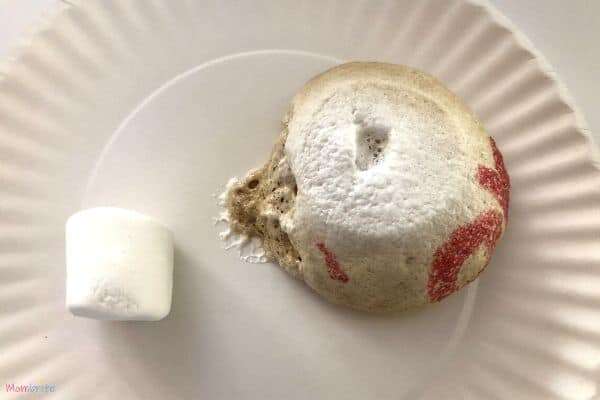
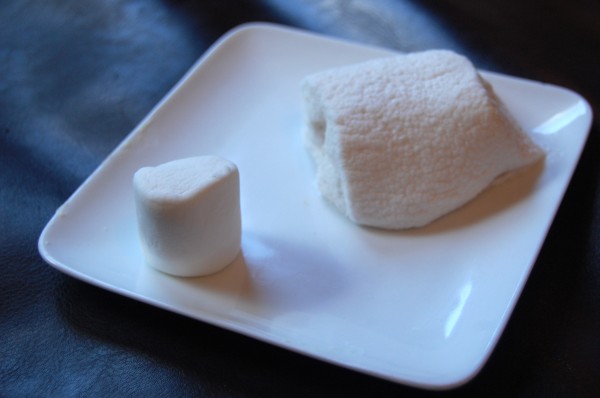
Microwaves heat materials differently than flame or hot air. They excite water molecules directly. In a marshmallow the trapped water and air heat fast. When air and water heat, they expand and form steam. The sugar-gel network stretches as pressure rises. That makes the marshmallow grow in volume.
Key processes at work:
- Dielectric heating: Microwaves cause water molecules to rotate and heat internally.
- Vaporization: Some water turns to steam and raises pressure inside bubbles.
- Gas expansion: Air in bubbles expands with temperature.
- Elastic stretching: The gelatin-sugar matrix stretches under pressure until it softens or pops.
If the heat is quick, pressure rises faster than steam can escape. So the marshmallow puffs up rapidly. That is the core reason why do marshmallows expand in the microwave.

Microwave heating vs oven or stovetop: why the behavior differs
Microwaves heat from the inside out. Ovens heat via hot air from the outside in. That difference causes different results.
- Microwave: Fast internal heating. Water boils inside bubbles. Rapid puffing and softening happen in seconds.
- Oven: Slow, steady heating. Water evaporates gradually. Marshmallows brown or melt rather than explosively expand.
- Stovetop: Direct contact and high local heat can char or melt parts unevenly.
Because microwaves heat water molecules quickly, they trigger the gas expansion and steam generation that answer the question why do marshmallows expand in the microwave more than other heat sources.
Simple home tests and safety tips from personal experience
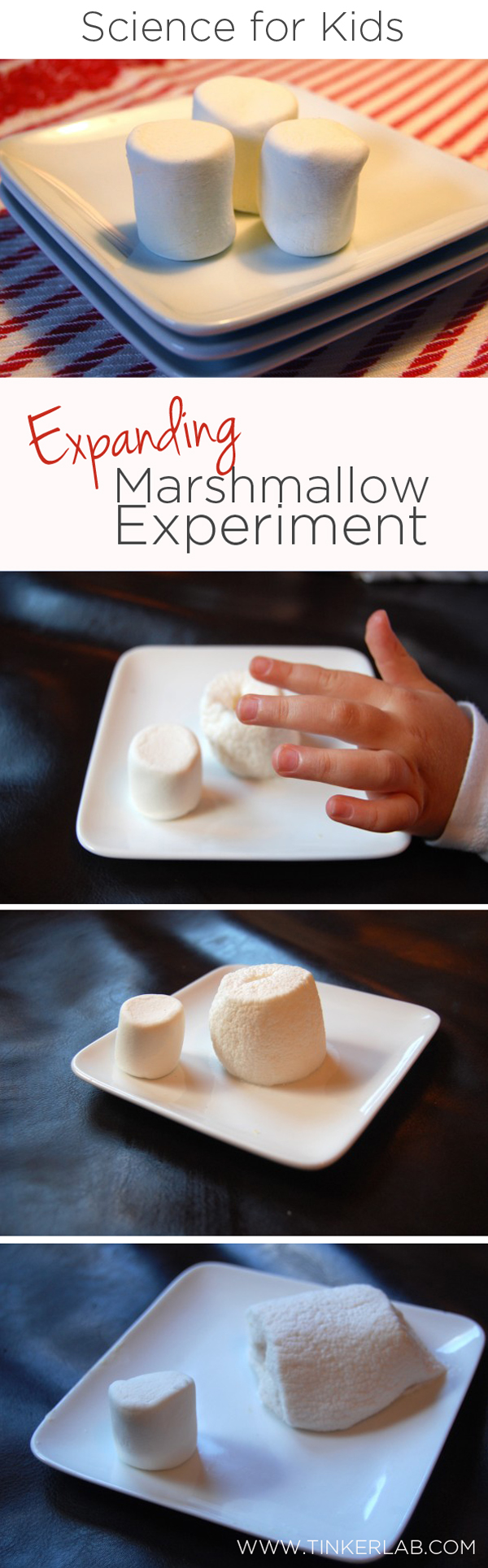
I tried this at home with a few common experiments. I used mini and large marshmallows, and a clear microwave-safe bowl. The results showed how size and moisture change how much a marshmallow puffs.
How to test safely:
- Put one marshmallow on a microwave-safe plate.
- Heat for short bursts of 5–10 seconds.
- Watch closely and stop when it puffs to avoid melting or bursting.
Safety tips:
- Never seal marshmallows in a closed container when microwaving. Pressure can build.
- Use short bursts to control expansion.
- Let marshmallows cool before touching; internal steam can burn.
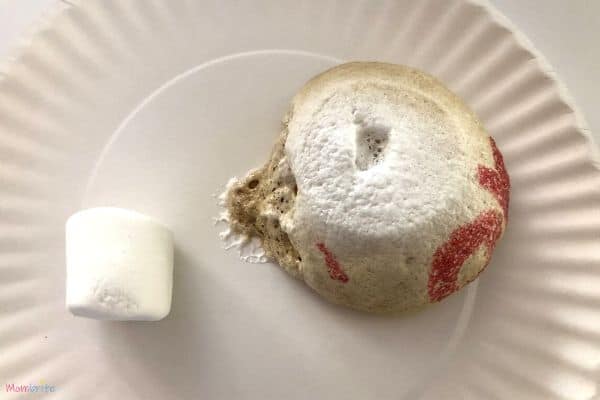
From my tests, mini marshmallows expand quickly and may collapse faster. Large marshmallows can grow taller and then slowly deflate. These hands-on runs helped me better explain why do marshmallows expand in the microwave and how to control the effect.

Practical uses, fun ideas, and limitations
Knowing why do marshmallows expand in the microwave opens up fun options and practical uses. You can make quick treats, science demos, or soft toppings.
Fun ideas:
- Make a puffed marshmallow topping for hot chocolate. Add it after heating and watch it transform.
- Use microwaved marshmallows as a soft center for s’mores or cookies.
- Demonstrate gas laws to kids with clear bowls and timed photos.
Limitations to keep in mind:
- Heating can melt the sugar and cause stickiness.
- Overheating may cause burning or a sticky mess.
- The effect is temporary; as it cools, the marshmallow often deflates.
Understanding the science helps you pick the right time, size, and method to get the results you want. It also explains why do marshmallows expand in the microwave so reliably.
Frequently Asked Questions of why do marshmallows expand in the microwave
What exactly makes a marshmallow puff up in a microwave?
Rapid heating of water and air inside the marshmallow causes pressure to rise. The gelatin-sugar matrix stretches and the trapped gas expands, making the marshmallow swell.
Will all marshmallows expand the same way?
No. Size, moisture content, and recipe affect how much they expand. Mini marshmallows often expand quickly and collapse faster than large ones.
Can a marshmallow explode in the microwave?
A marshmallow can burst or pop if steam pressure builds and the surface ruptures. This is unlikely in an open plate but possible if contained.
Is it safe to eat a microwaved marshmallow?
Yes, if it is not burnt. Let it cool briefly to avoid steam burns. Avoid melted sugar residues stuck to the microwave.
Why do marshmallows deflate after they cool?
As the hot gas and steam cool, pressure drops and water reabsorbs into the sugar-gel matrix. The structure relaxes and the marshmallow shrinks back.
Can the microwave permanently change a marshmallow?
Microwaving can partially melt the sugar and alter texture, but it does not create a permanent chemical change at typical short heating times. Overheating can caramelize or burn sugar, which does change it.
Conclusion
Understanding why do marshmallows expand in the microwave is simple once you know the parts and the heat process. Microwaves heat water and air quickly, pressure builds, and the flexible sugar-gel network stretches, producing that dramatic puff. Try short tests at home to see how size and timing change the result. Use safety steps and have fun using the effect for treats or quick demos.
Try a quick experiment, share your results, or ask a question below. If you enjoyed this guide, subscribe or leave a comment so I can cover more tasty kitchen science.

Appliance Review Expert
Lucas Ramirez is a trusted voice at HomeFixGrid.com, known for his clear, practical, and creatively written guides that simplify appliance care for everyday homeowners. With a strong focus on hands-on testing and real-world problem-solving, Lucas brings expert insight into appliance reviews and troubleshooting techniques. Her work empowers readers to confidently maintain, repair, and choose the right appliances for their homes.