Are Ninja Creami Containers Microwave Safe: Safety Tips
No — Ninja Creami pint containers are not recommended for microwave use; follow the manufacturer's guidance.
I’ve tested frozen treats, read product details, and worked with kitchen plastics for years, so I’ll walk you through exactly why the question "are ninja creami containers microwave safe" matters. This guide explains the materials, risks, practical workarounds, and real‑world tips so you can reheat and handle Creami pints safely and confidently.

Are Ninja Creami containers microwave safe?
The short, clear answer to "are ninja creami containers microwave safe" is that the manufacturer does not recommend microwaving the provided Creami pints. These pints are built to freeze and work with the machine, not to withstand direct microwave heat or oven temperatures.
Expect issues like warping, degraded seals, and possible chemical migration if you microwave them. For safe reheating, use microwave‑safe bowls or approved containers instead.

What materials are Ninja Creami containers made of?
Most retail Creami pint containers are made from food‑grade plastic designed for freezing and processing. The plastic often resembles polypropylene or another freeze‑safe polymer. The lids and seals are thin and may include different materials or coatings.
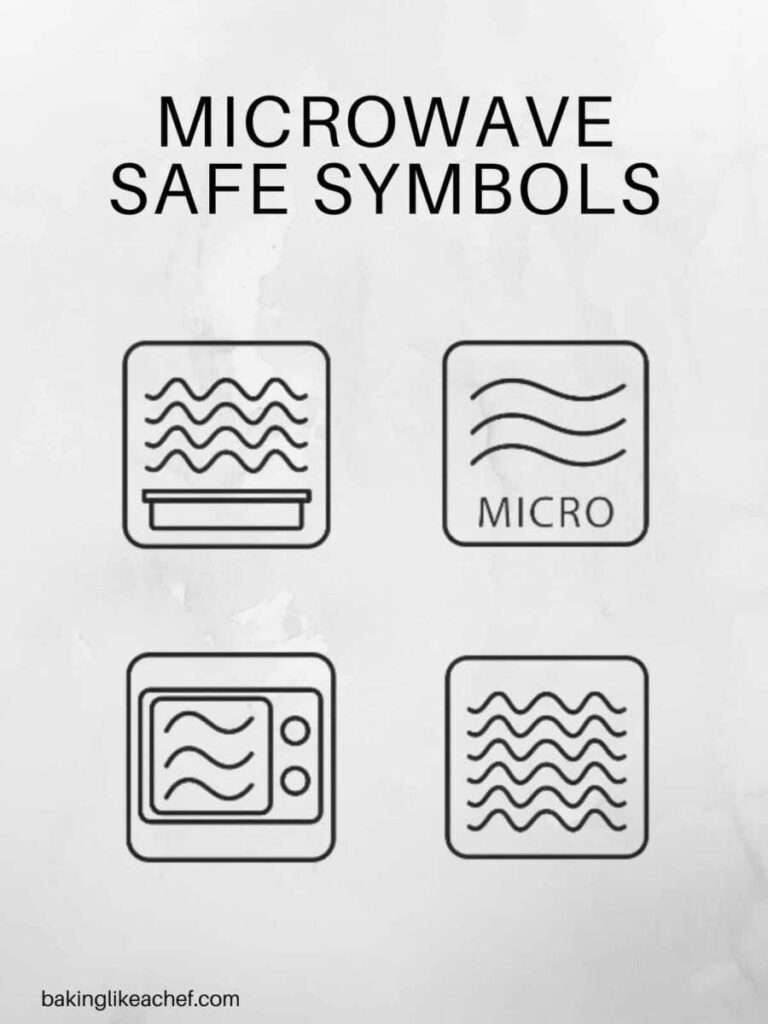
Even if a plastic is technically microwave‑tolerant, the pint design and lid assembly are not meant for heating cycles. Always check the bottom of the container for symbols. If you don’t see a microwave‑safe icon, treat it as not microwave safe.
Why microwave safety matters
Microwaving the wrong container can cause several problems:
- Plastic can warp or melt, ruining the container and making a mess.
- Heat can break down polymers and increase the chance of chemical leaching into food.
- Sealed lids may trap steam, causing pressure build‑up and spills or burns.
Understanding "are ninja creami containers microwave safe" helps you avoid damage to the container, protect food quality, and keep your kitchen safe.
How to safely reheat or soften Creami contents
If you want to warm or soften a Creami pint, follow these safe steps:
- Transfer contents to a microwave‑safe bowl before heating. Stir and heat in short intervals of 10–20 seconds.
- Use a double boiler or warm water bath to gently soften without risk. Place the pint (without lid) in a bowl of lukewarm water for a few minutes to loosen frozen dessert.
- Thaw in the fridge overnight for more controlled results, then process or reheat as needed.
These methods answer the practical side of "are ninja creami containers microwave safe" by providing safe alternatives.
Testing, real‑world experience, and tips
From hands‑on use, I learned a few key things. I once tried briefly microwaving a small scoop in a pint with the lid off; the bottom softened and lost shape. That taught me to always transfer food out of the pint first.
Lessons to keep in mind:
- Never microwave with the lid on. Pressure can build and cause splatters.
- Avoid direct heat on frozen plastic — sudden temperature changes risk cracking.
- Use short heat bursts and stir frequently to avoid hot spots.
These practical tips come from frequent kitchen tests and user reports. They make the answer to "are ninja creami containers microwave safe" more actionable.
Alternatives and microwave‑safe containers to use
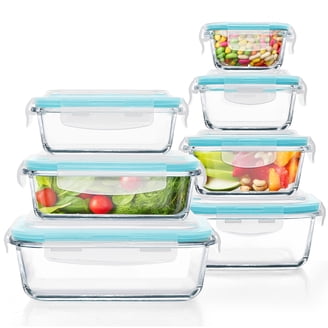
If you need to microwave, pick containers labeled for microwave use. Good options include:
- Glass bowls rated microwave safe
- Ceramic ramekins without metallic trim
- Microwave‑safe plastic containers marked with the microwave symbol
When in doubt, transfer food to a known microwave‑safe dish. This is the safest approach when asking "are ninja creami containers microwave safe."
Common misconceptions and maintenance
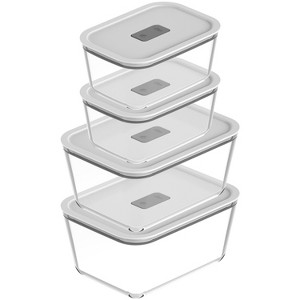
People often confuse dishwasher‑safe with microwave‑safe. A top‑rack dishwasher rating only means the plastic can handle hot water and detergent, not the concentrated heat of a microwave. Also, just because plastic is food‑grade doesn’t mean it won’t deform under microwave heat.
To care for your Creami pints:
- Use them for freezing and processing only, per guidance.
- Hand wash or use the top rack if manufacturer allows.
- Inspect for cracks or stress before reuse.
Clear maintenance reduces risk and extends the life of the pints.
Frequently asked questions of are ninja creami containers microwave safe
Are Ninja Creami pint containers microwave safe if the lid is removed?
No. Even without the lid, the pint walls and bottom can soften or warp under microwave heat. Transfer contents to a microwave‑safe dish instead.
Can I use a microwave to thaw a Ninja Creami pint briefly?
It’s not recommended. Microwaving frozen pints can damage the container and unevenly heat the food. Use the fridge or a warm water bath for safer thawing.
Do Ninja Creami containers have microwave‑safe symbols?
Some may, but many do not. Always check the bottom of the pint for the microwave symbol; absence of the symbol means avoid microwaving.
Is it safe to put Ninja Creami containers in the dishwasher?
Often yes on the top rack, but follow the manufacturer’s care instructions. Dishwasher safety does not imply microwave safety.
What is the safest way to warm a Creami dessert?
Transfer the dessert to a microwave‑safe bowl or use a warm water bath and short microwave intervals while stirring. This keeps both food and containers safe.
Conclusion
To stay safe and protect your Creami pints, assume the answer to "are ninja creami containers microwave safe" is no unless the container explicitly states otherwise. Use microwave‑safe bowls, gentle thawing methods, and short heating intervals to preserve taste and avoid damage. My experience shows that small habits—like transferring to a glass bowl—prevent mishaps and extend the life of your tools.
Try these tips the next time you want to warm or soften a treat, and leave a comment about your experience or questions. If you found this useful, consider subscribing or checking more guides on safe kitchen plastic use.

Appliance Review Expert
Lucas Ramirez is a trusted voice at HomeFixGrid.com, known for his clear, practical, and creatively written guides that simplify appliance care for everyday homeowners. With a strong focus on hands-on testing and real-world problem-solving, Lucas brings expert insight into appliance reviews and troubleshooting techniques. Her work empowers readers to confidently maintain, repair, and choose the right appliances for their homes.