Which Tupperware Is Microwave Safe: Quick Guide
Microwave-safe Tupperware is clearly labeled; look for the microwave symbol or polypropylene (PP, #5).
I’ve spent years testing containers, reheating meals, and reading safety guidance, so I know which tupperware is microwave safe and why it matters. This guide covers clear signals, materials, practical tips, and mistakes to avoid when you wonder which tupperware is microwave safe for everyday heating.
How to tell which tupperware is microwave safe
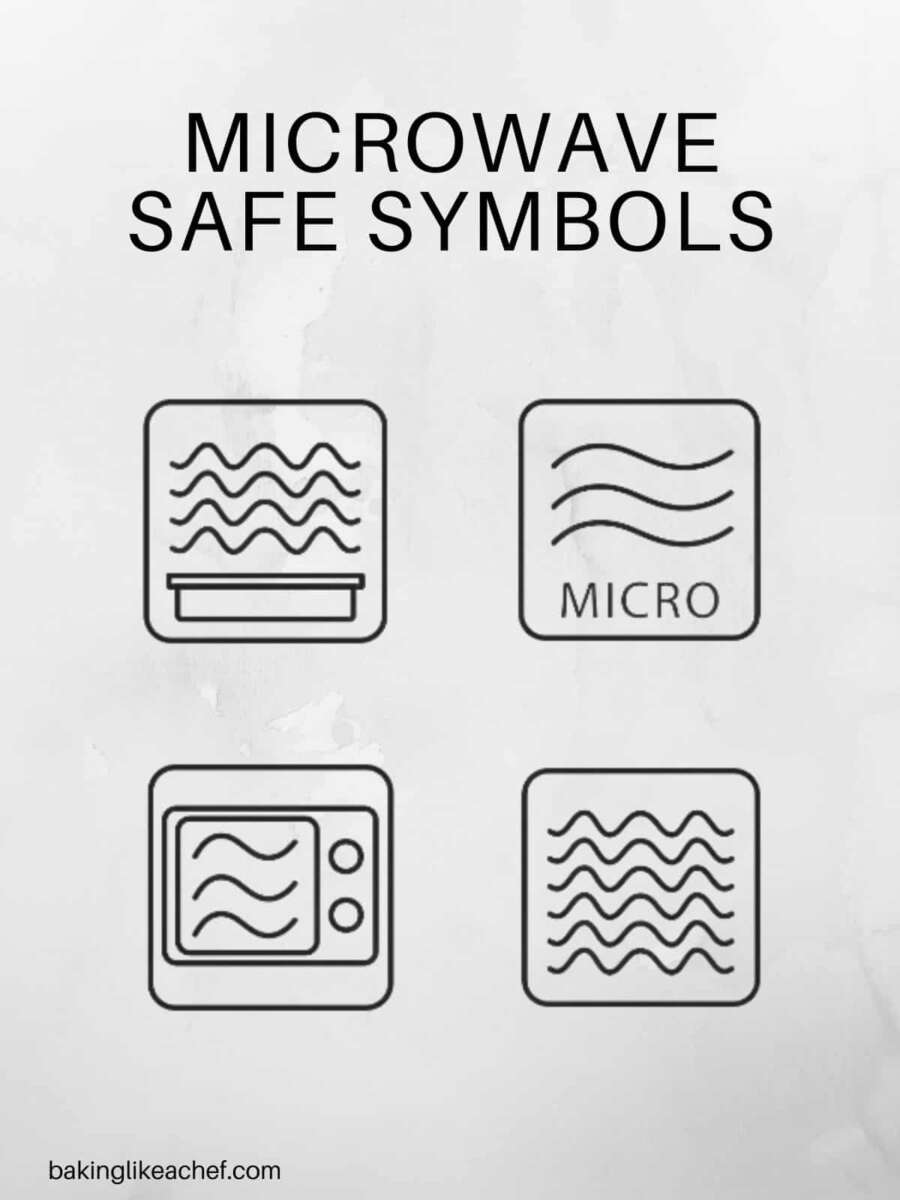
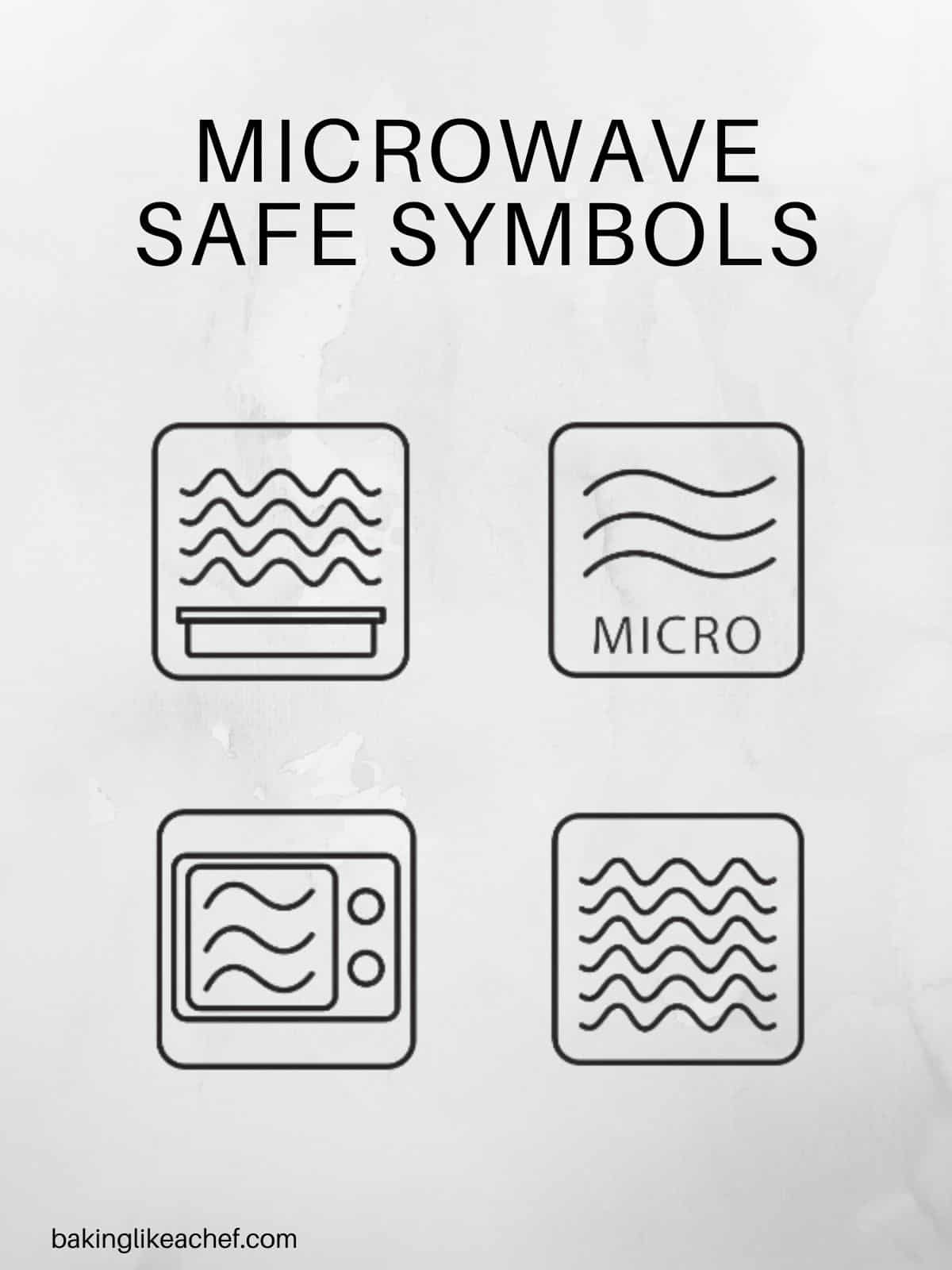
Knowing which tupperware is microwave safe starts with simple checks. Look at the bottom of the container for symbols and resin codes. The microwave-safe icon usually shows wavy lines. A resin code of 5 or the letters PP usually mean polypropylene, a common microwave-safe plastic.
Other signs that indicate which tupperware is microwave safe:
- Microwave-safe label displayed on the lid or base.
- Resin identification code 5 or letters PP.
- Manufacturer guidance printed on packaging or product.
- No metal parts, foil, or metallic paint on lids.
If a container has no mark, assume it’s not microwave-safe. When in doubt, use a labeled container or switch to glass. Always vent the lid or leave it slightly ajar to avoid pressure build-up. Which tupperware is microwave safe is mostly a matter of labeling and material, so read the markings every time.

Materials and symbols explained
Materials matter when deciding which tupperware is microwave safe. Common materials and their microwave performance:
- Polypropylene (PP, #5): Widely microwave-safe for reheating. Stands up to heat well.
- High-density polyethylene (HDPE, #2): Sometimes safe for short reheating, but check the label.
- Polycarbonate (PC, #7): Often not recommended due to potential chemical leaching.
- Polystyrene (PS, #6): Not microwave-safe. Can melt or warp.
- Silicone: Many silicone containers are microwave-safe and flexible under heat.
- Tempered glass: Safe and stable for microwave use; a top choice if marked microwave-safe.
- Ceramic: Usually safe if marked microwave-safe; beware metallic glazes.
Symbols to watch for:
- Wavy lines: Microwave safe.
- A thermometer or temperature range: Shows max safe temperature.
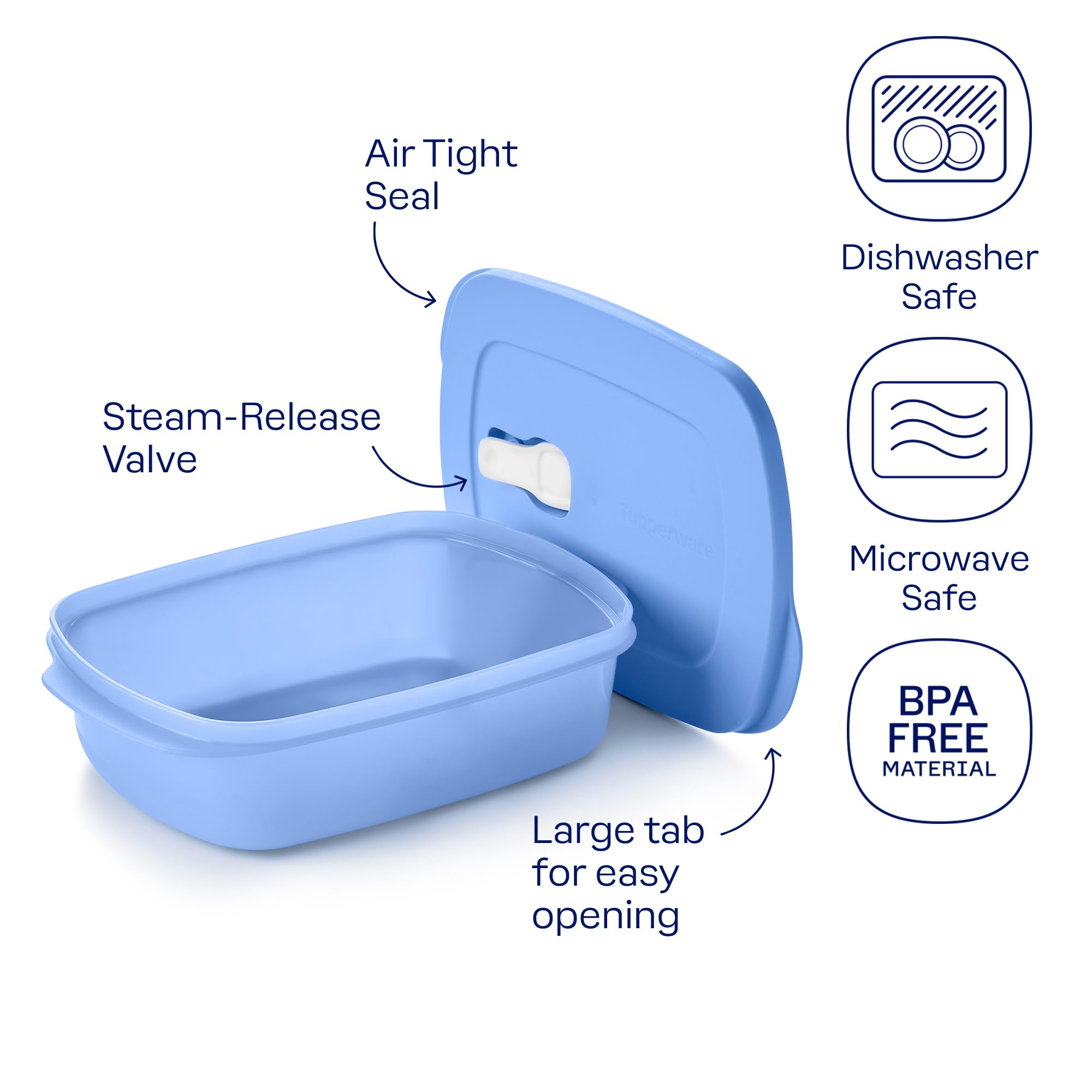
- Dishwasher symbol: Often correlates with higher thermal stability but isn’t a microwave guarantee.
When you ask which tupperware is microwave safe, focus on PP (#5) and labeled silicone or glass. Avoid cracked, stained, or greasy plastics even if marked. Heat affects plastics over time, so periodic replacement is smart.
:max_bytes(150000):strip_icc()/Can-You-Microwave-Tupperware-3x2-1-3b93c2c3cf364688800661347df780f2.jpg)
Safe microwave use and best practices
Follow simple rules to keep food safe and containers intact. These steps show which tupperware is microwave safe for your routine and how to use it right.
Steps and tips:
- Vent lids before heating: Prevent pressure buildup and splatters.
- Use short intervals: Heat in 30–60 second bursts and stir between rounds.
- Avoid overheating fatty foods: Oils get very hot and can exceed plastic heat limits.
- Test unknown containers: Put the empty container in the microwave next to a cup of water and heat one minute. If the container stays cool and the water heats, the container may be microwave-safe. If the container gets hot, don’t use it.
- Replace old containers: Warped or scratched plastic can leach chemicals more easily.
Which tupperware is microwave safe often comes down to using labeled PP, glass, or silicone, and following these safe-use steps every time you reheat.
Common risks, myths, and safety evidence
There’s confusion about plastics and microwaves. Let’s clear common myths and explain risks tied to which tupperware is microwave safe.
Key points:
- Myth: All plastics are unsafe. Reality: Some plastics are designed for microwave use.
- Concern: Chemical leaching. Evidence shows some plastics at high heat can release compounds. Follow manufacturer guidance and use PP (#5) or glass to reduce risk.
- Myth: Cold plastic is safe for hot foods. Reality: Repeated heating damages plastic and increases risk.
- Metal parts: Never microwave metal or containers with metal trims.
Regulatory bodies give guidance on safe materials and testing. Use labeled containers, avoid cracked plastics, and prefer higher-quality brands when asking which tupperware is microwave safe. Transparency from manufacturers and following established symbols helps you make safer choices.
Personal experience and practical tests
I reheated soup in old plastic once and noticed the lid warped. I switched to labeled polypropylene and saw no warping for months. I now follow a few simple rules from hands-on trials.
Lessons learned from real use:
- Always use the microwave symbol as a go/no-go indicator.
- Avoid heating oil-rich foods in plastic. I now use glass for gravies and sauces.
- Vented lids cut splatter and prevent sudden lid pops.
- Rotate containers midway and use short bursts to keep food even.
From my tests, labeled PP containers lasted longer and showed no measurable deformation after dozens of reheats. Which tupperware is microwave safe isn’t a guess—it’s confirmed by labels, material, and careful use.

Quick PAA-style questions
Here are some short answers to questions people often ask about which tupperware is microwave safe.
Can I microwave Tupperware if it says microwave-safe?
- Yes, if it’s labeled microwave-safe and not damaged. Follow venting and heating guidelines.
Is plastic labeled #5 always safe in the microwave?
- #5 (PP) is generally safe for reheating, but check the manufacturer’s instructions for temperature limits.
Can I microwave Tupperware lids?
- Only if the lid is labeled microwave-safe and you vent it. Otherwise remove or tilt the lid.
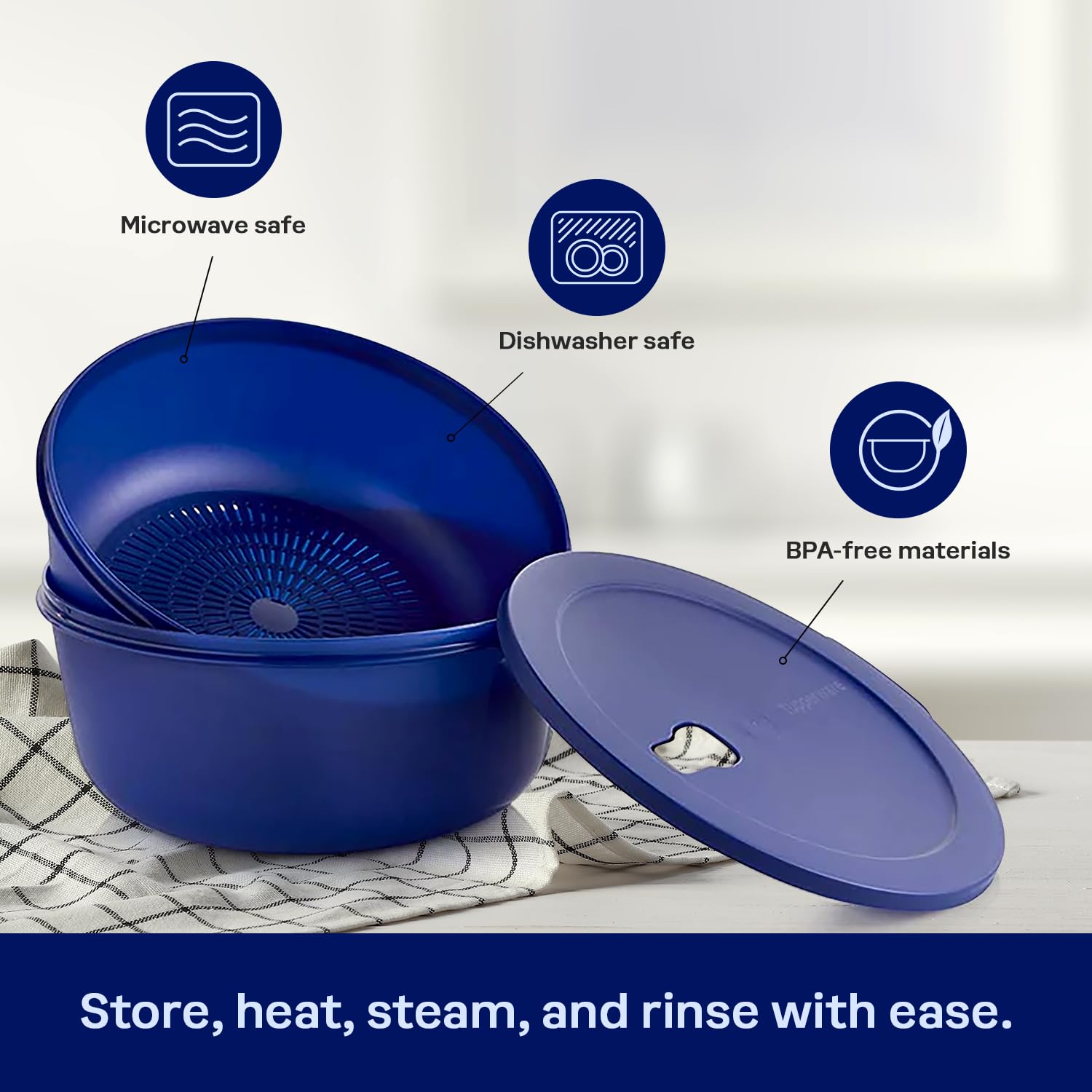
Frequently Asked Questions of which tupperware is microwave safe
What symbol indicates microwave-safe Tupperware?
Look for wavy lines or a microwave icon on the base. A PP or #5 resin code also suggests microwave safety.
Can I microwave Tupperware if it has no label?
No. If there is no microwave-safe label, avoid microwaving it. Use glass or labeled containers instead.
Is it safe to microwave Tupperware every day?
If the container is certified microwave-safe and in good condition, occasional daily reheats are okay. Replace containers that show wear, staining, or cracking.
Does heating cause chemicals to leach from Tupperware?
Some plastics can leach under high heat or damage. Using labeled PP, silicone, or glass minimizes that risk.
Are all Tupperware-brand products microwave-safe?
Not all. Tupperware makes a mix of microwave-safe and non-microwave products. Check each item’s label to know which tupperware is microwave safe.
Can I microwave frozen food in Tupperware?
Yes, if the container is microwave-safe and you defrost in short intervals while stirring. Avoid sudden high heat that can stress plastic.
How long will microwave-safe Tupperware last?
Lifespan varies by quality and use. With careful use, microwave-safe PP containers can last a year or more. Replace sooner if they warp or stain.
Conclusion
You can safely microwave food when you know which tupperware is microwave safe. Look for the microwave icon, resin code #5, and follow simple habits like venting lids, heating in short intervals, and replacing damaged containers. Choose glass or high-quality microwave-safe polypropylene when you want the safest option. Try these tips this week: inspect your containers, test any unlabeled piece, and make small swaps to glass for oily foods. If this guide helped, subscribe for more practical kitchen safety tips or leave a comment with your own container tests.

Appliance Review Expert
Lucas Ramirez is a trusted voice at HomeFixGrid.com, known for his clear, practical, and creatively written guides that simplify appliance care for everyday homeowners. With a strong focus on hands-on testing and real-world problem-solving, Lucas brings expert insight into appliance reviews and troubleshooting techniques. Her work empowers readers to confidently maintain, repair, and choose the right appliances for their homes.