How To Make My Fridge Colder: Easy Cooling Fixes
To make my fridge colder, lower its temperature setting, improve airflow, and clear causes of poor cooling.
If you are asking how to make my fridge colder, the safest target is about 37°F, while the freezer should stay near 0°F. A cold fridge depends on more than turning a dial. Airflow, door seals, dust, food placement, room temperature, and hidden mechanical faults all matter. This guide explains what to check first, what not to do, and when a repair is the better choice.
Set the refrigerator to the right temperature
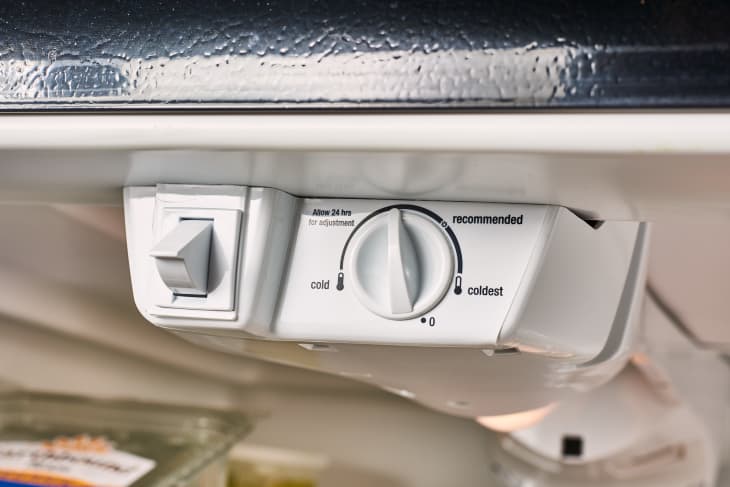
The first step in learning how to make my fridge colder is checking the temperature control. Most refrigerators work best when the fresh-food compartment stays between 35°F and 38°F. The U.S. Food and Drug Administration recommends keeping the refrigerator at or below 40°F to slow harmful bacterial growth.
A setting of 37°F is a good starting point. It keeps food cold without creating too much frost or wasting energy.
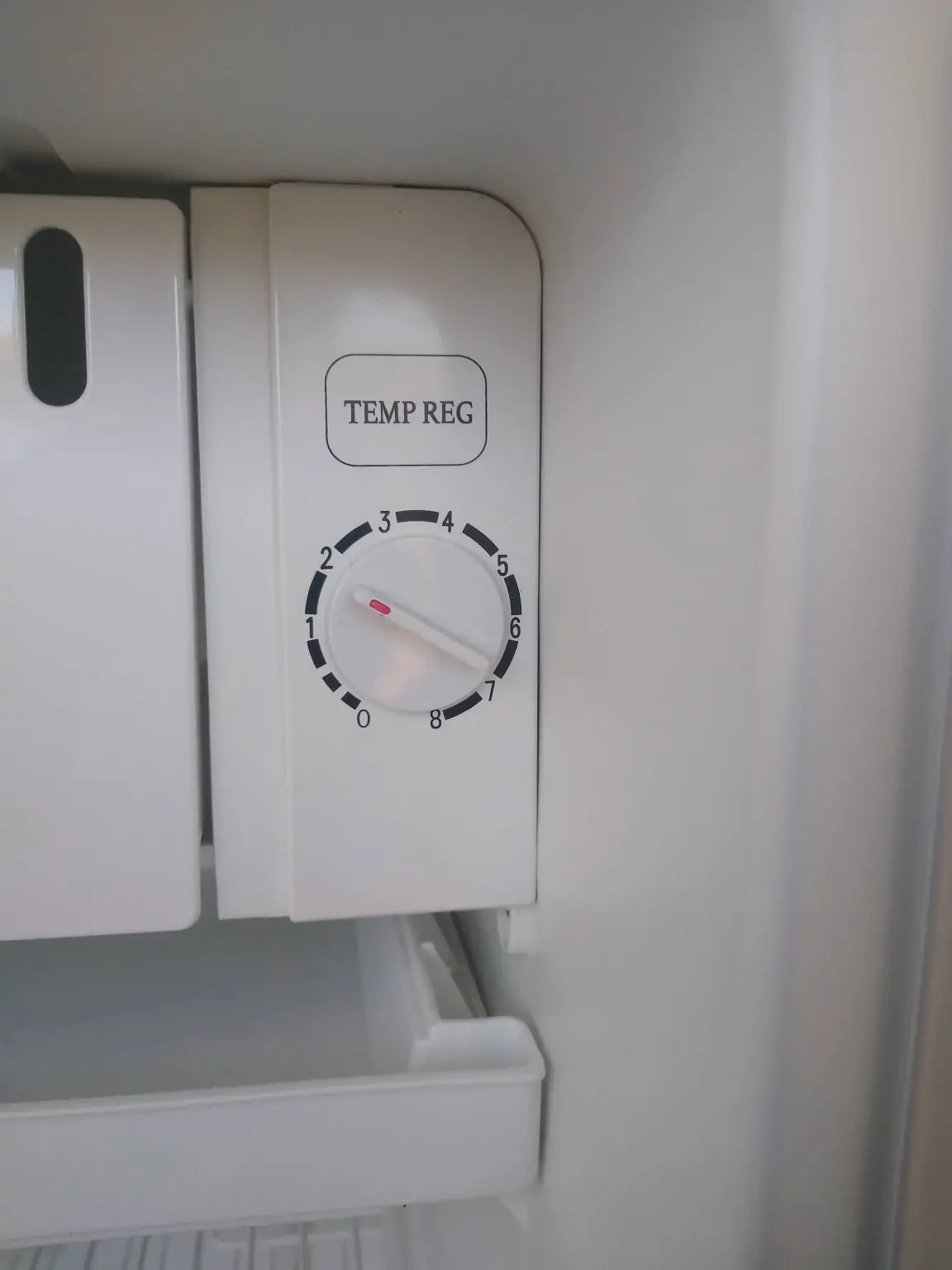
Many refrigerator controls use numbers instead of degrees. In most models, a higher number means more cooling, but not always. Check the owner’s manual before making a large change.
Follow these steps:
- Move the refrigerator setting one step colder.
- Wait at least 24 hours.
- Check the temperature with an appliance thermometer.
- Adjust again only if needed.
Do not judge the temperature by touching milk or the back wall. Some areas may feel cold while other areas remain too warm. An inexpensive refrigerator thermometer gives you a much clearer answer.
If your fridge uses separate controls for the refrigerator and freezer, adjust the correct control. Changing the freezer setting may not make the fresh-food section colder right away.
src="https://paradiseapplianceservice.com/wp-content/uploads/2020/09/temperature.jpeg"
alt="Set the refrigerator to the right temperature”
style=”max-width: 100%; height: auto; border: 2px solid black; border-radius: 10px; display: block; margin: 0 auto;”
loading=”lazy”
/>
Give the refrigerator time to cool
A refrigerator does not become colder at once. It may need 12 to 24 hours after a temperature change. If you open the door often, the cooling process takes even longer.
This delay is one reason people struggle with how to make my fridge colder. They turn the control several times in one afternoon. That can cause the unit to overcool, freeze produce, or create a thick layer of ice.
A simple test works well:
- Place a thermometer in the center of the middle shelf.
- Keep the door closed for several hours.
- Check the reading in the morning.
- Make one small adjustment if the reading is above 40°F.
Allow a full day after each change. Think of the refrigerator like a large, cold sponge. It needs time to absorb and spread the cold through the food and air.
If the temperature remains high after 24 hours, the problem may not be the setting. Poor airflow, a blocked vent, dirty coils, or a failed part may be limiting the cooling system.
Improve airflow inside the fridge
Cold air must move around the refrigerator. A crowded fridge can trap warm air in some areas and block the vents that carry cold air from the freezer.
When people ask how to make my fridge colder, I often suggest checking the vents before changing anything else. This simple step can solve uneven cooling without a service call.
Look for vents along the back wall, near the top shelf, or between the freezer and refrigerator sections. Keep food at least a few inches away from these openings.
Use these storage habits:
- Leave space between containers.
- Do not press bags against the back wall.
- Keep large trays from covering vents.
- Avoid packing food tightly into every shelf.
- Store tall items where they cannot block cold-air outlets.
Do not remove shelves unless the manual allows it. Shelves help guide airflow and support safe storage. Removing one may create more room but can also make cooling less even.
A full refrigerator usually holds cold better than an empty one, but overfilling is harmful. Aim for a balanced load with enough space for air to circulate.
Check the door seal
A damaged or loose door gasket lets cold air escape. Warm room air then enters the refrigerator and makes the compressor work harder.
To test the seal, close the door on a sheet of paper. If you can pull the paper out with almost no resistance, the gasket may not be sealing well. Test several places around the door because one corner can fail while the rest looks fine.
Clean the gasket with warm water and mild dish soap. Food residue can prevent a tight seal. Dry it well, then check whether the gasket sits flat against the cabinet.
Common signs of a bad refrigerator door seal include:
- Condensation around the door.
- Frost near the edge of the freezer.
- A door that feels loose.
- The compressor running for long periods.
- Food that stays warmer than the temperature setting suggests.
Replace a torn, cracked, or permanently warped gasket. Many door seals are user-replaceable, but the correct model number matters. A poor fit can waste energy and leave the fridge warm.
Also check whether shelves or bottles prevent the door from closing. A door that looks closed may still have a small gap.
Clean the condenser coils
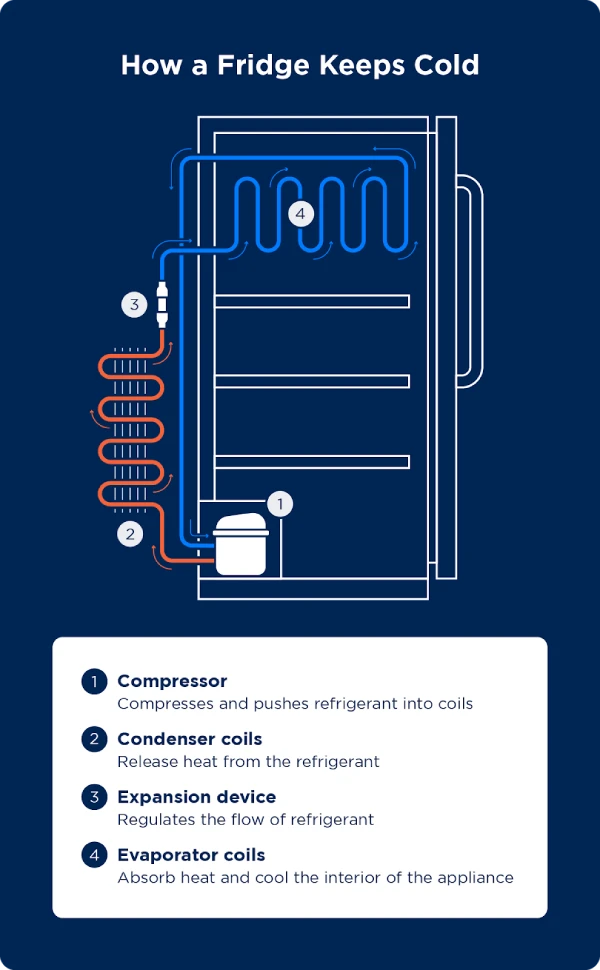
Dirty condenser coils can make a refrigerator run warm. These coils release heat from the cooling system. When dust and pet hair cover them, heat cannot escape easily.
The coil location depends on the model. It may be:
- Behind the lower front grille.
- Under the refrigerator.
- On the back.
- Built into the cabinet walls on some newer models.
Unplug the refrigerator before cleaning exposed coils. Use a coil brush or a vacuum with a soft brush attachment. Work gently, especially around wires and small parts.
Clean the coils every six to twelve months. Homes with pets, smokers, or heavy dust may need more frequent cleaning.
Never spray water into the motor area. Do not bend the coils or use sharp tools. If the coils are sealed inside the cabinet, do not try to open the unit. Follow the manufacturer’s care instructions instead.
In practical refrigerator troubleshooting, coil cleaning is one of the most useful low-cost steps. I have seen a fridge improve after a careful cleaning, especially when a thick layer of dust covered the lower grille.

Keep the fridge away from heat
Room temperature affects refrigerator performance. A unit beside an oven, dishwasher, radiator, or sunny window must remove more heat.
If possible, keep the refrigerator in a cool, dry location. Leave the clearance recommended by the manufacturer around the sides, top, and back. Tight spaces can prevent warm air from escaping.
Avoid placing hot food directly into the fridge. Let large portions cool briefly, but do not leave perishable food at room temperature for more than two hours. On very hot days, the safe limit is one hour when the room is above 90°F.
Divide large amounts of food into shallow containers. They cool faster and place less heat inside the refrigerator.
This advice helps with how to make my fridge colder without forcing the compressor to run constantly. The goal is to reduce heat entering the appliance, not simply demand more cooling.

Load food in a way that supports cooling
Food placement affects temperature. Some areas are colder than others, and the door is usually the warmest part because it is exposed to room air each time you open it.
A useful storage plan looks like this:
- Top shelves: Ready-to-eat foods and leftovers.
- Middle shelves: Milk, yogurt, and other foods that need steady cooling.
- Lower shelves: Raw meat, poultry, and seafood in sealed containers.
- Crisper drawers: Fruits and vegetables.
- Door shelves: Condiments and foods that tolerate small temperature changes.
Keep raw meat on the lowest shelf. This prevents leaks from contaminating food below it.
Do not put hot leftovers in deep, tightly sealed containers. Use shallow containers and leave a little space around them. Label leftovers with the date so you can use them safely.
If the fridge is nearly empty, add a few bottles of water. They can help stabilize the temperature, but they cannot fix a cooling fault. Never fill the unit so tightly that air cannot move.
Defrost a fridge with heavy ice buildup
Ice buildup can block airflow between the freezer and refrigerator. This often happens when a door seal leaks or when the defrost system has a fault.
A small amount of frost may be normal in some freezers. A thick sheet of ice is not. It can act like a wall that stops cold air from reaching the fresh-food section.
If the owner’s manual permits manual defrosting:
- Move food to a safe cooler.
- Unplug the refrigerator.
- Leave the doors open.
- Place towels around the appliance.
- Let the ice melt naturally.
- Dry the interior completely.
- Plug the unit back in and wait for it to cool.
Never use a knife, chisel, hair dryer, or heat gun to remove ice. You could puncture a refrigerant line, damage plastic, or create an electrical hazard.
If the ice returns within days or weeks, defrosting is only a temporary fix. A failed heater, sensor, timer, fan, or control board may need professional attention.

Check the fans and unusual sounds
Most modern refrigerators use fans to move air across the evaporator and condenser. If a fan fails, the fridge may run but still stay warm.
Listen for these warning signs:
- No fan sound when the refrigerator is running.
- A loud clicking or grinding noise.
- A fan that starts and stops often.
- A buzzing sound followed by silence.
- Frost covering the rear freezer panel.
Do not place your fingers near a moving fan. Some fans stop when a door opens, so testing them may require a safe procedure from the manual.
A soft hum is usually normal. A brief click may also be normal when the compressor starts or stops. The concern is a new sound combined with poor cooling, frost, water leaks, or long running times.
If you hear a sharp electrical buzz or smell burning plastic, unplug the refrigerator and arrange service.
Know when the refrigerator needs repair
Basic maintenance can help with how to make my fridge colder, but some problems require a technician. Refrigeration systems contain electrical parts, pressurized refrigerant, and sealed components that are not safe for casual repair.
Request professional service if:
- The fridge stays above 40°F after basic checks.
- The freezer also fails to freeze food.
- The compressor runs constantly.
- Ice quickly returns after defrosting.
- The door gasket cannot seal.
- The unit leaks refrigerant or oil.
- The circuit breaker trips.
- The refrigerator makes a loud, new mechanical sound.
A refrigerator that is warm but still running may have a blocked evaporator, failed fan, dirty coils, or a defrost problem. A refrigerator that is silent may have a control, compressor, relay, or power issue.
Do not add refrigerant yourself. Refrigerant work requires special tools and training. It can also be restricted by environmental and safety rules.
Before calling for service, write down the temperature, sounds, frost pattern, and recent changes. This information can help the technician find the cause faster.
Avoid these common mistakes
Some attempts to make a refrigerator colder can create new problems. Turning every control to the coldest setting is the most common mistake.
Very cold settings may freeze lettuce, berries, eggs, drinks, and food near the rear wall. They may also increase energy use without fixing blocked airflow or a bad seal.
Avoid these actions:
- Do not block the freezer vents.
- Do not scrape ice with a sharp tool.
- Do not place hot cookware inside.
- Do not keep the door open while deciding what to eat.
- Do not ignore a torn gasket.
- Do not use an extension cord unless the manufacturer specifically allows it.
- Do not put a thermometer against the cold back wall.
Another mistake is trusting the display without checking the actual temperature. A faulty sensor or display can show a normal number while food remains too warm. An appliance thermometer is a simple way to verify performance.
How to make my fridge colder safely
The safest method is gradual and measured. Start with the temperature setting, then check airflow, the door seal, condenser coils, food placement, and ice buildup.
Use this quick checklist:
- Set the refrigerator near 37°F.
- Wait 24 hours.
- Measure the center shelf with a thermometer.
- Move food away from vents.
- Clean the gasket.
- Check for door gaps.
- Clean accessible condenser coils.
- Look for heavy frost.
- Call a technician if the temperature remains above 40°F.
Food safety matters more than simply making the interior feel colder. Discard perishable food that has stayed above 40°F for too long, especially meat, seafood, dairy, eggs, and leftovers. When in doubt, follow food safety guidance rather than relying on smell or appearance.
Frequently asked questions about how to make my fridge colder
What temperature should my refrigerator be?
Set the refrigerator to about 37°F, with a safe operating range of 35°F to 38°F. Keep it at or below 40°F to help protect perishable food.
Does turning the fridge dial to a higher number make it colder?
On many refrigerators, a higher number means a colder setting. However, controls vary, so check the manual and wait 24 hours before making another adjustment.
Why is my fridge warm but the freezer cold?
Blocked vents, a failed evaporator fan, ice buildup, or a defrost problem can stop cold air from reaching the refrigerator section. Clear food from the vents and arrange service if the problem continues.
How long does it take for a fridge to get colder?
A refrigerator commonly needs 12 to 24 hours to reach a new temperature after an adjustment. Keep the door closed as much as possible during this time.
Can dirty coils make my fridge warmer?
Yes. Dusty condenser coils cannot release heat as well, so the refrigerator may run longer and cool poorly. Clean accessible coils carefully after unplugging the appliance.
Why does my fridge keep freezing food?
The setting may be too cold, airflow may be uneven, or a sensor or damper may be faulty. Move food away from the back wall and check the temperature with an appliance thermometer.
Should I put hot food in the refrigerator?
Place food in the refrigerator promptly, but divide large amounts into shallow containers first. Do not leave perishable food at room temperature for more than two hours.
Conclusion
Learning how to make my fridge colder starts with a correct temperature setting, not the coldest possible setting. Aim for about 37°F, check the temperature with a thermometer, keep vents clear, clean the door gasket and coils, and watch for heavy frost or unusual sounds.
Give each adjustment a full day to work. If the refrigerator remains above 40°F, protects food poorly, or shows signs of a mechanical fault, stop experimenting and contact a qualified appliance technician. Put these steps into practice today, and share your results or explore more refrigerator care guides for reliable, safe cooling.

Appliance Review Expert
Lucas Ramirez is a trusted voice at HomeFixGrid.com, known for his clear, practical, and creatively written guides that simplify appliance care for everyday homeowners. With a strong focus on hands-on testing and real-world problem-solving, Lucas brings expert insight into appliance reviews and troubleshooting techniques. Her work empowers readers to confidently maintain, repair, and choose the right appliances for their homes.