How Cold Can A Refrigerator Get: Ideal Temperature Guide
A refrigerator can usually reach about 32°F, but normal food storage should stay near 37°F.
Knowing how cold can a refrigerator get helps you store food safely, prevent freezing, and spot problems early. Temperature depends on the setting, room heat, airflow, door seals, and the refrigerator’s control system. This guide explains the safe range, the coldest possible temperature, common causes of freezing, and simple ways to check your appliance.
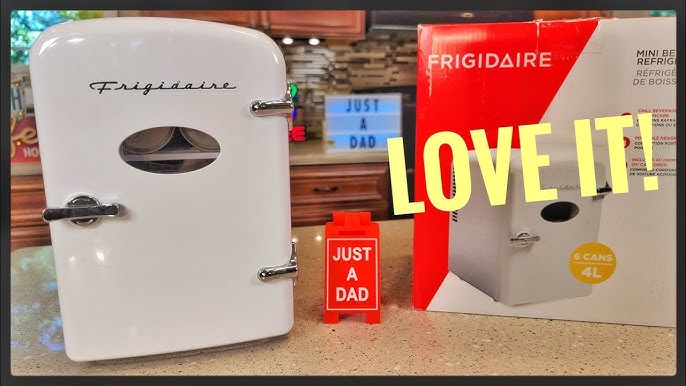
How cold can a refrigerator get?
Most household refrigerators are designed to keep the fresh-food compartment between 35°F and 38°F. The ideal target is about 37°F, while the food safety limit is 40°F or below.
A refrigerator can sometimes reach 32°F or lower. At that point, water-based foods may freeze. Some areas near the back wall, air vents, or cooling plate may fall below freezing even when the average compartment temperature seems normal.
How cold can a refrigerator get in extreme cases? A faulty unit may drop into the 20s°F. This is not normal operation. It often points to a failed thermostat, bad temperature sensor, blocked airflow, or a control board problem.
The exact result varies by model. A compact refrigerator, garage refrigerator, smart refrigerator, and commercial-style unit may all use different cooling systems and control ranges.
:max_bytes(150000):strip_icc()/RealSimple_refrigerator-temperature_01_preview-8d2cf36eb6064a3c99ed9e920010ba3c.jpg)
The safest refrigerator temperature
Food safety experts generally recommend keeping the refrigerator at 40°F or below. The ideal setting for many homes is 37°F because it gives you a safety buffer without causing frequent freezing.
Use these temperature targets as a guide:
• Refrigerator compartment: 35°F to 38°F
• Maximum safe food-storage temperature: 40°F
• Freezer compartment: 0°F
• Temperature that may freeze many foods: 32°F and below
A refrigerator set to 40°F can still become unsafe if the door opens often or the appliance is packed too tightly. Warm air enters each time the door opens. The unit then needs time to remove that heat.
On the other hand, setting the control to its coldest position may not make the refrigerator cool evenly. It can create very cold spots near vents while the door shelves remain warmer.
What determines how cold a refrigerator gets?
Several parts and conditions affect refrigerator temperature. Think of the appliance as a small climate system. It removes heat, moves cold air, and uses sensors to decide when to stop cooling.
Temperature setting
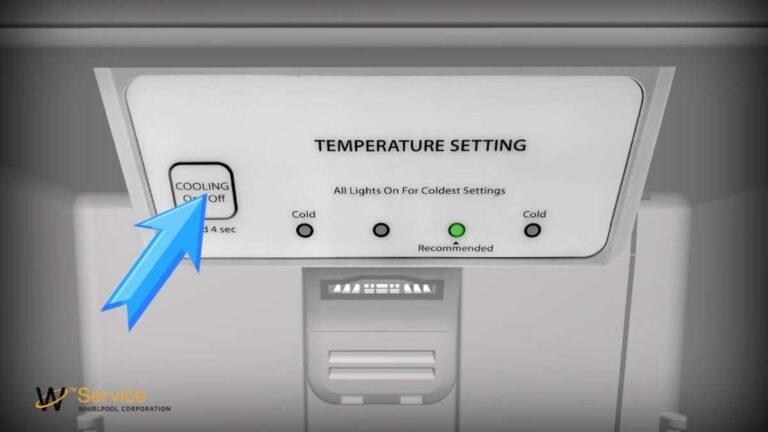
The control setting is the first factor. A higher number often means more cooling, but the meaning differs by brand.
Some dials use numbers from 1 to 5 or 1 to 7. These numbers are not exact temperatures. On many models, a higher number means colder. Check the owner’s manual before making a major adjustment.
Thermostat or temperature sensor
The thermostat tells the compressor when to run. Modern refrigerators often use electronic thermistors instead of simple mechanical thermostats.
If the sensor gives a false warm reading, the compressor may run too long. This can make the refrigerator much colder than intended and may freeze food.
Airflow
Cold air must circulate through the compartment. A blocked vent can trap cold air in one area and leave other areas too warm.
Do not push food against the rear wall or cover the vents with containers. Leave space between items so air can move freely.
Door seal
A damaged gasket lets warm air enter. The refrigerator may run more often, but it may still have uneven temperatures.
A simple paper test can help. Close the door on a sheet of paper. If the paper slides out easily, the gasket may not seal well.
Room temperature
Most refrigerators work best in a moderate indoor environment. A very hot kitchen can make cooling harder. A cold garage can also cause trouble, especially with models that are not rated for low temperatures.
Compressor and refrigerant system
The compressor pumps refrigerant through the cooling system. A dirty condenser coil, weak compressor, or sealed-system fault can change the appliance’s temperature.
A unit with a serious mechanical problem may run constantly, cool poorly, or create severe ice buildup.

Can a refrigerator get below freezing?
Yes, a refrigerator can get below freezing, but the fresh-food section is not meant to operate there. Water freezes at 32°F, though foods with sugar or salt may freeze at slightly lower temperatures.
The coldest areas are often:
• Near the rear wall
• Beside the cold-air outlet
• Under the freezer air duct
• On the top shelf in some models
• Near the evaporator cover
A small amount of freezing in one spot does not always mean the whole refrigerator is too cold. However, repeated freezing is a warning sign.
Common symptoms include:
• Lettuce becoming limp after thawing
• Milk developing ice crystals
• Eggs freezing near the back
• Fresh fruit becoming hard or watery
• Drinks freezing on one shelf
How cold can a refrigerator get when food freezes? It may be close to 32°F, or it may be much colder in a small area. Use a thermometer to measure the actual temperature instead of guessing from the food.
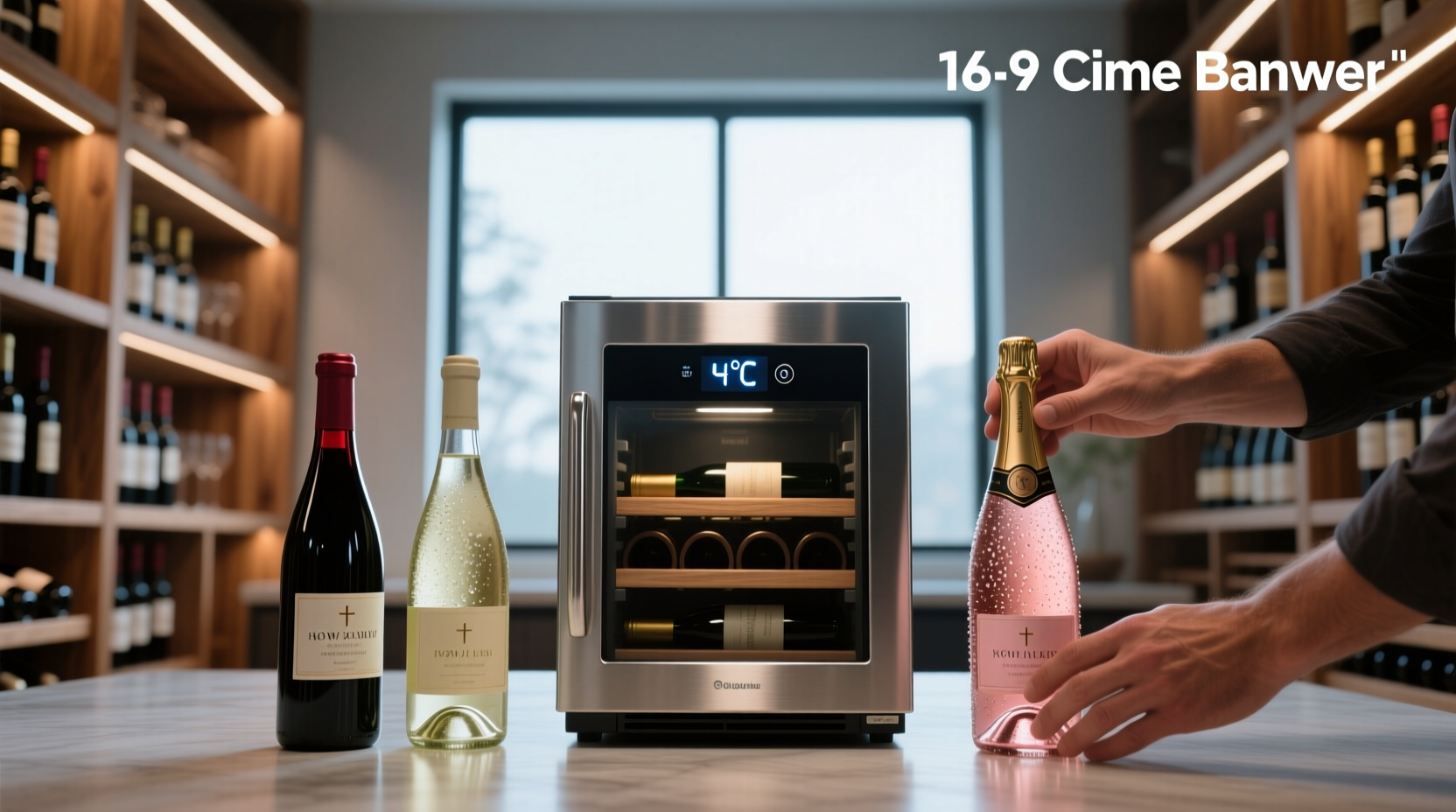
Why is my refrigerator freezing food?
Food freezes when its surface or surrounding air drops below the food’s freezing point. This can happen even when the refrigerator is not completely frozen.
The most common causes include:
The temperature setting is too cold
Move the control toward a warmer setting. Make small changes, then wait 24 hours before checking again.
Large changes can make diagnosis harder. A refrigerator needs time to stabilize after an adjustment.
Food is blocking the air vent
Cold air from the freezer often enters the fresh-food compartment through a vent. Food placed directly in front of that vent may freeze.
Move items a few inches away. Do not cover the opening with bags, boxes, or containers.
The temperature sensor is misplaced
Some refrigerators have a sensor mounted near the back wall. If food presses against it, the sensor may read the wrong temperature.
Keep that area clear. Follow the spacing advice in the manual.
The damper is stuck open
A damper controls cold air entering the refrigerator section. If it remains open, too much freezer air may enter.
This repair often requires a technician, especially when the damper is behind a panel.
The defrost system has failed
A failed defrost heater, timer, or sensor can cause heavy frost on the evaporator. The frost blocks airflow and creates uneven temperatures.
You may notice frost on the rear freezer wall or a refrigerator that runs for long periods.
The door gasket leaks
Warm air from the room adds moisture. That moisture can freeze near vents and create more airflow problems.
Clean the gasket with mild soap and warm water. Replace it if it is cracked, loose, or permanently warped.
From appliance troubleshooting, one lesson appears again and again: people often turn the dial colder when the real problem is blocked airflow. That can freeze food without fixing the root cause.

How to measure refrigerator temperature correctly
The built-in display may show a target temperature, not the actual temperature of the food compartment. A separate appliance thermometer gives a more useful reading.
Follow these steps:
-
Place a refrigerator thermometer in a glass of water.
-
Put the glass on the middle shelf.
-
Keep it away from the door, rear wall, and air vents.
-
Leave it in place for at least 24 hours.
-
Check the reading before opening the door.
The water helps represent the temperature of food rather than a brief burst of cold air. Take readings at different times if the temperature seems unstable.
Check more than one location if you suspect uneven cooling. A refrigerator may read 37°F in the center but fall below 32°F near the rear wall.
How cold can a refrigerator get should be answered with measured data, not just a dial number. A low-cost thermometer can reveal a safety issue before spoiled food does.
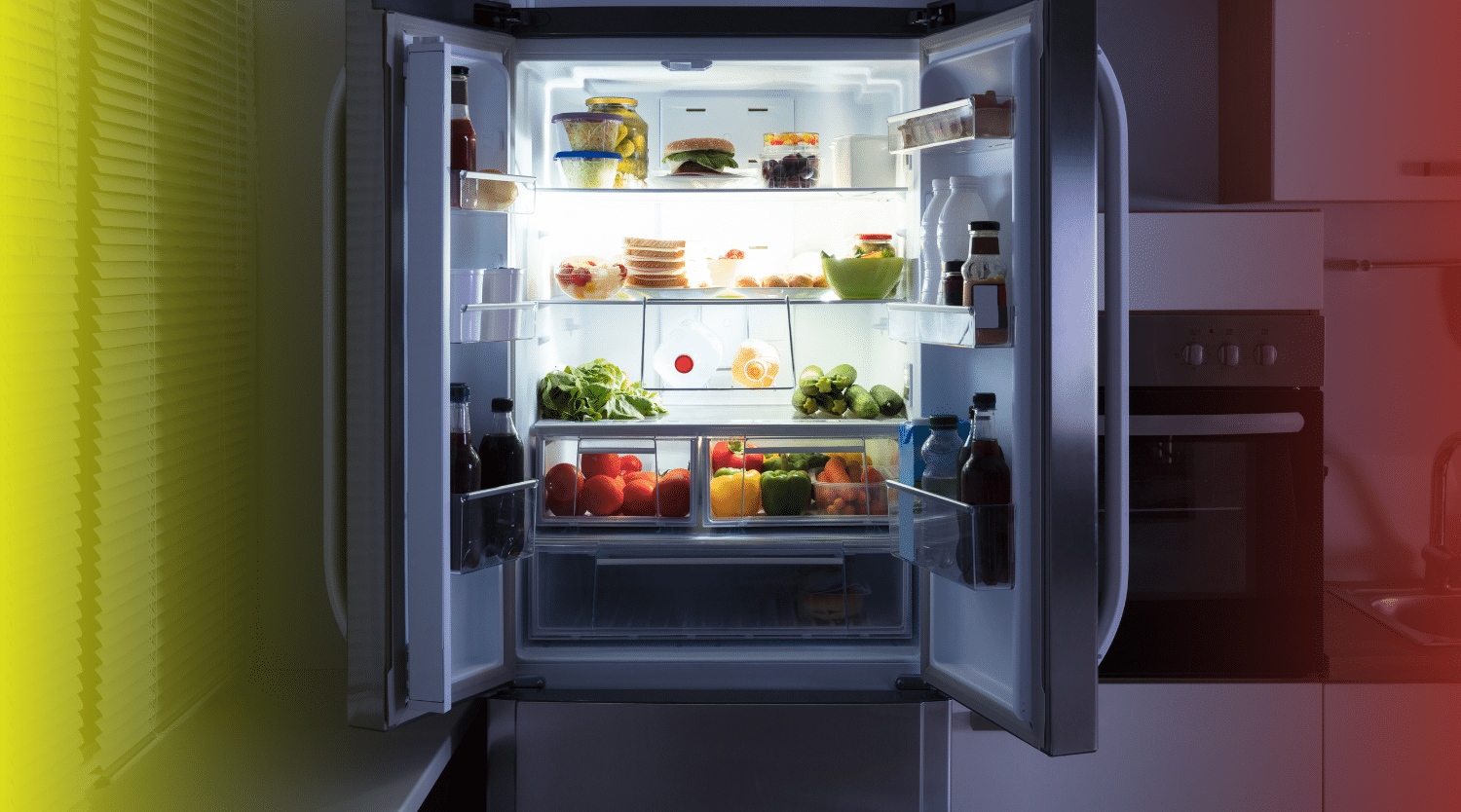
How to adjust a refrigerator that is too cold
Start with the simplest steps before calling for service:
• Move the setting one step warmer.
• Wait 24 hours.
• Move food away from vents and the rear wall.
• Check that the door closes fully.
• Inspect and clean the door gasket.
• Make sure the refrigerator is not packed too tightly.
• Clean accessible condenser coils if the manual allows it.
• Check for heavy frost on the freezer wall.
Do not use a hair dryer to remove frost unless the manufacturer specifically allows it. Heat can damage plastic parts, wiring, or the liner. Never use a knife or sharp tool to chip away ice.
If food still freezes after these steps, unplug the refrigerator only when it is safe to do so and follow the manufacturer’s service instructions. Persistent problems may involve the sensor, damper, control board, or sealed cooling system.

How cold can a refrigerator get without wasting energy?
A very cold setting usually requires more compressor run time. That can increase electricity use and place extra wear on the appliance.
The best balance is often around 37°F in the refrigerator and 0°F in the freezer. Lowering the refrigerator to the low 30s does not provide a major food-safety benefit if the normal compartment is already at or below 40°F.
Energy use also rises when:
• The door opens often
• Hot food is placed inside
• The condenser coils are dirty
• The gasket leaks
• The refrigerator is in direct sunlight
• Air cannot circulate around the cabinet
Do not overfill the compartment, but do not leave it nearly empty either. Food and drinks help hold stable temperatures, while open air changes temperature quickly.
Refrigerator temperature differences by location
The temperature inside a refrigerator is not uniform. Cold air sinks, vents create cold zones, and the door loses more cool air than the main compartment.
Typical temperature patterns include:
• Door shelves: Often the warmest area
• Upper shelves: Usually fairly stable
• Lower shelves: Often cooler
• Crisper drawers: Designed to manage moisture, not always temperature
• Rear wall: May be the coldest area
Store milk and other highly perishable foods on an interior shelf rather than in the door. Use the door for items that tolerate mild temperature changes, such as condiments.
The owner’s manual remains the best guide because air paths differ between top-freezer, bottom-freezer, side-by-side, and French-door models.
When to call a refrigerator technician
Contact a qualified technician if the refrigerator stays below 32°F after proper adjustment or if food continues to freeze for more than a day.
Professional service may be needed when:
• The compressor never stops running
• The temperature changes sharply
• The display shows an error code
• Frost covers the freezer’s rear wall
• The fan makes unusual sounds
• The refrigerator leaks water
• The door gasket cannot seal
• The unit is cold in one area but warm in another
Do not attempt to open a sealed refrigeration system. Refrigerant work requires specialized tools and training. It also carries safety and environmental risks.
Before scheduling service, record the temperature, note where food freezes, and write down when the problem began. This information can help a technician find the cause faster.
Frequently Asked Questions
How cold can a refrigerator get on its coldest setting?
Many household refrigerators can reach about 32°F, and some areas may fall into the 20s°F. The coldest setting is not always a precise temperature, so use an appliance thermometer to check the result.
Is 35°F too cold for a refrigerator?
No. A setting of 35°F is generally safe, but some foods near the vents or rear wall may freeze. If freezing occurs, raise the setting slightly and improve airflow.
What temperature should a refrigerator be?
Aim for about 37°F, and keep the compartment at 40°F or below. The freezer should normally stay at 0°F.
Why does my refrigerator freeze food but the freezer works normally?
A blocked vent, faulty sensor, stuck damper, or poor airflow can send too much cold air into the fresh-food section. Check the setting and vent area first, then seek service if the issue continues.
Can milk freeze in a refrigerator?
Yes. Milk can freeze when the surrounding air falls near or below 32°F, especially near the back wall or a cooling vent. After thawing, its texture may change even if it remains safe when properly stored.
How long should I wait after changing the refrigerator temperature?
Wait about 24 hours before judging the new setting. Opening the door often can extend the time needed for the temperature to stabilize.
Is a refrigerator thermometer worth buying?
Yes. A thermometer shows the real compartment temperature, while a control dial or digital setting may show only the selected target. It is a simple way to protect food and detect cooling problems.
Conclusion
How cold can a refrigerator get depends on its design, setting, airflow, sensors, door seal, and condition. Most fresh-food compartments should stay near 37°F and never rise above 40°F, while temperatures near 32°F can freeze food.
Use a separate thermometer, keep vents clear, avoid pressing food against the rear wall, and make small setting changes. If freezing continues, treat it as a possible equipment problem rather than simply turning the dial warmer. Check your refrigerator today, and share your temperature reading or troubleshooting experience in the comments.

Appliance Review Expert
Lucas Ramirez is a trusted voice at HomeFixGrid.com, known for his clear, practical, and creatively written guides that simplify appliance care for everyday homeowners. With a strong focus on hands-on testing and real-world problem-solving, Lucas brings expert insight into appliance reviews and troubleshooting techniques. Her work empowers readers to confidently maintain, repair, and choose the right appliances for their homes.