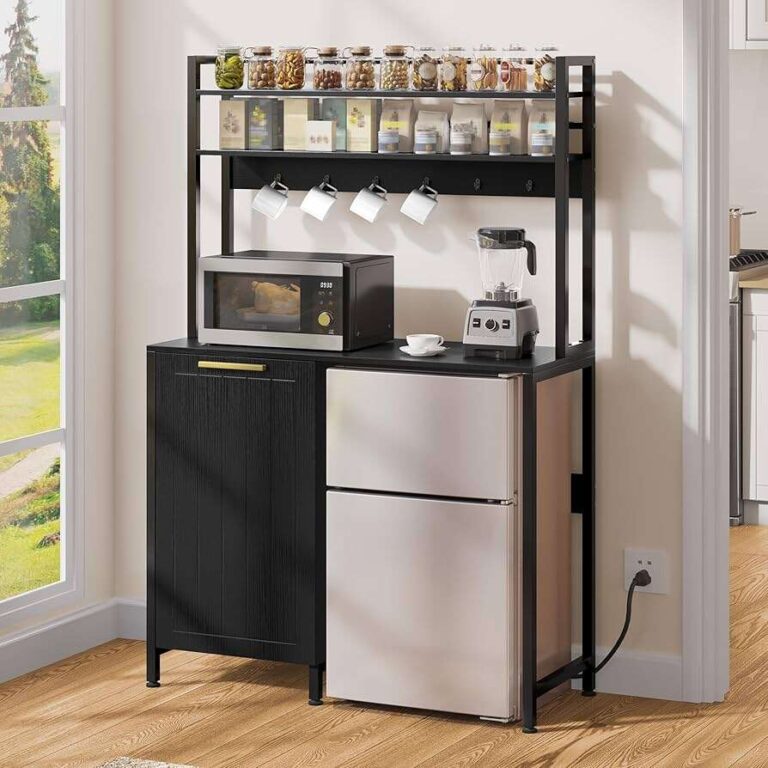
Do Countertop Microwaves Have Filters: What To Know
Most countertop microwaves do not have replaceable filters, but a few models include small air or grease filters.
If you wonder, “do countertop microwaves have filters,” the answer depends on the microwave’s design and manual. Standard countertop models usually vent through built-in openings and need no routine filter replacement, while over-the-range and some convection models may use grease or charcoal filters. Knowing the difference helps you clean the right part, avoid damage, and keep your microwave working safely.

Do countertop microwaves have filters?
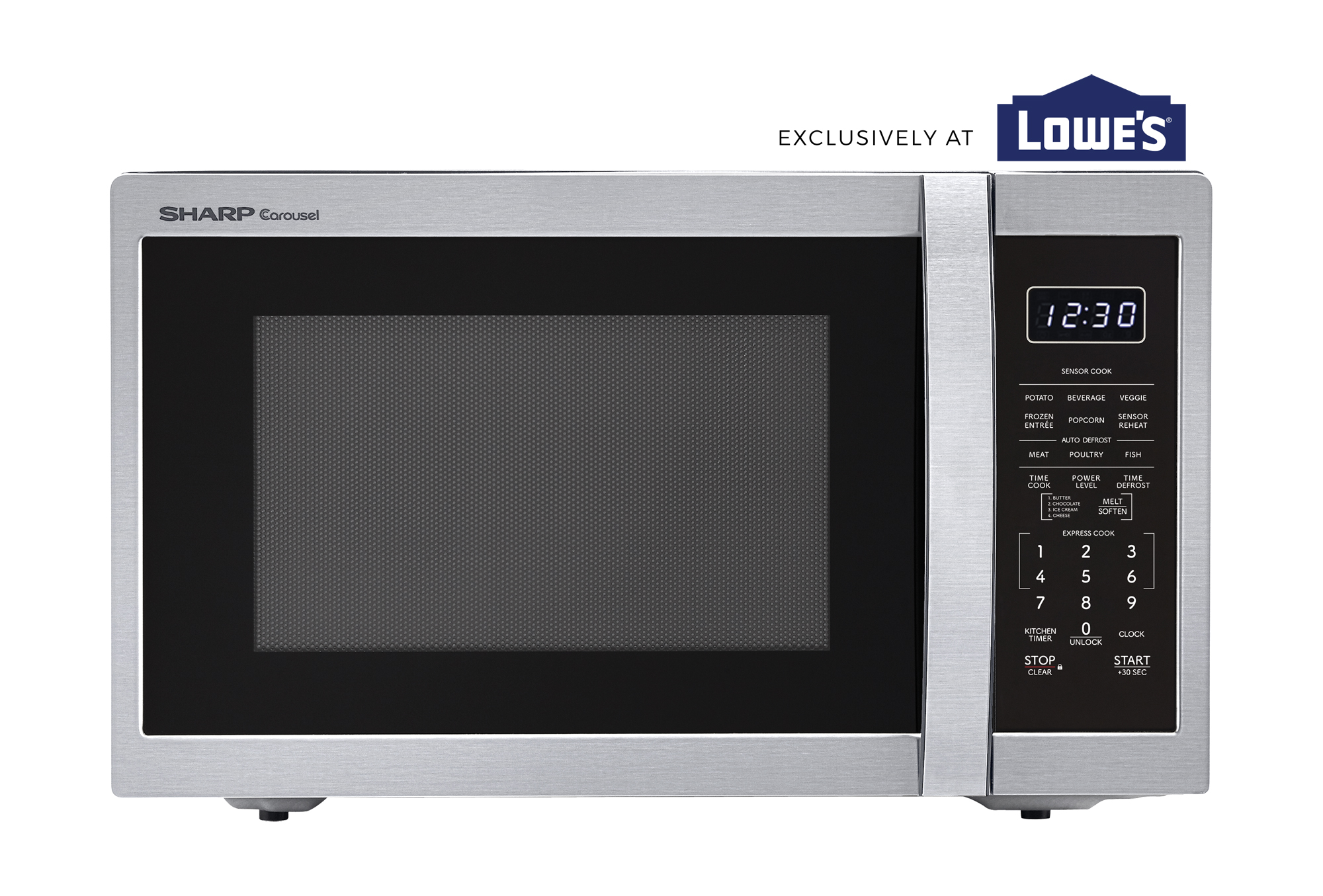
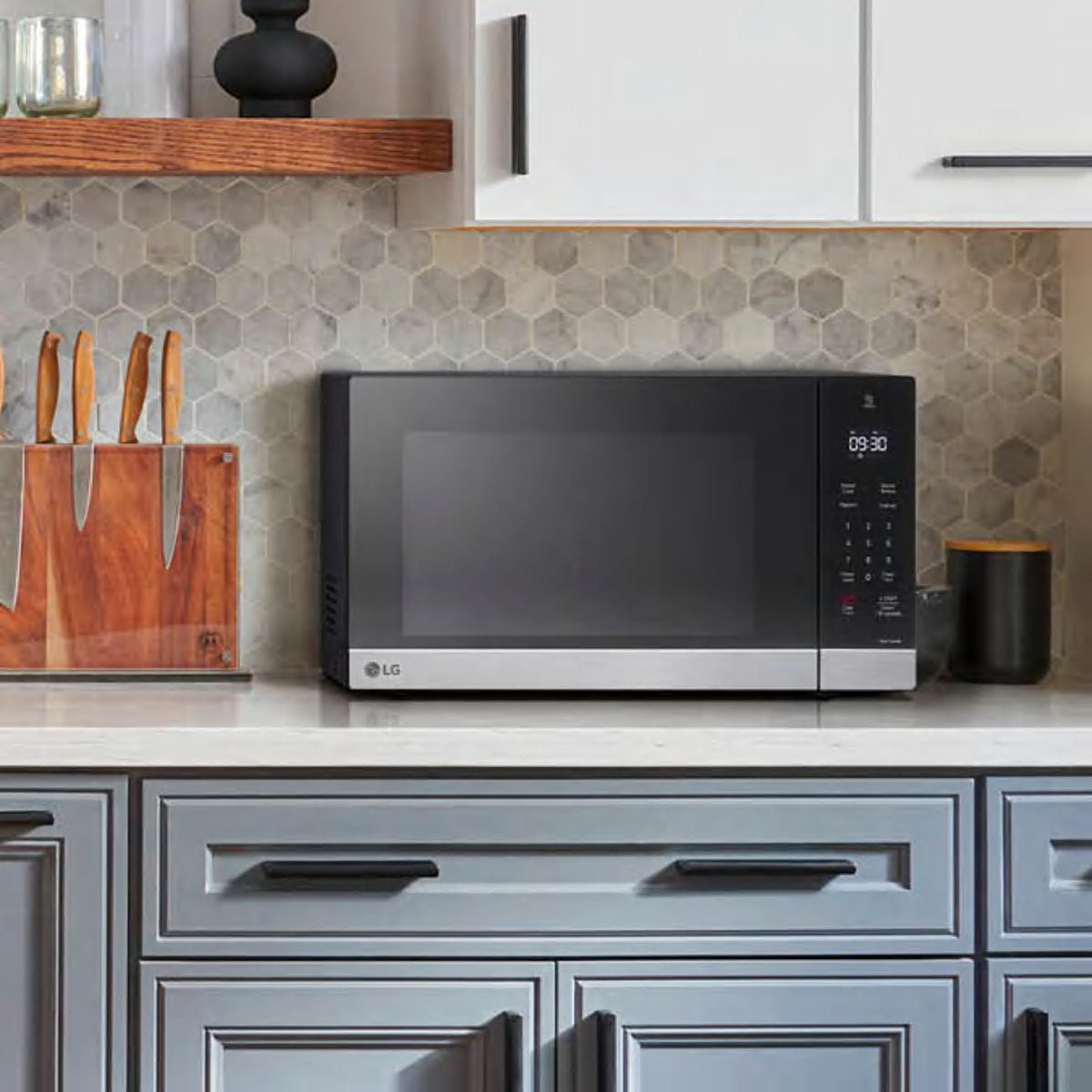
Most countertop microwaves do not have a removable grease filter or charcoal filter. They are made to sit on an open counter, where air can move around the unit instead of being pulled through a kitchen exhaust system.
When people ask, “do countertop microwaves have filters,” they often confuse them with over-the-range microwaves. Over-the-range models also act as range hoods. They pull cooking smoke and grease from the stovetop, so they need filters to catch residue or remove odors.
A typical countertop microwave has these parts instead:
• Air vents that release heat and moisture
• An internal fan that cools electrical parts
• A waveguide cover that protects the microwave channel
• A cooling system that circulates air inside the appliance
These parts are not the same as a replaceable air filter. A microwave may have a vent grille or screen, but that does not always mean it contains a serviceable filter.
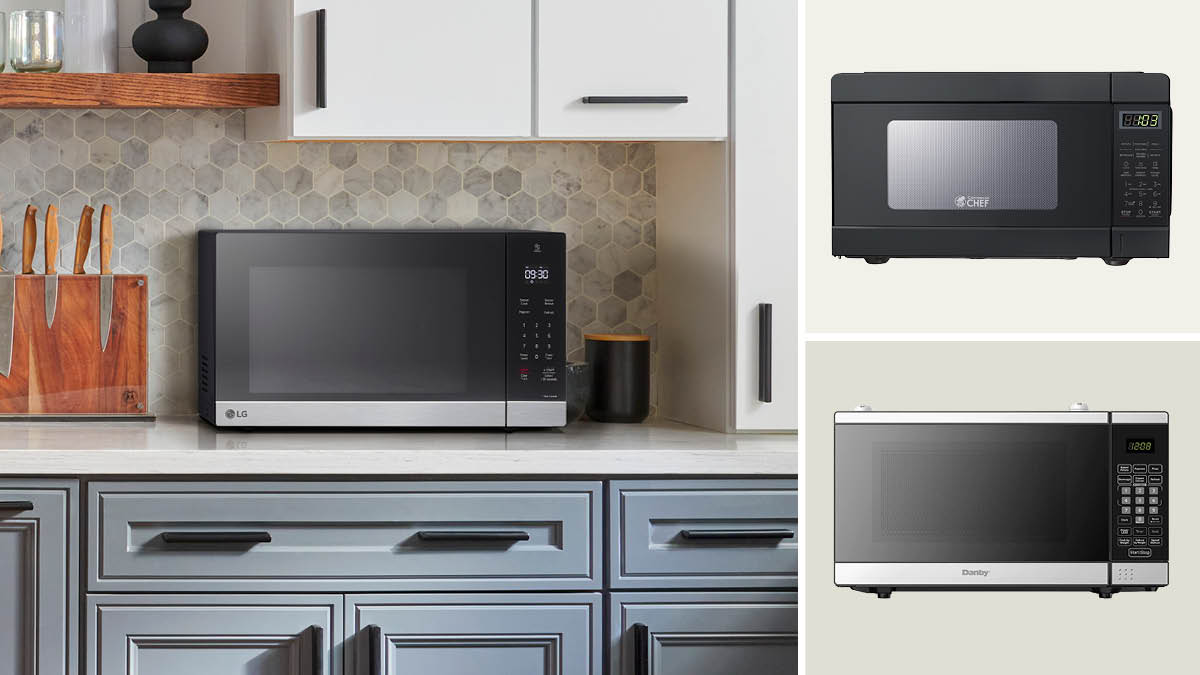
Why most countertop microwaves do not need filters
The main reason is simple: a countertop microwave usually does not function as a kitchen exhaust fan. It heats food inside a closed cooking cavity and sends warm air through vents near the back, side, or top.
An over-the-range microwave sits above a stove. It must handle airborne grease, steam, smoke, and food particles. A countertop microwave usually handles much less airborne grease because it is not directly above a cooktop.
This design keeps the appliance simpler. It also means you generally do not need to buy charcoal filters or wash a metal grease filter for a standard countertop model.
However, this does not mean the microwave needs no care. Dust can collect around the outside vents, and food vapor can leave a film inside the oven. A dirty vent can restrict airflow and make the unit run hotter.
In my hands-on appliance checks, the most common mistake is searching for a filter that the microwave never had. The owner removes a vent cover, sees a thin screen or plastic panel, and assumes it must be a filter. In many cases, it is only a vent guard or waveguide cover.
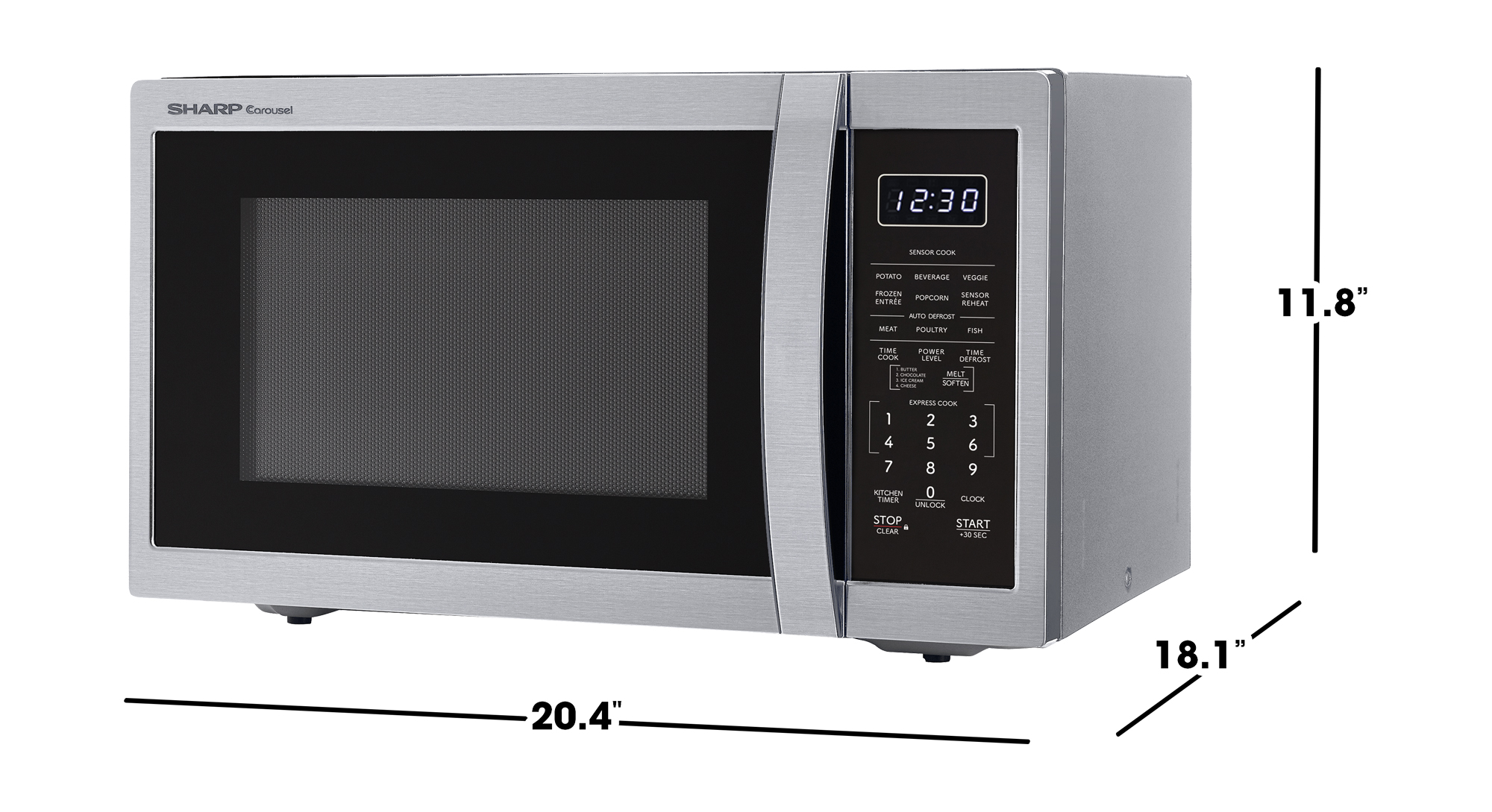
Countertop microwave filters versus over-the-range filters
Understanding the appliance type makes the answer much clearer. There are three common filter systems to know.
Grease filters
Grease filters are usually made from aluminum mesh or another washable metal. They sit under over-the-range microwaves and catch grease from stovetop cooking.
These filters should be cleaned often. A heavy grease layer can reduce airflow and create an unpleasant smell. Some manufacturers allow cleaning in warm, soapy water, while others provide different instructions.
A standard countertop microwave usually does not include this type of filter because it does not collect air from a cooktop.
Charcoal filters
Charcoal, or carbon, filters help reduce odors when an over-the-range microwave recirculates air into the kitchen. They are not normally washable. Instead, they must be replaced at the interval listed in the owner’s manual.
Charcoal filters are common in recirculating over-the-range models. They are less common in countertop microwaves.
Dust or air intake filters
Some specialty countertop units, convection microwaves, and commercial-style models may include an air intake filter. This filter protects the cooling system from dust or helps manage airflow.
If your model has one, the manual should explain where it is and whether it can be washed or replaced. Do not assume every small screen is designed for removal.
So, do countertop microwaves have filters? Most do not have the same filters found in over-the-range units, but specialty models can be exceptions.
:max_bytes(150000):strip_icc()/ar-change-microwave-filter-4x3-a943fd35376d4f5a8fb76e8d643aeb66.jpg)
What parts are often mistaken for a filter?
Several microwave parts look like filters but serve a different purpose. Identifying them correctly can prevent an expensive repair.
The waveguide cover
The waveguide cover is often a small, flat panel on the inside wall of the cooking cavity. It may look like cardboard, plastic, or a thin sheet of mica.
Its job is to protect the microwave’s waveguide from food splashes. It is not an air filter. Never remove it during normal cleaning unless the manual tells you to do so.
If the cover is burned, cracked, swollen, or covered with hard grease, replace it with the correct part. Operating the microwave without it can damage the appliance or create arcing.
The vent grille
The vent grille covers openings where air enters or leaves the microwave. It may have narrow slots or a mesh pattern.
A vent grille can collect dust, but it is not always a removable filter. Clean the outside gently with a soft brush or dry cloth. Do not push dirt into the openings.
The cooling fan
The fan moves air through the microwave to control heat. It is not a filter, although dust near the fan can affect airflow.
Never spray cleaner into the fan area. Liquid can reach electrical parts and cause a shock or equipment failure.
The grease shield
Some microwave interiors have a plastic or metal shield near the top or side wall. This part may catch splashes, but it is not necessarily a filter.
Check the manual before removing any shield. A part that looks simple may be positioned to protect sensitive components.
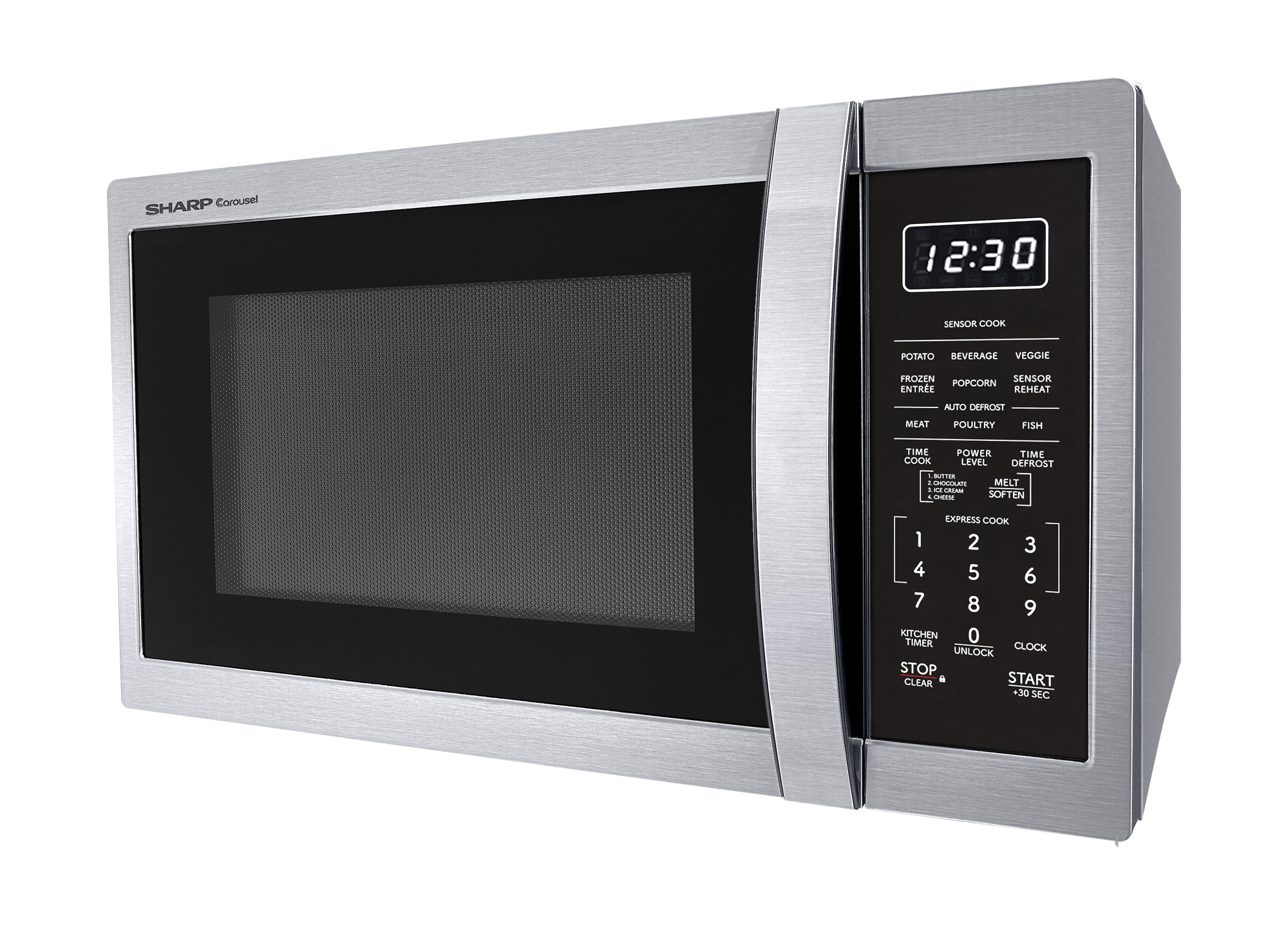
How to tell whether your countertop microwave has a filter
The owner’s manual is the best answer. Filter rules differ by model, brand, cooking method, and ventilation design.
Use this simple process:
-
Find the model number. Look inside the door frame, on the back, or on the bottom of the microwave.
-
Read the sections called “Cleaning,” “Care and Maintenance,” “Air Filter,” “Grease Filter,” or “Charcoal Filter.”
-
Look for a filter part number. A real replaceable filter usually has a listed part number and replacement instructions.
-
Inspect the outside vents without forcing them open.
-
Check whether your microwave includes convection cooking or an exhaust feature.
-
Contact the manufacturer if the manual is unclear.
Search results can be useful, but they are not always reliable. Two microwaves can look almost identical while using different ventilation parts. Use the exact model number instead of searching only by brand.
A useful rule is this: if the manual does not mention removing, washing, or replacing a filter, do not pry open the microwave to find one.
How to clean a countertop microwave without a filter
Even when do countertop microwaves have filters is answered with “no,” the appliance still needs regular cleaning. A clean cavity and clear vent area help support safe operation.
Clean the cooking cavity
Unplug the microwave before cleaning the outside. For the inside, use a soft cloth or sponge with mild dish soap and water.
For stuck food, place a microwave-safe bowl of water inside and heat it for a few minutes. Let the steam loosen the residue, then wipe the surfaces. Do not run the microwave empty.
Avoid harsh abrasives, steel wool, oven cleaner, and strong chemical sprays. These can damage the finish or leave residue near food.
Clean the door and seal
Wipe the door, window, and gasket with a damp cloth. Food buildup around the seal can keep the door from closing well.
Do not bend, cut, or remove the door seal. If the door is loose, cracked, or fails to close securely, stop using the microwave and arrange for service.
Clean the exterior vents
Dust the vent openings with a soft brush or vacuum attachment. Keep several inches of open space around the microwave if the manual requires it.
Never block the vents with a wall, cabinet, towel, or appliance. Poor airflow can cause overheating even when the microwave appears to work normally.
Inspect the waveguide cover
Look for dark marks, holes, peeling, or burn spots. A stained cover may only need gentle cleaning, but a damaged cover should be replaced.
One lesson I have seen repeatedly in appliance care is that aggressive cleaning creates more trouble than food residue. Scrubbing a waveguide cover or poking a vent with a sharp object can turn a small cleaning job into a repair.
When should you replace a microwave filter?
If your countertop unit truly has a filter, follow the model’s instructions rather than using a general schedule. Filter life depends on how often you cook, how much grease or steam the appliance handles, and whether it vents indoors.
Replace a filter when:
• The manual says it has reached its service interval
• The filter is torn, crushed, warped, or heavily blocked
• Odors remain after cleaning the appliance
• Airflow becomes weak
• The filter cannot be cleaned as the manual requires
• A service technician identifies it as worn
Do not replace a washable metal filter with a charcoal filter, or the other way around. They perform different jobs and may not fit correctly.
If do countertop microwaves have filters is still uncertain after checking the manual, contact the manufacturer with the model number. Guessing can lead to incorrect parts, blocked airflow, or damage to the vent system.
Can a countertop microwave work without a filter?
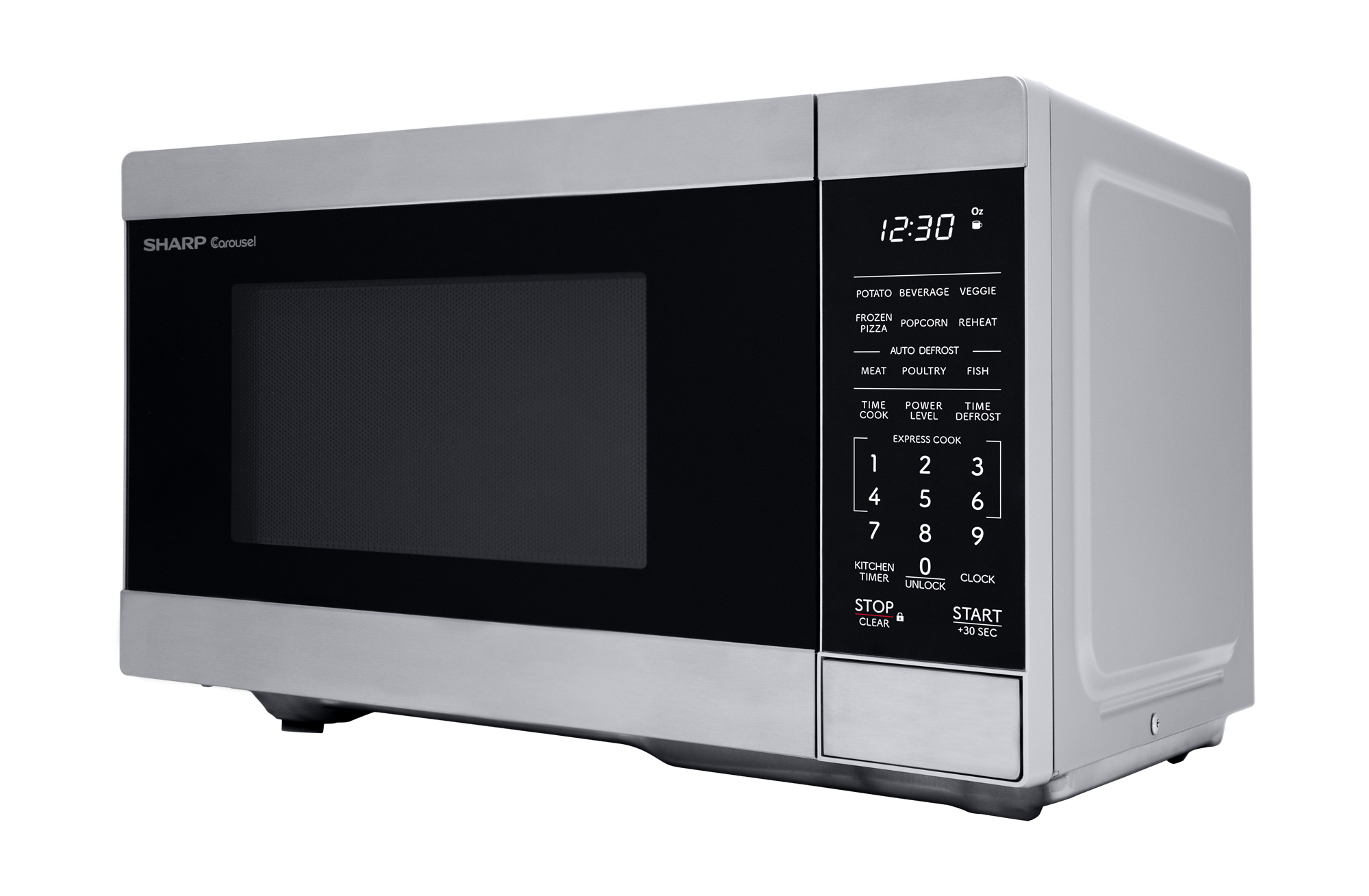
If the original design does not include a filter, there is no missing part to install. Adding a homemade filter, paper screen, cloth, or foam pad can block ventilation and create a fire or overheating risk.
If the microwave came with a removable filter, do not operate it without that filter unless the manufacturer clearly permits it. The filter may protect a fan, control area, or exhaust path.
Do not tape material over vents to stop dust. This can trap heat and interfere with the cooling system. Keep the unit clean, dry, and properly spaced instead.
Safety tips for microwave ventilation and maintenance
Correct maintenance is more than cosmetic. It protects the appliance and reduces avoidable risks.
• Unplug the microwave before moving it or cleaning the exterior.
• Keep vents clear on every side specified by the manual.
• Do not spray cleaner directly into vents, switches, or control panels.
• Never operate the microwave when the door, latch, seal, or waveguide cover is damaged.
• Do not remove the outer cabinet. High voltage can remain inside even after unplugging.
• Use only replacement parts made for the exact model.
• Stop using the appliance if you see sparks, smell burning, hear unusual buzzing, or notice repeated overheating.
• Do not use a microwave that has been exposed to water until it has been inspected.
Federal safety guidance and appliance manuals consistently stress the importance of an intact door system and proper ventilation. These are not areas where a quick DIY shortcut is worth the risk.
Do countertop microwaves have filters for odors?
Most countertop microwaves do not have charcoal odor filters. They usually release cooking moisture and odors through their normal vent system.
To reduce odors, clean spills soon after they happen. Heating a bowl of water with a small amount of lemon juice can loosen food residue, but the steam does not replace cleaning.
Persistent odors may come from burned food, grease on the ceiling, or residue around the turntable support. If the smell resembles burning plastic or wiring, stop using the microwave and seek professional service.
Some countertop convection or specialty models may include an odor or air filter. Check the manual before buying a replacement.
What happens if a countertop microwave vent is blocked?
A blocked vent can limit airflow and cause heat to build up inside the appliance. The microwave may shut down, heat unevenly, make unusual noises, or suffer damage to its internal parts.
Blocking a vent does not make the microwave heat food faster. It only prevents the cooling system from doing its job.
Keep the microwave away from crowded corners and do not place objects on top unless the manufacturer allows it. Follow the required clearance listed in the manual because spacing varies between models.
Frequently Asked Questions About Do Countertop Microwaves Have Filters
Do all countertop microwaves have filters?
No. Most standard countertop microwaves do not have replaceable grease or charcoal filters. A few specialty, convection, or commercial-style models may include an air filter, so check the exact manual.
Where is the filter on a countertop microwave?
If the model has a filter, it may be behind a vent grille, near an air intake, or under a removable panel. Do not remove panels by force because many countertop microwaves have no serviceable filter.
Can I wash a countertop microwave filter?
Only wash a filter when the manufacturer says it is washable. Metal grease filters may be washable, while charcoal filters usually require replacement.
How often should a microwave filter be replaced?
The correct interval depends on the model and usage. Follow the owner’s manual, and replace the filter sooner if it is damaged, blocked, or unable to control odors.
Is the waveguide cover a microwave filter?
No. The waveguide cover protects the microwave’s internal waveguide from food splashes. It should stay in place and must be replaced if it becomes burned, cracked, or damaged.
Can I add a filter to a countertop microwave?
No. Do not add paper, cloth, foam, or another homemade filter. It may block ventilation and cause overheating or fire.
Why does my countertop microwave smell bad?
A bad smell often comes from burned food or grease inside the cavity, around the turntable, or near the waveguide cover. Clean the microwave safely, but stop using it if the smell suggests burning wires or plastic.
Conclusion
So, do countertop microwaves have filters? In most cases, no. Standard models use vents, fans, and a waveguide cover rather than the grease and charcoal filters found in many over-the-range microwaves.
The safest approach is to check the exact model manual, keep the vents clear, clean food residue promptly, and never remove a part by force. If your microwave has a listed filter, use only the correct replacement and follow the maker’s care instructions. Check your model today, and share your experience or questions in the comments.

Appliance Review Expert
Lucas Ramirez is a trusted voice at HomeFixGrid.com, known for his clear, practical, and creatively written guides that simplify appliance care for everyday homeowners. With a strong focus on hands-on testing and real-world problem-solving, Lucas brings expert insight into appliance reviews and troubleshooting techniques. Her work empowers readers to confidently maintain, repair, and choose the right appliances for their homes.