
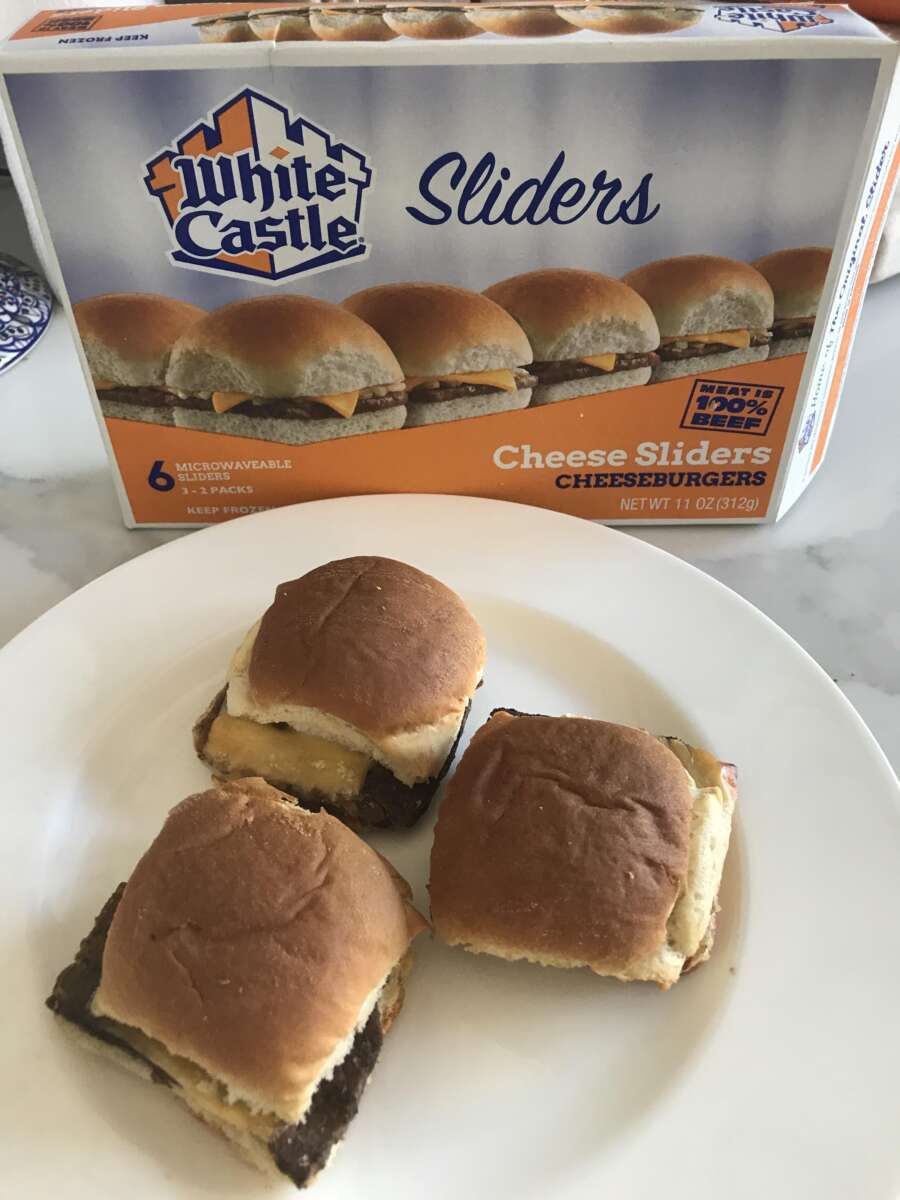
How To Cook Frozen White Castle Burgers In Microwave: Easy
Microwave frozen White Castle burgers on high, cover with a damp paper towel, and heat until steaming hot.
Learning how to cook frozen White Castle burgers in microwave is simple, but small details make a big difference. The right time, moisture, and resting period help keep the buns soft while warming the beef and cheese evenly. This guide explains the safest method, timing by burger count, common mistakes, and easy ways to improve the texture.
What You Need Before You Start
Before you cook frozen White Castle burgers in microwave, gather a few basic items. You do not need special equipment, but using the right tools helps prevent dry buns and cold centers.
You will need:
• Frozen White Castle burgers or sliders
• A microwave-safe plate
• One damp paper towel
• Microwave-safe tongs or a fork
• A food thermometer, if available
Check the package before opening it. White Castle sells several frozen products, including hamburgers, cheeseburgers, chicken sliders, and breakfast sandwiches. Cooking times can vary by product, package size, microwave power, and the number of burgers heated at once.
Never assume the original wrapper is microwave-safe. Some packages are designed for heating, while others must be removed first. When the package directions differ from this guide, follow the package directions.

How to Cook Frozen White Castle Burgers in Microwave
The best general method uses short, controlled heating. A damp paper towel adds a little steam, which helps protect the soft slider bun.
-
Remove the frozen burgers from the box and separate them if possible.
-
Remove any plastic film, paper wrap, cardboard sleeve, or packaging that is not labeled microwave-safe.
-
Place the burgers on a microwave-safe plate. Leave a little space between each one so the heat can move around them.
-
Cover the burgers with a damp paper towel. The towel should be moist, not dripping wet.
-
Microwave on high using the package time as your starting point.
-
Let the burgers rest for about one minute before eating. This allows heat to spread through the center.
-
Check the middle of the thickest burger. It should be hot and steaming. If you use a food thermometer, the center should reach 165°F.
For many frozen White Castle products, one burger takes about 45 to 60 seconds in a standard 1,000-watt microwave. Two burgers often need about 75 to 90 seconds. Three or four may need 2 to 2½ minutes.
These times are estimates, not fixed rules. Microwave ovens heat food at different speeds, so begin with less time and add 10 to 15 seconds when needed. This method is more reliable than using one long cooking cycle.
Microwave Timing Chart
Use this chart as a practical starting point for standard frozen White Castle burgers. Always compare it with the directions printed on your package.
| Number of burgers | Starting time on high |
|---|---|
| 1 burger | 45 to 60 seconds |
| 2 burgers | 75 to 90 seconds |
| 3 burgers | 1½ to 2 minutes |
| 4 burgers | 2 to 2½ minutes |
If your microwave has lower power, the burgers may need more time. A 700-watt microwave can take longer than a 1,200-watt model. If your microwave is very powerful, use shorter bursts to avoid tough meat and chewy bread.
When cooking frozen White Castle burgers in microwave, arrange them in a single layer. Do not stack them. Stacking blocks heat and often leaves the center of the top burger cold.

Why the Damp Paper Towel Matters
A frozen slider can lose moisture quickly in the microwave. The bread may become hard around the edges while the center remains cool. A damp paper towel creates gentle steam and helps the bun stay soft.
Think of the towel as a small steam blanket. It does not cook the burger by itself, but it reduces moisture loss during heating. This is one of the easiest ways to improve the texture.
Use a paper towel that is labeled microwave-safe. Avoid towels with metallic ink, plastic fibers, or heavy printed designs. Do not use aluminum foil in the microwave.
You can also cover the plate with a vented microwave-safe lid. Leave a small opening for steam to escape. Do not seal the container tightly, since pressure can build up.
How to Check If the Burgers Are Fully Heated
Appearance alone does not always show whether a frozen burger is hot enough. The bun may feel warm while the meat inside is still cold.
Cut one burger through the center and check for:
• A hot middle
• Warm meat throughout
• Melted or soft cheese
• Steam when opened
• No icy or chilled section
For the most accurate check, place a food thermometer into the center of the patty. The burger should reach 165°F before serving. This target follows standard food safety guidance for reheating cooked foods and helps reduce the risk of serving a cold center.
If the burgers are not hot enough, return them to the microwave for 10 to 15 seconds. Let them rest again before checking. Small bursts work better than one long cycle.
Never eat a burger that is still cold in the middle just because the outside feels warm. The center is the part that needs the most attention.

How to Keep the Buns Soft
The bun is often the first part to suffer when you microwave frozen White Castle burgers. Too much heat can make it rubbery, dry, or tough.
Try these simple techniques:
• Use a damp paper towel instead of heating the burgers uncovered.
• Heat only until hot. Extra time will not improve the flavor.
• Let the burgers rest for one minute after cooking.
• Avoid reheating the same burger several times.
• Place the burgers near the center of the turntable if your microwave has uneven heating.
• Separate burgers that are stuck together before cooking.
One useful trick is to heat the patty and bun together as directed, then leave the burger covered during the resting period. The trapped steam softens the bread without making it soggy.
If the bun becomes slightly chewy, reduce the next heating cycle by 10 seconds. Microwave cooking often takes a little adjustment, much like learning the best setting for your own toaster.
How to Cook Different White Castle Frozen Products
Not every White Castle frozen item cooks the same way. The shape, filling, bun, and package size can change the heating time.
Frozen cheeseburgers
Cheeseburgers usually follow the same basic method as hamburgers. The cheese may become very hot, so allow the burger to rest before taking the first bite.
Frozen hamburgers
Plain hamburgers may heat slightly faster than cheeseburgers. Still, check the center because the patty can remain cold even when the bun feels warm.
Chicken sliders
Chicken products may have a different package method. Follow the printed instructions closely and confirm that the center is hot before serving.
Breakfast sliders
Breakfast sandwiches can contain egg, sausage, cheese, or bacon. Their thicker fillings may require more time, but the package directions should remain your main guide.
The safest approach to cooking frozen White Castle burgers in microwave is to treat the package as the primary source and use general timing only as a helpful reference.

Common Mistakes to Avoid
Several small mistakes can turn a quick snack into a dry or uneven meal. Avoiding them makes the process much easier.
Heating the wrapper without checking it
Some wrappers may be designed for microwave use, but others are not. Remove packaging unless it clearly says that it can go in the microwave.
Using too much water
A dripping paper towel can make the bun soggy. The towel should be damp enough to create light steam, not wet enough to soak the bread.
Cooking too many burgers at once
Crowding the plate can create cold spots. If you need several burgers, heat them in batches or add time in short increments.
Skipping the rest period
The burger continues to warm after the microwave stops. Resting helps distribute heat and reduces the chance of biting into a cold center.
Using one long heating cycle
Long cycles dry the bread and can make the meat tough. Short bursts give you more control.
Trusting the timer without checking
A microwave timer is only a guide. Microwave power, food placement, and freezer temperature all affect the result.
I have found that the most common problem is overcooking. People expect frozen food to need a long cycle, then discover that the bun has turned tough. Start conservatively, check the center, and add time only when necessary.

Improving the Flavor After Microwaving
Microwave cooking gives you speed, not a toasted crust. You can still improve the finished burger with a few simple additions.
Try serving the sliders with:
• Pickle slices
• Diced onions
• Mustard
• Ketchup
• Hot sauce
• Barbecue sauce
• A small side of fries
• Coleslaw or a simple salad
For a slightly better texture, microwave the burger until hot and then place it in a warm skillet for 30 to 60 seconds. This can lightly toast the bun, but use care because the burger may be hot and delicate.
You can also open the burger after microwaving and add fresh toppings. Cold pickles, crisp onions, or a small amount of sauce create contrast with the warm, soft slider.
Do not add fresh toppings before microwaving unless the package specifically recommends it. Lettuce can wilt, and sauces may spread or become extremely hot.
Microwave Safety Tips
Safe preparation matters as much as good texture. Follow these basic rules every time you cook frozen White Castle burgers in microwave.
• Use only microwave-safe plates and covers.
• Never use metal, aluminum foil, or metal-trimmed dishes.
• Remove non-microwave-safe packaging.
• Use caution when removing the paper towel because steam may escape.
• Let the burger cool briefly before eating.
• Refrigerate leftovers within two hours.
• Reheat leftovers until they are hot throughout.
• Do not repeatedly freeze and thaw the same burger.
The United States Department of Agriculture recommends reheating cooked foods to 165°F. A thermometer is the best way to verify this temperature, especially when heating several burgers or using a lower-power microwave.

Frequently Asked Questions About How to Cook Frozen White Castle Burgers in Microwave
Can you microwave frozen White Castle burgers?
Yes, frozen White Castle burgers are made to be reheated, and the microwave is one of the fastest methods. Remove unsafe packaging, cover the burgers with a damp paper towel, and follow the package cooking time.
How long do you microwave one frozen White Castle burger?
One burger often takes about 45 to 60 seconds on high in a 1,000-watt microwave. Check the center after heating and add 10 to 15 seconds if it is not hot.
Should you remove the wrapper before microwaving White Castle burgers?
Remove the wrapper unless it clearly states that it is microwave-safe. Cardboard, plastic, and coated paper can heat poorly or damage the food if used incorrectly.
Why does my White Castle burger get hard in the microwave?
The burger was likely heated too long or without enough moisture. Covering it with a damp paper towel and using shorter heating bursts helps keep the bun soft.
Can you microwave more than one White Castle burger at a time?
Yes, but place them in one layer with space between them. Add time gradually because multiple burgers may heat less evenly than one.
How do you know when a frozen White Castle burger is done?
The center should be hot, with no cold or icy area. For the best safety check, use a food thermometer and confirm that the middle reaches 165°F.
Can you reheat a microwaved White Castle burger?
Yes, but repeated heating can make the bun dry and the meat tough. Reheat it only until hot, using short 10 to 15-second bursts.
Conclusion
Cooking frozen White Castle burgers in microwave takes only a few minutes when you use the right method. Remove unsafe packaging, place the burgers on a microwave-safe plate, cover them with a damp paper towel, and heat them in short bursts. Always check the center, allow the burgers to rest, and aim for 165°F for safe reheating.
Start with the package directions, then adjust for your microwave’s power and the number of burgers you are heating. Try the method today, add your favorite toppings, and share your best microwave timing or slider tip in the comments.

Appliance Review Expert
Lucas Ramirez is a trusted voice at HomeFixGrid.com, known for his clear, practical, and creatively written guides that simplify appliance care for everyday homeowners. With a strong focus on hands-on testing and real-world problem-solving, Lucas brings expert insight into appliance reviews and troubleshooting techniques. Her work empowers readers to confidently maintain, repair, and choose the right appliances for their homes.


