What Is Cubic Feet Of A Refrigerator: Size Guide
Cubic feet is the total interior storage space inside a refrigerator, measured in cubic feet.
Understanding what is cubic feet of a refrigerator helps you compare models, plan food storage, and avoid buying a fridge that is too large or too small. As an appliance guide, I have found that many shoppers focus on width and finish first, then discover that the inside space does not meet their needs. This guide explains refrigerator capacity in simple terms, with examples, formulas, and practical buying tips.
What Is Cubic Feet of a Refrigerator?
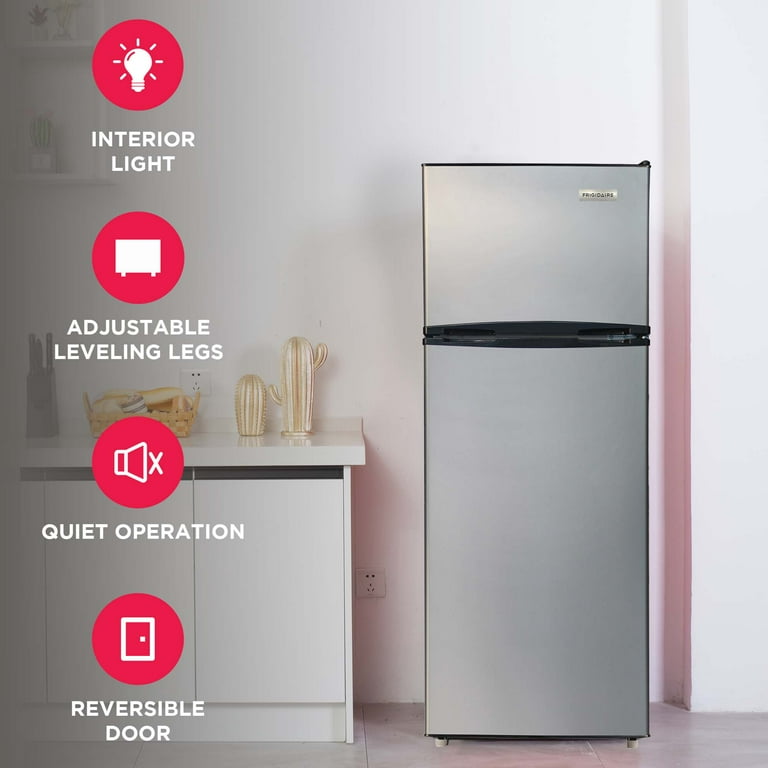
What is cubic feet of a refrigerator? It is a measurement of the refrigerator’s interior volume. The term tells you how much space is available for food, drinks, containers, shelves, drawers, and freezer items.
One cubic foot equals a space that is:
• 1 foot wide
• 1 foot deep
• 1 foot high
You can calculate it with this simple formula:
Length × width × height = cubic feet
For example, a storage area that measures 2 feet wide, 2 feet deep, and 2 feet high has a volume of 8 cubic feet.
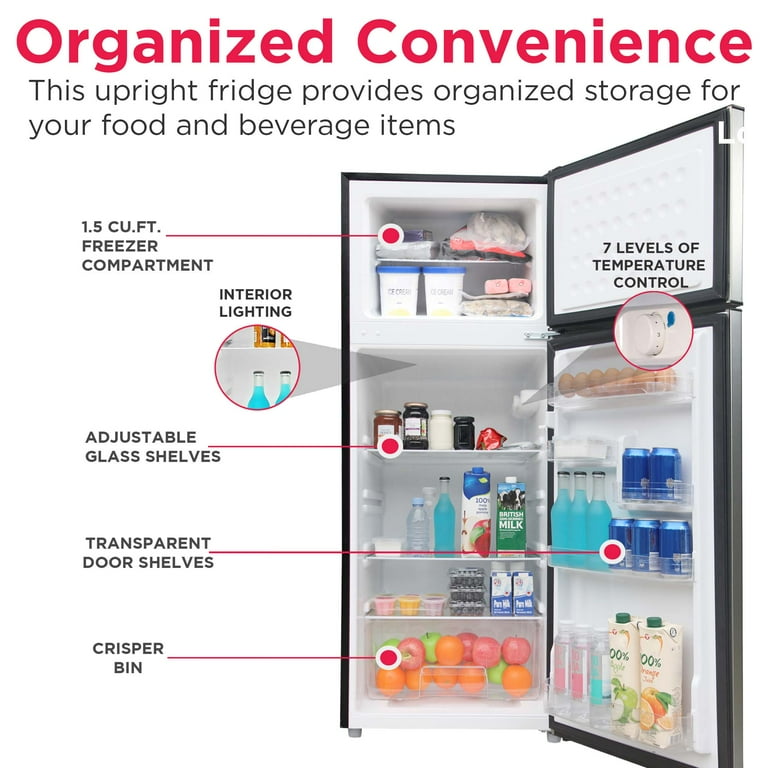
A refrigerator’s listed capacity usually includes both the fresh-food compartment and the freezer. A refrigerator labeled 20 cubic feet may have about 14 cubic feet of refrigerator space and 6 cubic feet of freezer space.
The number is a useful guide, but it does not tell the whole story. Shelf shape, door bins, ice makers, drawers, and lighting can reduce the space you can actually use.

How Refrigerator Capacity Is Measured
Manufacturers measure refrigerator capacity by calculating the interior volume of the compartments. The measurement normally excludes the space taken up by the outside cabinet, insulation, compressor, and other mechanical parts.
The listed capacity may include:
• Fresh-food storage
• Freezer storage
• Door shelves
• Crisper drawers
• Meat or deli drawers
• Ice maker space
The exact measurement method can vary slightly by brand and model. This is why two refrigerators with the same advertised capacity may feel different when you load them with real food.
A refrigerator with 22 cubic feet may offer less useful space than another 22-cubic-foot model if it has thick shelves, a large ice maker, or narrow drawers. Capacity is best viewed as an overall storage estimate, not a promise that every inch will be easy to use.
Energy labels and product specifications often list the total storage volume. For a more accurate comparison, check whether the manufacturer also provides separate refrigerator and freezer capacities.

Refrigerator Cubic Feet Compared With Physical Size
Cubic feet measures inside space. Physical dimensions measure the outside of the appliance. These are related, but they are not the same.
A refrigerator can be tall and slim, short and wide, or deep and narrow. Each shape changes how the storage feels. For example, a French-door refrigerator may offer wide shelves for platters, while a top-freezer model may provide less shelf width but more vertical space.
Before buying, measure these areas:
• Available width between cabinets
• Height from the floor to the bottom of the upper cabinet
• Depth from the wall to the front edge of the counter
• Door-opening space
• Path through hallways and doorways
• Clearance near walls and kitchen islands
A common mistake is to measure only the kitchen opening. The refrigerator must also fit through the front door, hallway, elevator, or stairway. I have seen shoppers choose a perfect capacity on paper, only to learn that the boxed appliance could not make the turn into the kitchen.
Allow room for ventilation and door movement. The manufacturer’s installation guide gives the most reliable clearance requirements.

How Many Cubic Feet Do You Need?
The right refrigerator capacity depends on household size, shopping habits, cooking style, and freezer use. A person who shops every few days may need less space than a family that buys food in bulk.
These are general guidelines:
• 1 or 2 people: 10 to 14 cubic feet
• 3 or 4 people: 14 to 20 cubic feet
• 5 or more people: 20 to 25 cubic feet or more
Many appliance experts use about 4 to 6 cubic feet per person as a starting point. This is not a strict rule. A household that stores large drinks, meal-prep containers, or frozen food may need more capacity.
Consider your routine:
• Do you cook most meals at home?
• Do you buy large packages from warehouse stores?
• Do you keep extra frozen meals?
• Do you host family or friends often?
• Do you store tall bottles or wide baking dishes?
• Do you prefer a large freezer?
For example, a couple that eats out often may be comfortable with a 16-cubic-foot refrigerator. A family of four that shops once a week may prefer 20 to 24 cubic feet.
The best answer to what is cubic feet of a refrigerator is not simply a number. It is the amount of usable space that matches your lifestyle.
Common Refrigerator Sizes by Style
Refrigerator design affects how the capacity is divided and used. Here is what you can generally expect from popular styles.
Top-Freezer Refrigerators
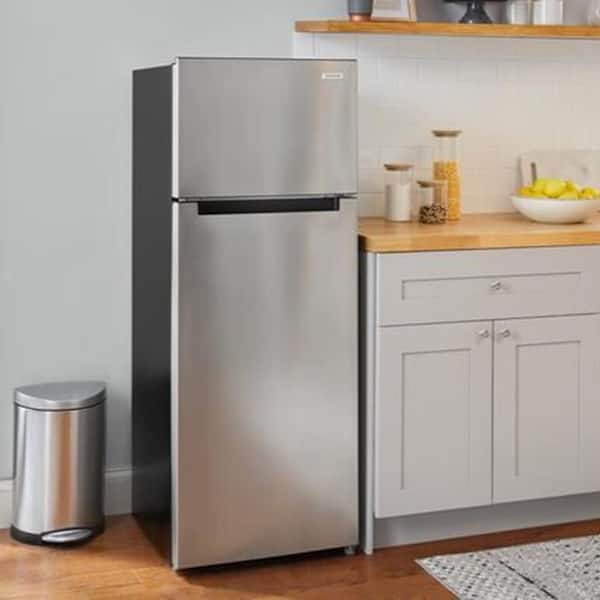
Top-freezer models often range from about 14 to 22 cubic feet. They usually provide good usable space at a lower price.
The freezer sits at eye level, while the fresh-food section is below it. These models are often efficient because they use a simple layout and fewer complex parts.
Bottom-Freezer Refrigerators
Bottom-freezer refrigerators commonly range from 18 to 25 cubic feet. They place fresh food at a more comfortable height and keep frozen food in a drawer or lower compartment.
This style can be convenient for people who use fresh ingredients often. However, large freezer drawers may require bending and stacking.
Side-by-Side Refrigerators
Side-by-side models often offer about 20 to 28 cubic feet. The refrigerator and freezer run vertically beside each other.
They provide easy access to frozen food and often fit well in narrow kitchens. The drawback is narrow shelf space. A wide pizza box or large roasting pan may not fit comfortably.
French-Door Refrigerators
French-door models generally range from 20 to 30 cubic feet or more. They offer wide refrigerator shelves and a lower freezer drawer.
This style is popular for families because it can hold large trays and containers. Door bins may also provide generous space for gallons and tall bottles.
Compact and Apartment Refrigerators
Compact models may provide 1.7 to 5 cubic feet. Apartment-size refrigerators often range from 7 to 15 cubic feet.
These are useful for offices, bedrooms, small homes, rental units, and guest spaces. Always check the freezer size, since compact models may have very limited frozen storage.
How to Calculate Cubic Feet Yourself
You can estimate refrigerator capacity with a tape measure. This is helpful when the model label is missing or when you want to compare usable space.
Follow these steps:
- Empty the refrigerator and remove shelves or drawers if possible.
- Measure the inside height, width, and depth of the main compartment.
- Measure the freezer separately.
- Convert inches to feet by dividing each measurement by 12.
- Multiply height by width by depth.
- Add the refrigerator and freezer results.
For example, suppose the fresh-food section measures:
• 4 feet high
• 2.5 feet wide
• 2 feet deep
The estimated volume is:
4 × 2.5 × 2 = 20 cubic feet
If the freezer measures 5 cubic feet, the total estimated capacity is 25 cubic feet.
This method gives an approximate result. Rounded corners, shelves, drawers, insulation, and uneven walls can affect the actual number. For official specifications, use the manufacturer’s capacity rating.
Total Capacity Versus Usable Capacity
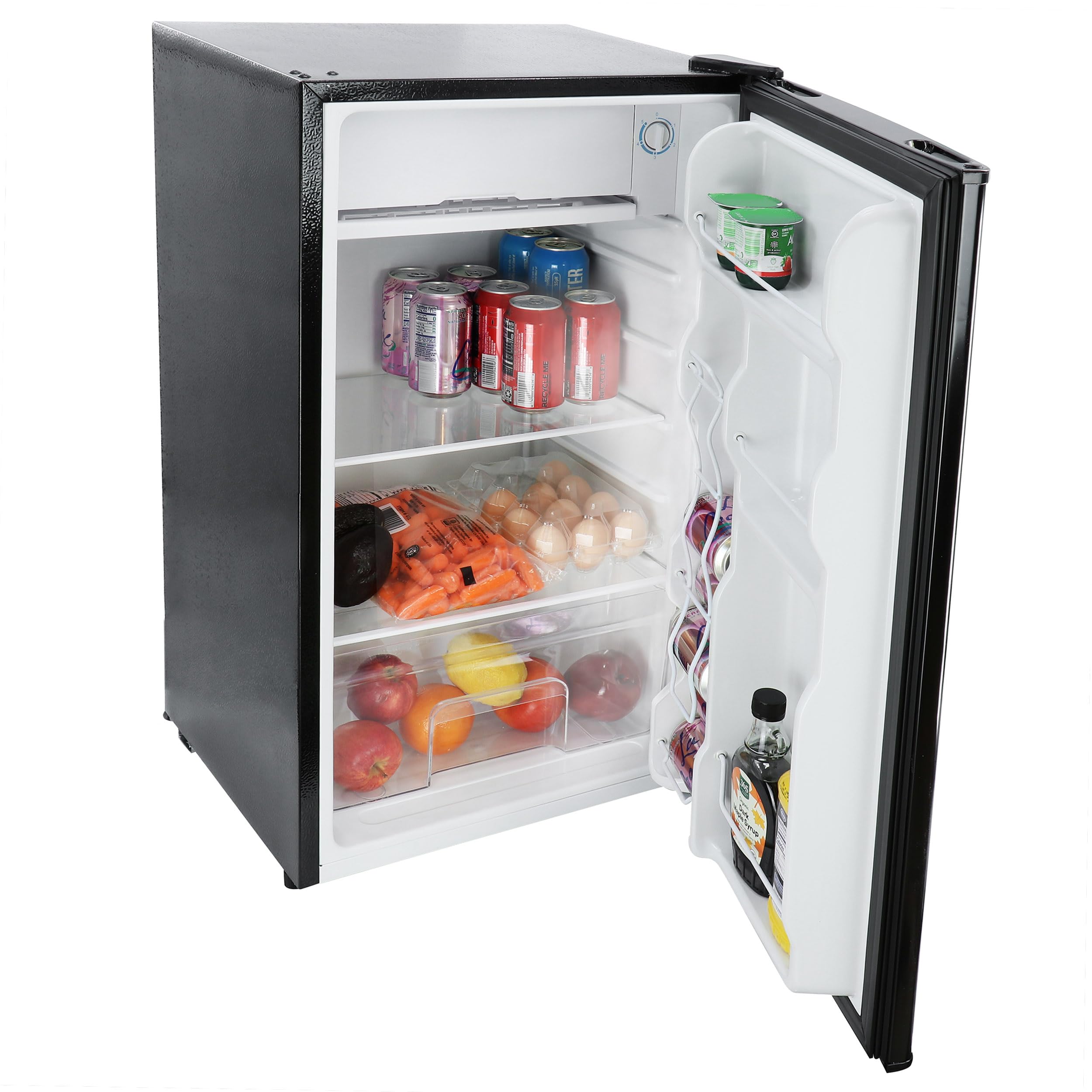
Total cubic feet and usable cubic feet are not always equal. Total capacity describes the measured interior volume, while usable capacity describes the space that works well for storing food.
Several features can reduce usable space:
• Ice makers
• Water filters
• Bulky door bins
• Fixed shelves
• Deep drawers
• Thick interior walls
• Rear air vents
• Curved corners
A large ice maker may take up several inches of freezer space. That may not matter to someone who uses little ice, but it can frustrate a family that stores frozen meals.
Storage layout also matters. A refrigerator with adjustable shelves may be more useful than one with a slightly higher capacity but fixed shelves.
When comparing models, look at interior photos and user reviews. Pay attention to comments about shelf width, drawer depth, gallon-jug storage, and freezer organization. These details often reveal more than the cubic-foot number.
Why Refrigerator Capacity Matters
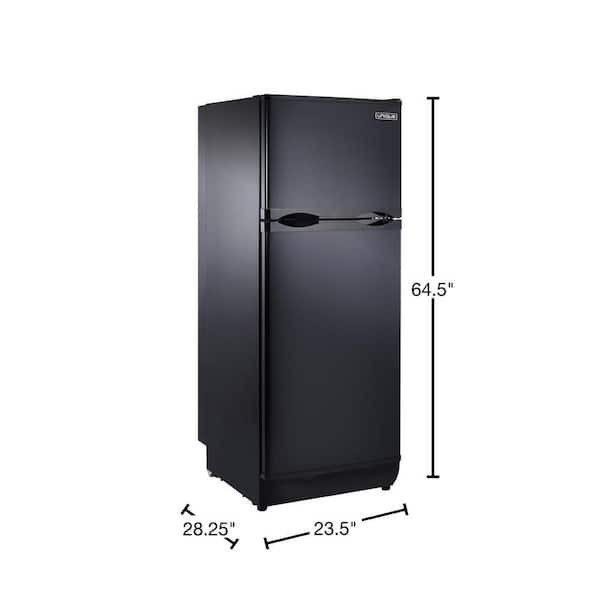
Knowing what is cubic feet of a refrigerator helps with more than shopping. It also helps you use the appliance safely and efficiently.
A refrigerator that is too small may become crowded. Crowding blocks air movement and makes it harder to keep food at a safe temperature. It also causes forgotten food to sit behind newer items.
A refrigerator that is too large can waste kitchen space and energy, especially if your household rarely fills it. Modern refrigerators are designed to operate efficiently, but size, temperature settings, usage, and energy rating still affect operating costs.
The U.S. Food and Drug Administration recommends keeping a refrigerator at or below 40°F and a freezer at 0°F. Good organization helps air move around food and makes temperature control easier.
Capacity also affects food waste. When you can see what you have, you are less likely to buy duplicates or forget fresh produce. In my experience, a well-organized 18-cubic-foot refrigerator can feel more useful than a messy 24-cubic-foot model.

Tips for Choosing the Right Refrigerator Capacity
Use these practical tips before making a purchase:
• Count the people in your home. Start with about 4 to 6 cubic feet per person.
• Review your shopping schedule. Weekly bulk shoppers usually need more storage than people who shop every few days.
• Measure your current refrigerator. If it always feels full, move up in capacity. If it stays mostly empty, a smaller model may be enough.
• Check the freezer ratio. A large total capacity is less helpful if most of it is freezer space you do not use.
• Measure large items. Check whether shelves can hold gallon jugs, large pans, party trays, and tall bottles.
• Consider door swing. A larger refrigerator may require more clearance than your kitchen allows.
• Inspect the ice maker. It can reduce freezer space and may affect the layout.
• Look at energy information. A larger refrigerator can use more electricity, although efficiency varies by model.
• Leave installation clearance. Follow the product manual rather than guessing.
• Think about future needs. A growing family or frequent entertaining may justify a little extra space.
Avoid choosing a refrigerator based only on the largest number. The best capacity is the one that fits your kitchen, budget, habits, and storage needs.
Common Mistakes When Comparing Cubic Feet
Many buying problems come from treating capacity as the only measurement that matters.
One mistake is confusing outside depth with interior depth. A counter-depth refrigerator may have less interior space than a standard-depth model, even when both look similar from the front.
Another mistake is ignoring the freezer-to-refrigerator ratio. A 22-cubic-foot side-by-side model may feel smaller for fresh food than a 22-cubic-foot French-door model.
Some shoppers also forget delivery access. Measure the appliance in its packaging and confirm that doors, handles, and hinges can be removed if needed.
Finally, do not assume that more capacity means better organization. A wide shelf may be more useful than a deep shelf. Drawers that open fully can make food easier to find and reduce waste.
Frequently Asked Questions About What Is Cubic Feet of a Refrigerator
What does 18 cubic feet mean in a refrigerator?
An 18-cubic-foot refrigerator has about 18 cubic feet of total interior storage. This total usually includes both the fresh-food compartment and the freezer.
Is a 20-cubic-foot refrigerator big enough for a family of four?
A 20-cubic-foot refrigerator may work well for a family of four with regular shopping habits. Families that buy in bulk or store many frozen foods may prefer 22 to 25 cubic feet.
Does refrigerator cubic feet include the freezer?
Yes, the advertised cubic-foot rating usually includes the refrigerator and freezer compartments together. Check the product specifications for the separate capacity of each section.
How do I measure the cubic feet of my refrigerator?
Measure the interior height, width, and depth, then multiply those measurements after converting them to feet. Measure the fresh-food and freezer sections separately, then add the results.
Is usable capacity smaller than the listed cubic feet?
Usually, yes. Shelves, drawers, ice makers, air vents, and interior walls take up space, so the practical storage area may feel smaller than the advertised total.
What refrigerator size is best for one person?
A refrigerator between 10 and 14 cubic feet is often enough for one person. If you cook often, shop in bulk, or keep many frozen foods, you may want a larger model.
Are counter-depth refrigerators smaller inside?
Counter-depth refrigerators often have less interior depth than standard-depth models. They may offer easier kitchen access and a cleaner look, but their total storage capacity can be lower.
Conclusion
Cubic feet is the standard way to describe a refrigerator’s interior storage volume. It includes the fresh-food and freezer sections, but the listed number does not always equal the space you can easily use.
Choose capacity based on household size, shopping habits, freezer needs, kitchen measurements, and interior layout. Measure your space carefully, compare separate compartment sizes, and inspect shelves and drawers before buying.
Now that you understand what is cubic feet of a refrigerator, compare models by both capacity and real-world usability. Explore appliance specifications, measure your kitchen, and share your refrigerator-buying questions or experience in the comments.

Appliance Review Expert
Lucas Ramirez is a trusted voice at HomeFixGrid.com, known for his clear, practical, and creatively written guides that simplify appliance care for everyday homeowners. With a strong focus on hands-on testing and real-world problem-solving, Lucas brings expert insight into appliance reviews and troubleshooting techniques. Her work empowers readers to confidently maintain, repair, and choose the right appliances for their homes.