
How To Cook Peas In Microwave: Quick Easy Guide
Microwave peas with a little water for two to four minutes, then season and serve while warm.
Learning how to cook peas in microwave is one of the easiest ways to make a fast, bright side dish. The method works for frozen, fresh, and canned peas, but each type needs a slightly different time. With the right bowl, water, cover, and stirring step, you can get tender peas without a pot or steamer.
Why Cook Peas in the Microwave?
Microwaving peas saves time, water, and cleanup. It also helps preserve their fresh flavor because the peas cook quickly and spend less time in hot water.
For busy weeknights, microwave peas can be ready while pasta, rice, or chicken rests. The method is also useful in small kitchens, dorm rooms, offices, and homes without a full stovetop setup.
Peas contain fiber, plant protein, vitamin C, vitamin K, and several B vitamins. Cooking time can affect nutrient levels, so a short microwave cook with little water is often a practical choice.
What You Need
The basic method for how to cook peas in microwave needs only a few items:
• Peas: Use frozen, fresh, or canned peas.
• Water: Add 1 to 2 tablespoons for frozen or fresh peas.
• Microwave-safe bowl: Choose a bowl large enough to prevent bubbling over.
• Microwave-safe cover: Use a vented lid, microwave cover, or a loose plate.
• Spoon: Stir the peas halfway through cooking.
• Seasonings: Add butter, salt, black pepper, lemon juice, or herbs after cooking.
Avoid using sealed containers. Steam can build pressure and cause the lid to pop off or the container to break.

How to Cook Frozen Peas in Microwave
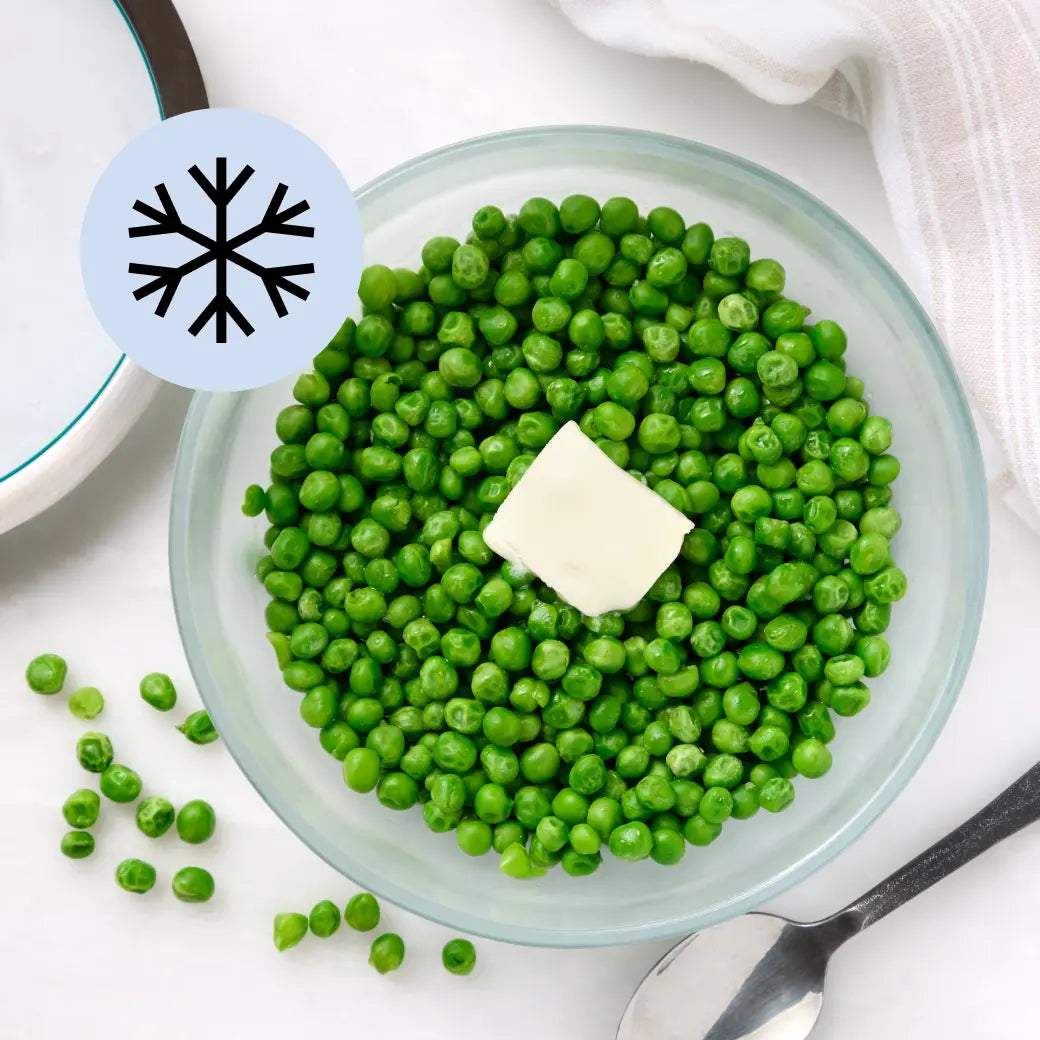
Frozen peas are the easiest type to microwave. They are usually blanched before freezing, so they only need to heat through and become tender.
Step-by-step method
-
Place 1 cup of frozen peas in a microwave-safe bowl.
-
Add 1 tablespoon of water. You can use 2 tablespoons if the peas are very dry or your microwave cooks unevenly.
-
Cover the bowl with a vented lid or a loose microwave-safe plate.
-
Microwave on high for 2 minutes.
-
Stir the peas carefully.
-
Continue cooking in 30-second bursts until hot and tender. Most frozen peas take 2 to 4 minutes in total.
-
Drain extra water if needed.
-
Add butter, salt, pepper, or another seasoning before serving.
The bowl may be hot, so use oven mitts when removing it. Let the peas stand for about 1 minute before eating. This short rest helps the heat spread through the bowl.
When I prepare microwave peas, I prefer short cooking bursts instead of one long cycle. The peas stay firmer, and I have more control over the final texture.
How to Cook Fresh Peas in Microwave
Fresh peas often have a sweeter taste and firmer skin than frozen peas. They need a little more time than frozen peas, especially when they are large or mature.
To cook fresh peas, rinse them and remove any pods or damaged peas. Place 1 cup of peas in a microwave-safe bowl with 2 tablespoons of water.
Cover the bowl loosely and microwave on high for 2 to 3 minutes. Stir, taste one pea, and continue in 30-second bursts until the peas reach the texture you want.
Very young peas may finish in about 2 minutes. Larger peas can take 3 to 5 minutes. Fresh peas should look bright green and feel tender, not dull or mushy.

How to Cook Canned Peas in Microwave
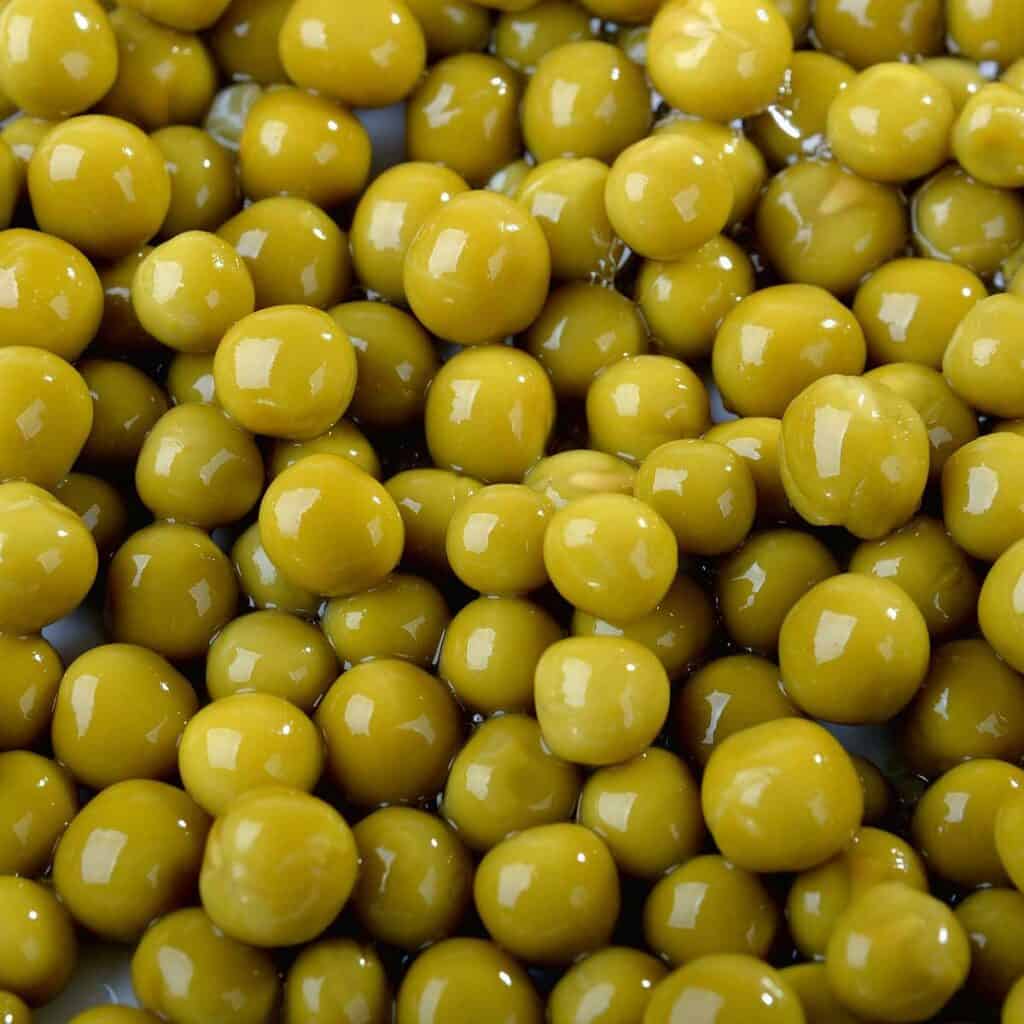
Canned peas are already cooked. The main goal is to warm them without making them soft or watery.
Open the can and drain the liquid. Rinse the peas if you want a milder taste and lower sodium. Place 1 cup of peas in a microwave-safe bowl and cover it loosely.
Microwave on high for 1 to 2 minutes. Stir after 1 minute, then heat longer if needed. Since canned peas are soft, avoid cooking them for too long.
Add seasoning after heating. Butter, black pepper, garlic powder, dill, or a small splash of lemon juice can improve their flavor. Taste before adding salt because canned peas may already contain sodium.

How Much Water Should You Add?
You do not need to cover peas with water in the microwave. A small amount creates steam and keeps the peas from drying out.
Use these general amounts:
• Frozen peas: Add 1 tablespoon of water per cup.
• Fresh peas: Add 2 tablespoons of water per cup.
• Canned peas: Usually no water is needed after draining.
If your microwave tends to dry food, add a little more water. If the peas become watery, use less water next time and drain them before seasoning.
A microwave heats water molecules quickly. The water turns into steam, which helps soften the peas. Too much water, however, can dilute their flavor and make the texture dull.
Microwave Cooking Times for Peas
Cooking time depends on the pea type, serving size, microwave power, and desired texture. A 1,000-watt microwave may cook peas faster than a 700-watt model.
| Pea type | Amount | Starting time | Typical total time |
|---|---|---|---|
| Frozen peas | 1 cup | 2 minutes | 2 to 4 minutes |
| Fresh peas | 1 cup | 2 minutes | 2 to 5 minutes |
| Canned peas | 1 cup | 1 minute | 1 to 2 minutes |
| Frozen peas | 2 cups | 3 minutes | 4 to 6 minutes |
These times are starting points, not strict rules. Stirring halfway through helps distribute heat and reduces cold spots.
For food safety, heat leftovers until they are hot throughout. A food thermometer can help when peas are part of a larger dish, though plain peas are usually easy to judge by touch, steam, and taste.

How to Tell When Peas Are Done
Properly cooked peas should be hot, bright, and tender. They should still have a slight bite instead of falling apart.
Check one pea after the first cooking cycle. If it feels cold in the center, microwave the bowl for another 30 seconds. Stir again before checking.
Signs that peas are overcooked include:
• A dull green or gray color
• A mushy texture
• Wrinkled skins
• A watery or flat taste
• Peas that split easily when stirred
The best texture depends on how you plan to use them. Softer peas work well in soups and mashed side dishes. Firmer peas are better for salads, fried rice, pasta, and grain bowls.

Seasoning Ideas for Microwave Peas
Plain peas are mild, so simple seasonings can make a big difference. Add most seasonings after cooking to avoid overpowering the natural sweetness.
Try these combinations:
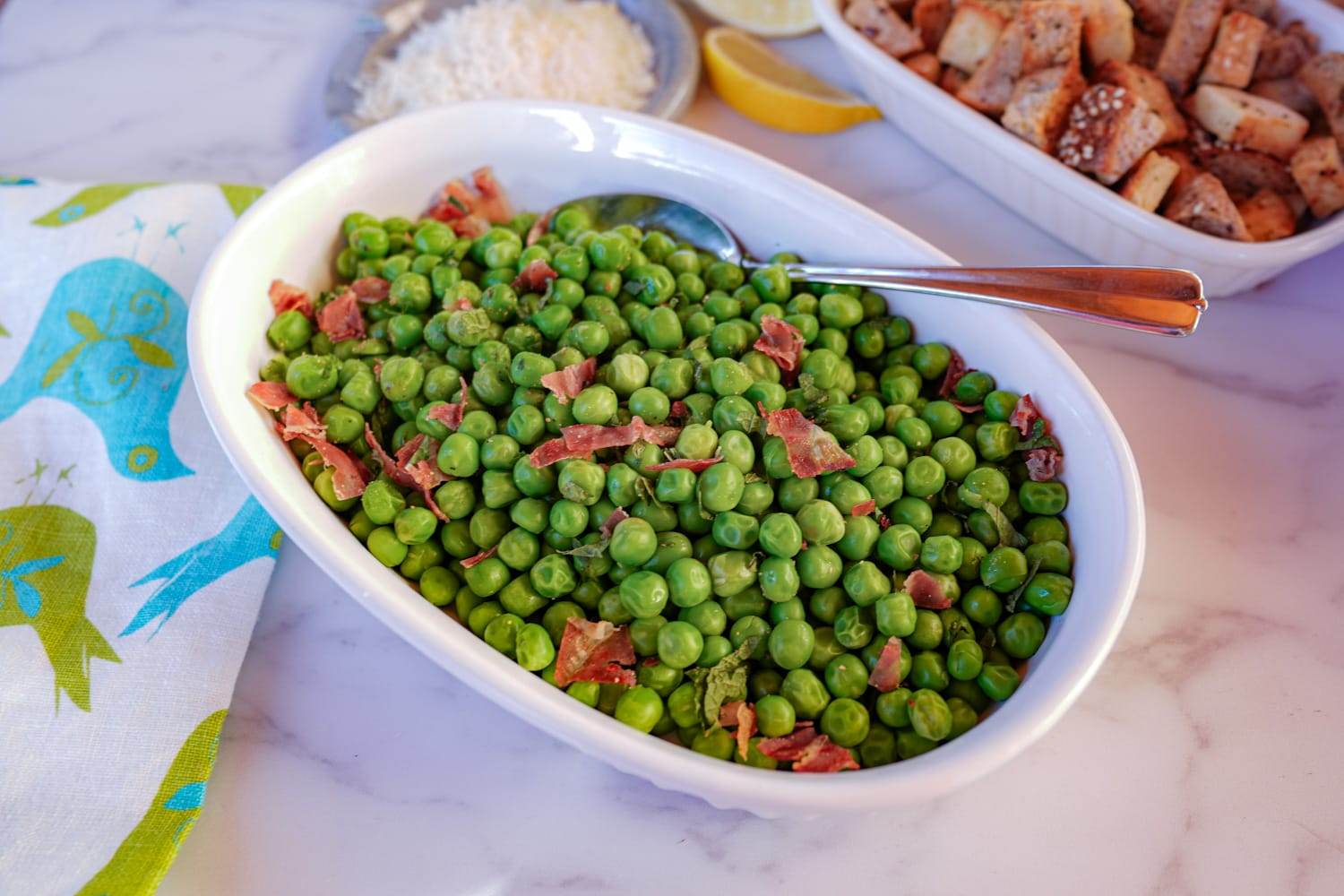
• Butter, salt, and black pepper for a classic side dish
• Olive oil, lemon juice, and parsley for a fresh flavor
• Garlic powder, butter, and grated Parmesan for a rich taste
• Mint, lemon zest, and a little olive oil for a bright spring dish
• Soy sauce, sesame oil, and green onion for an Asian-inspired side
• Chili flakes, lime juice, and cilantro for gentle heat
Start with small amounts. It is easy to add more, but it is hard to correct a dish that is too salty or spicy.
One of my favorite quick combinations is butter, black pepper, and a few drops of lemon juice. The lemon lifts the flavor without making the peas taste sour.
Common Mistakes to Avoid
Learning how to cook peas in microwave is simple, but a few mistakes can affect the result.
Using too much water
Too much water can make peas bland and soggy. Use only enough to create steam, then drain any excess before serving.
Cooking for too long
Peas can change from tender to mushy in less than a minute. Cook in short bursts near the end.
Skipping the stir
Microwaves can heat food unevenly. Stirring helps spread heat and prevents some peas from becoming soft while others remain cold.
Covering the bowl tightly
A tight cover can trap steam and create pressure. Use a vented cover or place a microwave-safe plate loosely over the bowl.
Adding salt too early
Salt does not always cause a problem, but adding it after cooking gives you better control over flavor. This matters most with canned peas.
Overfilling the bowl
A crowded bowl may heat unevenly. For larger portions, use a wide bowl and stir more than once.
Safe Microwave Practices
Use only containers labeled microwave-safe. Do not use metal bowls, aluminum foil, takeout containers not marked for microwave use, or plastic containers that may melt.
Steam can cause burns when you lift the cover. Open the cover away from your face and hands. Use a towel or oven mitt to handle the bowl.
The U.S. Food and Drug Administration advises following microwave instructions and using containers designed for microwave heating. The U.S. Department of Agriculture also recommends heating leftovers thoroughly and refrigerating them promptly.
Do not leave cooked peas at room temperature for more than 2 hours. Refrigerate leftovers in a covered container and use them within 3 to 4 days for best quality and safety.
Ways to Use Microwave Peas
Once you know how to cook peas in microwave, you can add them to many quick meals.
Use warm peas in:
• Macaroni and cheese
• Chicken pot pie filling
• Fried rice
• Pasta with cream sauce
• Vegetable soup
• Mashed potatoes
• Rice and grain bowls
• Tuna salad
• Omelets and scrambled eggs
• Couscous or quinoa
For a quick lunch, mix microwave peas with cooked rice, canned tuna, lemon juice, and black pepper. For a simple dinner, stir them into pasta with butter and Parmesan.
Frozen peas also work well in blended soups. Microwave them first, then add them to the soup before blending. This gives the soup a sweet flavor and a smooth green color.
Can You Microwave Peas Without Water?
You can microwave frozen or canned peas without water, but a small amount usually gives a better result. Frozen peas may dry out without steam, while canned peas have enough moisture if they are not drained completely.
For fresh peas, water is more helpful because it prevents the skins from drying during cooking. If you skip water, use a covered bowl and check the peas often.
Frequently Asked Questions About How to Cook Peas in Microwave
How long do peas take to cook in the microwave?
Frozen peas usually take 2 to 4 minutes on high for 1 cup. Fresh peas may take 2 to 5 minutes, while canned peas often need only 1 to 2 minutes.
Do I need to thaw frozen peas before microwaving?
No, you can cook frozen peas directly from the freezer. Add a tablespoon of water, cover the bowl loosely, and stir halfway through heating.
Can I microwave peas in a plastic container?
Use plastic only when the container is clearly labeled microwave-safe. Never use damaged, melted, or single-use containers that are not designed for microwave heating.
Why do my microwave peas become mushy?
Peas become mushy when they cook too long or sit in excess water. Use short cooking bursts, stir often, and drain extra water before seasoning.
Should I rinse canned peas before microwaving?
Rinsing is optional. It can remove some of the canning liquid and reduce a salty taste, but it is not required for safety.
Can I reheat cooked peas in the microwave?
Yes, place the peas in a covered microwave-safe bowl and heat them in 30-second bursts. Stir between bursts until they are hot throughout.
Are microwaved peas healthy?
Microwaved peas can be a nutritious part of a balanced meal. Using little water and a short cooking time helps maintain their flavor and makes it easier to avoid excess butter or salt.
Conclusion
The easiest way to cook peas in microwave is to place them in a microwave-safe bowl with a small amount of water, cover loosely, and heat in short bursts. Frozen peas need about 2 to 4 minutes, fresh peas may need up to 5 minutes, and canned peas usually warm in 1 to 2 minutes.
Stir halfway through, check the texture, and season after cooking. Try the method today with butter and pepper, or add your peas to pasta, rice, soup, or a grain bowl. If you have a favorite seasoning combination, share it in the comments or explore more quick microwave cooking guides.

Appliance Review Expert
Lucas Ramirez is a trusted voice at HomeFixGrid.com, known for his clear, practical, and creatively written guides that simplify appliance care for everyday homeowners. With a strong focus on hands-on testing and real-world problem-solving, Lucas brings expert insight into appliance reviews and troubleshooting techniques. Her work empowers readers to confidently maintain, repair, and choose the right appliances for their homes.