What Is Garage Ready Refrigerator: Essential Buying Guide
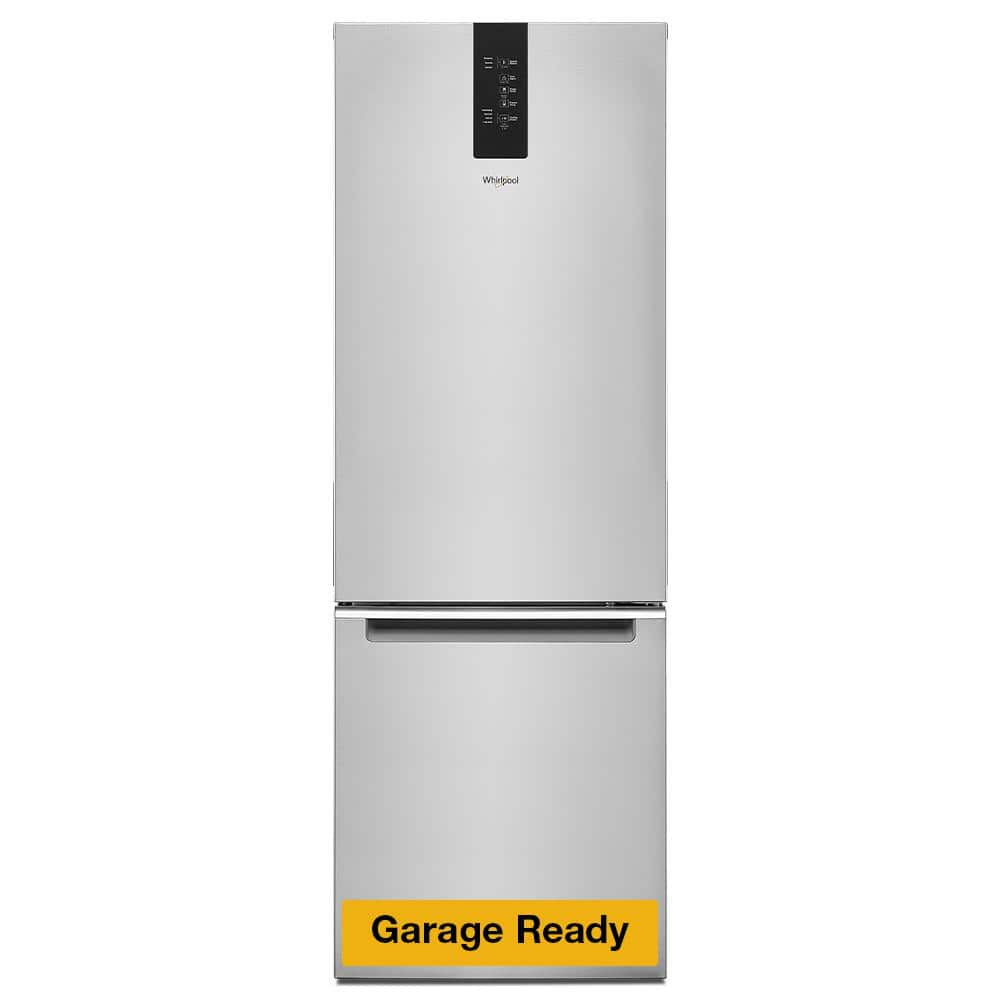
A garage-ready refrigerator is built to work safely and reliably in wider temperature swings than a standard indoor refrigerator.
If you want extra food storage in your garage, knowing what is garage ready refrigerator technology means can prevent spoiled food, wasted energy, and expensive repairs. These models use special controls, insulation, and temperature systems to handle cold winters and hot summers better than regular refrigerators. This guide explains how they work, when you need one, and what to check before you buy.
What Is a Garage Ready Refrigerator?
A garage ready refrigerator is a refrigerator designed for use in places where temperatures can rise or fall beyond normal indoor room conditions. It can often keep food cold in an unheated garage, workshop, basement, or utility room.
Most standard refrigerators work best at a stable indoor temperature. Many manufacturers test them around 60°F to 90°F, although the exact range varies by model. A garage ready refrigerator has features that help it operate outside that comfort zone.
The term does not mean every model can handle every climate. One garage ready refrigerator may work from 38°F to 110°F, while another may have a narrower range. Always check the product manual or the temperature range printed by the manufacturer.
Common features may include:
• Improved insulation to reduce the effect of outdoor temperatures
• A stronger or better-protected compressor
• Temperature controls made for wider climate changes
• Garage-specific heating elements near the thermostat
• More reliable operation in cold conditions
• A design that supports use in a non-climate-controlled space
Think of a standard refrigerator as a runner built for a smooth track. A garage ready refrigerator is more like an all-weather vehicle. It is designed to deal with rougher conditions, but it still has limits.

How Does a Garage Ready Refrigerator Work?
A refrigerator removes heat from inside the cabinet and releases that heat into the room. The compressor, evaporator coils, condenser coils, thermostat, and fans work together to keep food near 37°F, which is a common target for fresh food storage.
Extreme garage temperatures can disrupt this process. When the garage is very cold, the thermostat may sense that the room is already cool and stop the compressor. The freezer can then become too warm, even though the refrigerator section seems cold.
Some garage ready refrigerator models solve this problem with a small heater near the thermostat. The heater makes the control area feel warmer, which encourages the compressor to run when the garage itself is cold.
In hot weather, the refrigerator must remove heat from both the food compartment and the warm air around the cabinet. Better insulation and stronger cooling parts can help, but very high temperatures still make the appliance work harder.
A garage ready refrigerator does not create a climate-controlled garage. It simply has a better chance of maintaining safe temperatures in changing conditions.
Why Standard Refrigerators May Struggle in a Garage
A regular refrigerator may work well in a garage during mild weather. Problems often appear when the space becomes very cold or very hot.
In winter, the compressor may run less often because the surrounding air is cold. That can cause the freezer temperature to rise. Frozen food may soften, ice may melt, and the appliance may cycle in an unusual way.
In summer, high heat makes the compressor work longer. This can increase energy use and place extra stress on the cooling system. Dust, poor airflow, and direct sunlight can make the problem worse.
A standard refrigerator can also suffer from condensation when temperature and humidity change quickly. Moisture may collect around the door, seals, or internal parts.
Before using a regular refrigerator in a garage, consider these risks:
• The freezer may not stay at 0°F
• Fresh food may rise above 40°F
• The compressor may run almost constantly
• Energy bills may increase
• Moisture can damage electrical parts
• The warranty may not cover garage installation
Food safety matters more than convenience. The USDA recommends keeping refrigerators at 40°F or below and freezers at 0°F. An inexpensive appliance thermometer can show whether your refrigerator is truly staying cold.
What Temperature Range Can a Garage Ready Refrigerator Handle?
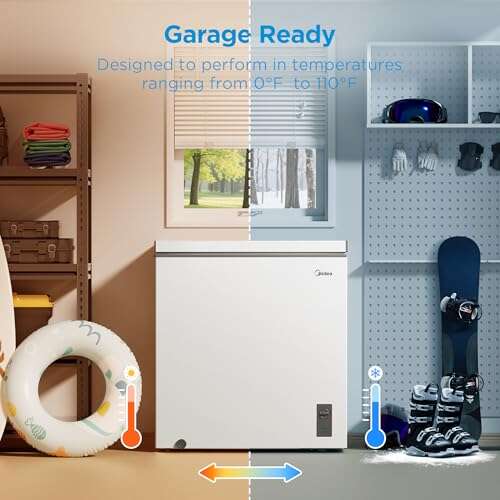
The temperature range depends on the brand and model. Some garage ready refrigerators are rated for spaces from about 38°F to 110°F. Others may be approved for temperatures closer to 45°F to 100°F.
Do not assume that the words “garage ready” mean the same thing across all brands. Look for a clear statement in the specifications, owner’s manual, or installation guide.
A useful temperature guide looks like this:
• Below 32°F: Water can freeze, and refrigerator parts may be affected
• 32°F to 40°F: Some models may operate, but freezer performance can vary
• 40°F to 90°F: A comfortable range for many refrigerators
• 90°F to 110°F: Cooling demand and energy use may increase
• Above 110°F: Many models may struggle or fall outside their rated range
The best garage ready refrigerator for a cold region may not be the best choice for a very hot region. Climate, garage insulation, sunlight, and ventilation all matter.
Use a refrigerator thermometer during the first week. Check both the refrigerator and freezer sections at different times of day. This simple test can reveal problems that are not obvious from the appliance display.
Benefits of a Garage Ready Refrigerator
A garage ready refrigerator can be a smart choice when your kitchen refrigerator lacks space. It can hold drinks, bulk groceries, frozen meals, garden produce, or food for holidays and parties.
Better performance in changing weather
Its parts and controls are designed for wider temperature swings. This does not make the refrigerator immune to heat or cold, but it improves its ability to maintain safe temperatures.
Extra food and drink storage
A second refrigerator can reduce crowding in the kitchen. It also gives you room for large items such as cases of water, sports drinks, meal-prep containers, and holiday ingredients.
Useful freezer space
Many garage ready refrigerator models offer a full freezer section. This can help families store meat, frozen vegetables, ice cream, and prepared meals.
Convenient access
A garage refrigerator is useful during outdoor meals, family events, and home projects. You do not need to walk through the house each time you need a cold drink.
Potentially longer service life in the right setting
Using an appliance designed for the environment can reduce strain. However, service life still depends on cleaning, ventilation, electrical safety, and proper maintenance.
Limitations and Drawbacks to Consider
A garage ready refrigerator is not perfect for every garage. It may cost more than a basic indoor model, and it can still use significant electricity.
Very low temperatures remain a concern. If your garage drops below the model’s approved range, the refrigerator may not work correctly. A heater kit may help with some models, but only use an accessory approved by the manufacturer.
Very high temperatures can also cause trouble. A dark garage with poor ventilation may become much hotter than the outdoor air. The refrigerator may run constantly and still struggle to cool the freezer.
Other drawbacks include:
• Higher purchase cost
• More energy use in extreme weather
• Noise in a quiet garage
• Exposure to dust and moisture
• Possible warranty restrictions
• Risk of food spoilage if temperatures are not monitored
A garage ready refrigerator is also not a replacement for a commercial refrigerator. Commercial units may use different cooling systems and are built for heavier workloads.
Garage Ready Refrigerator vs. Regular Refrigerator
The main difference is environmental tolerance. A regular refrigerator is usually designed for a controlled indoor space. A garage ready refrigerator is designed with features that support operation in less stable conditions.
| Feature | Regular refrigerator | Garage ready refrigerator |
|---|---|---|
| Intended location | Indoor kitchen or living area | Garage, workshop, or utility space |
| Temperature tolerance | Usually narrower | Often wider, depending on model |
| Cold-weather operation | May be unreliable | Better suited to low temperatures |
| Insulation | Designed for indoor use | May include added protection |
| Thermostat system | Standard control design | May include garage-specific controls |
| Warranty | Often indoor use only | May allow approved garage use |
| Cost | Often lower | May be higher |
The label alone is not enough. Two refrigerators with similar names may have different operating limits. Read the installation instructions before making a decision.
How to Choose the Best Garage Ready Refrigerator
Start with the climate in your garage. Record the lowest winter temperature and the highest summer temperature if possible. A small digital thermometer can help you understand the real conditions.
Then review the appliance specifications carefully.
Check the approved temperature range
Choose a refrigerator whose rated range covers your garage’s usual temperatures. Leave some room for unusual weather if your area experiences heat waves or freezing spells.
Look for a freezer temperature rating
A refrigerator may keep the fresh-food section cold while the freezer becomes too warm. Confirm that the freezer can maintain 0°F in the conditions you expect.
Consider size and layout
Measure the available space, including door clearance. Leave the amount of ventilation space required by the manufacturer. A large refrigerator pressed against a wall may overheat.
Review energy information
Look for the annual energy estimate on the EnergyGuide label. Remember that actual use can be higher in a hot garage or when the door opens often.
Check warranty language
Some warranties exclude appliances placed in unheated or uncooled spaces. Find out whether the model is officially approved for garage use.
Decide between top-freezer and upright designs
Top-freezer models are often simple and affordable. French-door and side-by-side models may provide more organization but can cost more and include more parts that need service.

How to Install a Garage Ready Refrigerator Safely
Good installation helps your refrigerator work efficiently and reduces safety risks.
-
Place the appliance on a level, solid floor. Uneven flooring can affect door seals and drainage.
-
Keep the refrigerator away from direct sunlight, heaters, furnaces, and hot water equipment.
-
Provide the required clearance around the cabinet. Air must move around the condenser area.
-
Use a properly grounded electrical outlet. Avoid extension cords unless the manufacturer specifically permits one.
-
Protect the appliance from rain, leaks, flooding, and heavy condensation.
-
Let the refrigerator stand upright after moving it. Follow the manual for the correct waiting period before plugging it in.
-
Set the refrigerator to 40°F or below and the freezer to 0°F.
-
Place appliance thermometers inside both sections.
Do not block air vents inside the cabinet. Do not store heavy items on top if the design does not support them. Also, keep the door seals clean and flexible so warm air cannot leak inside.
One practical lesson is easy to overlook: a garage can feel comfortable to you but still be too hot for a refrigerator. Human comfort is not a reliable guide for appliance performance. Measure the space instead.
How to Maintain a Garage Ready Refrigerator
Maintenance is especially important in a dusty or humid garage. Dust on condenser coils can reduce airflow and force the compressor to work harder.
Clean the condenser area according to the owner’s manual. Some modern refrigerators have covered coils, while others allow access from the front or back. Unplug the appliance before cleaning areas near electrical parts.
Follow these maintenance habits:
• Check the refrigerator and freezer temperatures each month
• Clean door gaskets with mild soap and water
• Remove dust from vents and the condenser area
• Keep food away from interior air outlets
• Check for standing water or unusual frost
• Avoid placing hot food directly inside
• Keep the garage dry and free from leaks
• Inspect the power cord for wear
If the refrigerator runs nonstop, makes a new loud noise, or cannot reach the correct temperature, move food to a safe appliance and arrange service. A temperature problem can become a food safety problem quickly.
Can You Make a Regular Refrigerator Garage Ready?
In some cases, a regular refrigerator may work in a garage with mild temperatures. However, you cannot always turn it into a garage ready refrigerator with insulation or a simple thermostat adjustment.
Some manufacturers sell approved garage heater kits for specific refrigerator models. These kits may warm the thermostat area during cold weather. They do not solve every issue, and installing an unapproved kit can create a fire risk or void the warranty.
Do not modify electrical wiring or bypass safety controls. If you need a refrigerator for an extreme climate, buying a model rated for that environment is usually safer than changing a standard appliance.
A garage heater or air conditioner can also stabilize the room, but that may cost more than choosing the right refrigerator. Compare the appliance price, energy use, and expected maintenance before deciding.
Frequently Asked Questions About What Is Garage Ready Refrigerator
What does garage ready mean on a refrigerator?
Garage ready means the refrigerator is designed and tested to operate in a wider range of surrounding temperatures than many standard indoor models. The exact temperature range depends on the manufacturer and model.
Can a garage ready refrigerator be used indoors?
Yes. A garage ready refrigerator can usually be used indoors if it fits the space and has the required ventilation. Its garage-rated features do not prevent normal kitchen use.
Will a garage ready refrigerator work in freezing weather?
Some models can operate in temperatures near or below freezing, but the exact limit varies. Check the manual and monitor the freezer because extreme cold can still affect compressor operation.
Does a garage ready refrigerator use more electricity?
It may use more electricity when the garage is very hot or cold because the cooling system must work harder. The actual energy use depends on the model, insulation, temperature, door openings, and garage conditions.
Do I need a garage ready refrigerator for an attached garage?
Not always. An attached garage may stay within a safe temperature range, especially if it is insulated. Still, a garage ready refrigerator offers extra protection when seasonal temperatures change sharply.
Can I put a refrigerator in an unheated garage?
You can, but a standard model may not maintain safe temperatures during cold weather. A garage ready refrigerator is usually the safer choice, provided the garage stays within its rated range.
How can I tell if my garage refrigerator is cold enough?
Place an appliance thermometer in the refrigerator and freezer. The refrigerator should remain at 40°F or below, while the freezer should stay near 0°F.
Conclusion
A garage ready refrigerator is built for wider temperature swings, better cold-weather operation, and the demands of a non-climate-controlled space. Its value comes from more than a label. The rated temperature range, freezer performance, insulation, ventilation, warranty, and energy use all matter.
Before buying, measure your garage temperatures and read the installation guide. Use appliance thermometers after installation, keep the coils clean, and never ignore signs of poor cooling. Choose a model that matches your climate and storage needs, then share your experience or explore more appliance guides to make your next purchase with confidence.

Appliance Review Expert
Lucas Ramirez is a trusted voice at HomeFixGrid.com, known for his clear, practical, and creatively written guides that simplify appliance care for everyday homeowners. With a strong focus on hands-on testing and real-world problem-solving, Lucas brings expert insight into appliance reviews and troubleshooting techniques. Her work empowers readers to confidently maintain, repair, and choose the right appliances for their homes.