What Are The Dimensions Of A Full Mattress: Size Guide
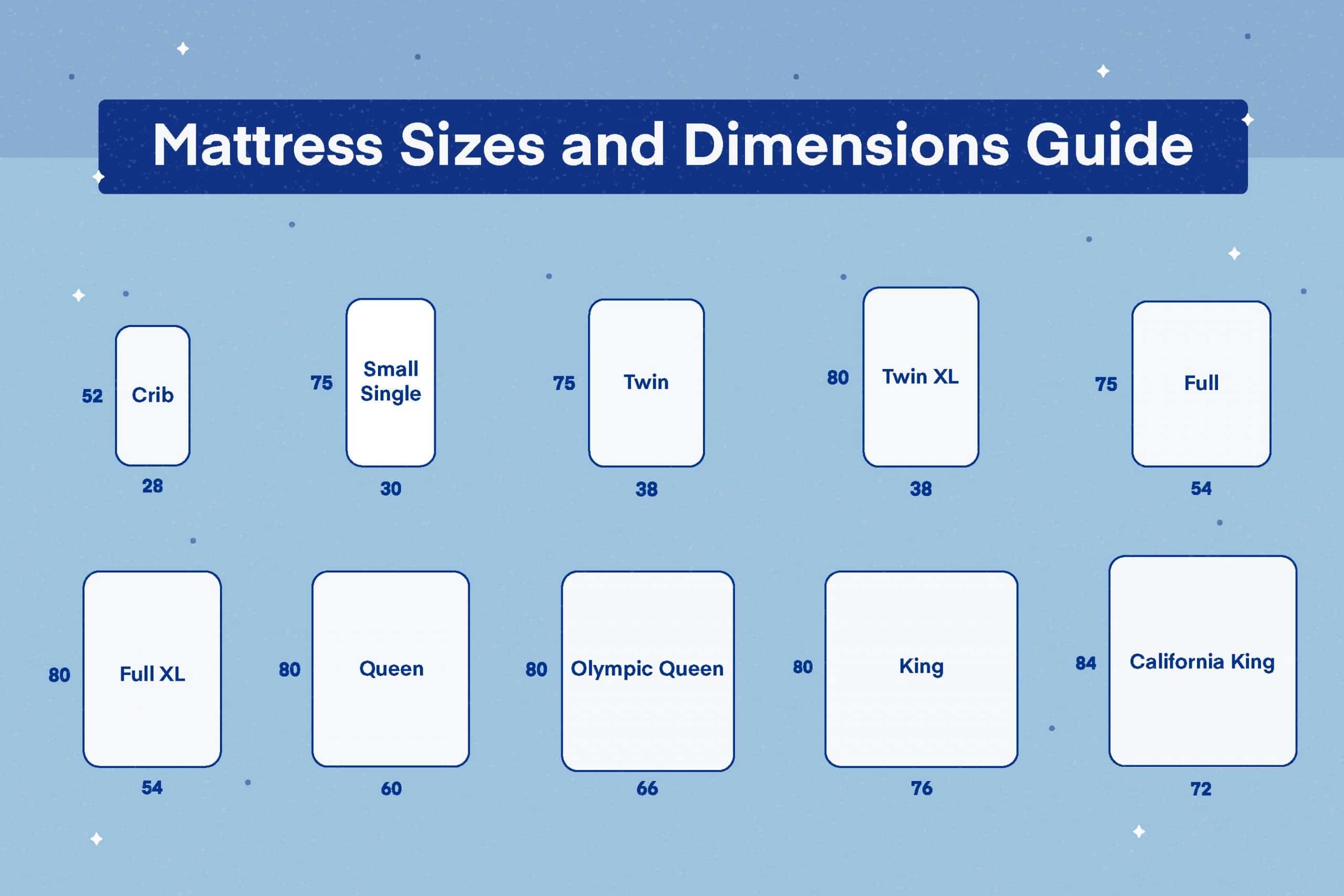
A full mattress measures 54 inches wide by 75 inches long, making it a roomy choice for one sleeper.
Knowing what are the dimensions of a full mattress helps you plan your bed, room layout, sheets, and frame with confidence. After helping readers compare mattress sizes and avoid tight bedroom layouts, I know that a few inches can make a big difference. This guide explains the standard full mattress size, how it compares with other beds, and how to check whether it fits your space.
Standard Full Mattress Dimensions
The standard full mattress dimensions are 54 inches wide and 75 inches long. In metric measurements, that is about 137 centimeters wide and 191 centimeters long.
A full mattress is also called a double mattress. These names usually describe the same size in the United States, though product names can vary by brand.
Here is a quick size chart:
| Measurement | Full mattress size |
|---|---|
| Width | 54 inches |
| Length | 75 inches |
| Width in feet | 4 feet 6 inches |
| Length in feet | 6 feet 3 inches |
| Width in centimeters | About 137 cm |
| Length in centimeters | About 191 cm |
| Surface area | 4,050 square inches |
What are the dimensions of a full mattress in simple terms? It is 15 inches wider than a twin mattress but the same length as a twin. It gives one adult more room to spread out, yet it can also sleep two people when space or budget is limited.
Actual mattress sizes may differ slightly. A manufacturer may make a mattress a fraction of an inch smaller or larger to help it fit inside a bed frame.
Full Mattress Size in Feet and Centimeters
Many shoppers think in feet rather than inches. A full mattress is 4.5 feet wide and 6.25 feet long. However, a bedroom needs more space than the mattress alone.
You should also allow room for the bed frame, headboard, bedding, and walking paths. A full bed may use about 58 to 62 inches of total width once the frame is included.
The metric version is about 137 by 191 centimeters. These measurements are useful when shopping for imported furniture or planning a room with metric dimensions.
Keep in mind that mattress labels can be rounded. The safest approach is to check the manufacturer’s specification sheet before buying a frame or fitted sheet.
Full Mattress Dimensions Compared With Other Sizes
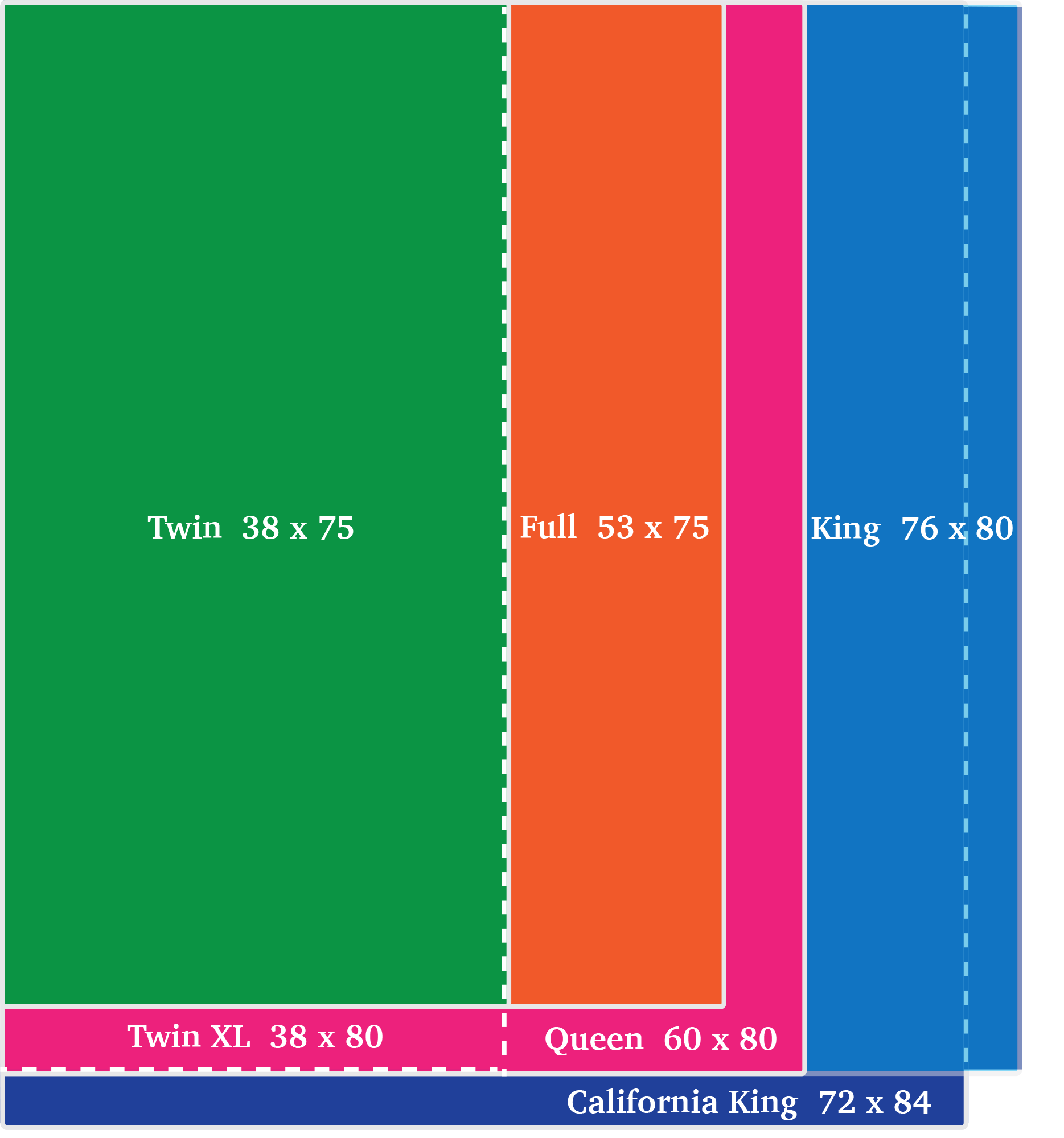
Comparing bed sizes makes the answer to what are the dimensions of a full mattress much easier to understand. A full mattress sits between a twin and a queen in width, but it is shorter than a queen.
| Mattress size | Width | Length | Best for |
|---|---|---|---|
| Twin | 38 inches | 75 inches | Children, teens, and small rooms |
| Twin XL | 38 inches | 80 inches | Tall teens and college dorms |
| Full | 54 inches | 75 inches | One adult or two occasional sleepers |
| Queen | 60 inches | 80 inches | Couples and guest rooms |
| King | 76 inches | 80 inches | Couples who want maximum space |
| California king | 72 inches | 84 inches | Tall sleepers and large rooms |
A full mattress gives one person 27 inches of sleeping width. Two people would share the same 54 inches, or about 27 inches each. That is much less personal space than a queen mattress provides.
The length also matters. A 75-inch bed can feel short for anyone taller than about 6 feet. Your feet may hang over the edge, especially if you sleep on your back.

Full Mattress Versus Full XL Mattress
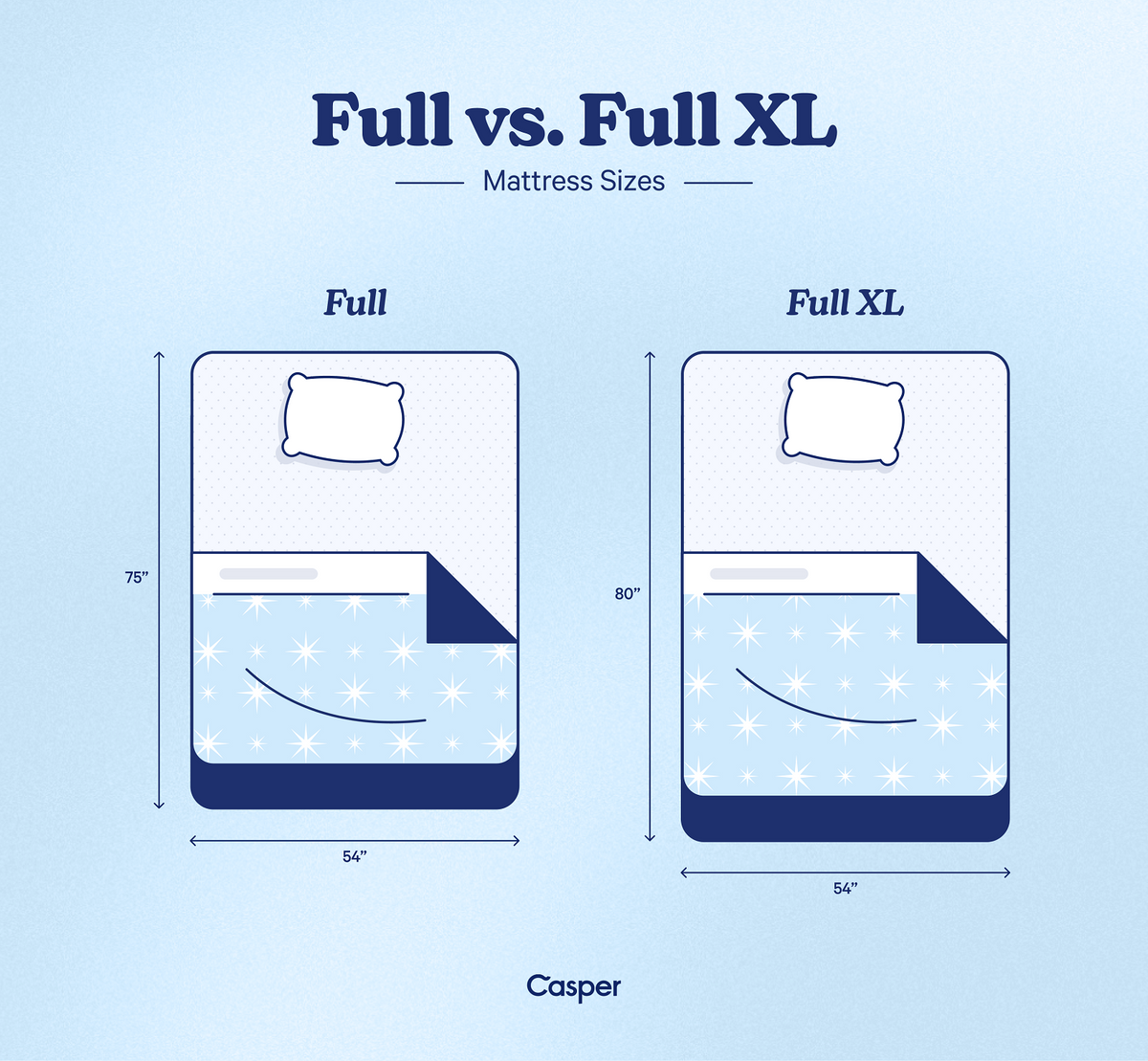
A full XL mattress has the same width as a standard full mattress but adds 5 inches of length. Its dimensions are usually 54 inches wide by 80 inches long.
The extra length can help taller sleepers. It can also make a full XL useful in a narrow guest room where a queen bed feels too wide.
Full XL mattresses are less common than standard full mattresses. You may have fewer choices for frames, sheets, mattress protectors, and comforters.
Before buying a full XL bed, confirm that every accessory matches the size. Standard full sheets may not fit the deeper or longer full XL mattress correctly.
How Much Room Does a Full Mattress Need?
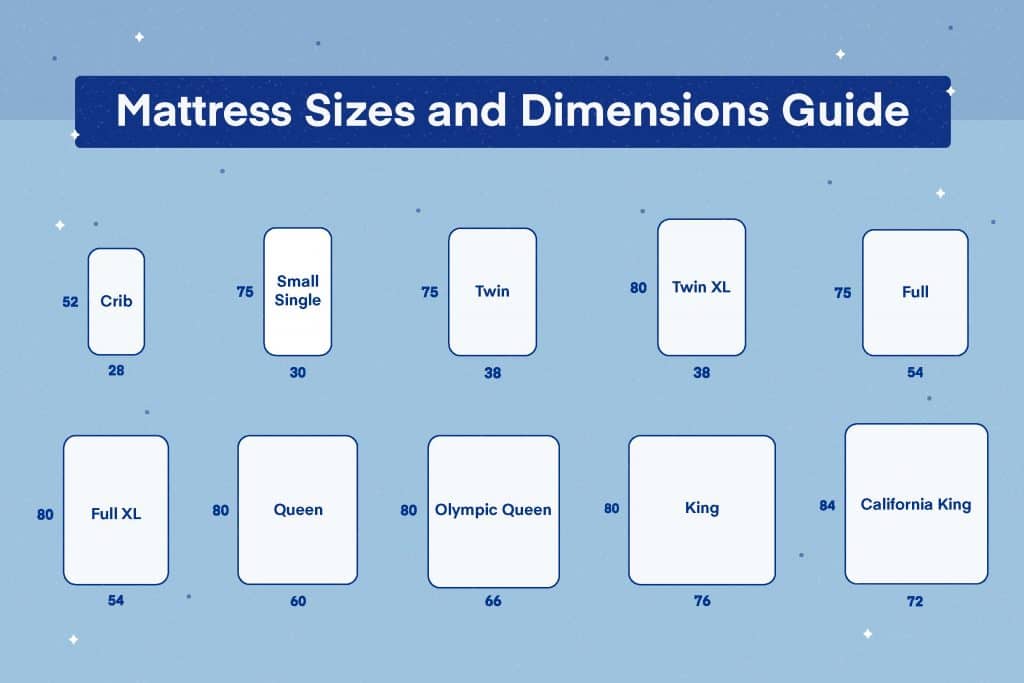
The mattress itself measures 54 by 75 inches, but most bedrooms need extra clearance. For comfortable movement, plan for at least 24 inches of walking space around the open sides of the bed.
A room that is about 10 by 10 feet can often fit a full bed. The layout may feel tight if you add a large dresser, desk, nightstand, or chair.
For a more comfortable setup, consider a room around 10 by 12 feet or larger. The ideal size depends on the bed frame and the amount of furniture you need.
Before moving the mattress into the room, mark its footprint on the floor with painter’s tape. This simple test shows how much walking space remains and can prevent a costly delivery problem.

How to Measure a Full Mattress
Mattress dimensions can change slightly with quilting, edge support, and manufacturing. Measuring your own mattress is the best way to confirm its exact size.
Follow these steps:
- Remove all sheets, blankets, and mattress toppers.
- Measure from the left edge to the right edge for the width.
- Measure from the head edge to the foot edge for the length.
- Measure from the bottom to the highest point for the thickness.
- Record each measurement before ordering bedding or a frame.
Do not press down on the mattress while measuring its height. Compression can make it appear thinner than it is.
A mattress topper also changes the total height. This matters when choosing deep-pocket sheets or checking whether your feet will sit comfortably on the floor.

Full Mattress Dimensions and Bed Frames
A full mattress needs a full-size frame. The frame may be slightly larger than the mattress so the bed can fit without rubbing against the rails.
Platform beds often support the mattress with solid panels or closely spaced slats. Check the frame instructions for the maximum gap between slats, especially when using a foam mattress.
A full bed frame may measure several inches wider and longer than the mattress. Headboards and footboards can add even more size.
Before buying a frame, check these details:
• The frame is labeled for a full or double mattress.
• The inside dimensions match about 54 by 75 inches.
• The slats provide enough support.
• The frame can support the combined weight of the mattress and sleepers.
• The frame height works with your nightstands and room design.
One common mistake is measuring the outside of an old frame and assuming those are the mattress dimensions. The inside space is what matters.

Full Mattress Sheets and Bedding Sizes
Standard full sheets are made for mattresses that are about 54 inches wide and 75 inches long. Fitted sheets also account for mattress depth, which can range from around 8 to more than 16 inches.
A full fitted sheet may not fit a full XL mattress because full XL beds are 80 inches long. The sheet may pull loose at the corners or leave part of the mattress uncovered.
When shopping, look for:
• Full or double fitted sheets for a standard full mattress.
• Full XL sheets for a full XL mattress.
• Pocket depth that is greater than the mattress and topper height.
• A full-size flat sheet for standard coverage.
• A full or queen comforter, depending on the desired drape.
Do not rely only on the word “full.” Read the package measurements when possible, since bedding sizes can vary by brand.

Who Should Use a Full Mattress?
A full mattress works well for many single sleepers. It offers more side-to-side space than a twin without taking up as much room as a queen.
It is also a practical choice for:
• Teenagers who have outgrown a twin bed.
• Adults living in studios or small bedrooms.
• Guest rooms used by one person.
• Couples who share a bed only occasionally.
• Children who need space to grow.
• Sleepers who want a wider bed at a lower cost.
For two adults, a full mattress may feel crowded every night. Each person gets only about 27 inches of width, which is narrower than a twin mattress.
A full mattress can be a smart starter bed, but taller sleepers and couples often feel more comfortable on a queen.
Benefits and Limitations of a Full Mattress
Understanding what are the dimensions of a full mattress also means looking at its practical strengths and weaknesses.
Benefits
• It gives one sleeper generous width.
• It costs less than many queen and king options.
• It fits in smaller bedrooms.
• It uses less floor space than a queen.
• Full-size bedding is widely available.
• It works well for teenagers and guest rooms.
Limitations
• It may feel short for tall sleepers.
• Two adults have limited personal space.
• Full XL accessories can be harder to find.
• A thick frame can make the bed use more room than expected.
• Moving it through narrow doors and stairs still requires planning.
The right choice depends on your height, sleeping position, room size, and whether you share the bed. Mattress comfort matters, but size determines how freely you can move.
Tips for Buying the Right Full Mattress
Start by measuring the room, not by choosing a mattress based only on price. Mark the full mattress dimensions on the floor and add space for the frame and walking paths.
Next, check your body size and sleep habits. A full mattress may work well for a smaller adult, but a taller person may need the extra length of a full XL or queen.
Use this buying checklist:
- Confirm that the mattress measures about 54 by 75 inches.
- Check the mattress thickness.
- Measure doorways, hallways, stairways, and elevators.
- Confirm the bed frame uses the same size.
- Buy sheets with the correct pocket depth.
- Review the return policy.
- Check the warranty terms and weight limits.
- Test the mattress for pressure relief and support.
During room planning, I have seen people focus on mattress size and forget the delivery route. A mattress that fits the bedroom may still fail to fit around a tight stair turn. Measure the path before delivery day.
What Are the Dimensions of a Full Mattress for an RV?
RV mattresses may use nonstandard sizes. Some RV beds are shorter than a household full mattress, even when the seller uses a similar name.
A standard household full mattress measures 54 by 75 inches. An RV mattress may be called a short full, RV full, or another custom size, so always check the exact measurements.
Measure the platform from inside edge to inside edge. Also check the corners, since some RV mattresses use rounded edges or unusual shapes.
Frequently Asked Questions About Full Mattress Dimensions
What are the dimensions of a full mattress in inches?
A standard full mattress measures 54 inches wide by 75 inches long. It is also commonly called a double mattress.
Is a full mattress the same as a double mattress?
Yes, in most United States stores, “full” and “double” describe the same mattress size. Product dimensions can vary slightly, so check the label before buying accessories.
Is a full mattress big enough for two adults?
A full mattress can sleep two adults, but it gives each person only about 27 inches of width. Most couples find a queen mattress more comfortable for nightly use.
What is the difference between a full and a queen mattress?
A full mattress is 54 by 75 inches, while a queen is usually 60 by 80 inches. A queen adds 6 inches of width and 5 inches of length.
Is a full mattress good for a tall person?
A standard full mattress may feel short for someone taller than about 6 feet. A full XL mattress adds 5 inches of length and may provide a better fit.
Will full-size sheets fit a full XL mattress?
Usually, no. A full XL mattress is longer, so it needs full XL sheets or bedding specifically labeled for its 80-inch length.
How large should a room be for a full bed?
A 10 by 10-foot room can often fit a full bed, but the layout may be tight with other furniture. A 10 by 12-foot room usually offers more comfortable walking space.
Conclusion
A standard full mattress measures 54 inches wide by 75 inches long, or about 137 by 191 centimeters. It offers useful space for one sleeper and can fit smaller bedrooms, guest rooms, apartments, and teen bedrooms.
Before buying, measure the room, frame, doorway, and bedding needs. If you are tall, share the bed every night, or want more space, compare a full XL or queen mattress.
Use these measurements to plan your room with confidence, then compare trusted mattresses and frames that fit your needs.

Appliance Review Expert
Lucas Ramirez is a trusted voice at HomeFixGrid.com, known for his clear, practical, and creatively written guides that simplify appliance care for everyday homeowners. With a strong focus on hands-on testing and real-world problem-solving, Lucas brings expert insight into appliance reviews and troubleshooting techniques. Her work empowers readers to confidently maintain, repair, and choose the right appliances for their homes.