Can I Cook Asparagus In Microwave: Easy Guide
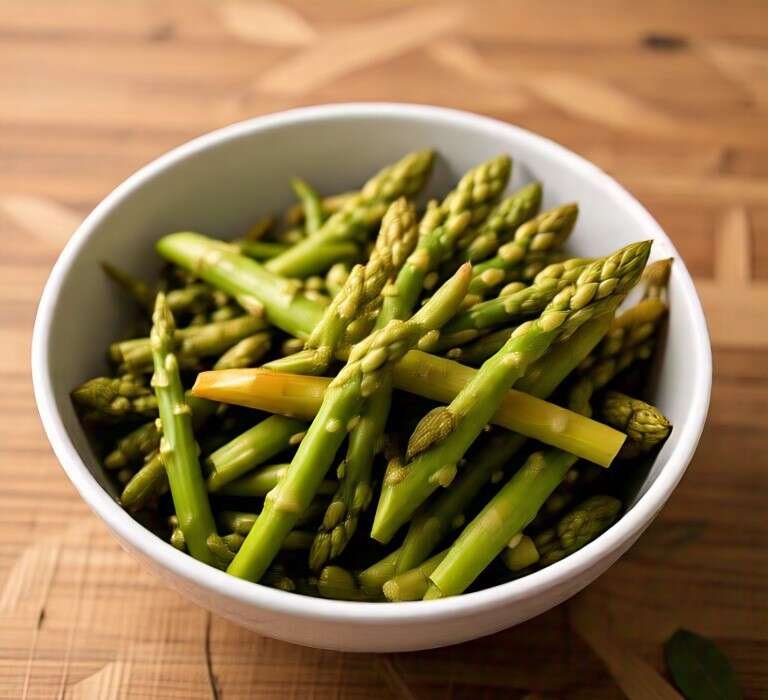
Yes. You can cook asparagus in the microwave in about 3 to 5 minutes. This method works well for fresh asparagus when you want a quick side dish with little cleanup.
For the best result, place trimmed asparagus in a microwave-safe dish with a small amount of water. Cover the dish, cook on high, and check the spears often. Thin asparagus may finish in about 2 to 3 minutes. Thick spears may need 4 to 5 minutes.
Microwave cooking can make asparagus tender and bright green. It may not give the browned flavor of roasting or grilling, but it is fast and simple for a weeknight meal in a U.S. kitchen.


What You Need to Microwave Asparagus
You need only a few basic items:
- Fresh asparagus
- A microwave-safe dish
- 1 to 2 tablespoons of water
- A microwave-safe lid, plate, or vented cover
- Tongs or a fork
- Salt, pepper, butter, lemon, or other seasonings
Choose firm asparagus with smooth stalks and closed tips. Avoid spears that feel slimy or have a strong sour smell.
A microwave-safe glass or ceramic dish is a good choice. Some plastic containers are also made for microwave use, but check the label first. Do not use metal, aluminum foil, or dishes with metallic trim.
Should You Use Fresh or Frozen Asparagus?
Fresh asparagus gives the best texture for this method. Frozen asparagus can also work, but it often becomes softer because it has already been blanched and frozen.
If using frozen asparagus, do not thaw it unless the package instructions say to do so. Add about 1 to 2 minutes to the cooking time, then check it in short bursts.
How to Cook Asparagus in the Microwave
Follow these steps for tender asparagus with a little bite.
1. Rinse and Trim the Asparagus
Rinse the asparagus under cool running water. Pat it dry with a clean towel.
Trim the woody ends. You can snap each spear where it naturally breaks, or cut off about 1 inch from the bottom. Very thick stalks may need a little more trimming.
If the spears are long, cut them into 2-inch pieces. Whole spears also cook well if your dish is long enough.
2. Add Water to a Microwave-Safe Dish
Place the asparagus in a single layer when possible. Add 1 to 2 tablespoons of water.
The water creates steam. Steam helps cook the stalks without drying them out. You do not need to cover the asparagus with water.


3. Cover the Dish
Cover the dish with a microwave-safe lid or plate. Leave a small vent for steam if the cover does not have a vent.
Do not seal the container tightly. Steam pressure can build as the water heats.
4. Microwave on High
Use these times as a starting point for a standard 1,000-watt microwave:
| Amount and size | Starting time on high |
|---|---|
| ½ pound thin spears | 2 to 3 minutes |
| ½ pound medium spears | 3 to 4 minutes |
| ½ pound thick spears | 4 to 5 minutes |
| 1 pound medium or thick spears | 5 to 7 minutes |
| 1 pound frozen asparagus | 5 to 8 minutes |
Microwave power varies. A lower-wattage microwave may need more time, while a high-wattage model may cook the asparagus faster.
For even cooking, stop halfway through and turn or rearrange the spears. Place the thick ends toward the outside of the dish, where many microwaves heat more strongly.
5. Check for Doneness
Carefully lift the cover away from your face. Hot steam can burn skin.
The asparagus is ready when a fork slides into the thick part with slight resistance. The stalks should bend a little but should not be limp or mushy.
If the asparagus is still too firm, microwave it for another 20 to 30 seconds. Repeat until it reaches the texture you want.
6. Drain and Season
Drain any remaining water. Season the asparagus while it is hot.
Try one of these simple combinations:
- Butter, salt, and black pepper
- Olive oil, lemon juice, and garlic powder
- Parmesan cheese and cracked pepper
- Soy sauce and toasted sesame seeds
- Lemon zest and a small pinch of red pepper flakes

How Long Does Asparagus Take in the Microwave?
Most fresh asparagus takes 3 to 5 minutes on high. The exact time depends on four main factors:
- Stalk thickness: Thick spears take longer than thin spears.
- Amount: A full pound takes longer than a half pound.
- Microwave power: A 1,200-watt oven may cook faster than a 700-watt oven.
- Desired texture: Crisp-tender asparagus needs less time than soft asparagus.
A useful approach is to start with less time. You can always add more heat, but overcooked asparagus cannot become crisp again.
If your microwave does not list its wattage, check the label inside the door, on the back, or in the owner’s manual. If you cannot find it, use short cooking intervals and check often.
The Best Microwave Method for Crisp-Tender Asparagus
For asparagus that stays firm and bright, use a short cooking time and a small amount of water.


Place the trimmed spears in a dish with 1 tablespoon of water. Cover and microwave for 2 minutes. Test one spear. Continue in 20- to 30-second bursts until the stalk is tender but still firm.
Drain the asparagus right away. Leaving it in the hot water or covered dish allows carryover cooking, which can make it soft.
You can also spread the cooked asparagus on a plate for a minute. This lets extra steam escape and helps stop the cooking process.

Can You Microwave Asparagus Without Water?
Yes, but water usually gives a more even result. Asparagus contains water naturally, so it can cook without added liquid in a covered dish.
To microwave it without added water:
- Place rinsed asparagus in a microwave-safe dish.
- Cover the dish with a vented microwave-safe lid.
- Cook for 2 to 4 minutes, depending on thickness.
- Check the texture and add short bursts if needed.
The dry method can work well for a small serving. It may also cause more wrinkling or uneven cooking, especially if the asparagus is old or the dish is uncovered.
Avoid microwaving asparagus uncovered for several minutes. The stalks may dry out before the centers become tender.
Can You Microwave Asparagus in a Paper Towel?
Yes, a damp paper towel can help steam a small portion of asparagus.
Wrap a few trimmed spears in a damp, plain paper towel and place them on a microwave-safe plate. Microwave for about 1½ to 3 minutes, then check the texture.
Use only plain paper towels. Do not use towels with metallic designs, plastic coating, or printed areas that may bleed when wet.
This method is best for one or two servings. A covered dish is safer and more consistent for a larger amount.

How to Microwave Asparagus in a Steamer
A microwave steamer can make the process easier, but it is not required. Use a steamer that is clearly labeled microwave-safe and follow its instructions.
In general:


- Add the recommended amount of water to the steamer base.
- Place the asparagus in the basket.
- Cover the steamer.
- Microwave on high for 3 to 6 minutes.
- Let it stand for 1 minute before opening.
The standing time matters because steam remains trapped inside. Open the lid away from your face and hands.
Never use a sealed container unless it is designed to release steam. The U.S. Food and Drug Administration recommends following the microwave oven and container instructions to reduce the risk of burns and pressure-related accidents.
Common Microwave Asparagus Problems
The asparagus is still hard
The spears may be thick, crowded, or undercooked. Add 20 to 30 seconds at a time. Turn or rearrange them before each extra interval.
If the dish is packed tightly, move the stalks into a more even layer.
The asparagus is mushy
It likely cooked too long or sat in hot water after the microwave stopped. Drain it at once next time and reduce the starting time by 30 to 60 seconds.
The asparagus is dry
Add a tablespoon of water and cover the dish. An uncovered dish allows steam to escape, which can dry the stalks.
The tips are overcooked but the stalks are hard
This often happens when the spears are arranged unevenly. Put the thick ends toward the outside of the dish and the tips toward the center. Cut very thick stalks in half lengthwise if needed.
The asparagus cooks unevenly
Microwaves do not heat every spot in the oven in exactly the same way. Use a single layer, turn the dish if your model does not rotate, and let the asparagus stand briefly after cooking.

Is Microwave Asparagus Healthy?
Microwaving asparagus can be part of a healthy cooking method. It uses little or no added fat, and short cooking times may help limit the loss of some heat-sensitive nutrients compared with longer cooking methods.
The final nutrition depends on the asparagus serving size and what you add. Butter, oil, cheese, and salty sauces increase calories, fat, or sodium.
The FDA states that microwave ovens that meet its safety standards and are used according to the manufacturer’s instructions are safe to use. The main everyday risks are hot steam, hot dishes, and containers that are not made for microwave use.
Microwaving does not make spoiled asparagus safe to eat. Start with fresh produce, wash it under running water, and discard any stalks that are slimy or smell bad.

Microwave Asparagus vs. Other Cooking Methods
Microwaving is best when speed and easy cleanup matter most.
| Method | Typical time | Texture | Main benefit |
|---|---|---|---|
| Microwave | 3 to 5 minutes | Tender and moist | Fastest option |
| Steaming | 5 to 8 minutes | Tender and bright | Gentle, even cooking |
| Boiling | 3 to 5 minutes | Softer | Easy for large batches |
| Roasting | 12 to 20 minutes | Tender with browned edges | Deeper flavor |
| Grilling | 6 to 10 minutes | Firm with char | Smoky taste |
These times are general estimates. Pan size, asparagus thickness, heat level, and batch size can change the result.
Choose the microwave when you need a quick side dish. Choose roasting or grilling when browned flavor matters more than speed.

Microwave Asparagus Safety Tips
Use these simple precautions:
- Use a microwave-safe dish and cover.
- Do not use foil or metal.
- Do not seal the container tightly.
- Open the cover away from your face.
- Use oven mitts when handling a hot dish.
- Let the asparagus cool briefly before serving.
- Follow the instructions for your microwave steamer or container.
- Keep children away from hot steam and dishes.
The USDA and FDA both stress safe handling and careful use of microwave equipment. If a container becomes very hot, melts, cracks, or smells unusual, stop using it.
Frequently Asked Questions
Can I microwave asparagus from a can?
Yes. Canned asparagus is already cooked, so you only need to heat it. Drain it, place it in a microwave-safe dish, cover it, and heat for 1 to 2 minutes. Stir or turn it once, then check the temperature.
Should I blanch asparagus before microwaving it?
No. Blanching is not needed for normal microwave cooking. It is mainly used before freezing or for certain recipes. Fresh asparagus can go directly into the microwave after rinsing and trimming.
Can I microwave asparagus with butter?
Yes. Place the asparagus in a microwave-safe dish, add a small pat of butter, cover it, and cook as usual. You can also add the butter after cooking to make it easier to control the amount.
Can I reheat cooked asparagus in the microwave?
Yes. Place the cooked asparagus in a covered microwave-safe dish and heat for 30 to 60 seconds. Add more time in short bursts if needed. Reheating too long can make it soft.
How do I know when asparagus is bad?
Fresh asparagus may be spoiled if it is slimy, moldy, very limp, or has a strong unpleasant odor. Small changes at the cut ends are common, but discard asparagus with widespread spoilage.
Final Answer
You can cook asparagus in the microwave quickly and safely. Add trimmed asparagus and a little water to a covered microwave-safe dish, cook it on high for about 3 to 5 minutes, and check it in short intervals.
For the best texture, use a single layer, place thick ends toward the outside, drain the asparagus right away, and season it while hot. Start with less time than you think you need, since microwave power and asparagus thickness can vary.

Appliance Review Expert
Lucas Ramirez is a trusted voice at HomeFixGrid.com, known for his clear, practical, and creatively written guides that simplify appliance care for everyday homeowners. With a strong focus on hands-on testing and real-world problem-solving, Lucas brings expert insight into appliance reviews and troubleshooting techniques. Her work empowers readers to confidently maintain, repair, and choose the right appliances for their homes.