Can You Microwave Frozen Fruit: Safe Heating Guide
Introduction
Yes, you can microwave frozen fruit. In the United States, a microwave is useful for thawing berries, cherries, peaches, mango, and other frozen fruit. Use short heating times, stir often, and place the fruit in a microwave-safe bowl.
Microwaving will soften the fruit and may release juice. It can also make some fruit mushy. If you want firm fruit for a salad, thawing it in the refrigerator gives better texture. If you need fruit for oatmeal, sauce, baking, or a smoothie, the microwave works well.

Is It Safe to Microwave Frozen Fruit?
Microwaving frozen fruit is generally safe when you use a suitable container and heat the fruit evenly. The main risks are hot spots, splattering juice, steam burns, and containers that are not made for microwave use.
The U.S. Department of Agriculture says food thawed in a microwave should be cooked right away. This guidance mainly concerns meat, poultry, seafood, and foods that need cooking. For fruit, the same basic rule is useful: use thawed fruit promptly, especially if it becomes warm.
A microwave does not heat every part of a bowl at the same rate. The center may stay frozen while the edges become very hot. Stirring helps spread the heat and reduces this problem.
Use the right container
Place frozen fruit in one of these:
- A glass bowl labeled microwave-safe
- A ceramic bowl labeled microwave-safe
- A microwave-safe plastic container
- A microwave-safe plate with a shallow rim
Do not microwave fruit in a sealed jar, closed plastic bag, takeout container, or metal container. Steam can build pressure in a sealed container. Metal can cause sparks and damage some microwave ovens.
If you cover the bowl, use a loose microwave-safe lid or a vented cover. Do not seal it tightly.
Can frozen fruit catch fire?
Most frozen fruit is very moist, so it is not likely to catch fire during normal short heating. However, fruit can scorch if it becomes dry and overheated. Do not run the microwave empty, and do not heat fruit for a long time without checking it.
Fruit with pits, stems, twist ties, foil, or metal packaging needs special care. Remove packaging and non-food materials first. If the fruit still contains pits, do not assume the pit makes it safe to heat for a long time.
How to Microwave Frozen Fruit
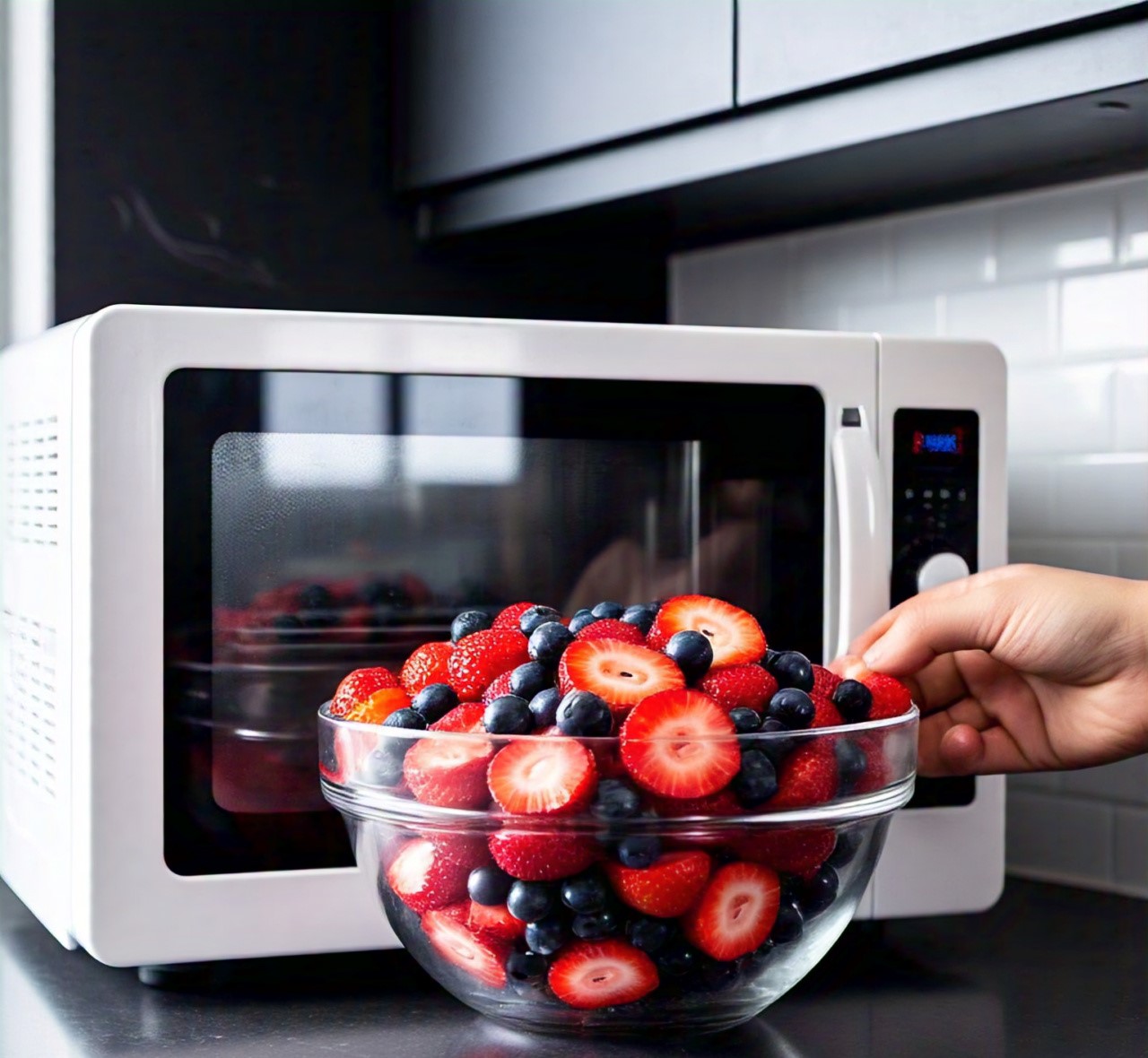
The safest method is to heat frozen fruit in short intervals at medium power. This gives the center time to thaw before the outer fruit becomes hot.
Basic method for thawing frozen fruit
- Measure the fruit. Put about 1 cup of frozen fruit in a microwave-safe bowl.
- Spread it out. A shallow, even layer thaws more evenly than a deep pile.
- Cover loosely. Use a vented lid or microwave-safe paper towel to reduce splatter.
- Set the microwave to 50% power. Medium power is gentler than full power.
- Heat for 30 seconds.
- Stir and separate the pieces.
- Continue in 15- to 30-second intervals until the fruit reaches the texture you want.
- Let it stand for one minute. Heat continues to move through the fruit after the microwave stops.
- Use it promptly if the fruit is warm.
The exact time depends on the fruit, amount, starting temperature, bowl, and microwave wattage. A typical home microwave in the United States may range from about 600 to 1,200 watts, so two ovens can produce different results.
Basic method for heating fruit for oatmeal or sauce
For warm fruit, place the frozen fruit in a microwave-safe bowl with one or two teaspoons of water. Heat it at full power for 30 seconds, stir, and then continue in 15- to 30-second bursts.
Stop when the fruit is hot and soft. If you want a sauce, mash the fruit with a fork after heating. You can add sugar, maple syrup, cinnamon, lemon juice, or cornstarch slurry after the fruit begins to soften.
A cornstarch slurry contains cornstarch mixed with cold water. Add it before a final heating step, then stir well. The mixture must become hot enough to thicken.
Signs that the fruit is ready
Thawed fruit should be soft enough to separate with a spoon. It may still have a few ice crystals if you plan to use it in a smoothie.
Fruit intended for oatmeal or sauce should be hot throughout. Stir the center and check for cold spots. Steam and hot juice can burn your mouth, so allow the fruit to cool before tasting.
Microwave Times for Common Frozen Fruit
The table below gives starting points for 1 cup of frozen fruit in a 1,000-watt microwave at 50% power. These are estimates, not fixed cooking times. Check and stir during heating.
| Frozen fruit | Starting time | What to expect |
|---|---|---|
| Blueberries | 30 seconds | Softens quickly and releases juice |
| Raspberries | 30 seconds | Becomes delicate and may break apart |
| Blackberries | 30 to 45 seconds | May split and release dark juice |
| Strawberries, sliced | 45 to 60 seconds | Softens unevenly if pieces vary in size |
| Cherries, pitted | 45 to 60 seconds | Releases a lot of juice |
| Mango chunks | 45 to 75 seconds | Usually keeps more shape than berries |
| Peach slices | 45 to 75 seconds | Softens and may become slippery |
| Pineapple chunks | 45 to 75 seconds | Can stay firm in the center |
| Mixed fruit | 60 to 90 seconds | Different pieces thaw at different rates |
Use lower power when you want to thaw fruit without making it hot. Use full power for a warm topping, but check it often.
A larger amount needs more time, but do not simply multiply the time by the number of cups. A deep bowl heats less evenly than a shallow one. Heat in small batches when texture matters.

Should You Thaw Frozen Fruit in the Microwave or Refrigerator?
Use the microwave when speed matters. Use the refrigerator when texture and even thawing matter more.
| Method | Best for | Main benefit | Main drawback |
|---|---|---|---|
| Microwave | Oatmeal, sauces, baking, quick use | Fast | Can create hot spots and soft texture |
| Refrigerator | Fruit salads, yogurt, meal prep | Better texture and even thawing | Takes several hours |
| Cold water | Sealed, suitable packages | Faster than the refrigerator | Requires clean packaging and attention |
| Use frozen | Smoothies and blended drinks | No thawing needed | Needs a strong blender |
Frozen berries often lose some firmness after thawing. This happens because ice crystals damage plant cells. When the fruit warms, water and juice escape from those cells. Microwaving speeds up that change, especially at high power.
For a smoothie, you usually do not need to microwave the fruit. Add it frozen if your blender can handle frozen ingredients. For baking, thaw the fruit only when the recipe calls for it. Extra juice can change the moisture balance in cakes, muffins, and pies.

Best Uses for Microwaved Frozen Fruit
Microwaved frozen fruit works best in foods where softness and juice are helpful.
Oatmeal and hot cereal
Heat the fruit in the bowl before adding oatmeal, or warm it separately as a topping. Berries may create a bright, tart sauce without added sugar.
Stir before eating. The fruit may be much hotter than the oatmeal around it.
Yogurt and cottage cheese
Let the fruit cool first. Hot fruit can make yogurt watery and may curdle some dairy products if mixed immediately.
For a thicker result, thaw the fruit, drain some juice, and then mix it with yogurt.
Smoothies
You can microwave fruit briefly if your blender struggles with hard frozen pieces. Let it cool before blending. Do not microwave fruit inside a blender jar unless the jar maker specifically says it is microwave-safe.
In most cases, using smaller frozen pieces or adding more liquid is a better solution than heating the fruit.
Fruit sauce and compote
Microwaving is a quick way to soften berries, cherries, peaches, or apples for a sauce. Mash the warm fruit and add flavorings after heating.
For a thicker sauce, use one of these options:
- Simmer the fruit in a saucepan
- Add a small cornstarch slurry and heat again
- Stir in chia seeds and let the mixture stand
- Drain excess juice
Baking
Thawed fruit often works better than frozen fruit in some batters. It mixes more easily and may reduce cold spots in the center of the batter.
Drain excess liquid if the recipe does not account for frozen fruit. Do not squeeze all fruit dry unless the recipe says to do so. You may remove too much flavor and moisture.
How Microwaving Changes Frozen Fruit
Microwaving does not simply “warm” frozen fruit. It changes its structure as ice melts.
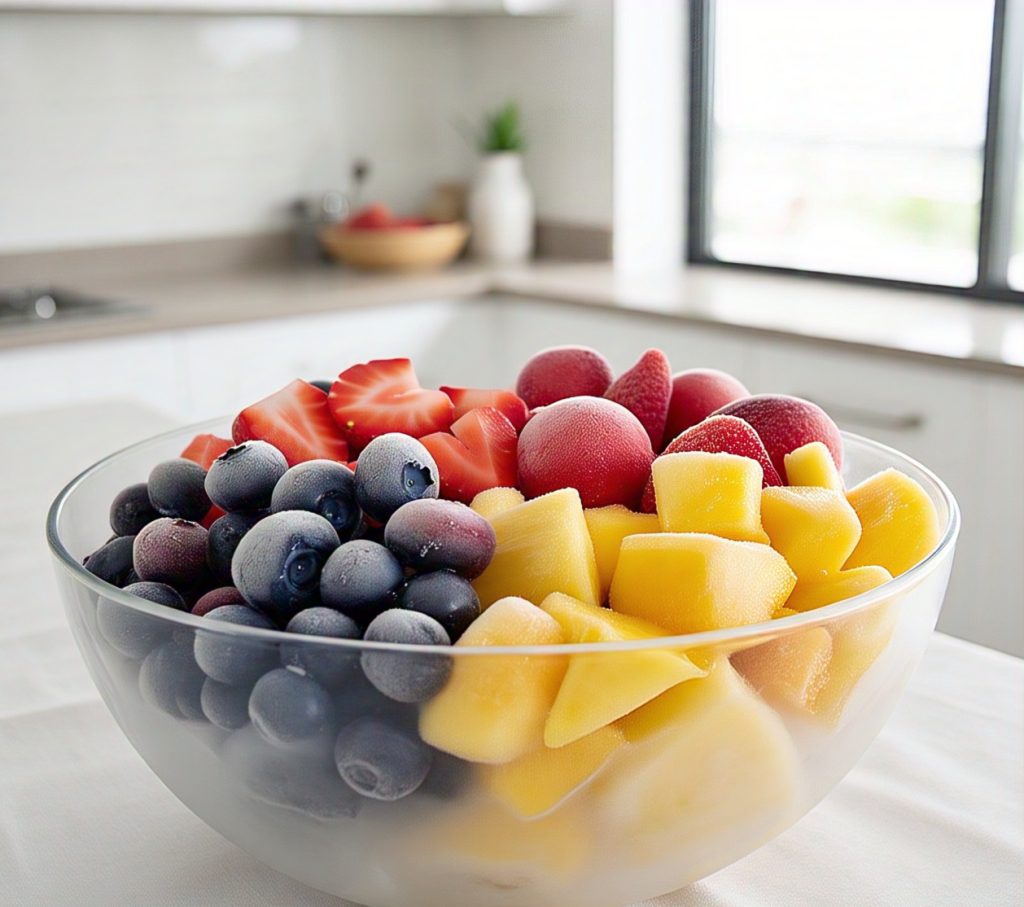
Fruit contains water inside plant cells. Freezing creates ice crystals that can damage those cells. When the fruit thaws, juice leaks out. Microwave heat can make this process happen quickly, so the fruit may become soft or watery.
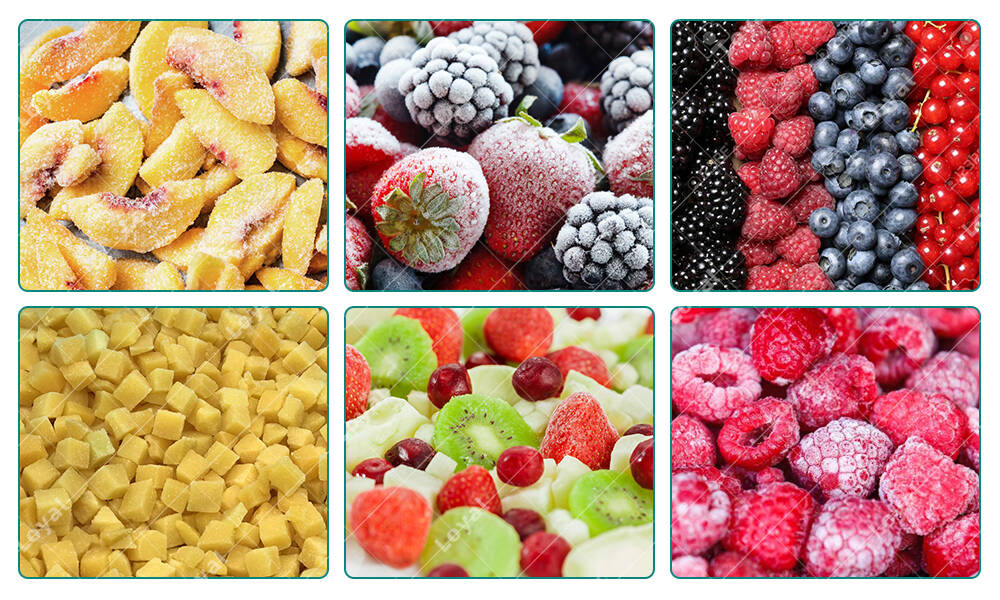
Different fruits respond in different ways:
- Raspberries and blackberries often collapse quickly.
- Strawberries may become soft but still work well in sauces.
- Mango and pineapple tend to hold their shape better.
- Cherries release juice and should be pitted before serving.
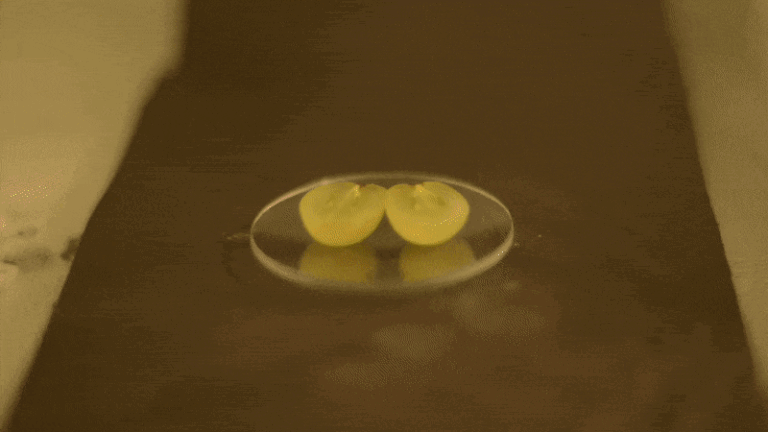
- Grapes can split as they heat and may release very hot juice.
This texture change is not usually a safety problem. It is a quality issue. Choose the refrigerator when you need fruit that looks and feels fresh.
Common Mistakes to Avoid
Heating for several minutes without stirring
Long heating can make the edges hot while the center stays icy. Short intervals give you more control.
Using full power for delicate berries
High power can burst berries and create hot juice. Medium power is usually better for thawing.
Covering the bowl tightly
A sealed cover can trap steam. Use a loose cover with a vent.
Tasting fruit right away
Fruit juice can hold heat. Stir it and let it stand before tasting or serving to a child.
Microwaving non-microwave-safe packaging
Remove plastic bags, cardboard sleeves with foil, metal ties, and other packaging unless the package clearly says it can go in the microwave.
Thawing more than you need
Repeated thawing and reheating can worsen texture. Heat only the amount you plan to use.
Assuming the microwave makes unsafe fruit safe
Microwaving can heat fruit, but it is not a guarantee that contaminated food becomes safe. Follow the package instructions, keep frozen fruit cold until use, and discard fruit that smells fermented, shows mold, or has damaged packaging.

Troubleshooting Microwaved Frozen Fruit
The fruit is still frozen in the center
Use a shallow bowl, separate the pieces, stir, and heat for another 15 to 30 seconds at 50% power.
The fruit is hot on the outside but frozen inside
The layer may be too deep, or the microwave power may be too high. Spread the fruit out and use shorter cycles.
The fruit became mushy
The fruit was likely heated too long or at too high a power. You cannot restore its original firmness, but it may still work in oatmeal, sauce, smoothies, or baking.
The fruit splattered
Use a deeper bowl and a loose cover. Reduce the power and stir more often.
The fruit tastes dry
Some water may have evaporated. Add a small amount of water, juice, or yogurt, depending on the recipe.
The fruit smells fermented
Do not taste it. Discard fruit with an alcoholic, sour, or fermented smell, visible mold, or unusual bubbling.
The bowl is too hot to handle
Use oven mitts. The bowl may absorb microwave energy or may have been heated by hot fruit and juice. Let it stand before moving it.
Microwave Frozen Fruit: Key Takeaways
- You can microwave frozen fruit for thawing, warming, sauces, oatmeal, and baking.
- Use a microwave-safe bowl and a loose, vented cover.
- Start with 30 seconds at 50% power, then stir and continue in short bursts.
- Expect softer texture and more juice after microwaving.
- Use the refrigerator when you need better shape and texture.
- Do not microwave sealed containers or non-microwave-safe packaging.
- Let hot fruit cool before eating, especially when serving children.
Frequently Asked Questions
Can you microwave frozen berries?
Yes. Put the berries in a microwave-safe bowl and heat them at 50% power in 30-second intervals. Stir between intervals. Raspberries and blackberries soften quickly, so stop as soon as they are thawed.
Can you microwave frozen fruit in a plastic bag?
Only if the bag clearly says it is microwave-safe and the package directions allow it. Never microwave a sealed bag. Transfer the fruit to a microwave-safe bowl whenever you are unsure.
Can you microwave frozen fruit for a smoothie?
Yes, but you usually do not need to. Frozen fruit helps make a smoothie cold and thick. If your blender cannot handle the frozen pieces, thaw them briefly or use smaller pieces and more liquid.
Can you microwave frozen fruit in a glass jar?
Only when the jar is labeled microwave-safe and the lid is removed or left loose according to the manufacturer’s directions. Do not heat a sealed jar. Rapid pressure buildup can break the glass or force out hot liquid.
Is microwaved frozen fruit healthy?
Microwaved fruit can still provide fiber, vitamins, and natural carbohydrates. The main nutritional concern is overcooking, which can reduce some heat-sensitive vitamins. Short heating times help preserve quality. Added sugar, syrup, or cream changes the overall nutrition more than the brief microwave step.
Can you refreeze fruit after microwaving it?
If the fruit has only begun to thaw and has stayed cold, follow the package guidance and use good food-handling practice. If it has become warm, use it promptly rather than refreezing it. Refreezing also makes the texture softer.
Conclusion
You can microwave frozen fruit safely when you use a microwave-safe container, short heating cycles, and careful stirring. Medium power is the best starting point for thawing, while full power works for quick sauces and warm toppings.
The main trade-off is texture. Microwaving is fast, but it can make fruit soft and juicy. For smoothies, oatmeal, sauces, and baking, that is often useful. For fruit salads or firm toppings, thaw the fruit slowly in the refrigerator instead.

Appliance Review Expert
Lucas Ramirez is a trusted voice at HomeFixGrid.com, known for his clear, practical, and creatively written guides that simplify appliance care for everyday homeowners. With a strong focus on hands-on testing and real-world problem-solving, Lucas brings expert insight into appliance reviews and troubleshooting techniques. Her work empowers readers to confidently maintain, repair, and choose the right appliances for their homes.