
How To Make Scrambled Eggs In A Microwave Without Milk: Easy
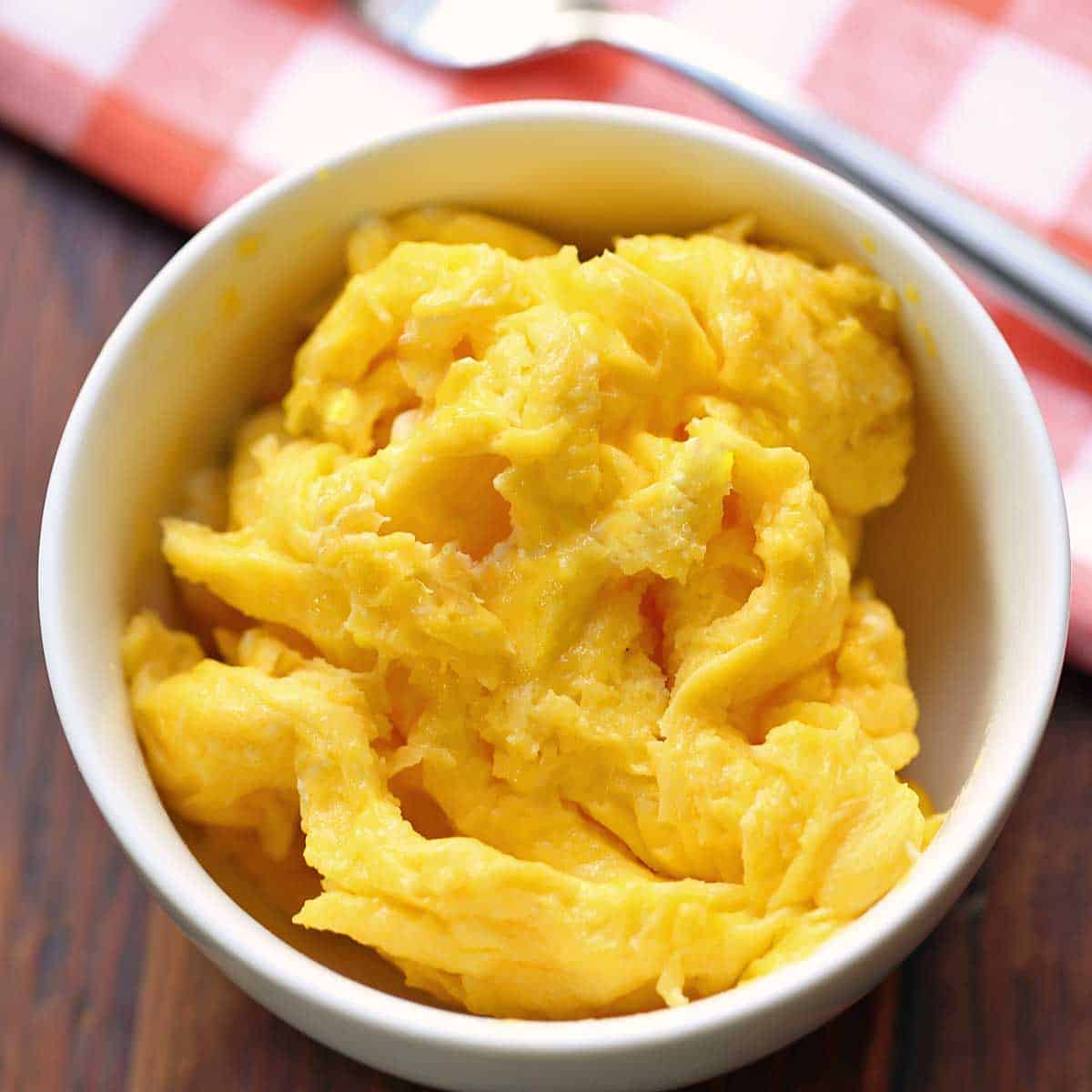
Beat eggs, season them, and microwave in short bursts, stirring often, until softly set and fully cooked.
Learning how to make scrambled eggs in a microwave without milk is simple, fast, and useful when you need breakfast in minutes. As someone who has tested microwave eggs in different bowls and at different power levels, I know the small details matter. The right bowl, short cooking bursts, and frequent stirring create soft eggs instead of a rubbery lump.
Ingredients and Kitchen Tools
You need only a few basic items for this easy microwave scrambled eggs recipe. Milk is not required because eggs already contain enough moisture to cook well on their own.
Ingredients
• 2 large eggs
• 1 teaspoon water, optional
• ⅛ teaspoon salt
• A small pinch of black pepper
• 1 teaspoon butter or cooking spray, optional
• Chopped cheese, herbs, vegetables, or cooked meat, optional
Water can make the eggs slightly lighter, but it is not essential. Avoid adding too much water, as excess liquid can make the eggs watery.
Tools
• A microwave-safe bowl or mug
• A fork or small whisk
• A spoon or silicone spatula
• A microwave
Choose a bowl with extra room. Eggs can expand as they heat, and a deep bowl helps prevent spills. Never use metal, foil, or a container with metallic paint in the microwave.
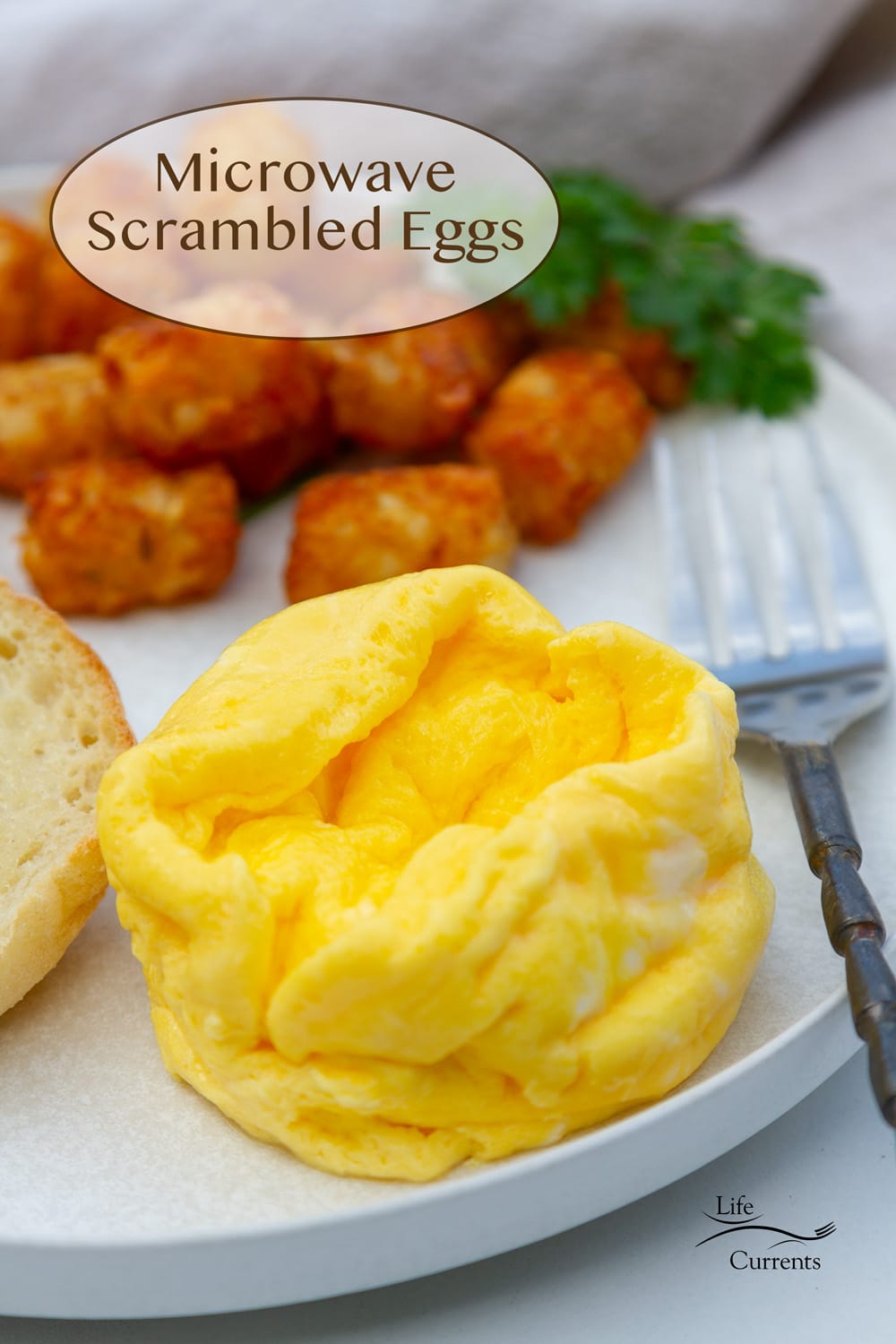
How to Make Scrambled Eggs in a Microwave Without Milk
This method works well for two large eggs in a standard 900 to 1,000-watt microwave. Your microwave may cook faster or slower, so use the texture of the eggs as your guide.
-
Crack the eggs into a microwave-safe bowl.
-
Add the salt, pepper, and optional teaspoon of water.
-
Beat the eggs with a fork until the yolks and whites are fully blended. A smooth yellow mixture cooks more evenly.
-
Lightly coat the bowl with butter or cooking spray if you want easier cleanup.
-
Microwave the eggs uncovered for 30 seconds on high power.
-
Remove the bowl and stir well. Scrape the cooked edges into the softer center.
-
Return the bowl to the microwave for 15 to 20 seconds.
-
Stir again. Continue cooking in 10 to 15-second bursts until the eggs look almost set.
-
Let the eggs rest for 30 seconds. The remaining heat will finish cooking them.
-
Serve at once while they are warm and tender.
The key to how to make scrambled eggs in a microwave without milk is short cooking time with regular stirring. A single long cooking cycle heats the outside too quickly. This creates tough edges and a wet center.
For food safety, cook eggs until the whites and yolks are set. For the most cautious approach, use a food thermometer and aim for 160°F, which is the standard safe temperature for egg dishes.
:max_bytes(150000):strip_icc()/6445874-microwave-scrambled-eggs-thedailygourmet-4x3-1-cf05873dad9f42838143781df5444d7f.jpg)
Best Microwave Timing and Power Settings
Microwave wattage changes cooking time. A powerful microwave may finish two eggs in about 45 to 60 seconds. A lower-power model may need 75 to 100 seconds.
Use this guide as a starting point:
• 700 watts: Cook in 25 to 30-second bursts, then stir. Total time may be 90 to 120 seconds.
• 900 watts: Cook for 30 seconds, stir, then use 15 to 20-second bursts. Total time may be 60 to 90 seconds.
• 1,200 watts: Cook for 20 to 25 seconds, stir, then use 10 to 15-second bursts. Total time may be 45 to 70 seconds.
Do not rely only on the clock. Microwaves heat food unevenly, and egg size also affects the result. The eggs should look moist but not liquid when you remove them. They will firm up during the short resting period.
When I test how to make scrambled eggs in a microwave without milk, I stop just before the eggs look completely dry. That small pause makes a big difference. Overcooked eggs go from soft to rubbery very quickly.
Why You Do Not Need Milk
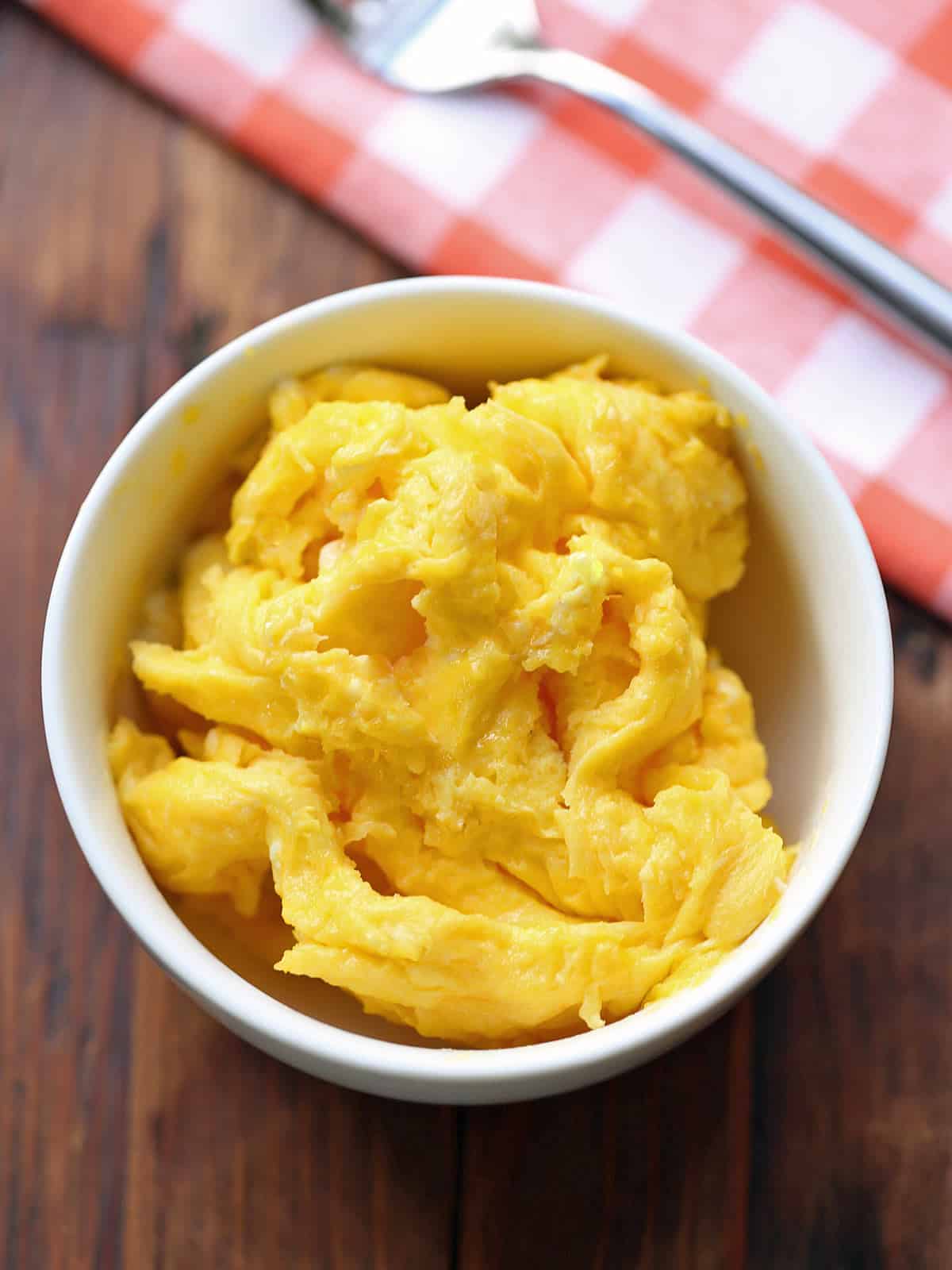
Many people add milk to scrambled eggs because it seems to make them creamy. However, milk is optional. It can add moisture, but it can also make microwave eggs thin, watery, or unevenly cooked.
Eggs contain water naturally. When heated gently, the proteins set and hold some of that moisture. The best texture comes from controlling the heat rather than adding a large amount of liquid.
A teaspoon of water is enough if you want a lighter texture. Cream, half-and-half, yogurt, or plant milk can also work, but none is needed for how to make scrambled eggs in a microwave without milk.
Butter adds richness without thinning the mixture. Cheese adds flavor and a soft texture, while a small spoonful of cottage cheese can make the eggs creamy. Add wet ingredients in small amounts so the eggs still cook evenly.
:max_bytes(150000):strip_icc()/272293-fluffy-microwave-scrambled-eggs-DDMFS-4x3-5b0c4f0fc5b4464e8ba1d1886667631e.jpg)
How to Keep Microwave Scrambled Eggs Soft
Microwaves can make eggs firm and chewy if you cook them too long. These simple habits help keep the curds tender.
• Use a lower power setting if your microwave has one. Try 70% power for more gentle cooking.
• Stir after each short burst. This spreads heat through the bowl.
• Use a wide bowl. A thin layer cooks more evenly than a deep mound.
• Stop when the eggs are nearly set. Resting finishes the job.
• Do not cover the bowl tightly. Steam needs a way to escape.
• Add cheese near the end. This prevents it from becoming oily or sticking to the bowl.
• Avoid cooking more than four eggs in one small bowl. A larger batch needs more stirring and may cook unevenly.
Think of microwave cooking as a series of small steps, not one long race. Gentle heat gives the egg proteins time to set without squeezing out all their moisture.

Flavor Ideas for Eggs Without Milk
Plain eggs are useful, but small additions can turn them into a satisfying meal. Add ingredients that are already cooked or that soften quickly.
Cheesy Microwave Eggs
Stir in 1 tablespoon of shredded cheddar, Monterey Jack, or mozzarella during the final 15 seconds. Let the bowl rest briefly so the cheese melts.
Herb and Vegetable Eggs
Add chopped green onion, parsley, spinach, or tomato. Use only a small amount of tomato or another watery vegetable, since extra moisture can slow cooking.
Breakfast Bowl
Serve the eggs over toast, rice, potatoes, or a warm tortilla. Add avocado, salsa, or hot sauce after cooking.
Protein-Packed Eggs
Mix in cooked bacon, ham, sausage, chicken, or beans. Any meat must be fully cooked before it goes into the bowl.
Dairy-Free Scrambled Eggs
Use olive oil or cooking spray instead of butter. Add herbs, salsa, nutritional yeast, or sautéed vegetables for flavor without dairy.
For the best result, keep add-ins small. Large chunks can make the eggs cook unevenly and may hide cold spots.
Common Mistakes to Avoid
Knowing what not to do is just as helpful as following the recipe. These mistakes are common when people first learn how to make scrambled eggs in a microwave without milk.
Cooking the Eggs Too Long
A long cooking cycle causes the proteins to tighten. The result is dry, chewy eggs. Short bursts are safer and easier to control.
Skipping the Stir
The outer edges receive more heat than the center. Stirring moves the cooked parts inward and the liquid parts outward.
Using a Small Container
A small mug may overflow. Use a bowl that gives the eggs room to expand and allows you to stir without spilling.
Adding Cold, Wet Ingredients
Large amounts of water, salsa, or frozen vegetables can create a watery mixture. Drain wet ingredients and use modest portions.
Leaving the Eggs in the Microwave
Residual heat continues cooking the eggs. Remove them when they are almost done, then let them stand for 30 seconds.
Forgetting to Season
Salt and pepper can be added before cooking for even flavor. If you prefer firmer whites, add salt just before cooking, but the difference is small in a quick microwave recipe.
My most useful lesson from testing this method is simple: less power and more stirring usually beat one long burst on high. The eggs may take a few extra seconds, but the texture is much more forgiving.
:max_bytes(150000):strip_icc()/257530-Scrambled-Eggs-in-a-Mug-DDMFS-4x3-7-330a17f33cb9490b89f93943e89d54ad.jpg)
Nutrition and Portion Guidance
Two large eggs provide about 140 calories and roughly 12 grams of protein before adding butter, cheese, or other toppings. Exact nutrition depends on egg size and the ingredients you choose.
Eggs also provide nutrients such as choline, vitamin B12, selenium, and vitamin D. A balanced meal can include whole-grain toast, fruit, vegetables, or beans alongside the eggs.
If you are watching sodium, reduce the salt and choose low-sodium toppings. If you are managing cholesterol, follow advice from your health professional. Dietary needs vary, and one microwave recipe cannot suit every person.
For children, older adults, pregnant people, and anyone with a weakened immune system, fully cook the eggs until set. Clean the bowl and utensils after use, especially if raw egg touches nearby surfaces.

How to Store and Reheat Microwave Eggs
Scrambled eggs taste best right after cooking. If you have leftovers, place them in a covered container and refrigerate them within two hours. Use them within three to four days.
Reheat them in the microwave in short 15-second bursts. Stir between bursts and stop as soon as they are warm. Reheating too long can make them dry.
Do not leave cooked eggs at room temperature for long periods. When in doubt about storage time, discard them. Food safety matters more than saving a small portion.
Frequently Asked Questions About How to Make Scrambled Eggs in a Microwave Without Milk
Can you microwave eggs without adding milk?
Yes. Eggs cook well without milk because they contain natural moisture. Add a teaspoon of water only if you want a slightly lighter texture.
How long do scrambled eggs take in the microwave?
Two eggs usually take 60 to 90 seconds in a 900 to 1,000-watt microwave. Cook in short bursts and stir often because microwave power and bowl shape affect timing.
Should you cover eggs when microwaving them?
Cook them uncovered or use a loose microwave-safe cover. A tight cover can trap steam and increase the chance of splattering.
Why do my microwave scrambled eggs turn rubbery?
They are likely overcooked or heated in one long burst. Use shorter intervals, stir after each interval, and remove the eggs while they still look slightly moist.
Can I make scrambled eggs in a mug?
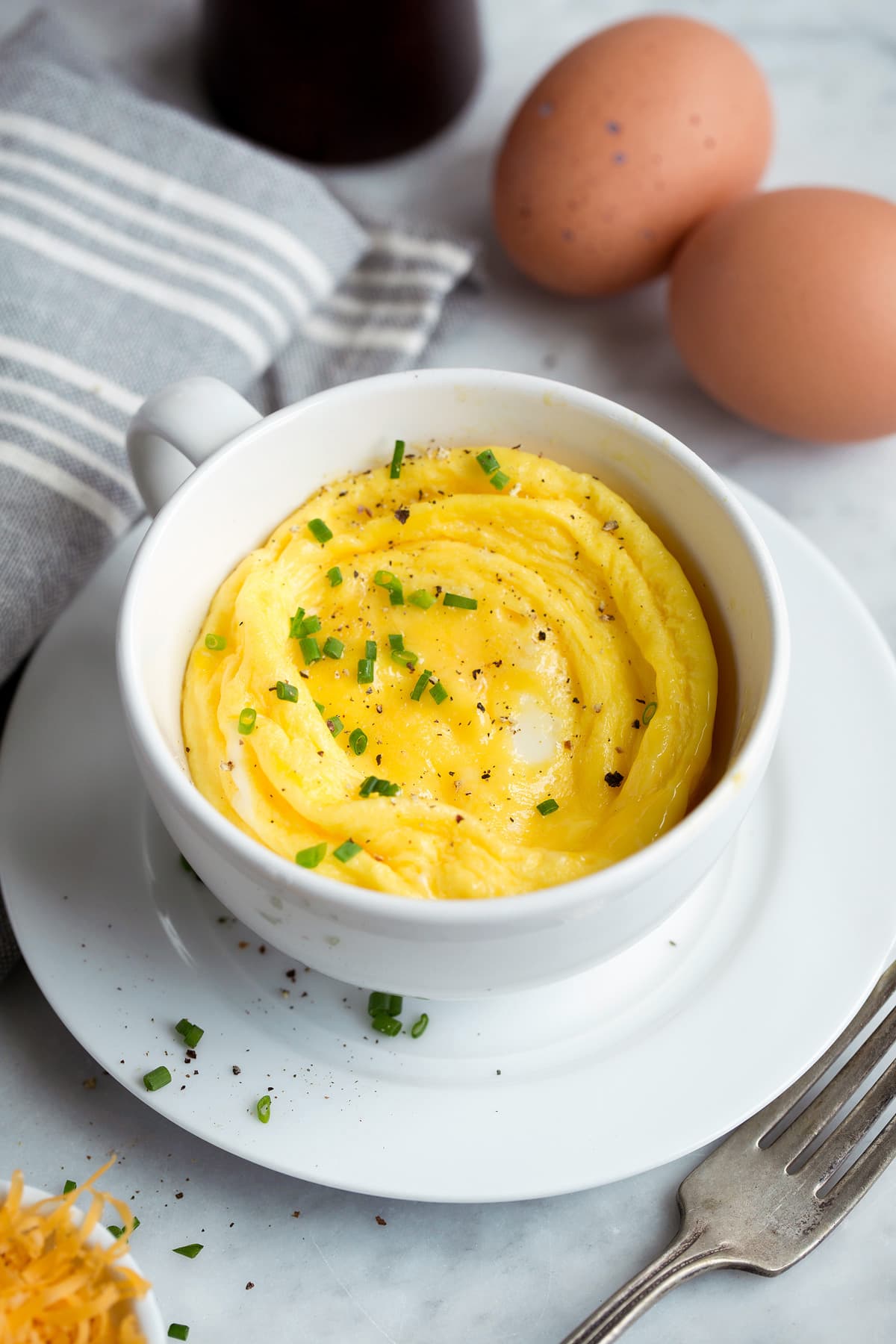
Yes, as long as the mug is microwave-safe and large enough for the eggs to expand. A bowl is often easier because it gives you more room to stir.
Is it safe to microwave raw eggs?
Yes, when you use a microwave-safe container, stir the eggs during cooking, and cook them until the whites and yolks are set. For the strongest safety measure, confirm that the dish reaches 160°F.
Can I add cheese without milk?
Yes. Add shredded cheese during the final 10 to 15 seconds, then let the eggs rest so the cheese can melt without overcooking the eggs.
Conclusion
How to make scrambled eggs in a microwave without milk comes down to three habits: whisk the eggs well, cook them in short bursts, and stir often. Use a roomy microwave-safe bowl, stop when the eggs are almost set, and allow a brief rest before eating.
Start with two eggs and the timing in this guide, then adjust for your microwave’s power. Add cheese, herbs, vegetables, or salsa to make the recipe your own. Try it the next time you need a fast breakfast, and share your favorite microwave egg combination in the comments.

Appliance Review Expert
Lucas Ramirez is a trusted voice at HomeFixGrid.com, known for his clear, practical, and creatively written guides that simplify appliance care for everyday homeowners. With a strong focus on hands-on testing and real-world problem-solving, Lucas brings expert insight into appliance reviews and troubleshooting techniques. Her work empowers readers to confidently maintain, repair, and choose the right appliances for their homes.