What Is A Mattress Protector: Benefits And Buying Guide
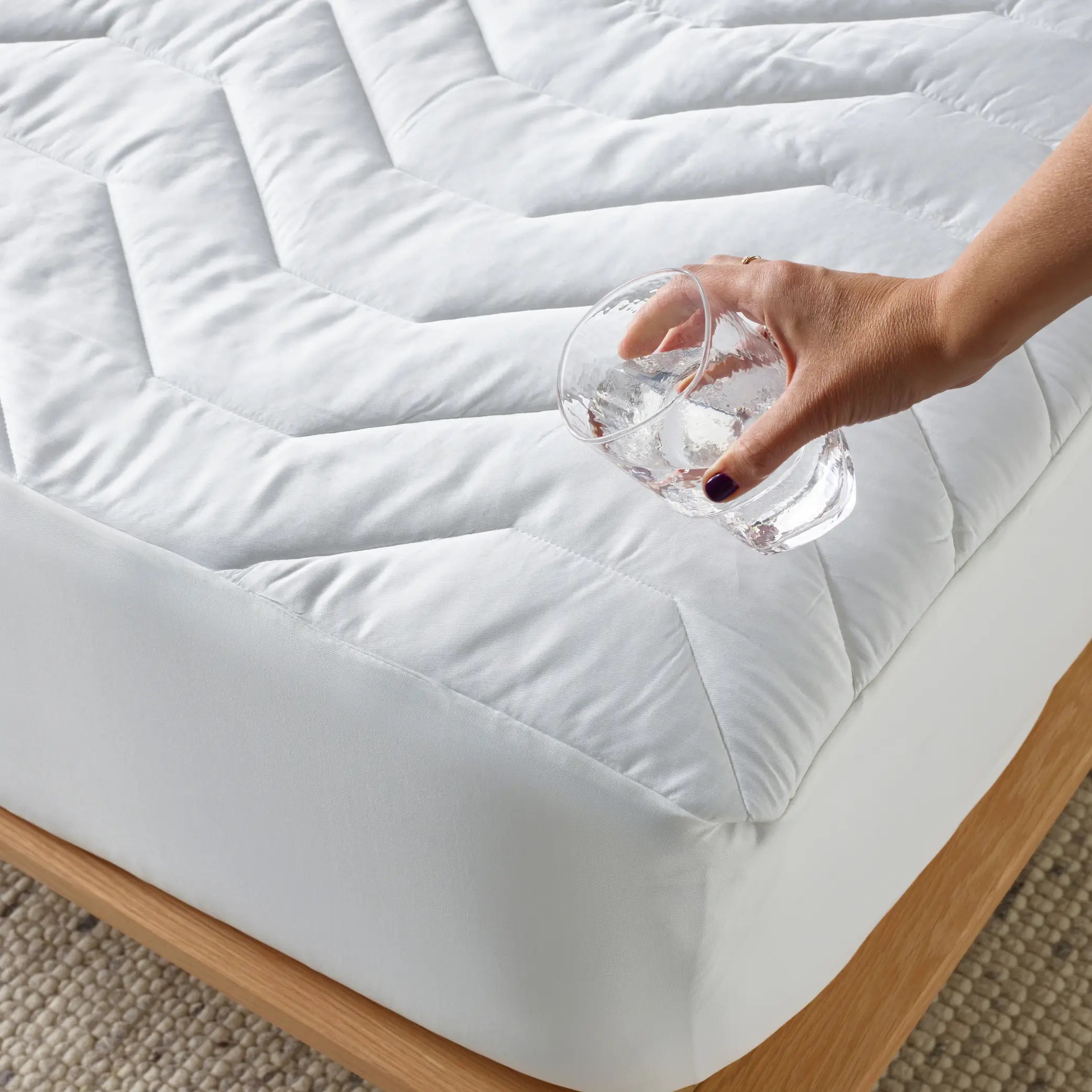
A mattress protector is a thin, fitted cover that sits between your mattress and your sheets. It helps shield the mattress from sweat, spills, stains, skin flakes, dust, and other daily wear.
In the United States, mattress protectors come in common bed sizes such as twin, full, queen, king, and California king. Some are waterproof. Others focus on breathability, allergy control, cooling, or protection from bed bugs.
A mattress protector is not the same as a mattress pad or mattress topper. A protector guards the mattress. A pad adds a small amount of softness. A topper changes the feel and support of the bed.


What Does a Mattress Protector Do?
A mattress protector creates a removable barrier over the mattress. It helps keep moisture and debris from reaching the mattress surface, where they can be hard to remove.
Most protectors cover only the top and sides of the mattress. Some models fully enclose the mattress with a zipper. The right design depends on the type of protection you need.
A protector can help with:
- Sweat and body oils
- Drinks and food spills
- Urine from children or pets
- Stains
- Dust and skin flakes
- General wear
- Some allergens
- Bed bugs, if it is a true encasement
A protector cannot make an old mattress feel new. It also cannot fix sagging, broken coils, mold, or damage inside the mattress.
How the layers work
Many mattress protectors have two main parts:
- A soft top fabric that touches the sheet.
- A barrier layer that blocks liquid or particles.
The top may use cotton, polyester, bamboo-derived rayon, Tencel, or a blend. The barrier may use polyurethane, vinyl, or another coated material.
Polyurethane-backed protectors are often quieter and more flexible than older vinyl styles. Still, performance varies by design. A thin barrier may feel less warm, while a thicker waterproof layer may offer stronger spill protection.
What a protector does not do
A mattress protector does not:
- Replace regular sheet washing
- Remove allergens already inside a mattress
- Guarantee protection from bed bugs unless it fully seals the mattress
- Prevent every stain if liquid runs around the edges
- Improve mattress support
- Replace a waterproof crib mattress cover designed for infant use
Mattress Protector vs. Mattress Pad vs. Mattress Topper
These three products serve different purposes. The key question is whether you want protection, comfort, or a major change in feel.
| Product | Main purpose | Typical thickness | Liquid protection |
|---|---|---|---|
| Mattress protector | Shield the mattress | Thin | Sometimes |
| Mattress pad | Add light cushioning | About 1 to 2 inches | Sometimes |
| Mattress topper | Change firmness or pressure relief | About 2 to 4 inches or more | Rarely |
A mattress protector is the best choice when you want to keep the mattress clean and dry.


A mattress pad may be useful when the mattress feels slightly too firm. It may also add warmth or softness. However, not every mattress pad is waterproof.
A mattress topper changes the bed’s feel more than a protector does. Memory foam, latex, and fiber toppers can add pressure relief, but they can also trap heat or change how easily you move in bed.
You can use these products together. The usual order is:
- Mattress
- Mattress topper, if used
- Mattress protector
- Fitted sheet
A thick topper can affect fit. Check the protector’s pocket depth before buying it.

Types of Mattress Protectors
The best type depends on the risk you want to manage. No single protector is ideal for every sleeper or home.
Waterproof mattress protectors
A waterproof protector has a barrier that resists liquid. It can help protect against:
- Night sweats
- Water and coffee spills
- Bedwetting
- Pet accidents
- Small leaks from a heating pad or water bottle
Waterproof does not always mean fully leakproof. Liquid may still reach the mattress if the protector is too small, shifts during sleep, or leaves the sides exposed.
Look for terms such as:
- Waterproof
- Liquid-proof
- Seam-sealed
- Waterproof skirt
- Full coverage
If a product only says “water-resistant,” it may slow liquid but not stop a spill from reaching the mattress.
Quilted mattress protectors
Quilted protectors have stitched layers. They may feel softer and provide a little padding.
Their main benefit is comfort. Their main limit is that quilting can create more places for liquid to pass through unless the protector also has a waterproof barrier.
Cooling mattress protectors
Cooling protectors often use breathable fabrics, moisture-wicking fibers, or a less bulky barrier. These features may help reduce a warm or sticky feel.
Cooling claims need careful reading. A protector cannot actively cool you like an air conditioner. It may simply add less heat than a thick, less breathable cover.
Room temperature, bedding, pajamas, body size, and the mattress itself also affect sleep temperature.


Allergy-focused protectors
Some protectors are designed to reduce exposure to dust mites and other particles. A tightly woven fabric can limit movement through the cover. A full encasement may offer more complete coverage than a fitted protector.
This does not mean the protector cures allergies. It is one part of a broader cleaning plan. Wash bedding as directed, control indoor humidity, and follow medical advice for ongoing allergy symptoms.
Bed bug mattress encasements
A bed bug encasement fully surrounds the mattress and closes with a secure zipper. It is different from a fitted protector that covers only the top and sides.
A true encasement may help trap bed bugs already inside the mattress and prevent new bugs from entering. It must remain sealed and intact. A tear, open zipper, or uncovered box spring can leave an opening.
A mattress encasement is not a complete bed bug treatment. If you see bed bugs, shed skins, or dark spotting, inspect the bed and nearby areas. Consider contacting a licensed pest professional.
Crib and bassinet protectors
Infant sleep products require extra care. The American Academy of Pediatrics recommends a firm, flat sleep surface with a fitted sheet and no loose bedding or soft objects.
Use only a protector made for the exact crib or bassinet mattress. It must fit tightly and stay flat. Do not use a loose adult mattress protector in an infant sleep space.

How to Choose a Mattress Protector
Start with the main risk. Then check fit, material, care, and noise.
1. Choose the needed level of protection
Use this guide:
- Basic protection: Choose a washable, breathable cover for normal wear.
- Spill protection: Choose a waterproof protector with covered seams.
- Children or pets: Choose a waterproof model that covers the sides well.
- Allergy concerns: Consider a tightly woven cover or full encasement.
- Bed bug concerns: Choose a zippered bed bug encasement, not a basic protector.
- Hot sleeping: Look for a thin, breathable design and avoid excess quilting.
- Noise concerns: Look for a flexible polyurethane barrier and read user instructions about washing and drying.
2. Measure the mattress
Measure three things:
- Length
- Width
- Height
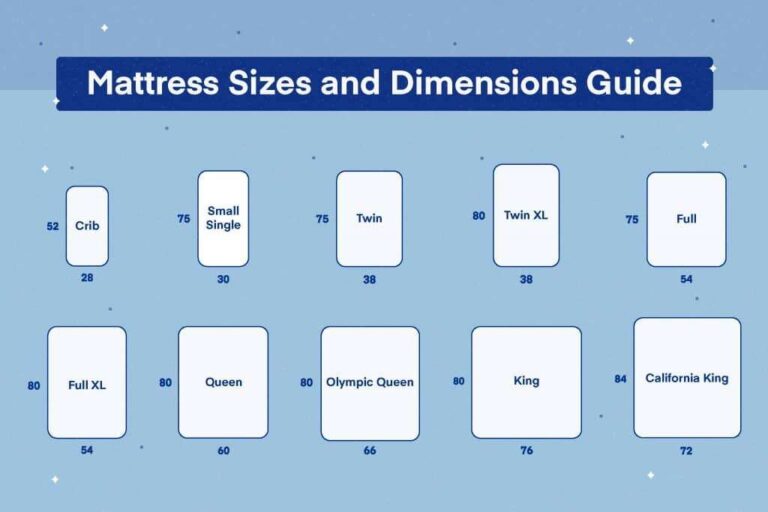
Do not rely on the mattress label alone. A “queen” mattress may have a different height from another queen mattress.
Add the thickness of any topper you plan to keep under the protector. For example, a 12-inch mattress with a 3-inch topper needs a protector with enough pocket depth for about 15 inches, plus a little room for movement.
A protector that is too tight may pull off the corners. One that is too loose may wrinkle, shift, or expose the mattress.
3. Check the construction
Look for:


- Elastic that runs around the edge
- A skirt that fits the full mattress depth
- Strong seams
- A barrier that covers the top
- Side coverage that matches your needs
- A zipper flap on an encasement
- Clear washing and drying instructions
For a waterproof model, the seams matter as much as the fabric. A waterproof top with open or weak seams may still allow leaks.
4. Consider comfort
A protector should not make the bed feel rough, hot, or noisy. Soft cotton or a smooth synthetic blend may feel comfortable under sheets.
If you sleep hot, avoid choosing only by the word “cooling.” Check whether the protector is thin and breathable. If you need strong waterproof protection, accept that some barrier materials may feel warmer.
5. Read the care label
Care instructions can affect the product’s life. High heat may damage elastic or a waterproof coating. Some protectors can go in a dryer, while others need low heat or air drying.
Follow the sewn-in care label and the manufacturer’s instructions. The Federal Trade Commission requires care information on many textile products sold in the United States, but proper care still depends on the specific item.

How to Put On and Wash a Mattress Protector
Putting on a protector correctly helps it stay in place and cover the mattress.
How to install it
- Remove the sheets and inspect the mattress.
- Check the protector for tears or damaged seams.
- Match the protector’s corners to the mattress corners.
- Pull the elastic or skirt evenly around the mattress.
- If using a topper, place the protector over the topper unless the instructions say otherwise.
- Run your hand across the surface to remove large folds.
- Add the fitted sheet.
A small amount of wrinkling is normal. Large folds can feel uncomfortable and may cause the protector to shift.
How to wash it
Wash the protector when it is soiled and at the interval listed on its care label. Wash it after a spill, accident, or illness if the label allows.
Use these general practices:
- Close zippers before washing.
- Do not overload the washer.
- Use mild detergent unless the instructions say otherwise.
- Avoid bleach unless the care label permits it.
- Use low or medium heat when allowed.
- Make sure the protector is fully dry before putting it back on the mattress.
Do not wash a waterproof protector with items that have hooks, sharp fasteners, or rough hardware. These can damage the barrier.
If a protector begins to leak, crumbles, develops a tear, or no longer stays in place, replace it.

Common Mattress Protector Problems
Most problems come from poor fit, incorrect care, or choosing the wrong type of protector.
The protector makes noise
A plastic-like barrier may crackle when you move. A flexible polyurethane layer may be quieter than a stiff vinyl layer, but there is no guarantee.
Try washing the protector according to its instructions. If the noise remains bothersome, use a thinner or quieter design.
The protector sleeps hot
A waterproof barrier, heavy quilting, or dense fabric can reduce airflow. Use a lighter design, breathable sheets, and low-bulk bedding. If heat remains a problem, the mattress and room may be larger factors than the protector.
The protector moves at night
The pocket may be too shallow, or the protector may be too large. A thick topper can also change the fit.
Measure the full sleep surface again. Replace the protector if the elastic has stretched or the corners pull free.
The mattress still gets wet
Check for:
- Liquid running over an uncovered side
- Open seams
- A damaged barrier
- A protector that is too small
- A spill larger than the product can hold
- A wet sheet left on the bed for a long time
A basic top-only protector may not be enough for repeated accidents. Choose a model with wider side coverage or a full encasement.
The protector causes skin irritation
Remove it and wash it before use if the care label allows. Detergent residue, dyes, or fabric treatments may bother some people.
If irritation continues, stop using the product. Seek medical advice for severe, spreading, or persistent symptoms.

Is a Mattress Protector Worth It?
For most households, a mattress protector is a practical low-cost safeguard. Mattresses are difficult to clean deeply, and many cannot be placed in a washing machine.
A protector is especially useful when:
- The mattress is new
- Children sleep in the bed
- Pets share the room or bed
- Someone sweats heavily at night
- Spills are likely
- The mattress has a warranty with cleanliness conditions
- You want to reduce routine wear
A protector may not be necessary for someone who already uses a fully washable mattress encasement or has a mattress designed with a removable, washable cover. Even then, an extra protector may add convenience, but it can also change comfort and fit.
Check your mattress warranty before using strong chemicals, removing a cover, or making alterations. The protector itself normally does not void a warranty, but the mattress maker’s care rules still apply.

Frequently Asked Questions
Can you sleep directly on a mattress protector?
You can, but it may not feel comfortable. Most protectors are designed to sit under a fitted sheet. The sheet also helps keep the protector clean and reduces direct friction.
Does a mattress protector prevent bed bugs?
Only a properly designed, fully zippered bed bug encasement can provide that type of barrier. A standard fitted protector does not seal the mattress and should not be treated as bed bug protection.
Should the mattress protector go over a mattress topper?
Usually, yes. Putting the protector over the topper helps protect both the topper and the mattress. Make sure the protector has enough depth to fit over both layers.
How often should you replace a mattress protector?
Replace it when it leaks, tears, loses its fit, develops damaged seams, or no longer meets your needs. The correct time varies by material, washing frequency, and use. Regular inspection matters more than a fixed replacement date.
Are mattress protectors safe for babies?
Use only a protector made for the exact crib or bassinet mattress. It must fit tightly and stay flat. Never add loose covers, pads, blankets, or toppers to an infant sleep space.
Conclusion
A mattress protector is a removable cover that helps protect your mattress from moisture, stains, debris, and everyday wear. It is thinner than a mattress pad and does not change the bed’s support like a topper.
For most buyers, the main choice is between a basic breathable protector and a waterproof model. Measure the mattress, include any topper in the depth, check the care label, and choose a full encasement only when you need sealed coverage for allergens or bed bugs.
The simplest next step is to measure your mattress and decide which risk matters most: spills, heat, allergens, pets, children, or bed bugs.

Appliance Review Expert
Lucas Ramirez is a trusted voice at HomeFixGrid.com, known for his clear, practical, and creatively written guides that simplify appliance care for everyday homeowners. With a strong focus on hands-on testing and real-world problem-solving, Lucas brings expert insight into appliance reviews and troubleshooting techniques. Her work empowers readers to confidently maintain, repair, and choose the right appliances for their homes.