What Are The Measures Of A Full Size Bed: Size Guide
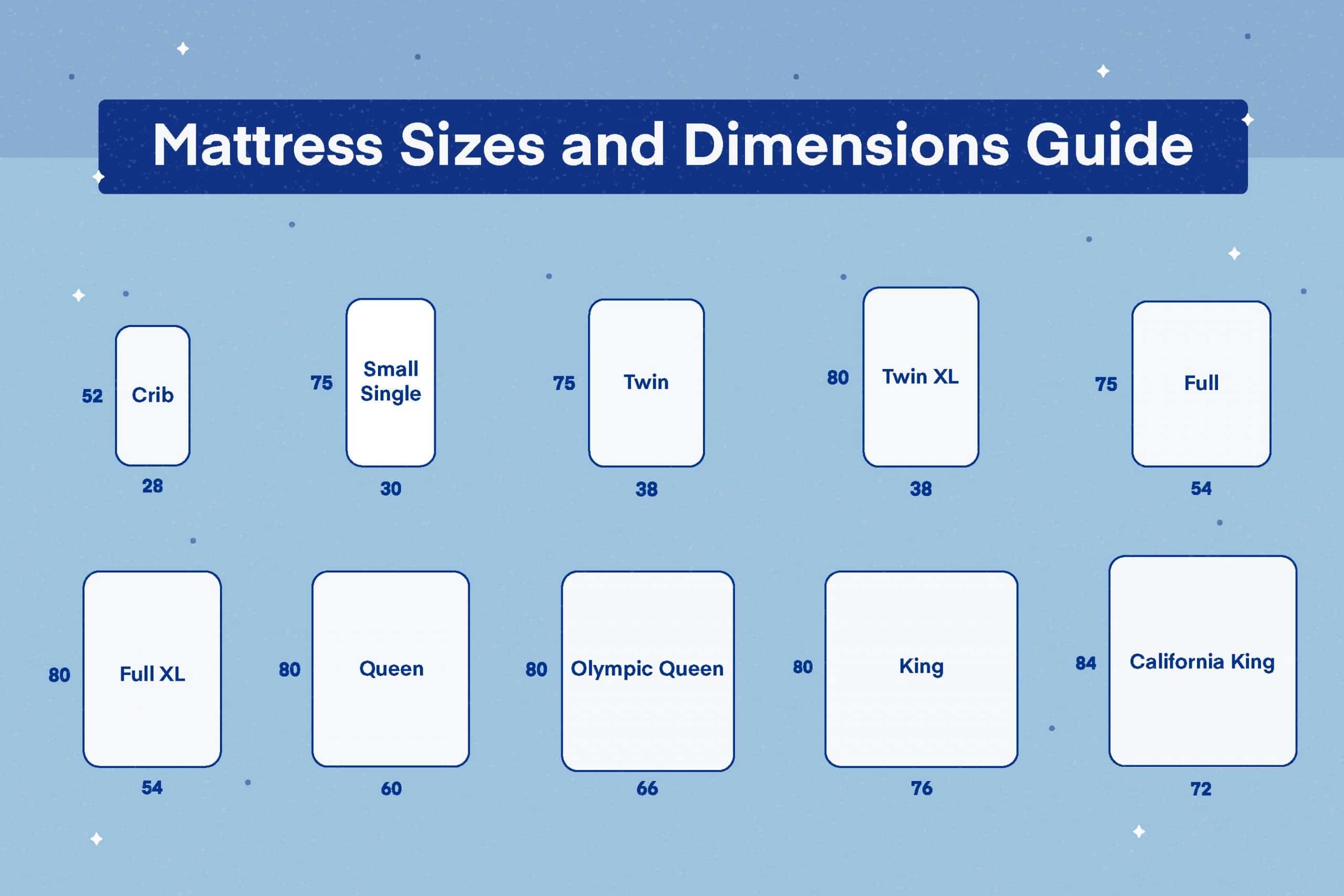
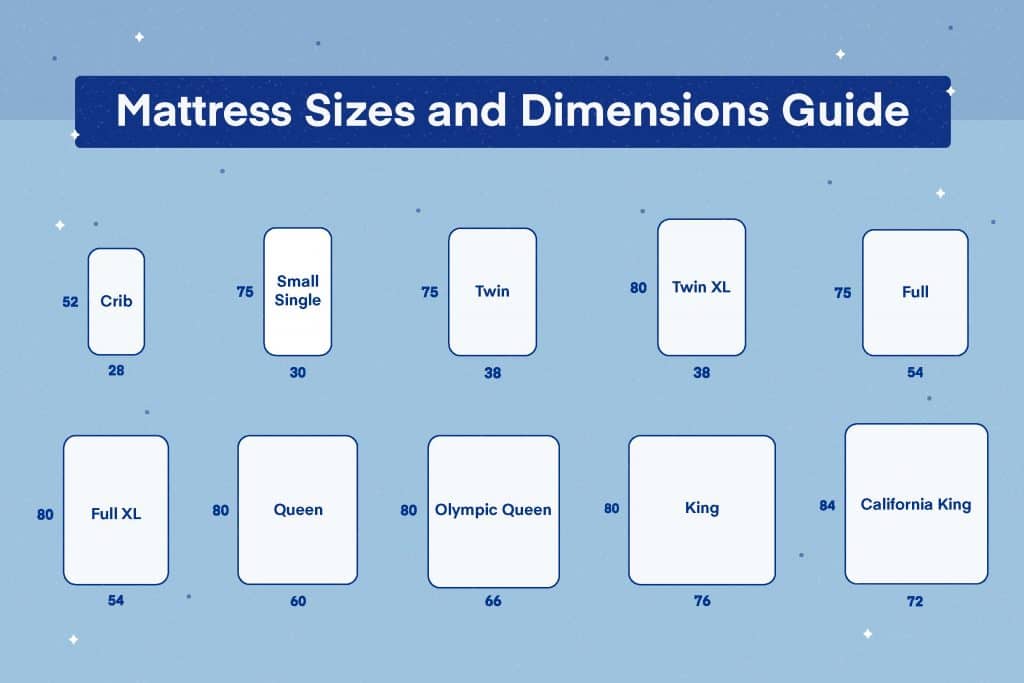
A full-size bed measures 54 inches wide by 75 inches long, or about 4.5 by 6.25 feet.
Knowing what are the measures of a full size bed helps you choose the right mattress, frame, sheets, and room layout. The standard size is simple, but small differences in bed frames, mattress thickness, and clearance can affect how well it fits your space. This guide explains the measurements in inches and centimeters, compares a full bed with other common sizes, and shares practical tips for planning your room.
Standard Full-Size Bed Measurements
The standard full-size bed mattress measures:
• Width: 54 inches
• Length: 75 inches
• Surface area: 4,050 square inches
• Metric size: About 137 centimeters wide by 191 centimeters long
So, what are the measures of a full size bed in simple terms? It is 4 feet 6 inches wide and 6 feet 3 inches long. In the United States, this size is also called a double bed.
A full mattress gives one adult plenty of sleeping room from side to side. It can also fit two people, but each person gets only about 27 inches of width. That is much less personal space than a queen mattress provides.
The 75-inch length may feel short for people over 6 feet tall. Your feet may hang near the edge, especially if you stretch out fully. For taller sleepers, a full XL mattress offers the same width but adds 5 inches of length.

Full-Size Bed Dimensions in Inches and Centimeters
Here is a clear measurement guide for a standard full-size bed:
| Measurement | Inches | Centimeters |
|---|---|---|
| Mattress width | 54 inches | About 137 cm |
| Mattress length | 75 inches | About 191 cm |
| Mattress surface | 4,050 sq. in. | About 2.61 sq. m |
| Width in feet | 4 feet 6 inches | About 1.37 m |
| Length in feet | 6 feet 3 inches | About 1.91 m |
These measurements describe the mattress, not the entire bed. A frame may extend 2 to 8 inches beyond the mattress on each side. Headboards, footboards, rails, and storage drawers can make the total footprint even larger.
When measuring a room, use the outside dimensions of the complete bed. This is one of the most common mistakes people make. They measure the mattress, order a frame, and then discover that a door, dresser, or walkway no longer fits.
It is also wise to check the product label before buying. Some brands use small measurement variations, and imported bed frames may follow different standards.

What Are the Measures of a Full Size Bed With a Frame?
What are the measures of a full size bed when you include the frame? In most cases, the full bed frame is about 56 to 60 inches wide and 77 to 82 inches long.
The exact size depends on the design:
• A simple metal frame may add only 1 or 2 inches to the mattress width and length.
• A platform bed may add 3 to 6 inches on each side.
• A wooden bed with a headboard and footboard may be 60 inches wide or more.
• A storage bed may need extra floor space for drawers to open.
• A padded frame can add several inches because of thick upholstery.
Before purchasing, look for the frame’s listed “assembled dimensions.” Do not rely only on the words “full size.” Two full-size bed frames can have very different outside measurements.
In my experience measuring bedrooms, the headboard causes the biggest surprise. A mattress may fit neatly along a wall, but a wide headboard can block an outlet or reduce walking space. Measure the frame at its widest and longest points.

How Much Room Does a Full-Size Bed Need?
The mattress itself needs a space at least 54 inches wide and 75 inches long. However, a usable bedroom needs extra space around the bed for walking, opening drawers, and changing sheets.
A practical room size for a full-size bed is:
• Minimum workable room: About 9 by 10 feet
• More comfortable room: About 10 by 12 feet
• Spacious arrangement: 11 by 12 feet or larger
A 9-by-10-foot room can hold a full bed, but the layout may feel tight. You may have limited space for a dresser or nightstand. A 10-by-12-foot room gives you more freedom to place furniture and create a clear path.
Try to leave at least 24 inches of walking space beside the bed. Around 30 to 36 inches feels more comfortable, especially near doors and drawers. Keep the entry path clear so the room does not feel like an obstacle course.
Use painter’s tape to mark 54 by 75 inches on the floor. Then add the frame’s outside dimensions. This simple test can reveal problems before you carry a heavy bed into the room.

Full-Size Bed Compared With Other Mattress Sizes
Understanding what are the measures of a full size bed becomes easier when you compare it with other popular mattress sizes.
| Mattress size | Width | Length | Best use |
|---|---|---|---|
| Twin | 38 in. | 75 in. | Children, teens, and small rooms |
| Twin XL | 38 in. | 80 in. | Tall single sleepers and dorm rooms |
| Full | 54 in. | 75 in. | One adult or occasional couples |
| Full XL | 54 in. | 80 in. | Tall single sleepers |
| Queen | 60 in. | 80 in. | Couples and larger bedrooms |
| King | 76 in. | 80 in. | Couples wanting maximum space |
A full mattress is 16 inches wider than a twin. That extra width can make a major difference for an adult sleeper. However, it is 6 inches narrower and 5 inches shorter than a queen.
A queen bed often works better for two adults. Each person gets about 30 inches of width, compared with about 27 inches on a full bed. The queen also gives taller sleepers an extra 5 inches of length.
A full bed remains a strong choice for guest rooms, teenagers, studio apartments, and single adults. It offers more room than a twin without taking as much space as a queen.
Is a Full-Size Bed Good for Two People?
A full-size bed can sleep two people, but comfort depends on body size, sleeping style, and personal preference. Each sleeper gets about the same width as a standard crib mattress, which may feel narrow for adults.
A full bed may work for two people when:
• The room is small.
• The bed is used by guests for short stays.
• Both sleepers prefer close contact.
• One person is smaller or rarely moves at night.
• A larger mattress will not fit the room.
For regular use, a queen mattress is usually more comfortable for couples. A king mattress provides even more personal space, but it also needs a larger room and costs more.
Think of mattress width like personal desk space. One person can work comfortably at a full-size desk, but two people may constantly bump elbows. The bed can function for two, yet it may not feel relaxed.

Choosing Sheets for a Full-Size Mattress
Full-size sheets are made for a 54-by-75-inch mattress. Fitted sheets usually include elastic corners and a pocket depth designed to fit mattresses of different thicknesses.
Check these details before buying bedding:
• Mattress size: Choose “full” or “double.”
• Pocket depth: Measure the mattress, topper, and protector together.
• Flat sheet size: Confirm that it is wide and long enough to tuck in.
• Comforter size: Look for full or full/queen labeling.
• Pillow size: Standard or queen pillows usually work well.
A mattress topper can make the bed several inches taller. If the mattress is 12 inches thick and the topper is 3 inches thick, you need a fitted sheet with at least a 15-inch pocket. Add a little extra room for an easier fit.
Full and full XL sheets are not interchangeable. A full XL mattress is still 54 inches wide, but it is 80 inches long. Standard full sheets may not cover the extra length.

Full-Size Bed Height and Mattress Thickness
The width and length answer what are the measures of a full size bed, but height also matters. A mattress may be 8 to 16 inches thick, while a bed frame can add 6 to 18 inches.
The total bed height often falls between 20 and 30 inches. A tall platform, box spring, or thick mattress can make the bed much higher.
Bed height affects daily comfort:
• A low bed can make a small room look more open.
• A taller bed offers useful storage underneath.
• A medium-height bed is often easier to enter and leave.
• A very high bed may be difficult for children or people with limited mobility.
To calculate total height, add the frame, foundation, and mattress. For example, a 12-inch mattress on an 8-inch foundation and a 10-inch frame creates a 30-inch-high sleeping surface.
Leave enough space above the mattress for sitting up. This matters in rooms with low ceilings, lofts, bunk setups, or sloped roofs.
Full XL Versus Standard Full Size
A full XL mattress measures 54 inches wide by 80 inches long. It has the same width as a standard full bed but is 5 inches longer.
Choose a full XL when:
• You are taller than about 6 feet.
• You want more legroom without moving to a queen.
• The bedroom is narrow but has extra length.
• You are furnishing a college dorm or apartment.
The main limitation is availability. Standard full mattresses, frames, and sheets are much easier to find. Full XL bedding may cost more and may not be stocked in every store.
Never place a standard full mattress on a full XL frame without checking the fit. The extra 5 inches can leave an open gap at the foot of the frame.
How to Measure Your Bedroom for a Full Bed
Use this simple process before you buy:
- Measure the room’s length and width.
- Measure doorways, stairways, and tight corners.
- Mark the mattress size on the floor with painter’s tape.
- Add the frame’s listed outside dimensions.
- Mark space for nightstands, dressers, and drawers.
- Check that doors and closet doors can open fully.
- Keep a clear walking path around the bed.
- Confirm that outlets will remain accessible.
Do not forget vertical measurements. A tall headboard may cover a window, light switch, or wall vent. A low ceiling can also make a large headboard feel overwhelming.
I once helped plan a compact guest room where the mattress fit perfectly on paper. The frame still failed because its footboard blocked the closet door. Measuring the whole furniture piece, rather than only the mattress, would have prevented the problem.
Common Mistakes When Buying a Full-Size Bed
Knowing what are the measures of a full size bed helps you avoid expensive errors, but details still matter.
Common mistakes include:
• Confusing full size with full XL.
• Measuring only the mattress area.
• Forgetting the headboard and footboard.
• Buying sheets with pockets that are too shallow.
• Ignoring space needed for drawers.
• Placing the bed over a heating vent.
• Assuming every full-size frame has the same outside size.
• Forgetting to measure delivery paths.
Another issue is mattress support. A full mattress needs a compatible foundation or platform with adequate center support. Follow the mattress maker’s spacing rules, since unsupported gaps can reduce comfort and may affect the warranty.
Also check weight limits for the frame. The limit should include the mattress, sleepers, bedding, and any person who may sit on the edge. A strong frame is safer and usually lasts longer.
Benefits and Limitations of a Full-Size Bed
A full bed offers a useful balance between space and cost. It is wider than a twin but usually takes less room than a queen.
Benefits include:
• More sleeping space for one person.
• A lower price than many queen and king options.
• Easier placement in small bedrooms.
• Good use as a guest bed.
• Many mattress and bedding choices.
• Less floor space than a queen.
Limitations include:
• Less personal space for two adults.
• A shorter length than a queen.
• Less room for active sleepers.
• Possible difficulty fitting large furniture nearby.
• Full XL accessories may be needed by tall sleepers.
Your best choice depends on the room and the person using the bed. A full bed may be ideal for one adult but too tight for a couple who shares the bed every night.
Frequently Asked Questions About What Are the Measures of a Full Size Bed
What are the measures of a full size bed in inches?
A standard full-size mattress measures 54 inches wide by 75 inches long. This is also called a double mattress in the United States.
What are the measures of a full size bed in centimeters?
A full-size mattress is about 137 centimeters wide by 191 centimeters long. Small brand variations may occur, so check the product specifications before buying a frame or sheets.
Is a full-size bed the same as a double bed?
Yes, “full” and “double” usually describe the same mattress size in the United States. Both refer to a mattress measuring about 54 by 75 inches.
Can two adults sleep comfortably on a full-size bed?
Two adults can sleep on a full bed, but space is limited. A queen mattress is usually more comfortable because it is wider and longer.
What are the measures of a full XL bed?
A full XL mattress measures 54 inches wide by 80 inches long. It provides 5 extra inches of legroom compared with a standard full mattress.
What room size is best for a full-size bed?
A 9-by-10-foot room is often the smallest workable space for a full bed. A 10-by-12-foot room usually allows better walking space and room for other furniture.
Will queen sheets fit a full-size bed?
Queen sheets may fit loosely on a full mattress, but they are not the best choice. Full-size fitted sheets provide a closer fit and reduce bunching during sleep.
Conclusion
What are the measures of a full size bed? The standard mattress is 54 inches wide and 75 inches long, or about 137 by 191 centimeters. The complete bed frame will be larger, so measure its outside dimensions and leave room for walking, drawers, doors, and other furniture.
A full bed is a smart choice for one adult, a teenager, a guest room, or a compact apartment. If two adults will share it every night or if you are tall, compare it with a queen or full XL before deciding. Mark the size on your floor, check the frame details, and choose bedding with the right pocket depth. Use these measurements to plan your room with confidence, then explore more bedroom guides or share your layout questions in the comments.

Appliance Review Expert
Lucas Ramirez is a trusted voice at HomeFixGrid.com, known for his clear, practical, and creatively written guides that simplify appliance care for everyday homeowners. With a strong focus on hands-on testing and real-world problem-solving, Lucas brings expert insight into appliance reviews and troubleshooting techniques. Her work empowers readers to confidently maintain, repair, and choose the right appliances for their homes.