Are Latex Mattresses Firm Or Soft: Firmness Guide
Introduction
Latex mattresses can be firm, medium, or soft. Latex is not one fixed comfort level. Its feel depends on the latex type, layer thickness, density, firmness rating, mattress design, and your body weight.
For shoppers in the United States, the simplest answer is this: most latex mattresses feel buoyant and supportive, but they can range from plush to very firm. A medium latex mattress often feels firmer than a medium memory foam mattress because latex pushes back more quickly and allows less sinking.
The best choice depends on your sleep position, body size, pressure points, and personal comfort. A soft latex mattress may suit a side sleeper, while a firmer model may better support some stomach sleepers. No firmness level works equally well for everyone.


What does a latex mattress feel like?
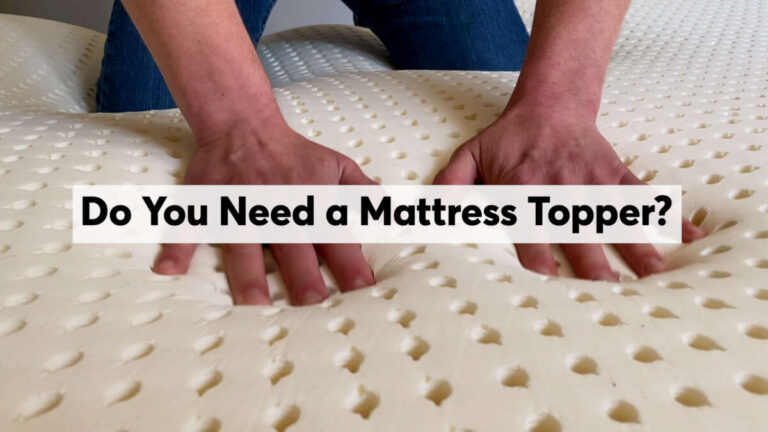
A latex mattress feels springy, responsive, and supportive. When you press into it, the surface compresses, but the material quickly pushes back. You usually feel more “on” the mattress than “in” it.
This differs from memory foam, which slowly molds around the body and may make movement feel harder. Latex generally makes it easier to change positions during the night.
The main traits of latex include:
- Buoyancy: Latex supports the body without a deep, trapped feeling.
- Pressure relief: Softer latex can cushion the shoulders and hips.
- Responsiveness: The surface reacts quickly when you move.
- Support: Firmer latex can help keep the spine from sinking too far.
- Motion transfer: Latex may transfer more movement than slow-response memory foam, although pocketed coils and thicker comfort layers can reduce this effect.
- Temperature feel: Latex itself does not determine the entire sleep temperature. Cover fabric, foam density, airflow, room temperature, and the coil system also matter.
A latex mattress may feel firm at first but become more comfortable after several minutes. Your body weight warms and compresses the comfort layers, which can make the surface feel more accommodating.
Why latex firmness can feel different from other materials
Firmness is not the same as support. A mattress can have a soft surface and a strong support core. It can also feel firm but fail to cushion pressure points.
Latex has a high level of elastic support. This means it often prevents deep sinking. For some sleepers, that feels stable and comfortable. For others, especially side sleepers, it may feel too hard unless the mattress has enough soft material near the top.

Are latex mattresses usually firm?
Latex mattresses are often described as medium-firm, but that label is not a universal standard. One company’s medium may feel like another company’s medium-soft or firm model.
Many latex mattresses feel firmer than their advertised rating because:
- Latex responds quickly instead of allowing slow sinking.
- A thick latex support core can make the whole bed feel stable.
- A thin comfort layer may not provide much cushioning.
- A firm mattress base can limit how far the body settles.
- Heavy sleepers compress the latex more deeply and may feel a softer response.
A mattress with a soft top layer over firm latex can feel comfortable without losing support. A mattress made from one firm latex layer may feel much more solid.
Firmness ratings and ILD
Manufacturers often use ILD, or indentation load deflection, to describe latex firmness. ILD refers to the force needed to compress a sample of latex by a set amount under a standardized test.


In general, a higher ILD means firmer latex. However, ILD is not a complete measure of how a finished mattress feels. The result can change with:
- The thickness of the latex layer
- The type of latex
- The size and shape of the test sample
- The number of layers
- The mattress cover
- The support core
- Your weight and sleeping position
For this reason, do not compare ILD numbers as if they were exact grades across every brand. Use them as one clue, not a final answer.
A practical firmness guide
The table below gives a general guide. These ranges are not an official industry scale, and brands may use different labels.
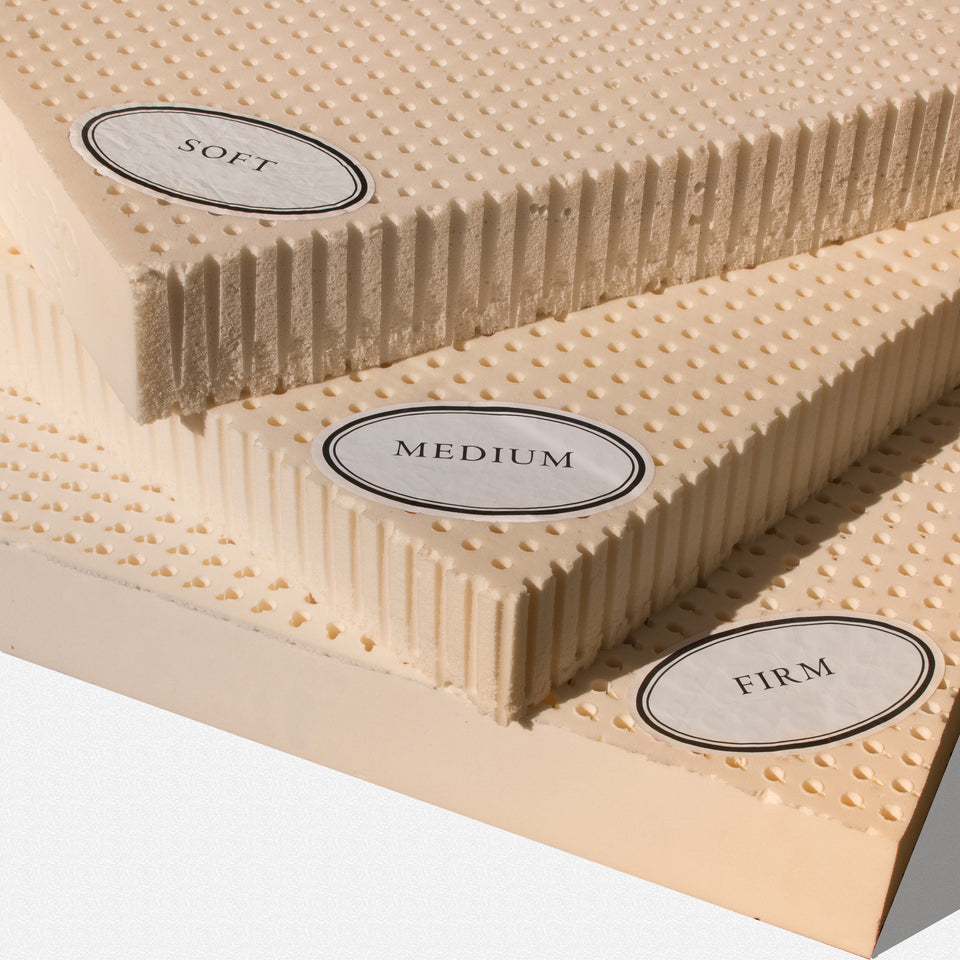
| General feel | Typical experience | Often suits |
|---|---|---|
| Soft | More cushioning and deeper pressure relief | Many side sleepers and lighter-weight sleepers |
| Medium-soft | Noticeable contour with easy movement | Side sleepers who dislike deep sinking |
| Medium | Balanced cushioning and support | Many combination sleepers |
| Medium-firm | Stable support with limited sink | Back sleepers and some combination sleepers |
| Firm | Very little sink and strong pushback | Some stomach sleepers and people who prefer a hard surface |
Your body weight changes the result. A 110-pound sleeper may experience the same latex layer as firm, while a 220-pound sleeper may compress it enough to feel medium.
Can you buy a soft latex mattress?
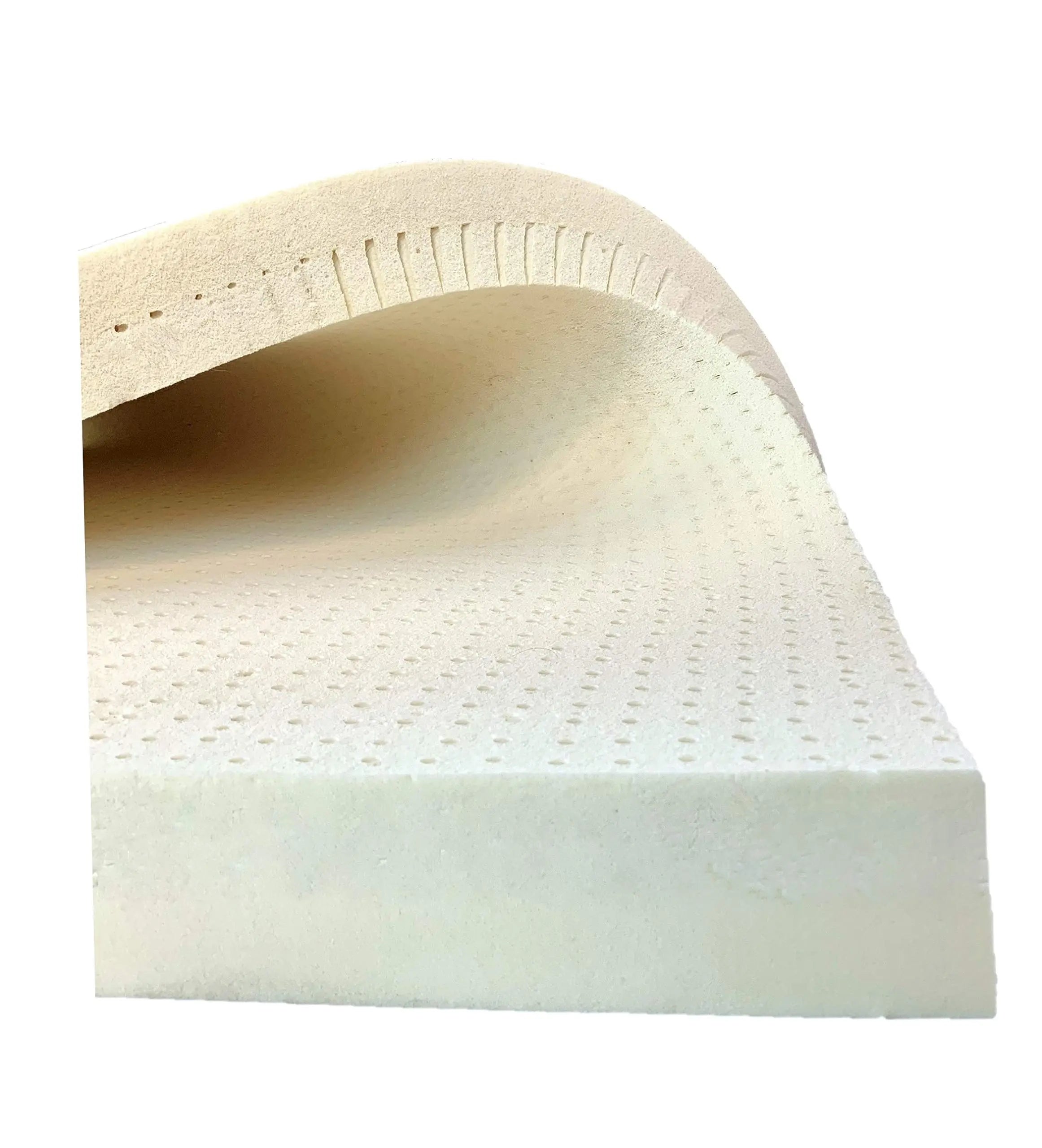
Yes. Soft latex mattresses are available, but a “soft latex mattress” does not always feel as plush as a soft memory foam mattress.
Latex remains springy even in softer grades. It cushions the body, but it tends to push back rather than form a deep, slow cradle. If you want a softer feel, look for a mattress with:
- A soft latex comfort layer
- More comfort-layer thickness
- A quilted cover with a modest amount of padding
- A less firm support core
- A design that allows the upper layers to compress independently
A soft latex mattress may be a good fit for side sleepers who need room for the shoulder and hip. It may also suit lighter-weight adults, who often do not compress firm latex as much as heavier sleepers.
However, softer is not always better. If the hips sink too far, the spine may lose a neutral position. A mattress that feels pleasant for five minutes may create discomfort after several hours.
Can you buy a firm latex mattress?
Yes. Firm latex mattresses are common, especially in all-latex designs with a firm support core.
A firm latex mattress may work well for:
- Stomach sleepers who need to limit hip sink
- Back sleepers who prefer a stable surface
- People who dislike a “stuck” feeling
- Heavier sleepers who compress softer layers more deeply
- Sleepers using a firm, supportive adjustable or platform base
A firm surface can still need a pressure-relieving top layer. If your shoulders or hips hurt, the mattress may be too firm for your body, even if your spine feels well supported.
Some shoppers solve this by adding a latex topper. A soft or medium topper can change the surface feel without replacing the entire mattress. The topper must be thick and soft enough to make a real difference, and the mattress underneath must still provide stable support.

Which latex mattress firmness is best for your sleep position?
Your sleep position is one of the best starting points, but it does not decide the answer by itself.


Side sleepers
Side sleepers often need more cushioning around the shoulders and hips. A medium-soft or medium latex mattress may reduce pressure better than a firm model.
The right mattress should let the shoulder and hip sink enough to keep the spine level. If the waist has no support, the mattress may be too soft. If the shoulder feels pushed upward or becomes sore, it may be too firm.
Back sleepers
Back sleepers often need a balanced surface. Medium to medium-firm latex can support the lower back while still cushioning the upper body.
A mattress is likely too soft if the pelvis sinks lower than the chest. It may be too firm if the lower back feels unsupported or if pressure develops around the shoulders.
Stomach sleepers
Stomach sleepers often prefer medium-firm to firm latex. The goal is to reduce excessive sinking around the abdomen and hips.
A very soft mattress may allow the midsection to dip. That can make the back feel strained for some people. Still, a firm mattress should not create painful pressure in the ribs, chest, or hips.
Combination sleepers
Combination sleepers change positions during the night. A medium or medium-firm latex mattress often offers a useful balance of cushioning, support, and easy movement.
If you spend most of the night on your side, choose comfort for that position first. If you mainly sleep on your back or stomach, prioritize stable support.

How latex type affects firmness
Latex mattresses may use Dunlop latex, Talalay latex, or both. The process can influence feel, but the final firmness depends on the exact layer design.
Dunlop latex
Dunlop latex is made with a process that can create a denser, more compact material. It is often used in support layers, although it can also be made in softer comfort grades.
Many people describe Dunlop as more solid or earthy in feel. That description is not a guarantee. A thin, soft Dunlop layer can feel softer than a thick, firm Talalay layer.
Talalay latex
Talalay latex is made with a different process that creates a more consistent foam structure. It is often used in comfort layers because it can feel lighter and more buoyant.
Talalay is not automatically soft. It is available in multiple firmness levels. A firm Talalay layer can still feel quite supportive.
Blended and natural latex
“Natural latex” usually refers to latex made largely from rubber sourced from rubber trees, but product definitions and certifications vary. Some mattresses use natural latex, while others use blended or synthetic latex.


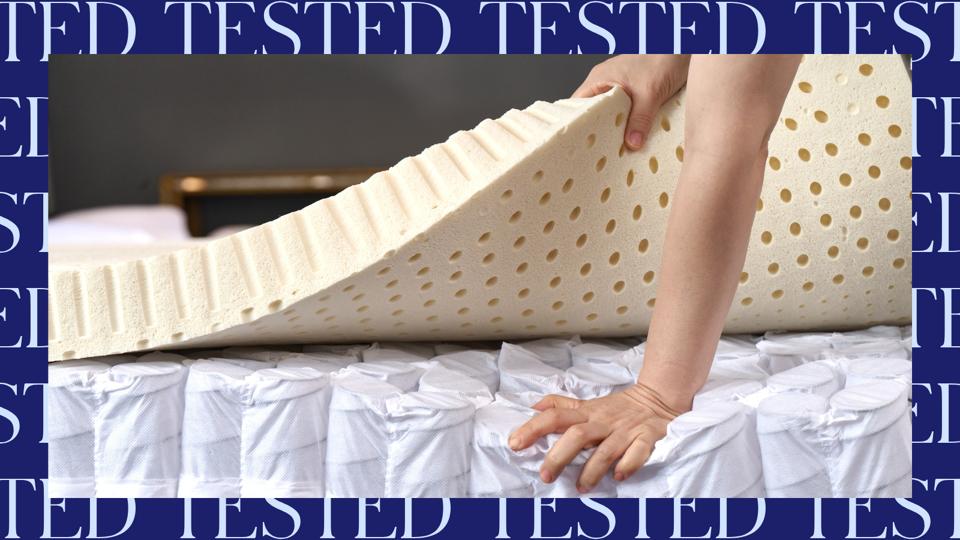
Check the product specification for:
- Latex type
- Layer thickness
- Firmness or ILD
- Whether the material is natural, blended, or synthetic
- Certification details
- The cover and interior materials
Certifications such as GOLS, OEKO-TEX, or eco-INSTITUT may address particular material or emissions criteria. A certification does not tell you whether the mattress will feel soft or firm.
How to test whether a latex mattress is too firm or too soft
Your body gives useful clues during a sleep trial. Give the mattress enough time for your body to adjust, but do not ignore sharp or worsening pain.
Signs a latex mattress may be too firm
- Shoulder or hip pressure
- Numbness or tingling
- Soreness in the ribs or outer hip
- A feeling that your body rests on top without enough cushioning
- Difficulty staying in one position because of pressure
A soft topper may help if the support core is otherwise comfortable.
Signs a latex mattress may be too soft
- Hips or abdomen sinking lower than the rest of the body
- A hammock-like feeling
- Lower-back strain
- Difficulty turning because your body sinks too far
- Sagging that does not improve when you change position
A firmer topper may help in some cases, but a weak or unsuitable base may be the real cause.
Check the foundation before blaming the mattress
Latex is heavy and needs a suitable base. A foundation with wide gaps, weak slats, or poor center support can change the feel and may contribute to sagging.
Follow the mattress maker’s instructions for the base. Check the slat spacing, center support, weight limit, and frame size. Keep the mattress on a level, stable surface.
What makes one latex mattress feel softer than another?
The most important factors are the comfort-layer design and the support system.
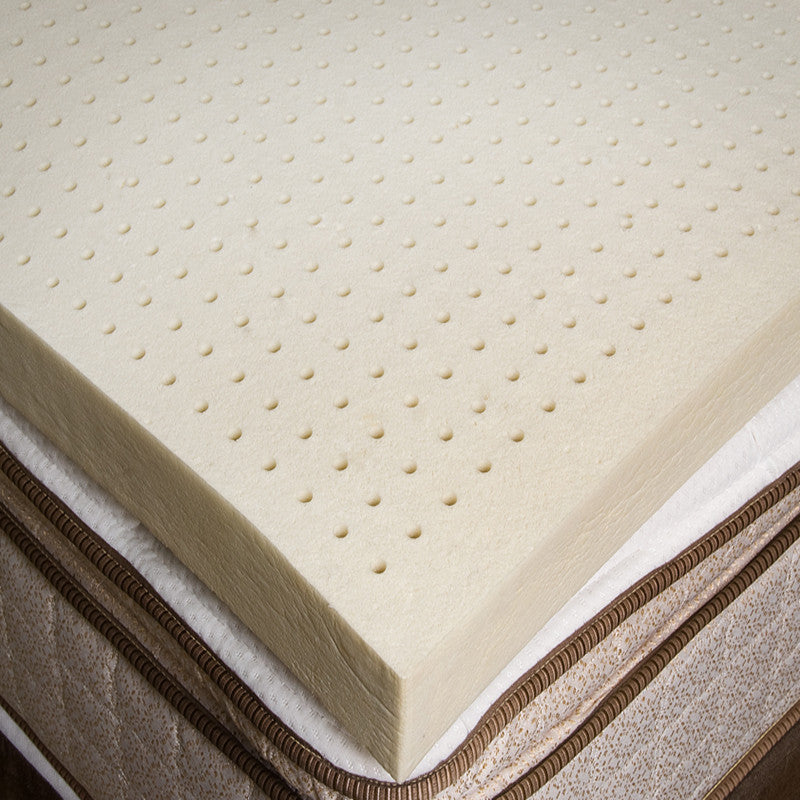
A latex mattress may feel softer when it has:
- A thicker upper comfort layer
- Lower-firmness latex near the surface
- Multiple softer layers
- A stretchy cover
- A flexible base that permits more movement
It may feel firmer when it has:
- A thin comfort layer
- Firm latex near the top
- A dense support core
- A tightly quilted cover
- A rigid foundation
- Coils that add strong upward push
The same mattress can also feel different on a solid platform than on a flexible slatted base. This is one reason showroom impressions and home impressions may not match.
Common mistakes when choosing latex firmness
Mistaking “natural” for “soft”
Natural latex can be soft, medium, or firm. The word natural describes the material source, not the comfort level.
Comparing brand labels without checking construction
“Medium” is not a universal measurement. Look at the layer order, layer thickness, and firmness information.
Choosing a firm mattress because it sounds supportive
Firmness and support are different. A mattress must support the spine while also relieving pressure.
Ignoring body weight
A mattress that feels firm to a lighter sleeper may feel medium to a heavier sleeper. Consider how deeply your body will compress the comfort layers.
Judging the mattress on the first night
A new mattress can feel unfamiliar. Your body may need time to adjust, and bedding can also change the initial feel. Use the sleep-trial terms carefully, including the return window, required break-in period, fees, and pickup rules.

Frequently asked questions
Are latex mattresses harder than memory foam?
Often, yes, but not always. Latex usually feels more buoyant and less enveloping than memory foam. A soft latex mattress can still provide strong pressure relief, but it may not create the deep cradle associated with soft memory foam.
Is latex good for side sleepers?
It can be. Side sleepers often need a softer comfort layer to cushion the shoulders and hips. A soft or medium latex mattress may work well, but the correct choice depends on body weight, shoulder width, hip shape, and personal comfort.
Is a firm latex mattress good for back pain?
A firm mattress is not automatically better for back pain. Some people may feel better with stable support, while others need more cushioning. Persistent, severe, or unexplained back pain should be discussed with a qualified health professional.
Do latex mattresses soften over time?
Latex may change slightly as the mattress is used, but it is not expected to soften in the same way as some low-density foams. A large change in feel may point to a worn comfort layer, a damaged base, or a change in the foundation.
Can a latex topper make a firm mattress softer?
Yes. A soft latex topper can add surface cushioning. Its effect depends on the topper’s firmness, thickness, your body weight, and the firmness of the mattress below it. A topper cannot fully correct a damaged or unsupportive mattress.
Conclusion
Latex mattresses are available in soft, medium, medium-firm, and firm designs. Most feel responsive and supportive rather than slow and deeply hugging.
Choose softer latex when pressure relief is the main issue, especially for side sleeping. Choose firmer latex when you need less sink, sleep mostly on your stomach or back, or prefer a stable surface. For many sleepers, medium or medium-firm latex offers the most balanced starting point.
Before buying, check the complete layer design, firmness details, foundation requirements, certifications, and return policy. The most useful next step is to match the mattress feel to your sleep position and then confirm that your shoulders, hips, and spine remain comfortable through the night.
Sources and further reading
- ASTM F1566: Standard Test Methods for Evaluation of Innersprings, Mattresses, and Box Springs
- U.S. Consumer Product Safety Commission: Mattress and Bedding Safety
- National Institutes of Health, PubMed: Mattress firmness and sleep-related research
- GOLS certification information from Control Union
- OEKO-TEX STANDARD 100

Appliance Review Expert
Lucas Ramirez is a trusted voice at HomeFixGrid.com, known for his clear, practical, and creatively written guides that simplify appliance care for everyday homeowners. With a strong focus on hands-on testing and real-world problem-solving, Lucas brings expert insight into appliance reviews and troubleshooting techniques. Her work empowers readers to confidently maintain, repair, and choose the right appliances for their homes.