Who Makes The Best Mattress Topper: Top Brands Compared
Saatva, Tempur-Pedic, and Sleep On Latex make some of the best mattress toppers for different sleep needs and budgets.
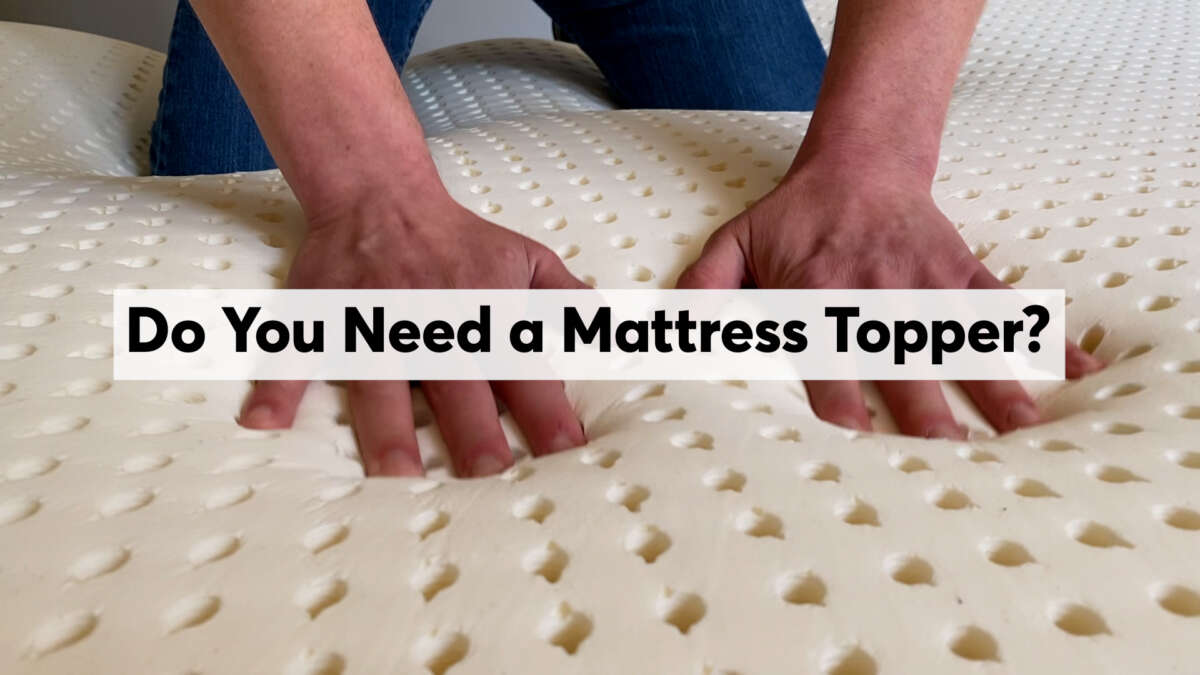
Choosing who makes the best mattress topper is not as simple as naming one brand. The right pick depends on your sleep position, body weight, pain points, climate, mattress firmness, and budget. After comparing popular materials, construction, cooling features, warranties, and real-world comfort, this guide will help you choose with confidence.
Who Makes the Best Mattress Topper Overall?
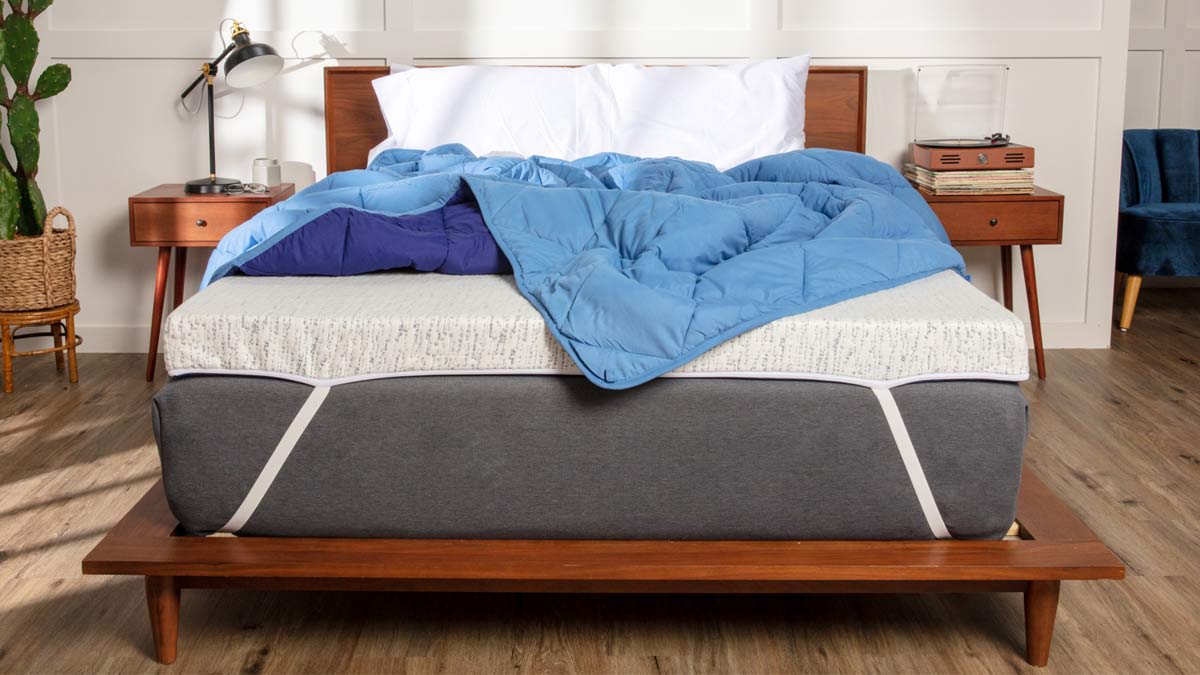
For most sleepers, Saatva makes the best mattress topper overall. Its toppers use quality materials, feel balanced rather than overly soft, and come with thoughtful details such as elastic anchor bands to help hold the topper in place.
Saatva offers several materials, including graphite-infused memory foam, latex, and high-density foam. This gives shoppers more choice than brands that sell only one type. Its latex model is especially appealing to people who want pressure relief without the deep, sinking feel of traditional memory foam.
Here is a simple look at the leading options:
| Brand | Best for | Main strength | Potential drawback |
|---|---|---|---|
| Saatva | Most sleepers | Strong materials and balanced comfort | Higher price |
| Tempur-Pedic | Pressure relief | Excellent body contouring | Can sleep warm |
| Sleep On Latex | Natural latex | Responsive, durable feel | Less cradling than foam |
| ViscoSoft | Value shoppers | Thick comfort at a lower cost | May retain heat |
| PlushBeds | Luxury natural materials | Premium organic latex | Expensive |
| Turmerry | Custom firmness | Multiple latex thicknesses | May need careful setup |
The answer to who makes the best mattress topper changes when your needs change. A side sleeper with sore shoulders may prefer Tempur-Pedic, while a hot sleeper may feel better on Sleep On Latex or Saatva latex.
Best Mattress Topper Brands Compared
A good comparison should look beyond the brand name. Foam density, latex quality, cover design, thickness, return rules, and long-term support all matter.
Saatva
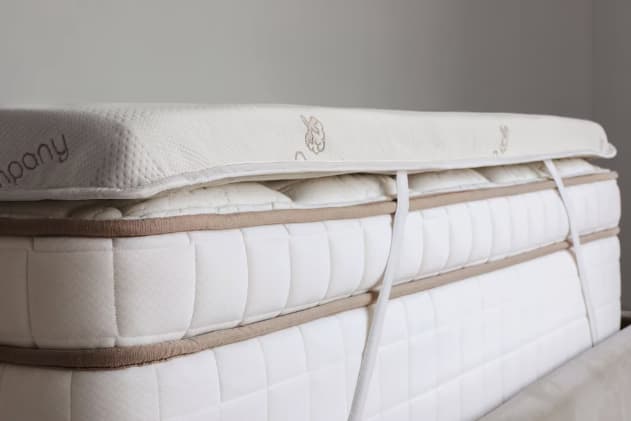
Saatva is a strong all-around choice for people who want comfort with a more polished design. Its toppers often include straps or bands that reduce sliding, which is useful on smooth or adjustable bed bases.
The Saatva Graphite Memory Foam Topper is designed to soften a firm mattress and reduce pressure around the shoulders and hips. The graphite layer may help manage heat, although no memory foam topper stays equally cool for every sleeper.
The Saatva Latex Topper feels springier. It lets you move more easily and does not hug the body as tightly. That makes it a practical choice for combination sleepers and people who dislike the stuck-in-the-bed feeling.
Tempur-Pedic
Tempur-Pedic makes the best mattress topper for deep pressure relief. Its proprietary adaptive foam closely follows the shape of your body, which can reduce pressure at the hips, shoulders, and lower back.
This close contour can be helpful for side sleepers and people who enjoy a slow, cushioned feel. However, it may not suit people who sleep hot, change positions often, or need strong edge support.
Tempur-Pedic toppers can also make a mattress feel much softer. If your current mattress already sags, adding a soft topper may hide the problem for a short time but will not fix the support underneath.
Sleep On Latex
Sleep On Latex makes the best mattress topper for people who want natural latex at a reasonable price. Its latex is responsive, breathable, and available in different firmness levels.
Latex gently cushions the body without allowing you to sink deeply. It also makes turning over easier than dense memory foam. This is helpful for combination sleepers, heavier adults, and anyone who wants a firmer sleep surface.
Latex has a distinct rubber-like smell when new. The odor usually fades after airing out the topper, but sensitive shoppers should keep this in mind.
ViscoSoft
ViscoSoft makes the best mattress topper for shoppers who want thick memory foam comfort without paying a luxury price. Its toppers are often plush and supportive enough to change the feel of a firm mattress.
The main tradeoff is heat. Thick memory foam can hold body warmth, especially for people who sleep on their stomach or use heavy blankets. A breathable sheet and a cool room may help, but they cannot fully change the nature of the foam.
PlushBeds
PlushBeds makes the best mattress topper for shoppers who prioritize premium natural materials. Its latex toppers are designed for people who want a high-end feel and strong material transparency.
Natural latex is durable and supportive, but luxury pricing can be hard to justify if you only want a temporary comfort fix. Check the thickness and firmness carefully because latex can feel firmer than its product description suggests.
Turmerry
Turmerry makes the best mattress topper for sleepers who want more control over firmness. Its latex toppers come in several thicknesses and firmness options, allowing shoppers to create a more customized feel.
This flexibility is useful when two partners have different preferences. It also helps people who know that a 2-inch topper works better for them than a thick, soft 4-inch model.

Which Type of Mattress Topper Is Best?
The material often matters more than the logo on the box. Each type has a different feel, temperature profile, and expected lifespan.
Memory Foam
Memory foam provides strong pressure relief. It spreads weight across a wider area and can make a firm mattress feel softer.
Choose memory foam if you:
• Sleep on your side
• Feel pressure in your hips or shoulders
• Like a slow, cushioned feel
• Share a bed and want motion isolation
Avoid very thick memory foam if you sleep hot, have trouble turning in bed, or need a stable surface for easy movement.
Latex
Latex is springy, breathable, and durable. It supports the body without the deep sinking effect found in many memory foam toppers.
Choose latex if you:
• Sleep hot
• Change positions during the night
• Prefer natural or organic materials
• Want easier movement
• Need stronger support from a topper
Latex may feel too buoyant for someone who wants a soft, cloud-like bed. It also tends to cost more than basic polyurethane foam.
Fiber and Down Alternative
Fiber and down-alternative toppers create a soft, fluffy feel. They work well for people who want a gentle surface change rather than major pressure relief.
These toppers are usually breathable and easy to wash. However, they can flatten, shift, or require regular fluffing. They are not the best choice for fixing a very firm mattress or relieving serious hip and shoulder pressure.
Polyfoam
Polyfoam toppers are often affordable and lightweight. They can add softness without the strong contour of memory foam.
The quality varies widely. Low-density foam may develop body impressions faster, while higher-density foam usually costs more and feels more stable.

How to Choose the Right Mattress Topper
The best topper should solve a clear problem. Start by asking what feels wrong about your current mattress.
Match the Topper to Your Sleep Position
Side sleepers usually need more cushioning at the shoulders and hips. A memory foam or soft latex topper between 2 and 4 inches thick may help reduce pressure.
Back sleepers need a balance of softness and support. A medium-firm latex topper or a moderate memory foam topper can add comfort without allowing the pelvis to sink too far.
Stomach sleepers often do better with a thinner, firmer topper. Excess softness can let the midsection dip, which may strain the lower back.
Combination sleepers should look for responsive latex or thinner memory foam. A topper that allows easy movement can feel more comfortable than a very slow foam model.
Consider Your Body Weight
Body weight changes how deeply you sink into foam. A lightweight sleeper may find a medium topper supportive, while a heavier sleeper may compress the same topper and feel the mattress below.
People with larger bodies often benefit from:
• Higher-density foam
• Responsive latex
• A firmer comfort layer
• A topper with strong structural support
A very soft topper may feel pleasant for a few nights but lose comfort if it compresses too much.
Think About Mattress Firmness
A topper can adjust comfort, but it cannot rebuild a worn-out mattress. If your mattress has a deep dip, broken springs, or a damaged base, replacing it is usually wiser.
For a mattress that is too firm, consider:
• A 3-inch memory foam topper for deeper cushioning
• A 2- to 3-inch soft latex topper for buoyant comfort
• A fiber topper for a mild softness boost
For a mattress that is too soft, a topper may provide only limited help. A firmer latex topper can improve surface support, but it cannot stop a failing mattress from sagging underneath.
Check the Thickness
A 2-inch topper usually changes the feel without completely replacing the mattress surface. It works well for sleepers who need moderate cushioning.
A 3-inch topper creates a more noticeable change and may offer stronger pressure relief. A 4-inch topper can feel plush, but it also increases the risk of heat, sinking, and movement difficulty.
Review the Return Policy
Comfort is personal. A topper that feels perfect in a showroom or online review may feel wrong in your bedroom.
Look for:
• A clear trial period
• Reasonable return shipping rules
• A warranty that covers sagging or defects
• Transparent material information
• Instructions for expansion and care

What I Learned From Comparing Mattress Toppers
One mistake I often see is choosing a topper by thickness alone. Thicker does not always mean better. A 4-inch soft topper may feel luxurious at first but can make movement hard and allow the hips to sink too deeply.
A better approach is to match thickness to the problem. If a mattress is only slightly firm, 2 inches may be enough. If a side sleeper needs strong pressure relief, 3 inches may be more suitable.
Another lesson is that support underneath matters. I once helped assess a bed that felt uncomfortable despite having a high-quality topper. The real issue was a worn mattress with a visible dip. The topper softened the surface but could not correct the sag.
My practical rule is simple: use a topper to fine-tune a mattress, not to rescue one that has reached the end of its life.
Cooling, Durability, and Safety Considerations
Temperature is one of the most common complaints about mattress toppers. Memory foam tends to retain more heat than latex because it has less open airflow.
Cooling features may include:
• Ventilated foam
• Graphite or gel infusions
• Breathable latex
• Cotton or wool covers
• Moisture-wicking fabric
These features can help, but they do not guarantee a cool night. Your room temperature, sheets, blankets, clothing, and body temperature also affect sleep comfort.
Durability depends on material quality and daily use. Dense latex often lasts longer than low-density foam. A heavier sleeper may also compress a topper faster than a lightweight sleeper.
For safety, look for clear certifications. CertiPUR-US applies to certain flexible polyurethane foams and tests for emissions, content, and durability standards. GOTS and GOLS certifications can help shoppers identify products that meet specific organic textile or latex requirements. Certification details should be checked on the current product page because standards and product versions can change.
New toppers may have an odor called off-gassing. Place the topper in a ventilated room and allow it to expand according to the manufacturer’s instructions. If the smell remains strong or causes irritation, contact the seller.

Common Mattress Topper Buying Mistakes
Avoiding a few simple errors can save money and prevent uncomfortable nights.
Buying the Softest Option
Softness feels attractive when you first lie down. Yet a topper that is too soft may allow your spine to curve out of alignment.
Your body should feel supported, not folded into the bed. Side sleepers need cushioning, but they still need enough support to keep the spine level.
Ignoring the Cover
A removable, washable cover makes care easier. It also protects the foam or latex from sweat, dust, and spills.
A cover cannot replace a mattress protector. Use a breathable protector that fits over both the mattress and topper without compressing the surface too tightly.
Choosing the Wrong Size
A topper should match the mattress dimensions. A queen topper will not fit correctly on a full or California king mattress.
Measure the mattress before ordering. Also check its height if you use deep-pocket sheets.
Forgetting Bed Height
A thick topper raises the sleeping surface. This can make it harder to get in and out of bed, especially for older adults or people with joint pain.
Check the height of your frame, mattress, topper, and sheets as one complete system.
Expecting a Topper to Cure Pain
A topper may reduce pressure and improve comfort, but it cannot diagnose or treat a medical condition. Persistent back, hip, or shoulder pain deserves advice from a qualified health professional.
:max_bytes(150000):strip_icc()/rsp-product-viscosoft-4-inch-pillow-top-memory-foam-mattress-topper-dburreson-028-62c9d1789ce64d3d8e19bf5f000d4698.jpeg)
How to Set Up and Care for a Mattress Topper
Many toppers arrive compressed in a box. Let the topper expand on a flat surface for the time listed by the manufacturer.
A simple setup process is:
-
Remove the topper from its packaging.
-
Place it flat on the mattress.
-
Allow it to expand in a well-ventilated room.
-
Do not bend or fold it unless the instructions allow this.
-
Add a breathable mattress protector.
-
Use fitted sheets with enough depth.
-
Test the topper during the full trial period.
Rotate the topper from head to foot every few months if the manufacturer permits it. Do not flip a topper unless it is designed for two-sided use.
Clean spills quickly with a small amount of mild soap and water. Avoid soaking foam because trapped moisture can lead to odor or damage. Wash the cover according to its care label.
Who Makes the Best Mattress Topper for Different Sleepers?
The best choice depends on your personal comfort profile.
• Best overall: Saatva offers a strong mix of material quality, comfort options, and useful design details.
• Best for pressure relief: Tempur-Pedic suits people who like deep body contouring.
• Best for hot sleepers: Sleep On Latex or a breathable Saatva latex topper may sleep cooler than dense memory foam.
• Best for side sleepers: Tempur-Pedic or a 3-inch soft-to-medium memory foam topper can cushion the hips and shoulders.
• Best for back sleepers: A medium-firm latex topper can balance pressure relief and support.
• Best for stomach sleepers: A thin, firmer latex topper is often safer than a thick, soft foam model.
• Best for natural materials: PlushBeds, Sleep On Latex, and Turmerry offer strong latex-focused options.
• Best for value: ViscoSoft can provide thick memory foam comfort at a lower price than premium brands.
The answer to who makes the best mattress topper is personal, but these categories make the decision easier. Start with your sleep position and the main problem you want to solve.

Frequently Asked Questions About Who Makes the Best Mattress Topper
Who makes the best mattress topper for side sleepers?
Tempur-Pedic is a strong choice for side sleepers who want deep pressure relief. Saatva and soft latex models can also work well for people who prefer more bounce and easier movement.
Who makes the best cooling mattress topper?
Sleep On Latex is a good option for breathability because latex allows more airflow than many dense memory foam products. Saatva latex and ventilated foam models may also help, but no topper can guarantee cool sleep for every person.
Is memory foam or latex better for a mattress topper?
Memory foam offers deeper contouring and stronger motion isolation. Latex feels more responsive, sleeps more freely, and usually makes movement easier.
How thick should a mattress topper be?
A 2-inch topper works well for a modest comfort change, while 3 inches provides more noticeable pressure relief. A 4-inch model may feel very soft but can create more heat and make movement harder.
Can a mattress topper fix a sagging mattress?
A topper can hide a small comfort problem, but it cannot repair a deep sag or broken support system. If the mattress has a clear dip, replacement is usually the better long-term solution.
How long does a mattress topper last?
The lifespan depends on the material, density, body weight, and care. Quality latex may last for years, while low-density foam may show wear sooner.
Does a mattress topper help back pain?
A topper may improve comfort by reducing pressure or adjusting firmness. However, back pain has many causes, so ongoing or severe pain should be discussed with a medical professional.
Conclusion
Saatva makes the best mattress topper overall for many sleepers, while Tempur-Pedic stands out for pressure relief and Sleep On Latex is a strong pick for breathable, responsive comfort. The right choice depends on your sleep position, body weight, preferred feel, temperature needs, and the condition of your current mattress.
Before you buy, identify the problem you want to solve, choose the material that fits your sleep style, and review the return policy. A thoughtful choice can turn an uncomfortable bed into a far more restful sleep space. Explore the leading options, compare their specifications, and share your experience with the topper that works best for you.

Appliance Review Expert
Lucas Ramirez is a trusted voice at HomeFixGrid.com, known for his clear, practical, and creatively written guides that simplify appliance care for everyday homeowners. With a strong focus on hands-on testing and real-world problem-solving, Lucas brings expert insight into appliance reviews and troubleshooting techniques. Her work empowers readers to confidently maintain, repair, and choose the right appliances for their homes.