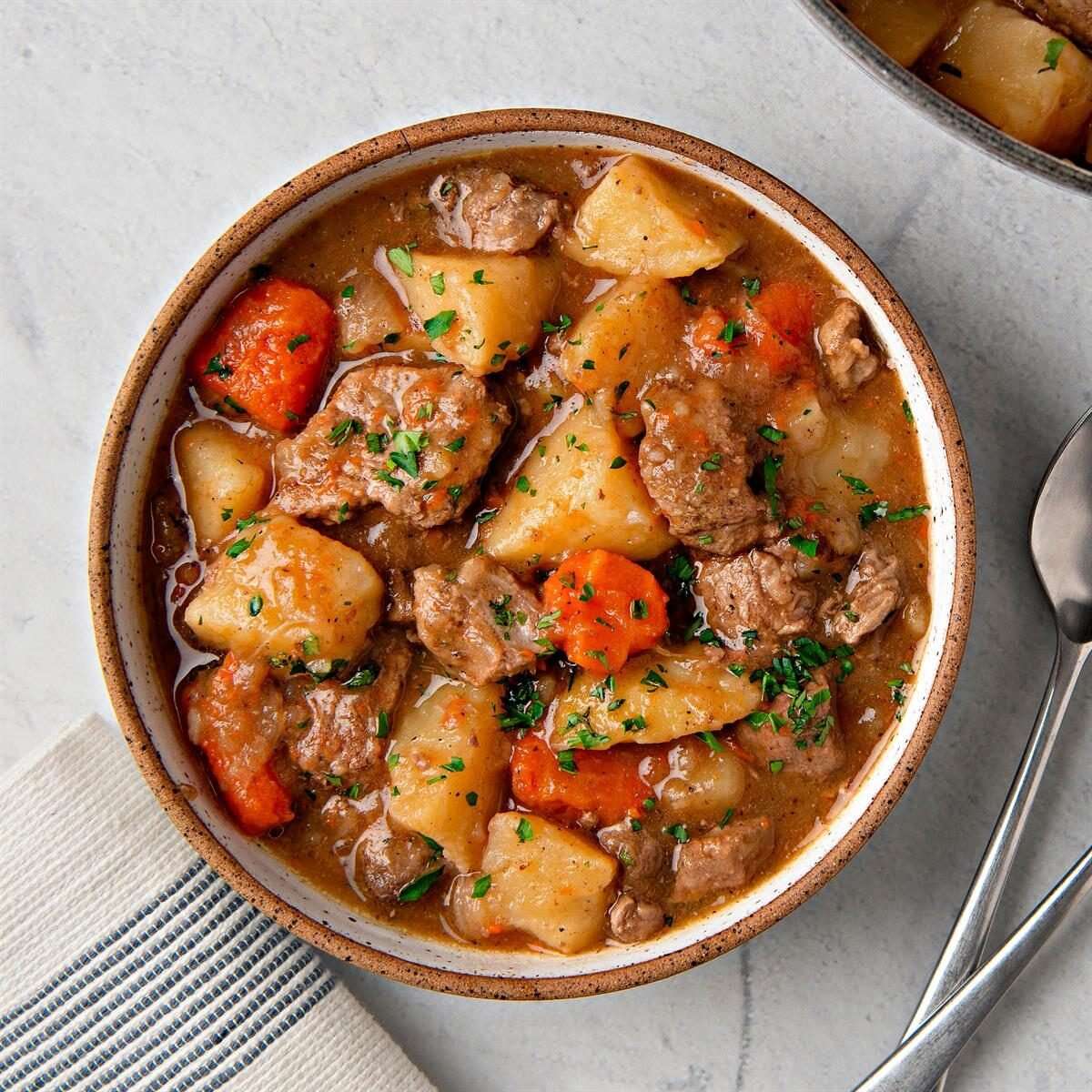
How To Stop Slow Cooker Meals Tasting Watery: Thicker
Use less liquid, layer ingredients, and finish with a thickener for richer slow-cooker meals.
I have cooked hundreds of slow cooker meals and tested why they turn out thin or bland. This guide explains exactly how to stop slow cooker meals tasting watery with clear, proven steps. You will get practical fixes, simple technique changes, and easy thickening tricks that work every time. Read on to learn methods I use in my kitchen, mistakes I avoid, and quick wins to rescue watery dishes.
Why slow cooker meals taste watery
Slow cookers trap steam and keep moisture close to food. That makes them forgiving but can leave stews and sauces thin.
Common reasons for watery results:
- Too much liquid added at the start. Slow cookers don't lose much water to evaporation.
- Frozen ingredients released extra water as they thaw and cook.
- Vegetables like zucchini and mushrooms give off liquid.
- Low-protein or low-fat recipes lack natural thickening from collagen and reduced fats.
Understanding these causes is the first step in learning how to stop slow cooker meals tasting watery. Small changes in prep and timing fix most issues.

Adjust liquids and ingredients before cooking
Measure and reduce liquids. Recipes for stovetop cooking often call for more liquid than a slow cooker needs.
Practical rules:
- Reduce the liquid in recipes by 25 to 50 percent when converting to slow-cooker versions.
- Use fresh, thawed ingredients rather than frozen. Thawed meat and veg release less extra water.
- Roast or sear meat first to brown and lock in juices. That adds flavor and reduces thinness.
- Trim excess fat and water-heavy parts from vegetables.
These choices directly address how to stop slow cooker meals tasting watery by cutting the incoming moisture and improving flavor concentration.

Cooking technique changes to concentrate flavor
Heat and time affect concentration. Slow and gentle is good, but you can tighten things up.
Technique tips:
- Cook on low when you want tenderness but finish on high for 20–30 minutes to reduce liquid.
- Remove the lid for the last 30–60 minutes to let steam escape and sauce thicken.
- Use a smaller slow cooker for small batches so liquid is less spread out.
- Layer ingredients with denser items on the bottom so they absorb liquid better.
These steps help control the stew’s final texture and are key to how to stop slow cooker meals tasting watery.
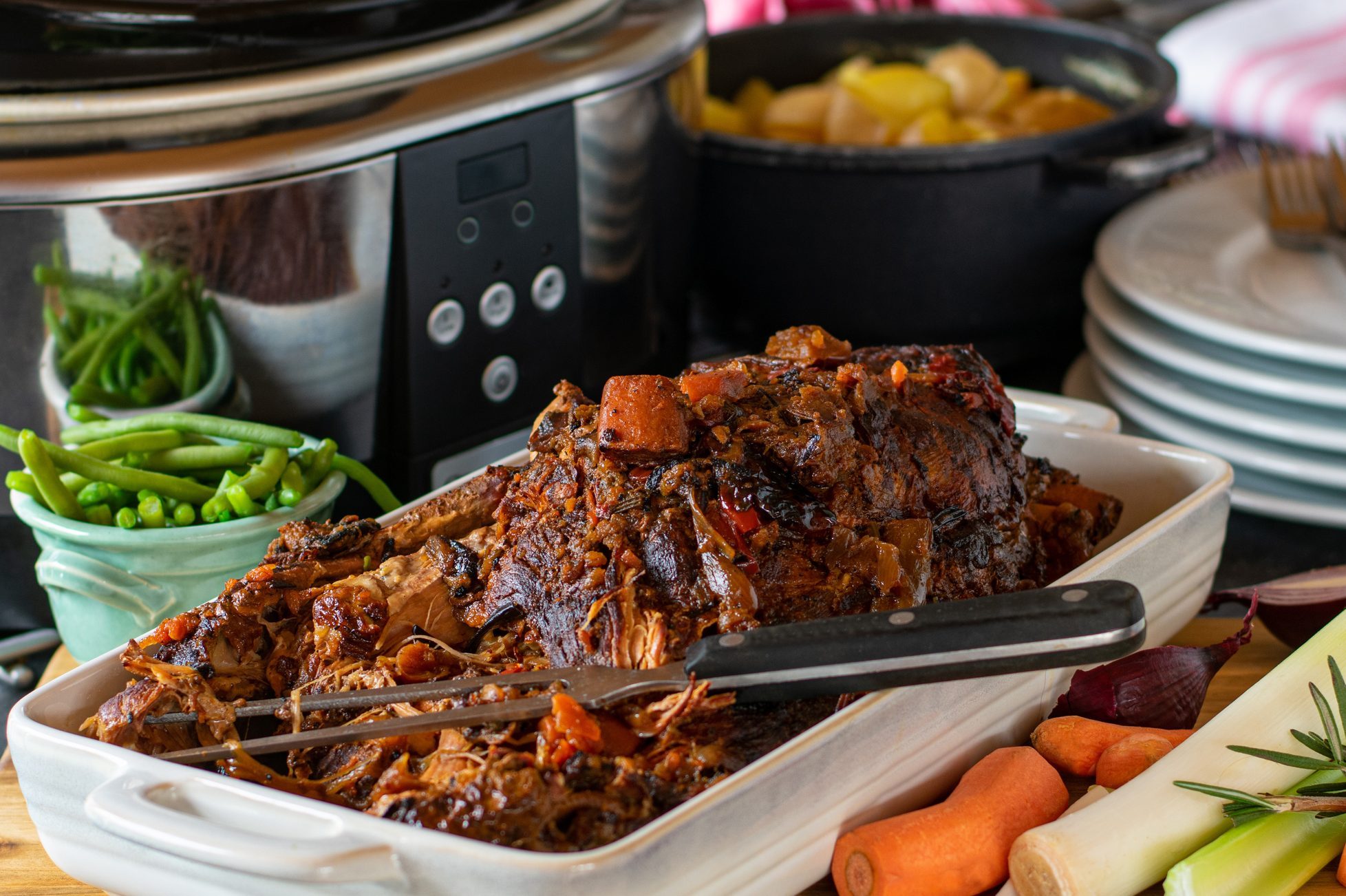
Thickening and finishing methods that work
When a meal is already cooked and thin, these fixes save the dish fast.
Reliable thickeners:
- Cornstarch slurry: Mix 1 tablespoon cornstarch with 1 tablespoon cold water per cup of liquid, stir in and cook on high for 15–30 minutes.
- Flour paste: Make a smooth roux or mix flour with cold water; add slowly and cook to remove raw taste.
- Reduction on stovetop: Pour into a pan and simmer to reduce and concentrate flavor.
- Puree cooked vegetables or beans and stir back in for body and nutrition.
- Instant mashed potato flakes: Stir in small amounts until the desired thickness is reached.
Using these methods will correct texture and show you how to stop slow cooker meals tasting watery without harming flavor.

Quick fixes and recipe-specific tips
Some recipes need tailored fixes. Here are fast, recipe-based ideas.
Dish-specific advice:
- Chili and beef stews: Brown meat and use tomato paste for body. Add a cornstarch slurry at the end.
- Chicken soups: Use bone-in cuts for gelatin; remove skin if too fatty. Simmer uncovered briefly to reduce.
- Curries: Fry spices and aromatics first. Thicken with coconut cream, ground nuts, or yogurt added at the end.
- Vegetarian stews: Add lentils, pureed beans, or mashed root veg to thicken naturally.
These tips target common favorites and teach how to stop slow cooker meals tasting watery in different contexts.

Troubleshooting common mistakes
When things go wrong, narrow the cause quickly.
Step-by-step checks:
- Did you use frozen ingredients? Thaw and drain excess liquid before cooking.
- Was the lid removed too often? Each removal lets heat escape and can lengthen cooking time, but removing it near the end helps thicken.
- Is your recipe scaled down? Liquids should be cut proportionally, not just reduced by a fixed amount.
- Are vegetables high-moisture types dominating the dish? Saute or roast them first to remove surface water.
Troubleshooting this way makes it easier to learn how to stop slow cooker meals tasting watery with less trial and error.

My real-world experience and lessons learned
I started overfilling crockpots and learned the hard way. After many batches, I developed reliable habits.
What I do now:
- Always brown proteins for flavor and to prevent a thin broth.
- Use measured liquid reductions for every converted recipe.
- Finish most dishes uncovered on high or on the stove for a short time.
- Keep a small stash of thickeners ready for last-minute fixes.
These habits reduced rescue cooking in my kitchen from frequent to rare. They are practical, simple, and repeatable by home cooks. They also show how to stop slow cooker meals tasting watery by changing what you do before and after cooking.
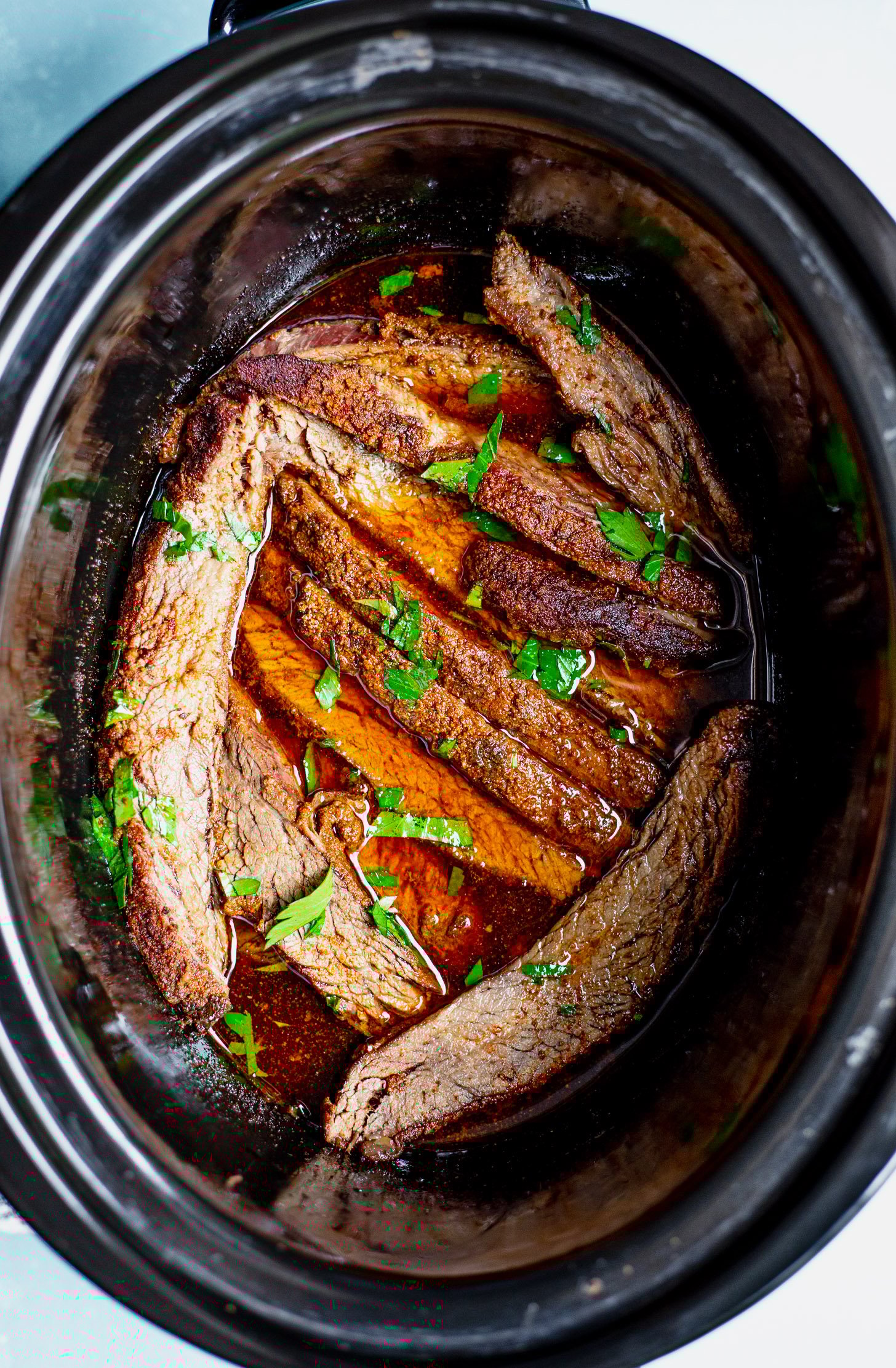
Pantry items to keep for fast rescue
A short list of shelf items makes fixes easy.
Keep these on hand:
- Cornstarch or arrowroot for quick slurries.
- Tomato paste for depth and some thickening.
- Instant mashed potato flakes for neutral thickening.
- Canned beans to puree into body.
- Red lentils to absorb liquid and thicken while cooking.
These pantry items are the difference between a watery meal and a satisfying bowl. They help you implement how to stop slow cooker meals tasting watery in minutes.
Frequently Asked Questions of how to stop slow cooker meals tasting watery
Why does my slow cooker soup end up watery every time?
Slow cookers retain moisture so less liquid is needed. Cut liquids when adapting stovetop recipes and use thawed ingredients to avoid extra water.
Can I thicken a slow cooker meal without flour or cornstarch?
Yes. Puree cooked vegetables, add mashed beans, use instant potato flakes, or reduce the liquid briefly on the stovetop for natural thickening.
Should I remove the lid while cooking to prevent a watery dish?
Remove the lid only near the end to concentrate flavors. Frequent lid removal slows cooking and rarely reduces liquid effectively.
Is browning meat before adding it to the slow cooker necessary?
Browning adds flavor and reduces surface moisture. It helps prevent thin broth and improves the final texture.
How much should I reduce the liquid when converting recipes?
Start by reducing liquids by 25 to 50 percent. Adjust based on recipe size and ingredient moisture for best results.
Conclusion
You can stop watery slow cooker meals with three habits: reduce liquid, prep ingredients to remove excess water, and finish with a thickener or short reduction. Try one change at a time to see what works best for your recipes. Apply these tips today, test one meal, and share results or questions in the comments to keep improving your slow-cooker dishes.

Appliance Review Expert
Lucas Ramirez is a trusted voice at HomeFixGrid.com, known for his clear, practical, and creatively written guides that simplify appliance care for everyday homeowners. With a strong focus on hands-on testing and real-world problem-solving, Lucas brings expert insight into appliance reviews and troubleshooting techniques. Her work empowers readers to confidently maintain, repair, and choose the right appliances for their homes.