How To Balance Spices In Long Slow Cooker Cooking: Top Tips
Start with small amounts, layer flavors, and finish by tasting and brightening at the end.
I’ve spent years testing slow cooker recipes, tuning blends, and rescuing mushy, over-spiced meals. This guide on how to balance spices in long slow cooker cooking explains why flavors change during hours on low heat, how to plan spice timing, and step-by-step strategies to create consistent, vibrant results every time. I’ll share clear rules, sample blends, troubleshooting tips, and real kitchen stories so you can cook with confidence.
Why spices change in long slow cooker cooking
Spices behave differently over long, low heat. Some mellow and meld. Others fade or become bitter. Understanding those changes makes balancing easier.
Key points to know
- Heat breaks down volatile oils in spices. That can lessen aroma but deepen base flavor.
- Ground spices release quickly and can fade or burn if exposed to too much heat.
- Whole spices release slowly and last longer in extended cooking.
- Acids and salts change flavor perception and can brighten a slow-cooked dish late in the process.
How this affects balance
- Too much ground spice early can dominate or turn bitter.
- No adjustment at the end can leave food flat. You need to plan for loss or gain of flavor.
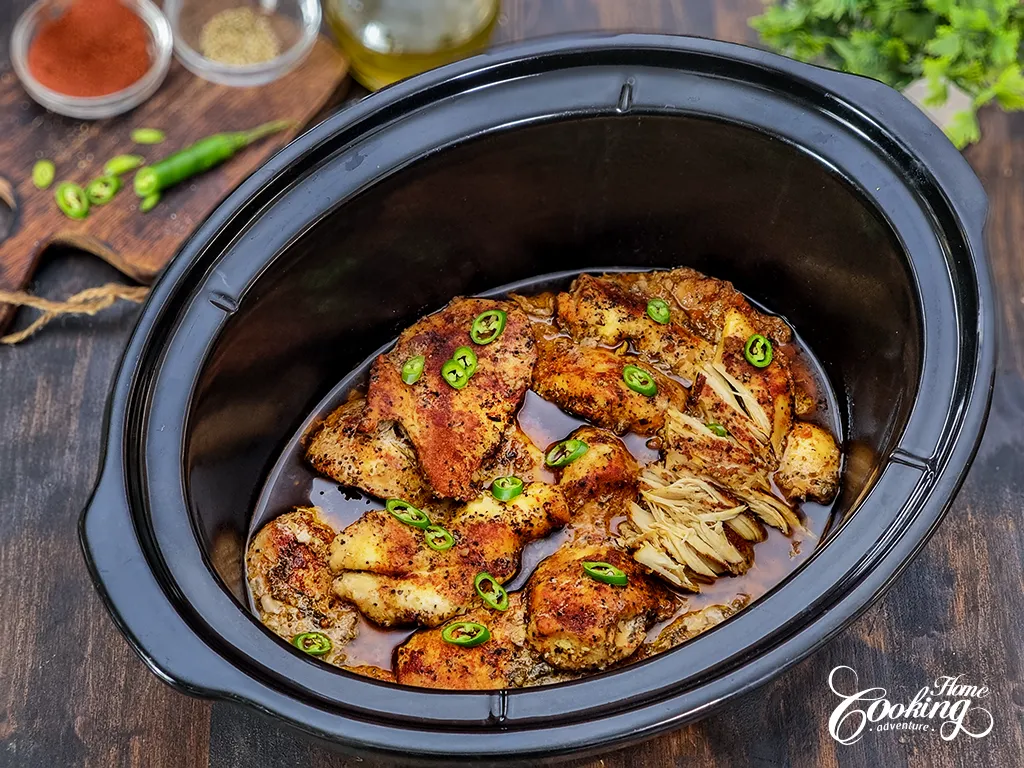
Core principles to balance spices
Follow simple rules to get steady results with how to balance spices in long slow cooker cooking. These are easy to remember and repeat.
Principles to follow
- Start light. Use 25–50% less of strong ground spices than a stovetop recipe.
- Use whole spices for backbone. Add them at the start for slow release.
- Add delicate flavors late. Fresh herbs, citrus, and some aromatics belong near the end.
- Taste and adjust. Final seasoning matters most after several hours.
Why “start light” works
- Slow cooking concentrates flavors. Salt and spices intensify. Starting light avoids overshoot.
- It gives you room to adjust. You can always add, but you can’t remove spice once it’s in.
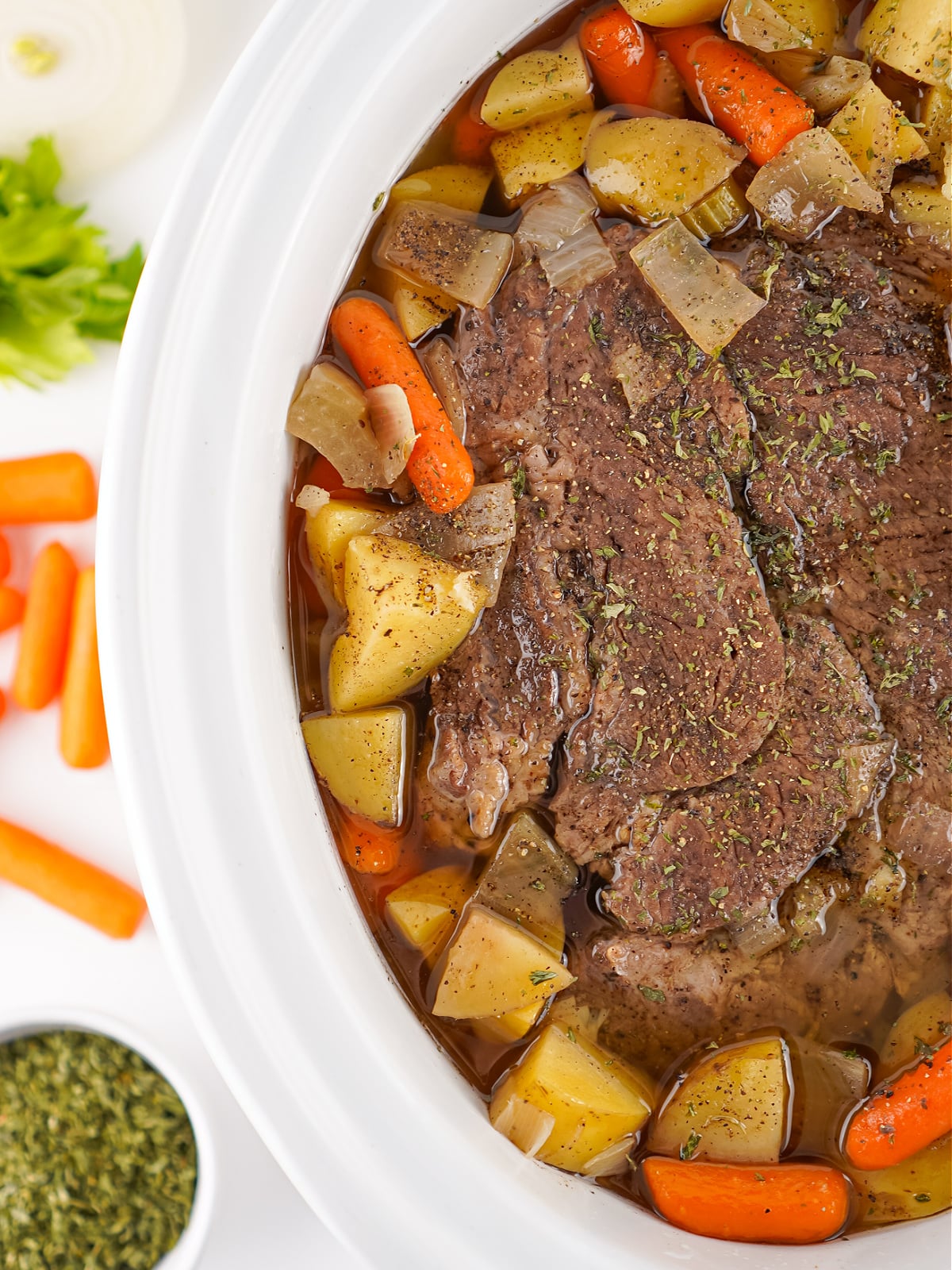
Layering and timing: when to add what
Timing is the secret in how to balance spices in long slow cooker cooking. Layering controls which notes dominate.
Add at the start
- Whole spices such as cinnamon sticks, bay leaves, and whole peppercorns.
- Root spices like dried ginger and whole mustard seeds.
- Aromatic vegetables that benefit from long cooking like onions and carrots.
Add midway (after 2–3 hours)
- Ground spices such as cumin, paprika, and curry powder to refresh the profile.
- Dried herbs like oregano and thyme if you want some mid-cook lift.
Add at the end (last 15–30 minutes)
- Fresh herbs such as parsley, cilantro, basil.
- Citrus zest or juice to brighten.
- Finishing salts and a drizzle of acid (vinegar, lemon).
- A touch of butter, cream, or yogurt to round flavors.
Practical tip
- If a recipe calls for 1 tablespoon of ground spice for stovetop, use about 1 to 1 1/2 teaspoons for the slow cooker and then taste near the end.

Ratios and starter spice blends
Quantities make balancing repeatable. Below are starter ratios you can adapt for different pots and recipes when learning how to balance spices in long slow cooker cooking.
Basic ratio rules
- Salt: 2/3 of stovetop amount early; finish with extra if needed.
- Pepper: 50–75% of a stovetop amount at start; final grind at end.
- Ground warm spices (cumin, coriander): use 30–60% of stovetop amount early; add more mid-cook if needed.
- Chili powder: start small and increase in short bursts near the end.
Sample blends for 4–6 servings
- Slow cooker beef stew blend
- 1 tsp ground cumin
- 1 tsp smoked paprika
- 1/2 tsp ground coriander
- 1 whole bay leaf (remove before serving)
- Slow cooker chicken curry blend
- 1 tsp curry powder at start
- 1/2 tsp garam masala added in last 30 minutes
- 1 tsp turmeric at start
How to scale
- Reduce ground spices by half when moving from stovetop to slow cooker.
- Keep whole spices the same or add one more for a very long cook.

Adjusting at the end and brightening
Finishing moves rescue and refine slow-cooked food. Knowing how to balance spices in long slow cooker cooking includes smart finishing.
Finish steps
- Taste first. Note salt, acid, heat, and bitterness.
- Add acid slowly. Lemon juice, vinegar, or yogurt adds brightness.
- Add a sweetener only if needed. A small drizzle of honey can tame harsh chili heat.
- Add fresh herbs and a neutral fat to round flavors.
Examples of finishers
- For a flat stew, add 1 teaspoon of vinegar and 1 teaspoon of honey. Taste, then repeat in small steps.
- For a spicy, dull curry, add fresh cilantro and a squeeze of lime.

Common mistakes and troubleshooting
Recognizing common errors helps you fix them fast when learning how to balance spices in long slow cooker cooking.
Frequent mistakes
- Adding all spice amounts meant for stovetop to the slow cooker.
- Using only ground spices at the start for multi-hour cooks.
- Skipping final tasting and adjustment.
Quick fixes
- Too salty: add potatoes or a splash of water and simmer another 20–30 minutes.
- Too bitter: add acid and a bit of sugar or dairy to balance.
- Bland: concentrate by simmering uncovered for 20–30 minutes, then add finishing salt and acid.

Personal experience and practical tips
I’ve saved many slow cooker meals by tasting and adjusting late. One time I followed a stovetop chili recipe exactly and ended with a flat pot of beans. I learned to halve ground spices on day one. After that, I layered in whole spices and brightened with vinegar and lime. The difference was night and day.
Tips I use daily
- Keep small jars of whole cinnamon sticks, bay leaves, and peppercorns for long cooks.
- Measure spices in teaspoons, not pinches, for repeatability.
- Label slow cooker recipes with how much you reduced spices. That saves time later.
- When trying a new spice, test it in a small half-cup of the dish before committing to the whole pot.

PAA-style quick questions
Will spices get stronger or weaker in a slow cooker?
Most spices mellow in aroma but their base savory notes can deepen. Some ground spices may fade and require a mid-cook or end boost.
Should I toast spices before adding to a slow cooker?
Toasting boosts aroma but is optional. Toast whole or ground spices briefly on the stove for more depth before adding to the cooker.
Can I add fresh herbs at the start?
Save most fresh herbs for the end. Tough herbs like rosemary can go early, but delicate herbs lose their brightness with long heat.
Frequently Asked Questions of how to balance spices in long slow cooker cooking
What is the best way to prevent over-salting?
Start with 2/3 of the salt you would use on the stove and add more after tasting near the end of the cook.
How do I add heat without overwhelming the dish?
Add chili in steps: a little at the start and more near the end. Use fresh chiles or hot sauce at the end for clearer heat.
Are whole spices always better for slow cooking?
Whole spices release slowly and are great for long cooks. Use them for steady flavor, and remove before serving if desired.
How do acids affect slow-cooked dishes?
Acids lift and brighten flavors that may dull during long cooking. Add acids late to preserve brightness and avoid bitterness.
Can I use dried herbs instead of fresh?
Yes. Use dried herbs earlier in the cook because they need time to hydrate and release flavor. Add fresh herbs at the end for aroma.
Conclusion
Balancing spices in long slow cooker cooking is a mix of planning, patience, and tasting. Start light, layer whole and ground spices thoughtfully, and always finish with acid, salt, and fresh herbs to bring the dish alive. Try the sample blends, keep notes, and taste near the end of every cook. Your slow cooker meals will become richer and more consistent with each pot you make.
Give this a try on your next slow cooker meal. Leave a comment with your favorite blend, subscribe for more tips, or test one of the sample blends and share what worked.

Appliance Review Expert
Lucas Ramirez is a trusted voice at HomeFixGrid.com, known for his clear, practical, and creatively written guides that simplify appliance care for everyday homeowners. With a strong focus on hands-on testing and real-world problem-solving, Lucas brings expert insight into appliance reviews and troubleshooting techniques. Her work empowers readers to confidently maintain, repair, and choose the right appliances for their homes.