How To Cook Pasta Separately For Slow Cooker Meals: Quick Guide
Cook pasta al dente separately, then add it near the end of slow cooker meals.
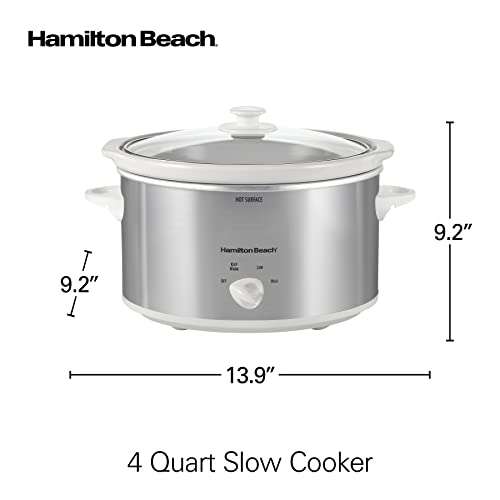
I’ve spent years testing slow cooker dinners and mastering how to cook pasta separately for slow cooker meals. This guide gives clear steps, pro tips, timing rules, and mistakes to avoid so your pasta never turns to mush. Read on to learn exact cook times, storage tips, and simple tricks I use to keep pasta firm and flavorful when combined with slow-cooked sauces and stews.
Why cook pasta separately for slow cooker meals
Slow cookers are great for deep flavors. But long heat and moisture break down pasta. That makes texture soft or mushy.
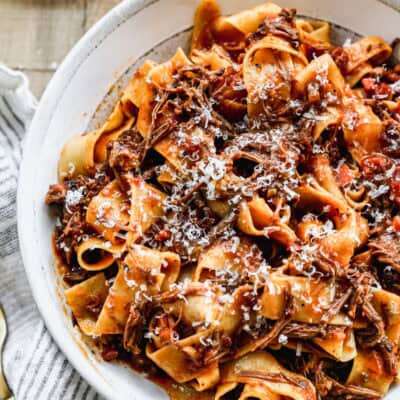
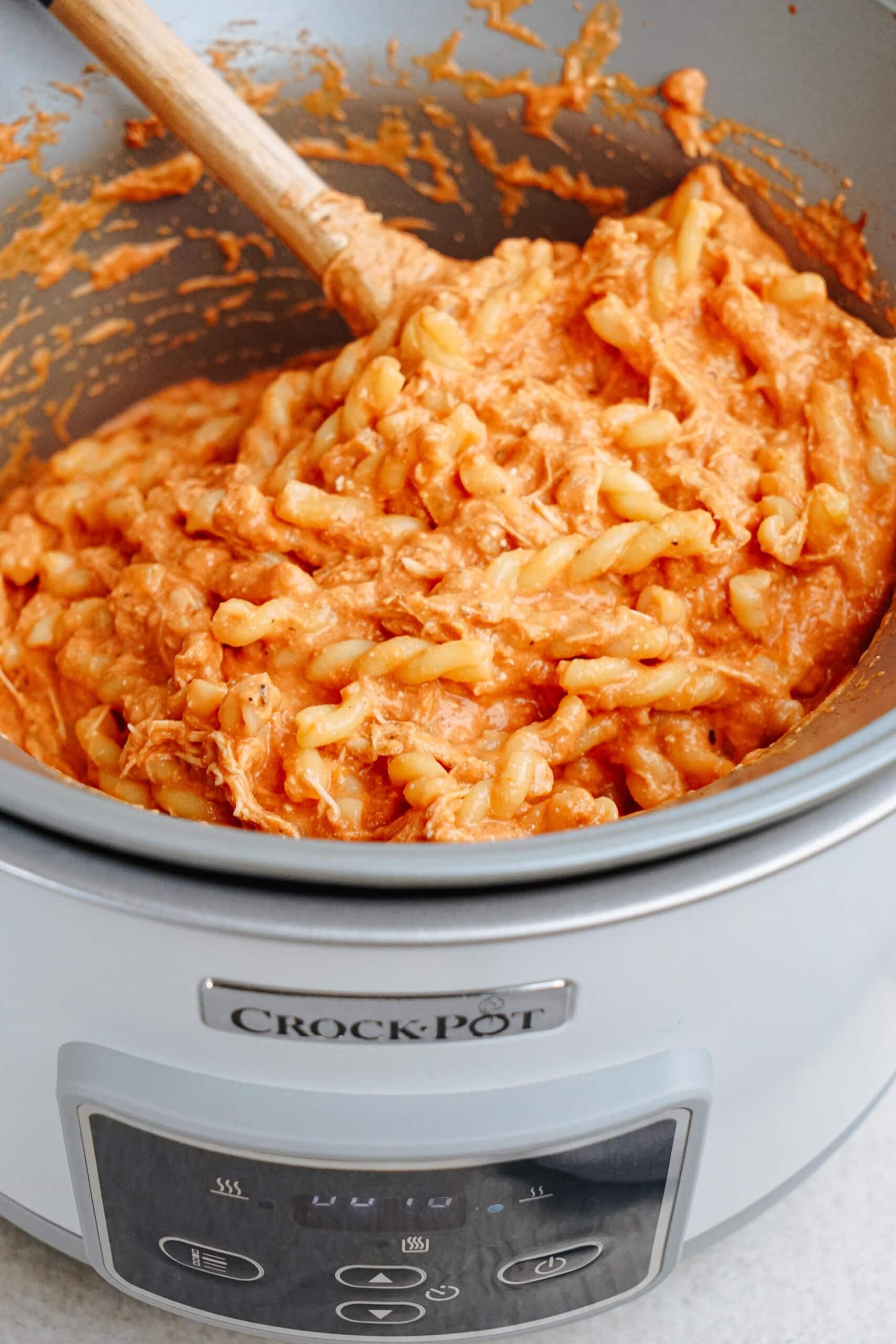
Cooking pasta separately gives you control. You can stop the pasta when it is perfectly al dente. Then you add it to the hot slow cooker near the end. This keeps the meal balanced in texture and taste.
I often cook large batches of sauce in the slow cooker and finish pasta just before serving. This method keeps dinner fast and keeps pasta firm. It also helps when feeding picky eaters or storing leftovers.
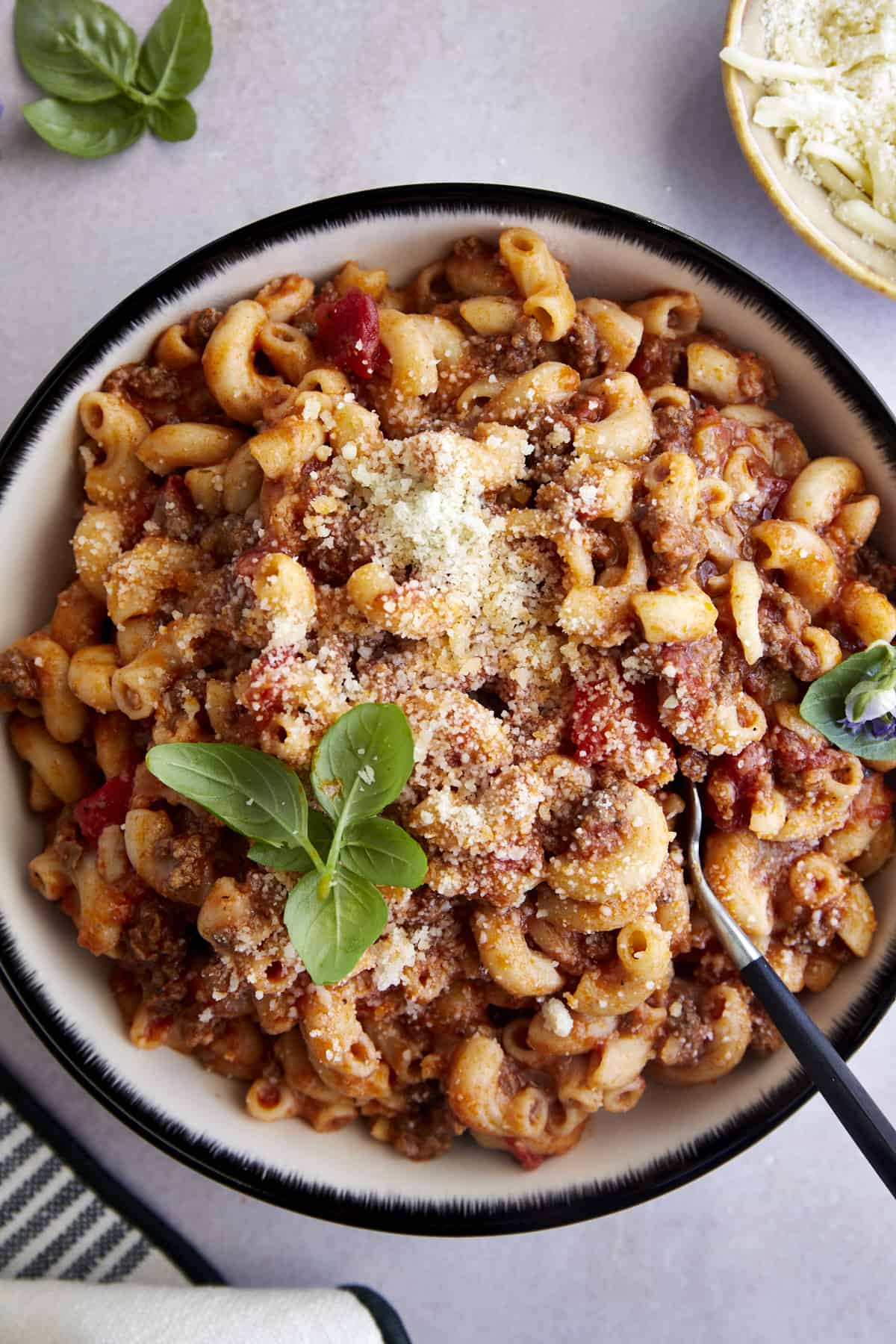
Best pasta shapes and sizes for slow cooker meals
Different shapes behave differently in long-cooked sauces. Choose your pasta based on the dish and how long it will sit.
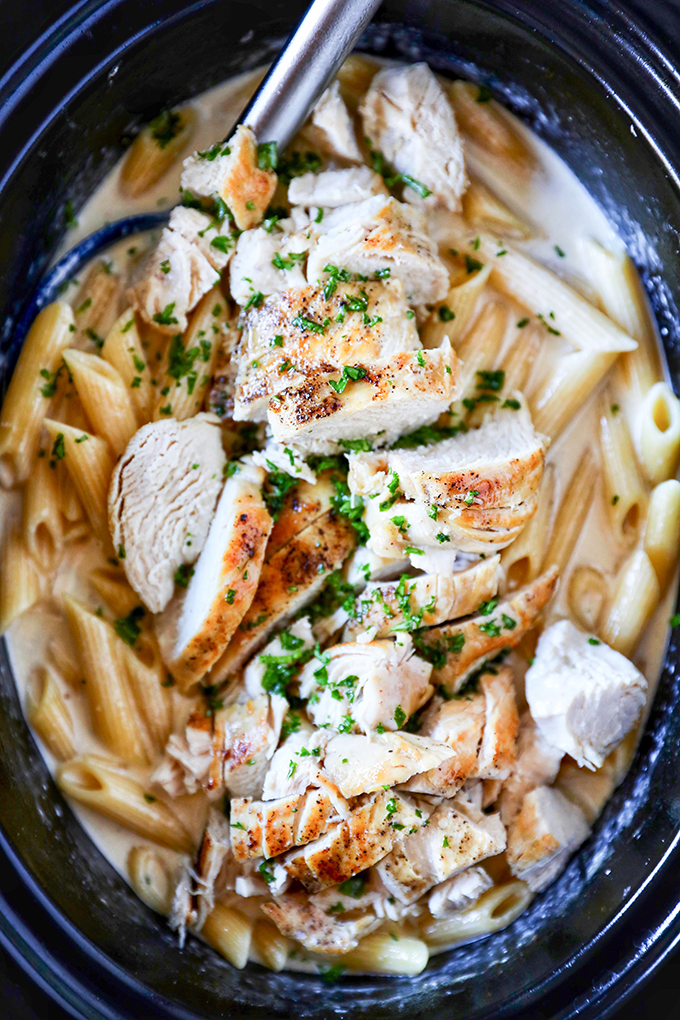
- Penne — Sturdy and holds sauce well. Good for bakes and chunky sauces.
- Rigatoni — Thick tubes that stand up to heavy meat sauces.
- Fusilli or rotini — Spiral shapes trap sauce and stay pleasingly chewy.
- Elbow macaroni — Works for soups and casseroles where small bits are helpful.
- Long pasta (spaghetti, linguine) — Use only when you will serve immediately after combining.
When planning how to cook pasta separately for slow cooker meals, pick a shape that matches the meal’s sauce and hold time. Larger shapes survive sitting longer. Thin shapes can get soft fast.
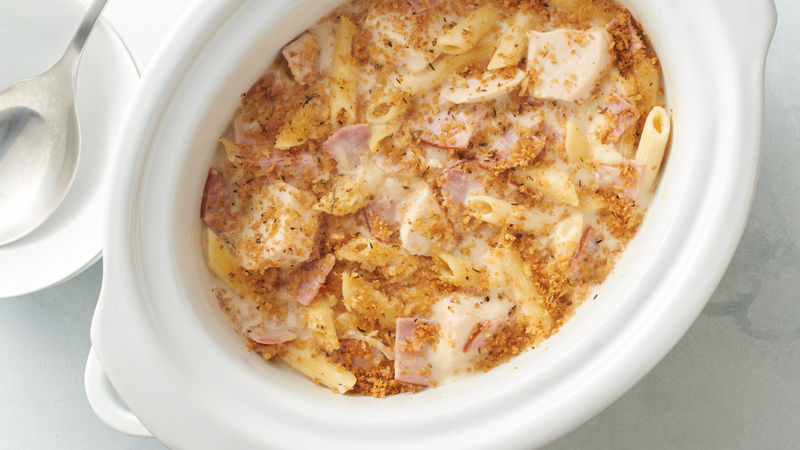
Step-by-step: how to cook pasta separately for slow cooker meals
- Bring a large pot of water to a full, rolling boil. Use plenty of water so the pasta moves freely. Salt the water well for flavor.
- Cook to al dente minus 1 to 2 minutes. If package time is 10 minutes, remove at 8 minutes. This prevents overcooking later.
- Drain quickly. Do not rinse unless you plan to store the pasta for later use. Rinsing removes surface starch that helps sauce cling.
- Toss with a light coating of oil or 1 tablespoon of butter. This prevents clumping if the pasta will sit briefly before adding to the slow cooker.
- If storing, cool on a shallow tray then refrigerate in an airtight container for up to 3 days.
These steps keep structure and prevent the pasta from continuing to soften in the slow cooker. Mastering how to cook pasta separately for slow cooker meals means timing the finish so each bite has the right firmness.

How and when to add cooked pasta to slow cooker meals
Timing matters more than quantity. Add pasta at the end, not at the start.
- For small shapes such as elbow or small shells — Add 10 to 15 minutes before serving. Stir gently.
- For medium shapes like penne or fusilli — Add 15 to 20 minutes before serving.
- For large tubular pasta or stuffed pasta — Add 20 to 30 minutes before serving, but check texture early.
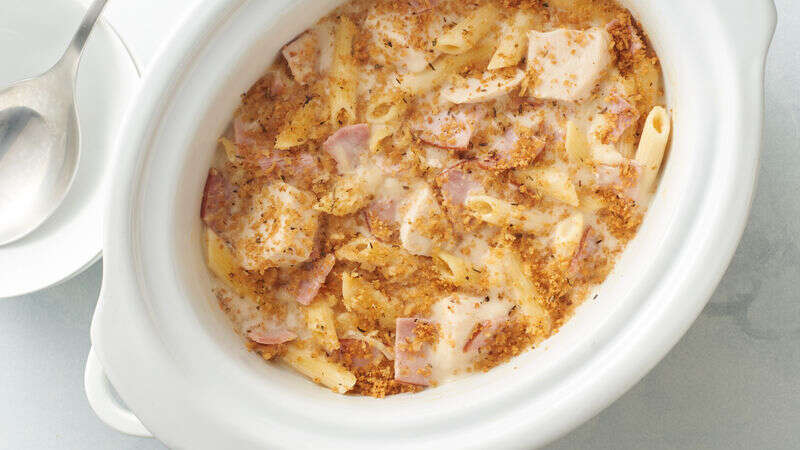
- For baked slow cooker pasta dishes — Combine cooked pasta with sauce, then bake or set on warm for 10 to 15 minutes.
Stir thoroughly but gently to distribute heat and sauce. If the slow cooker is very full and hot, shorten the time by a few minutes to prevent overcooking. When teaching others how to cook pasta separately for slow cooker meals, I always say: add less time than you think and test for doneness.
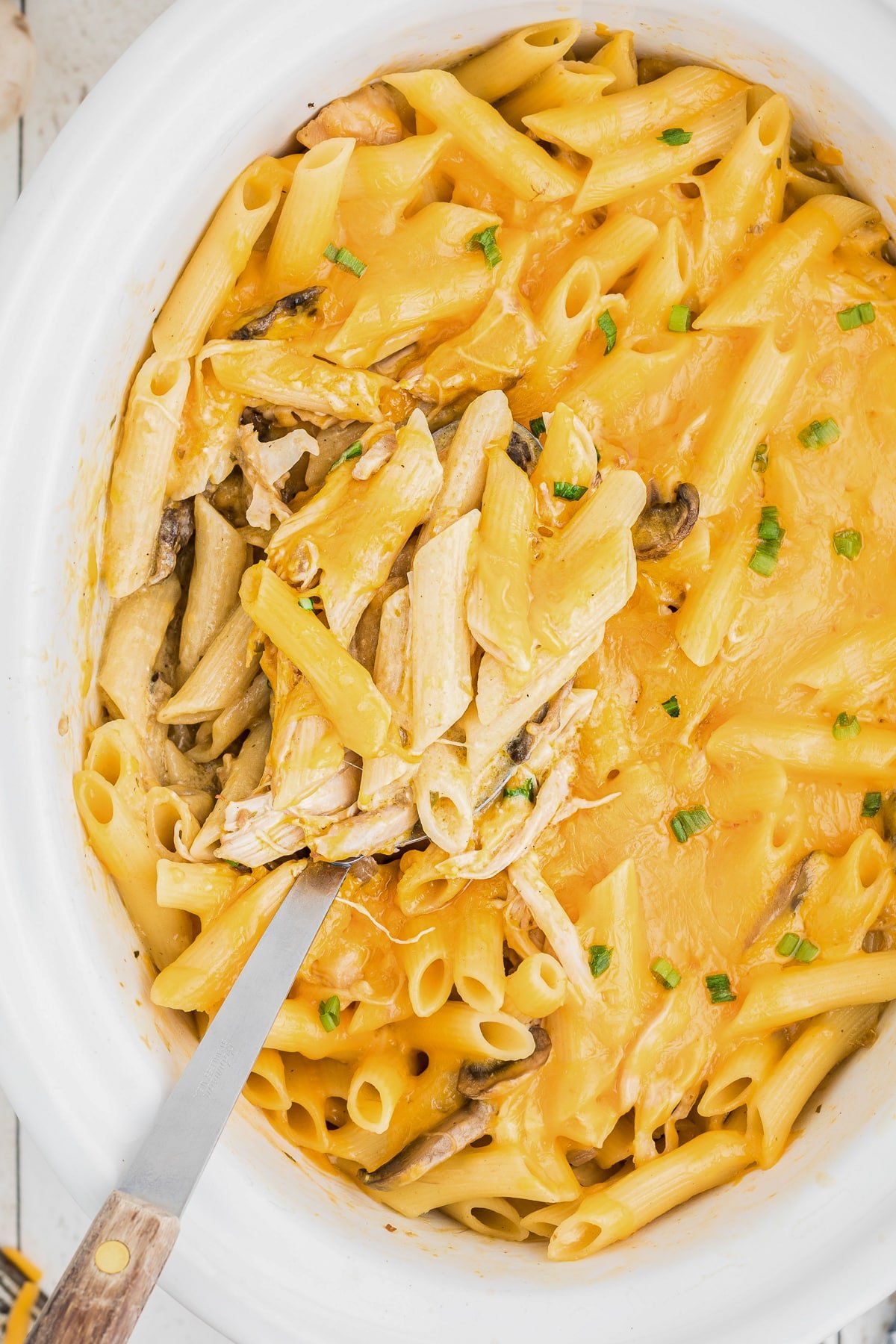
Reheating and storing cooked pasta for slow cooker meals
Store cooked pasta properly to keep texture.
- Refrigeration — Keep in airtight containers. Use within 3 days.
- Freezing — Toss with a thin film of oil and freeze flat in bags for up to 2 months. Thaw in fridge before use.
- Reheating on stovetop — Warm sauce first. Add pasta and simmer very briefly while stirring. This keeps pasta firm.
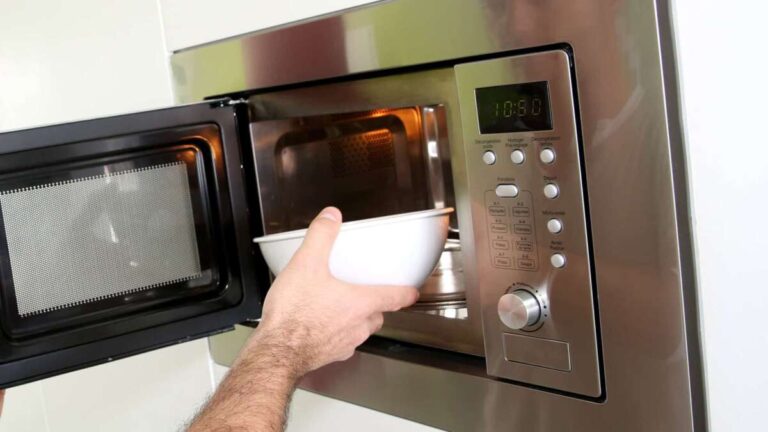
- Microwave — Add a splash of water or sauce and heat in short bursts, stirring between intervals.
- Oven — Combine pasta and sauce, cover, and heat at 350°F for 10 to 15 minutes until warm.
When you reheat, avoid long gentle heat. Extended low heat will soften pasta further. This tip is key when you want to retain the benefits of how to cook pasta separately for slow cooker meals.
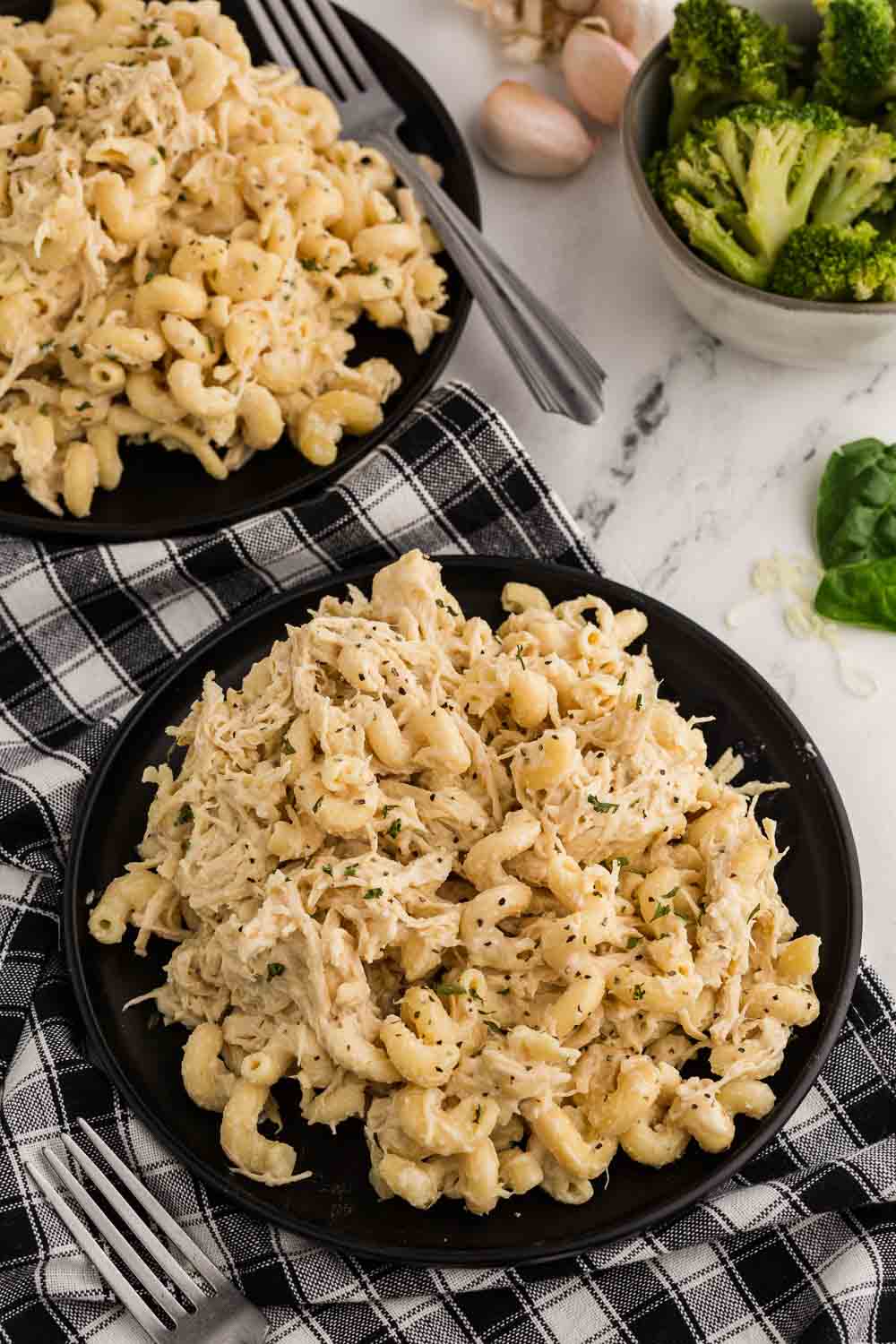
Common mistakes and troubleshooting
Most pasta problems come from timing and moisture control. Here are typical errors and fixes.
- Overcooking in the pot — Undercook by 1–2 minutes to avoid mush later.
- Rinsing too soon — Rinsing removes starch which helps sauce cling. Rinse only when storing long-term.
- Adding pasta too early — Pasta left too long in the slow cooker becomes soggy. Add at the end.
- Using the wrong shape — Thin pastas melt into the sauce. Choose sturdy shapes for hold.
- Not tossing with oil when holding — Pasta clumps. A light oil coat prevents this.
If pasta is already mushy, stir in extra sauce and bake as a casserole or serve as a softer-style dish. Accepting small texture changes can turn a mistake into a new meal style.
Personal experience and pro tips
I learned how to cook pasta separately for slow cooker meals after one ruined Sunday dinner. I added pasta at the start and ended up with a gluey mess. Since then I follow a simple rule: never add pasta until the last phase.
A few things I now always do:
- Make pasta ahead for large groups and keep warm in a shallow tray.
- Reserve a small pot of boiling water to briefly reheat pasta if the cooker is cool.
- Keep sauce slightly thicker than usual. Thick sauce reduces pasta water uptake.
These small actions keep family meals predictable and tasty. They also cut waste and make serving faster when guests arrive.
Frequently Asked Questions of how to cook pasta separately for slow cooker meals
How long should I undercook pasta before adding it to a slow cooker?
Undercook by 1 to 2 minutes from the package al dente time. This leaves room for carryover heat so the pasta finishes to an ideal bite.
Should I rinse pasta if I will add it to the slow cooker?
Do not rinse if you add pasta right away. Rinsing removes starch that helps sauce cling. Rinse only if you plan to store it.
Can I freeze cooked pasta for future slow cooker meals?
Yes. Toss with a little oil, freeze flat in bags, and thaw before use. Frozen pasta is best used within two months for quality.
Will long shapes like spaghetti work in slow cooker dishes?
Long pastas work best when you combine shortly before serving. Break strands or use only if you will serve immediately to avoid limp texture.
How much pasta should I add per person when finishing a slow cooker meal?
Plan 2 to 3 ounces (56 to 85 grams) dry pasta per person, or about 1 cup cooked per person. Adjust for appetite and sides.
Can I add raw pasta directly into the slow cooker instead of cooking separately?
You can add raw pasta with extra liquid, but this often yields uneven texture. Cooking pasta separately offers reliable results and better mouthfeel.
Conclusion
Mastering how to cook pasta separately for slow cooker meals gives you control over texture, flavor, and meal timing. Undercook pasta by a minute or two, toss with a little oil or butter, and add it to the slow cooker near the end. This simple habit transforms many slow-cooked dishes from soft mush to satisfying meals with firm pasta that holds sauce.
Try this method at your next slow-cooker dinner. Test one batch and note the timing that works for your shape and slow cooker. If you found this guide helpful, subscribe for more tips, share your results in the comments, or ask a question below.

Appliance Review Expert
Lucas Ramirez is a trusted voice at HomeFixGrid.com, known for his clear, practical, and creatively written guides that simplify appliance care for everyday homeowners. With a strong focus on hands-on testing and real-world problem-solving, Lucas brings expert insight into appliance reviews and troubleshooting techniques. Her work empowers readers to confidently maintain, repair, and choose the right appliances for their homes.