How To Convert Instant Pot Recipes To Slow Cooker: Fast Fix
Use more time, adjust liquid, and tweak aromatics—slow cook on low for best results.
I’ve converted dozens of pressure-cooker favorites into slow-cooker wins. I’ll walk you through practical rules, clear timing swaps, ingredient tweaks, and safety tips so you can reliably convert Instant Pot recipes to slow cooker meals that taste even better. This guide blends tested kitchen experience with easy rules you can use tonight.

Why convert Instant Pot recipes to slow cooker
Many people love Instant Pot speed. Others prefer the set-and-forget ease of a slow cooker. Converting Instant Pot recipes to slow cooker format lets you pick the method that fits your day without giving up flavor. Converting also helps when you want a hands-off schedule for busy mornings or long workdays.
I’ve learned that conversions are mostly about time, heat profile, and a few ingredient swaps. When you convert Instant Pot recipes to slow cooker versions, you keep the same flavors but change the rhythm of cooking. With simple rules, you will avoid common mistakes like dry meat or overcooked vegetables.
Key differences to keep in mind when you convert Instant Pot recipes to slow cooker
Understand how the devices work. The Instant Pot seals steam and cooks at high pressure. A slow cooker uses low, steady heat without pressure. These differences change how liquid behaves, how tough cuts break down, and when to add delicate ingredients.
When you convert Instant Pot recipes to slow cooker use:
- Expect much longer cooking times.
- Watch liquid levels and evaporation behavior.
- Protect dairy, pasta, and herbs by adding them late.
Knowing these basics makes it easy to convert Instant Pot recipes to slow cooker dishes that hit the same flavor marks.
Step-by-step guide to convert Instant Pot recipes to slow cooker
Follow these clear steps to convert Instant Pot recipes to slow cooker versions reliably.
- Translate cook time
- If the Instant Pot time is 10–30 minutes, plan for 4–8 hours on low or 2–4 hours on high.
- For pressure times of 30–60 minutes, plan 6–10 hours on low or 3–5 hours on high.
- For very quick pressure times (under 10 minutes), convert to 3–6 hours low depending on ingredients.
- Adjust liquid
- Add 25% more liquid as a starting point when converting most recipes. This prevents drying and helps slow collagen breakdown.
- Check consistency halfway through cook if possible. You can always reduce liquid at the end by removing the lid and simmering.
- Change when you add fragile items
- Add dairy, fresh herbs, pasta, and quick-cook vegetables in the last 20–60 minutes of cooking.
- Root vegetables and tough cuts can go in at the start.
- Modify sauté steps
- If the Instant Pot recipe calls for sautéing aromatics first, do that in a pan, or use the Instant Pot’s sauté mode before switching to slow cook. Searing builds flavor.
- Pressure releases vs. lid lifts
- Instant Pot recipes often rely on natural pressure release for carryover cooking. On a slow cooker, that step is unnecessary. Instead, finish on warm for 15–30 minutes if you want carryover cooking time.
- Food safety
- Ensure poultry reaches 165°F and large roasts reach safe internal temps. Use a probe thermometer when in doubt.
These steps make it straightforward to convert Instant Pot recipes to slow cooker meals with good results.
Ingredient-specific conversion tips when you convert Instant Pot recipes to slow cooker
Different ingredients need different care. When you convert Instant Pot recipes to slow cooker versions, tweak ingredients this way.
Vegetables
- Root vegetables like carrots and potatoes can go in at the start. They hold shape during long cooks.
- Soft vegetables like peas, zucchini, and corn should be added in the last 30–60 minutes.
Meat
- Tough cuts (chuck roast, pork shoulder) shine in the slow cooker. Put them in at the start and cook low for best texture.
- Tender cuts (chicken breast, fish) dry out quickly. Add them near the end and keep cooking time short.
Liquids and sauces
- Tomatobased and broth sauces usually do well with 10–25% more liquid at the start. Reduce at the end if needed.
- Cream, milk, and yogurt should be stirred in at the end to avoid curdling.
Beans and legumes
- Unsoaked dried beans can overcook or be uneven. For best results, soak beans overnight or cook them separately. If converting an Instant Pot bean recipe, allow 6–8 hours on low for soaked beans.
Pasta and grains
- Cook pasta separately or add it in the last 30–60 minutes. Grains like barley and farro can be added with adjusted liquid and time.
Spices and herbs
- Add dried herbs early. Add fresh herbs late for brightness.
These targeted tweaks help you convert Instant Pot recipes to slow cooker ones without sacrificing texture or flavor.
Timing and temperature cheat sheet to convert Instant Pot recipes to slow cooker
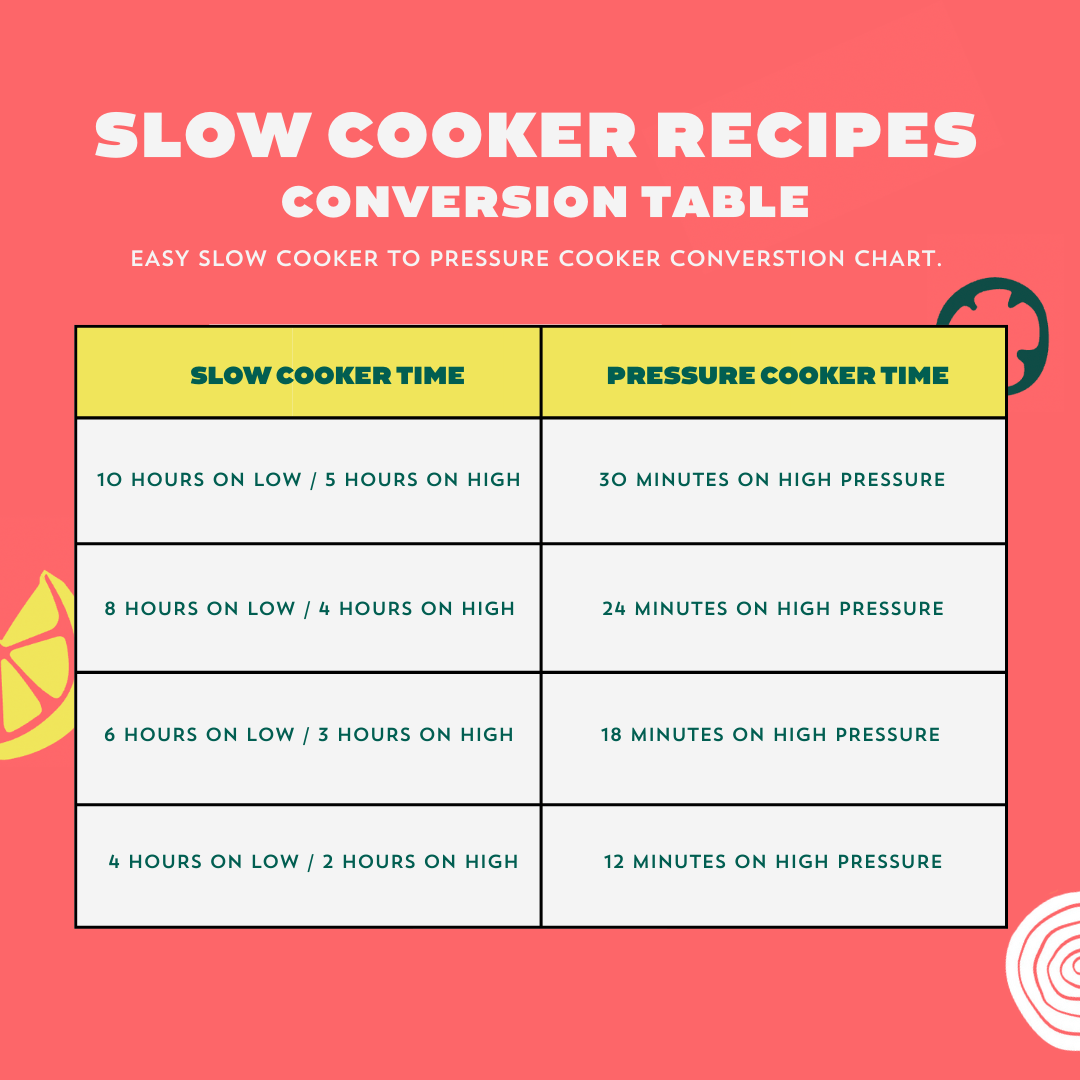
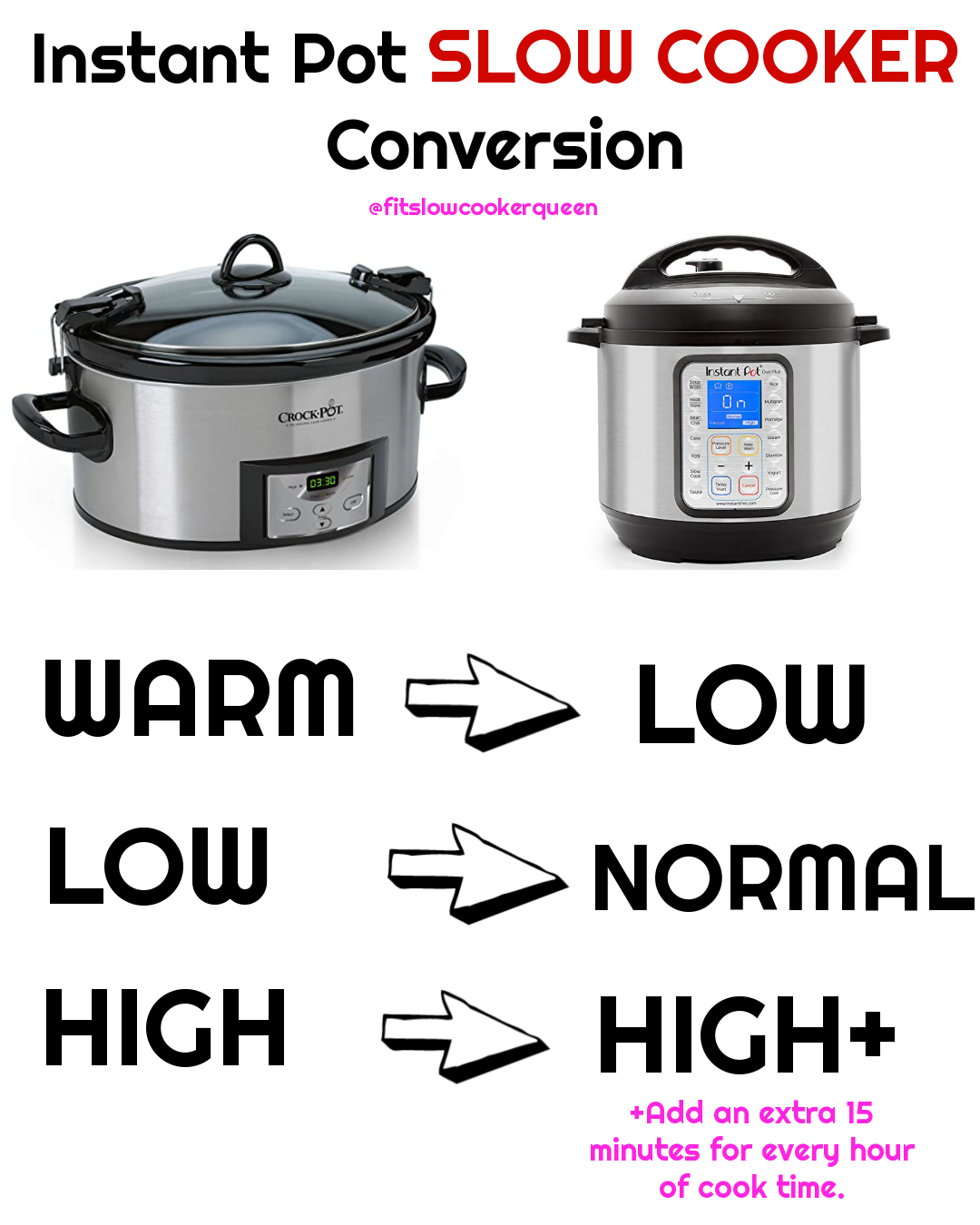
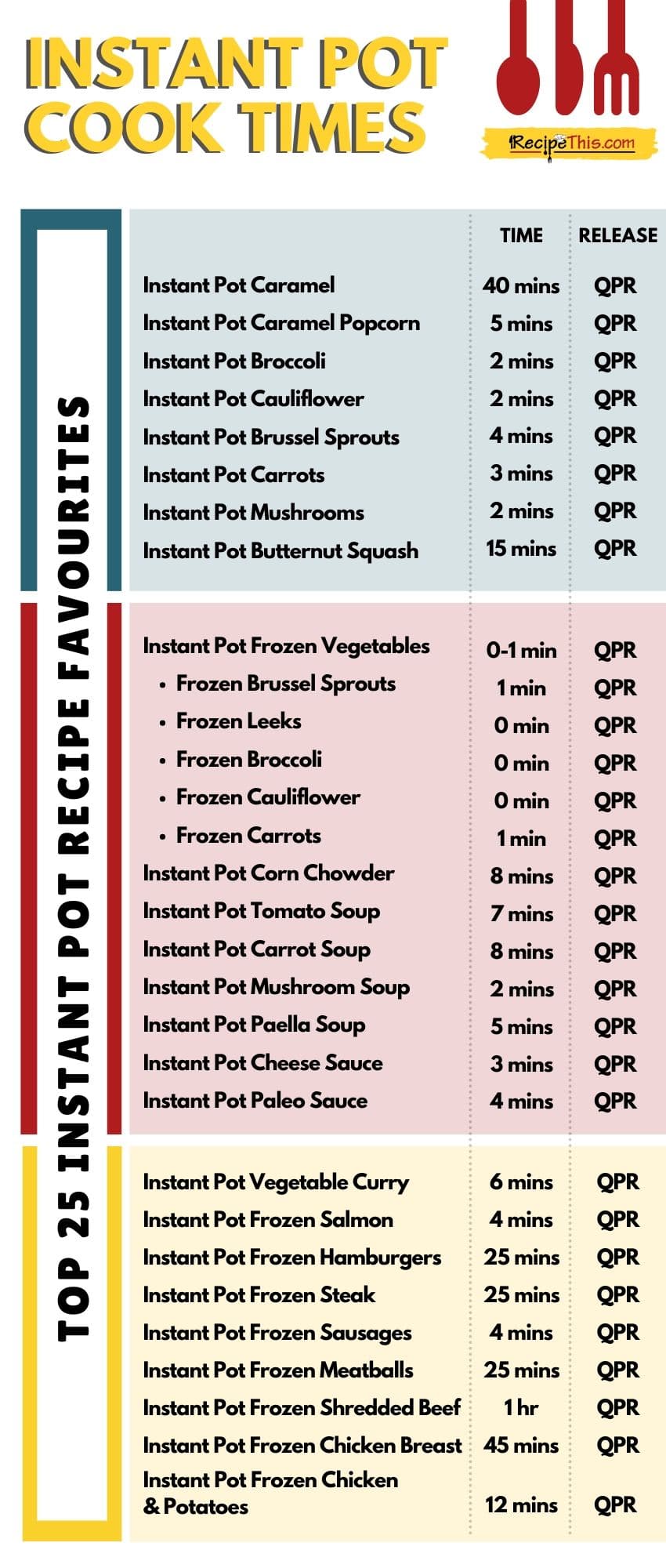
Use this quick table as a rule of thumb when you convert Instant Pot recipes to slow cooker formats. Times assume low and high settings on a typical 3–8 hour-capacity slow cooker.
- Instant Pot 5–10 minutes → Slow cooker low 3–6 hours or high 1.5–3 hours
- Instant Pot 10–20 minutes → Slow cooker low 4–8 hours or high 2–4 hours
- Instant Pot 20–30 minutes → Slow cooker low 6–9 hours or high 3–5 hours
- Instant Pot 30–60 minutes → Slow cooker low 8–10 hours or high 4–6 hours
Temperature tips
- Slow cooker low hovers near 190–200°F. High is around 250°F. These temps break down collagen slowly and create tender meat.
- Always use a thermometer to confirm internal meat temps for safety.
This cheat sheet makes it faster to convert Instant Pot recipes to slow cooker meals with predictable results.
Troubleshooting common problems when you convert Instant Pot recipes to slow cooker
Even with rules, issues happen. Here are fixes I rely on after many test runs.
Problem: Meat is dry
- Cause: Overcooking tender cuts or not enough liquid.
- Fix: Add sauce or stock and cook on low less time next time. Use tender meats later in the cook.
Problem: Vegetables are mushy
- Cause: Soft veg cooked too long.
- Fix: Add them in the last hour or cook separately and stir in at the end.
Problem: Sauce is too thin
- Cause: Not reduced or too much added liquid.
- Fix: Remove lid and simmer on high to reduce, or thicken with a slurry of cornstarch and cold water.
Problem: Undercooked beans or legumes
- Cause: Beans not soaked or insufficient time/heat.
- Fix: Pre-soak beans or use canned beans and add them later.
Problem: Bland flavor
- Cause: Aromatics not browned or seasoning diluted.
- Fix: Sear meat and sauté aromatics first. Taste and adjust salt and acid at the end.
These quick fixes come from repeated kitchen trials and make conversions safer and tastier.
:max_bytes(150000):strip_icc()/instant-pot-and-crock-h1-5b328d2b46e0fb005b369d8a.jpg)
Practical examples: real recipe conversions I’ve done
Example 1: Beef stew
- Instant Pot: 35 minutes high pressure, natural release.
- Slow cooker conversion: 8 hours on low. Add 25% more beef stock. Add peas in the last 30 minutes.
Example 2: Chicken tikka masala
- Instant Pot: 12 minutes high pressure.
- Slow cooker conversion: 4–6 hours on low. Add cream in the final 15 minutes to avoid curdling.
Example 3: Lentil soup
- Instant Pot: 15 minutes high pressure.
- Slow cooker conversion: 4–6 hours on low. Add fresh herbs and lemon at the end for brightness.
I learned that testing once is not enough. Tweak liquid and timing based on your slow cooker model. My old ceramic slow cooker ran cooler than my newer one, so I adjusted time accordingly. Small differences in appliances matter.
People also ask — quick answers
Q: Can I always convert Instant Pot recipes to slow cooker?
A: Yes, most recipes convert well, but expect longer time and small ingredient tweaks. Avoid converting quick egg or delicate fish recipes without adjustments.
Q: Do I need to use more liquid in a slow cooker?
A: Start with 10–25% more liquid as you convert Instant Pot recipes to slow cooker versions. Adjust during cooking if needed.
Q: When should I add dairy or pasta?
A: Add dairy and pasta near the end. This prevents curdling and overcooking when you convert Instant Pot recipes to slow cooker formats.
Q: How do I prevent meat from drying?
A: Use lower temperatures and add meat later if it’s tender. For tough cuts, long low heat is ideal when you convert Instant Pot recipes to slow cooker ones.
Q: Is food safety different between the two?
A: The food safety principles are the same. Ensure poultry hits 165°F and large roasts reach safe temps when converting Instant Pot recipes to slow cooker meals.
Frequently Asked Questions of how to convert instant pot recipes to slow cooker
How much longer should I cook in a slow cooker compared to an Instant Pot?
Plan for about 4–8 times longer in many cases. Short pressure times convert to several hours on low, while long pressure times convert to 6–10 hours low.
Will my slow cooker version taste the same?
Often yes. Slow cooking can deepen flavors through gentle breakdown of collagen. Searing and timing of additions help match the Instant Pot flavor profile.
Should I brown meat before slow cooking?
Yes. Browning adds a flavor layer. Use a skillet or the Instant Pot sauté mode before transferring to the slow cooker for best results.
How do I handle sauces and gravies?
Slow cookers can dilute flavors. Reduce sauces at the end or thicken with a slurry to achieve the same richness you’d get from pressure cooking.
Can I convert desserts and custards this way?
Be careful. Custards and delicate desserts need precise temperatures. Many pressure-cooker dessert recipes do not convert directly and may require tested slow-cooker versions.
Conclusion
Converting Instant Pot recipes to slow cooker meals is a practical skill you can master quickly. Focus on increasing cook time, adjusting liquids, delaying delicate ingredients, and checking temperatures. Use the timing cheat sheet and ingredient tips above as your starting template.
Try converting one favorite Instant Pot recipe this week. Start simple—like a stew or chili—note how your slow cooker performs, and tweak times and liquids next time. Share your results, ask questions, or subscribe for more tested conversions and tips.

Appliance Review Expert
Lucas Ramirez is a trusted voice at HomeFixGrid.com, known for his clear, practical, and creatively written guides that simplify appliance care for everyday homeowners. With a strong focus on hands-on testing and real-world problem-solving, Lucas brings expert insight into appliance reviews and troubleshooting techniques. Her work empowers readers to confidently maintain, repair, and choose the right appliances for their homes.