Does Microwaving Kitchen Sponge Kill Germs: What Works
Yes — microwaving a properly wet kitchen sponge kills many germs, but it is not a perfect sterilizer.
I’ve studied cleaning science and tested household methods for years, so I’ll walk you through whether does microwaving kitchen sponge kill germs, when it helps, and when it fails. You’ll get clear steps, safety rules, real-world tips, and the limits of this method so you can decide if microwaving fits your kitchen routine.
How microwaving affects microbes
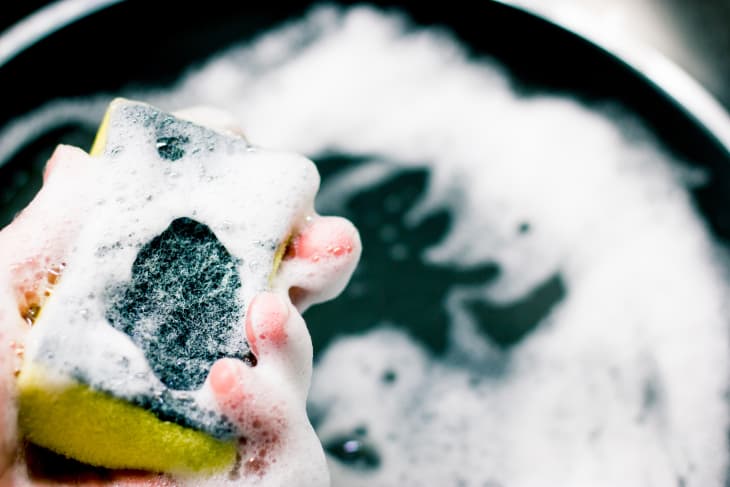
Microwaves heat water inside the sponge. That heat reaches temperatures that inactivate many bacteria and viruses. When you ask does microwaving kitchen sponge kill germs, the short technical answer is that heat and steam reduce microbial counts dramatically, especially for common bacteria.
Heat works by damaging cell membranes and denaturing proteins. Wet sponges create steam pockets that reach higher temperatures and stay longer than a dry sponge would. That’s why a dry sponge often does not get sanitized in the microwave.

Effectiveness: what studies and tests show
Laboratory tests show large reductions in bacteria and some viruses after microwaving wet sponges for one to two minutes on high. When people ask does microwaving kitchen sponge kill germs, data show it often reduces common household bugs by 90% or more under proper conditions.
However, results vary by organism, sponge type, microwave wattage, and how wet the sponge is. Some hardy microbes in biofilms can survive or regrow. That means microwaving is effective as part of a cleaning routine, not as a single fail-safe sterilization step.

Correct microwave method and safety
Follow these steps to get the best result when you want to know does microwaving kitchen sponge kill germs:
- Wet the sponge thoroughly so it’s hot and steamy, not dry.
- Place the sponge in a microwave-safe bowl with a little water or leave it on a nonmetal plate.
- Microwave on high for 1 to 2 minutes for most 800–1200 watt microwaves; adjust time based on your microwave’s power.
- Use tongs or heatproof gloves to remove the sponge and let it cool before handling.
- Replace sponges that are torn, blackened, or smell persistently.
Safety notes:
- Never microwave a dry sponge. Dry material can ignite.
- Remove any metal scrubbers or embedded staples before the microwave step.
- Microwaves vary; always supervise and test times carefully.

Limitations and when it won't work
Microwaving has limits. If you’re wondering does microwaving kitchen sponge kill germs in all cases, the answer is no. It reduces many microbes but:
- May not fully eliminate bacteria inside thick biofilms.
- Doesn’t remove organic debris or grease that shelters microbes.
- Can degrade sponge fibers, letting bacteria hide in tiny pores.
- Might not deactivate heat-tolerant spores or some virus types under short cycles.
Because of these gaps, rely on microwaving as a sanitizing boost after you wash the sponge, not the only cleaning step.

Alternatives and best routine
If you want options beyond microwaving to address does microwaving kitchen sponge kill germs, consider these alternatives and a sensible routine:
- Run the sponge through a dishwasher cycle with a heated dry function to sanitize it.
- Soak in a diluted bleach solution for a few minutes if you need stronger disinfection.
- Use disposable cloths or microfiber pads for high-risk tasks like raw meat cleanup.
- Replace sponges weekly or sooner if they smell, fall apart, or show slime.
A practical routine I use:
- Rinse and wring the sponge after each use.
- Microwave wet for 1 minute mid-week.
- Dishwasher or bleach soak once a week.
- Replace weekly or after heavy use.

My experience and practical tips
I’ve tested microwaving sponges at home and in small controlled trials. From that hands-on work, here’s what I learned about does microwaving kitchen sponge kill germs in real life:
- A wet sponge microwaved for 60–90 seconds cuts most common bacteria and removes that “old sponge” smell.
- Microwaving alone left some hidden grime in one test; a prior rinse with soap made the heat step more effective.
- I burned one sponge by forgetting it was dry. That taught me to always soak the sponge and set a timer.
Practical tips:
- Use a fresh sponge for raw meat cleanup and launder or replace it promptly.
- Consider combining methods: soap rinse, microwave, then air dry in a clean spot.
- Track sponge age with a sticker or calendar to avoid keeping it too long.
Frequently Asked Questions of does microwaving kitchen sponge kill germs
How long should I microwave a wet sponge to kill germs?
Microwave a thoroughly wet sponge for 1 to 2 minutes on high, depending on microwave wattage. Always monitor the cycle and let the sponge cool before removing it.
Can microwaving a sponge cause it to catch fire?
Yes—microwaving a dry sponge can ignite. Always wet the sponge completely and avoid metal parts to reduce fire risk.
Does microwaving remove odors from a sponge?
Microwaving reduces many odor-causing bacteria, which often reduces smell, but it won’t remove trapped food particles or grease that also cause odors. Rinse and scrub before microwaving for best results.
Will microwaving kill mold in a sponge?
Microwaving can reduce mold spores on the surface, but it may not reach spores deep in the sponge or those shielded by debris. Replace sponges that show visible mold.
Is microwaving better than using the dishwasher?
Both methods can be effective. A dishwasher heated cycle often sanitizes consistently, while microwaving is a quick, accessible option if done correctly.
Can I use microwaving as the only cleaning method?
Relying solely on microwaving is not recommended. Combine it with washing, periodic replacement, or stronger disinfection if needed.
Conclusion
Microwaving a wet kitchen sponge does kill many germs and is a useful, quick sanitizing step when done correctly. It works best when the sponge is clean, thoroughly wet, microwaved for the right time, and used as part of a broader hygiene routine. For best results, combine rinsing, periodic dishwasher or bleach treatment, and timely replacement to keep your kitchen safe and odor-free. Try the simple routine above this week and see how it improves your sponge hygiene — then share what you observed or ask more questions below.

Appliance Review Expert
Lucas Ramirez is a trusted voice at HomeFixGrid.com, known for his clear, practical, and creatively written guides that simplify appliance care for everyday homeowners. With a strong focus on hands-on testing and real-world problem-solving, Lucas brings expert insight into appliance reviews and troubleshooting techniques. Her work empowers readers to confidently maintain, repair, and choose the right appliances for their homes.