Does A Over The Range Microwave Need To Be Vented: Answered
Most over-the-range microwaves should vent externally to remove smoke, grease, and cooking odors.
I’ve installed and repaired dozens of kitchen setups and read many code guides. I know the common problems homeowners face when they ask, does a over the range microwave need to be vented, and I’ll walk you through the why, how, rules, and real-world tips so you can decide with confidence.
Understanding venting: does a over the range microwave need to be vented?
The short answer is yes in many cases, but context matters. When people ask does a over the range microwave need to be vented they want to know if ducting is required for safety and odor control. External venting removes steam, smoke, grease, and heat from the home. Recirculating (ductless) models filter air and return it to the kitchen, but they do not remove moisture or heat.
Venting choice affects indoor air quality and appliance life. If you cook often with oil or high heat, external venting is usually best.
Why venting matters for kitchens
Venting protects paint, cabinets, and air quality. It pulls out grease and soot that would otherwise settle on surfaces. It also clears steam that can lead to mold and peeling paint.
Good venting keeps the kitchen comfortable during heavy cooking. It reduces lingering smells and helps the microwave’s fan work less hard, which extends the unit’s life.
Types of over-the-range microwave vents
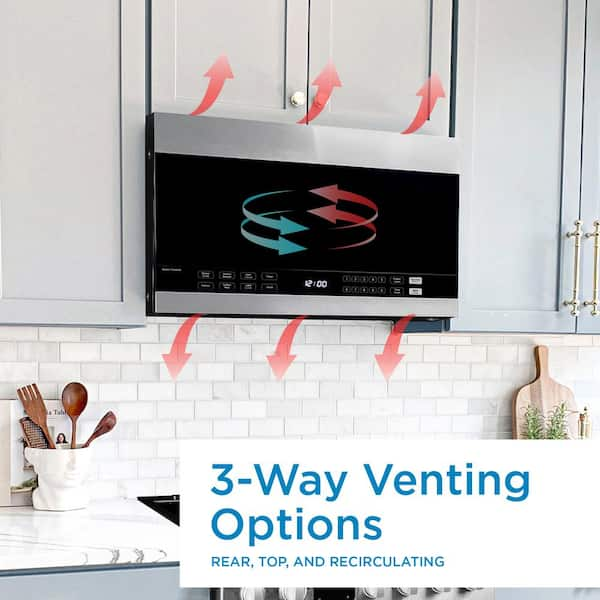
There are two main vent types to know when you ask does a over the range microwave need to be vented:
- External (ducted) venting
- Sends air outside using metal ductwork.
- Best at removing moisture, smoke, and grease.
- Recirculating (ductless) venting
- Filters air with charcoal and metal filters, then returns it to the room.
- Easier to install but less effective for moisture and heavy grease.
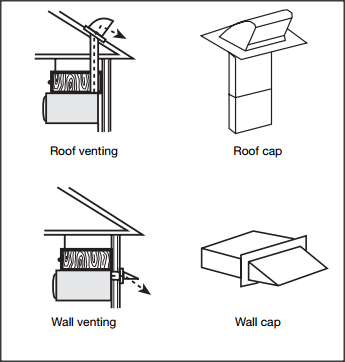
- Vertical vs. horizontal duct options
- Some homes allow a top vent; others require a rear vent.
- Choose based on your kitchen layout and roof or wall access.
External venting is generally recommended for serious cooks. If you choose recirculating, plan for frequent filter changes.
Building codes, clearances, and installation requirements
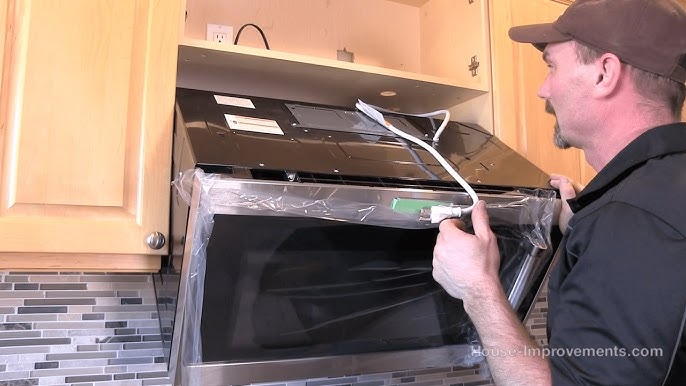
Local codes and manufacturer rules guide venting. Many codes require an exhaust to the outdoors when certain clearances and cooking surfaces are present. Always check local building code before installing.
Key points to check:
- Minimum clearance between cooktop and microwave
- Required duct size and material
- Permits and inspections for new duct runs
Improper venting can violate code and reduce safety. When in doubt, consult a professional installer.
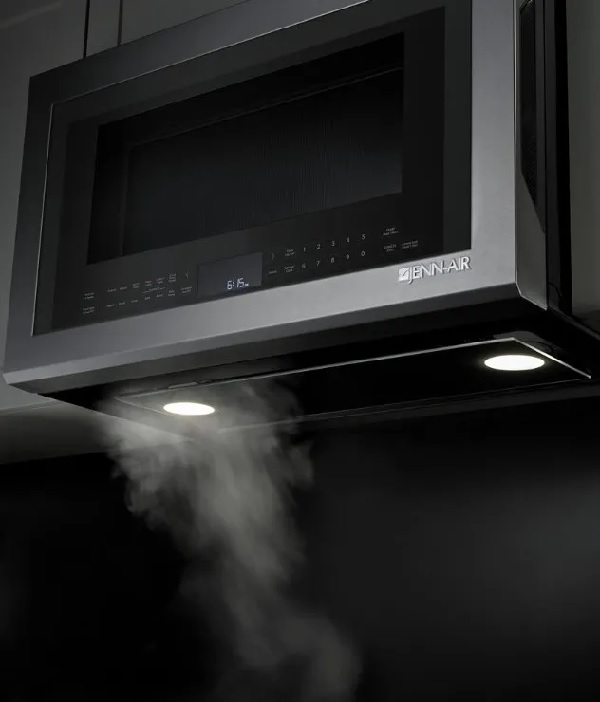
Performance trade-offs: ducted vs ductless
When considering does a over the range microwave need to be vented, weigh pros and cons:
- Ducted (pros)
- Removes steam, smoke, and grease fully.
- Improves air quality and reduces odor return.
- Ducted (cons)
- Higher cost and harder retrofit.
- Requires proper duct runs and sometimes structural changes.
- Ductless (pros)
- Cheaper and easy to install.
- Good for light cooking or rental units.
- Ductless (cons)
- Does not remove moisture or heat.
- Filters must be replaced regularly and still trap less grease.
Pick the type that matches your cooking style and budget.

How to convert recirculating to external venting
Many homeowners ask if they can change a ductless unit to ducted. You usually can, but plan carefully.
Steps to convert:
- Confirm space and route for ductwork.
- Choose the right duct size and materials (rigid metal ducts are best).
- Add a vent hood adapter if needed to connect the microwave to the duct.
- Seal joints and ensure a tight exterior termination to prevent backdrafts.
Expect moderate cost and possible cabinet work. The performance gain is worth it for frequent cooks.
My experience installing and testing vents
I’ve installed both ducted and ductless units in varied kitchens. In one remodel, converting to an external vent stopped frequent smoke alarms and removed lingering fried-food smell. I learned to always check for easy exterior vent paths before buying a unit.
Common mistakes I’ve seen:
- Choosing too small a duct, which chokes airflow.
- Relying on filter-only solutions in a heavy-use kitchen.
- Skipping a backdraft damper, which allows cold air in.
Simple planning saves money and hassle down the road.
Choosing the right over-the-range microwave and tips
Answering does a over the range microwave need to be vented starts with choosing the right model and plan.
Tips for buyers:
- Match vent type to how you cook. External venting for frequent, heavy cooking.
- Check manufacturer specifications for CFM, duct size, and clearance.
- If you must use recirculating mode, budget for charcoal filter replacement.
- Hire a pro for duct runs and code compliance.
A small upfront cost for proper venting gives big long-term benefits.
Frequently Asked Questions of does a over the range microwave need to be vented
Does every over-the-range microwave need an outside vent?
Not every unit legally requires an outside vent, but many building codes and manufacturers recommend it. For heavy cooking, outside venting is the best choice.
Can I use a microwave in recirculating mode forever?
You can, but recirculating mode does not remove moisture or heat, only odors and some grease. It works for light cooking but is not ideal for frequent frying or steamy cooking.
How much does it cost to add an external vent?
Costs vary by home and duct route, but expect moderate to significant expense for new duct runs and installer labor. The price depends on distance, roof or wall penetration, and materials.
Will venting remove smoke from burnt food?
Yes, an external vent will remove most smoke and odors quickly if sized correctly. Recirculating vents reduce odor but may not clear heavy smoke as well.
Do I need a professional to install venting?
For new duct runs and code compliance, hire a licensed professional. DIY is possible for simple rear vents, but errors can lead to poor performance and code issues.
Conclusion
Venting matters. If you cook often, an external vent on your over-the-range microwave improves air quality, removes moisture, and protects your kitchen. Use the guidance here to check codes, choose the right type, and plan installation. Take action: inspect your kitchen, decide whether to convert to external venting, and consult a pro if needed. If this helped, consider sharing your plans or questions in the comments or subscribe for more kitchen upgrade tips.

Appliance Review Expert
Lucas Ramirez is a trusted voice at HomeFixGrid.com, known for his clear, practical, and creatively written guides that simplify appliance care for everyday homeowners. With a strong focus on hands-on testing and real-world problem-solving, Lucas brings expert insight into appliance reviews and troubleshooting techniques. Her work empowers readers to confidently maintain, repair, and choose the right appliances for their homes.