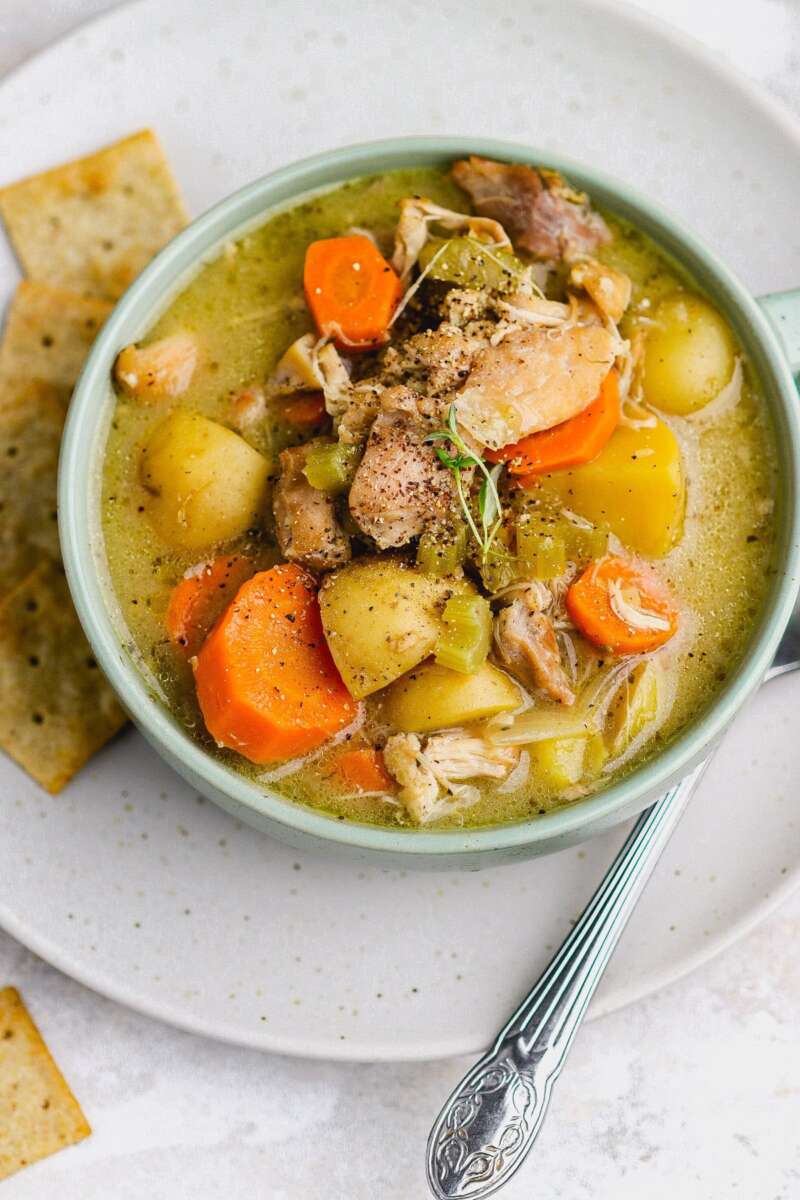
How To Cook Gluten Free Meals In Slow Cooker: Easy Tips
Use fresh gluten free ingredients, smart swaps, and low heat for the best results.
I’ve taught home cooks and fed my own family using slow-cooker gluten-free recipes for years. This guide on how to cook gluten free meals in slow cooker blends tested tips, safe ingredient swaps, and simple recipes so you can make hearty, worry-free dinners with little fuss. Read on to learn clear methods, avoid cross-contact, and build a reliable gluten-free slow-cooker routine.

Why use a slow cooker for gluten-free meals
The slow cooker is ideal when you want hands-off cooking that builds flavor. Learning how to cook gluten free meals in slow cooker saves time and keeps food moist. Low, steady heat breaks down connective tissue in meat and melds flavors in vegetable dishes without adding gluten. This method also works well for batch cooking and meal prep.

Gluten-free ingredients and safe swaps
Use naturally gluten-free whole foods as the base. Focus on fresh vegetables, plain meats, legumes, rice, potatoes, and gluten-free grains like quinoa. When a recipe calls for flour, use a safe binder or thickener. Common swaps:
- Use cornstarch or tapioca starch as thickeners instead of wheat flour. Mix with cold water first.
- Choose tamari or certified gluten-free soy sauce instead of regular soy sauce.
- Buy labeled gluten-free broths and stocks to avoid hidden gluten in additives.
- Replace regular pasta with gluten-free pasta or rice noodles that hold up to slow cooking if added late.
Label reading matters. Look for certified gluten-free logos and read ingredient lists. When in doubt, opt for whole single-ingredient items.
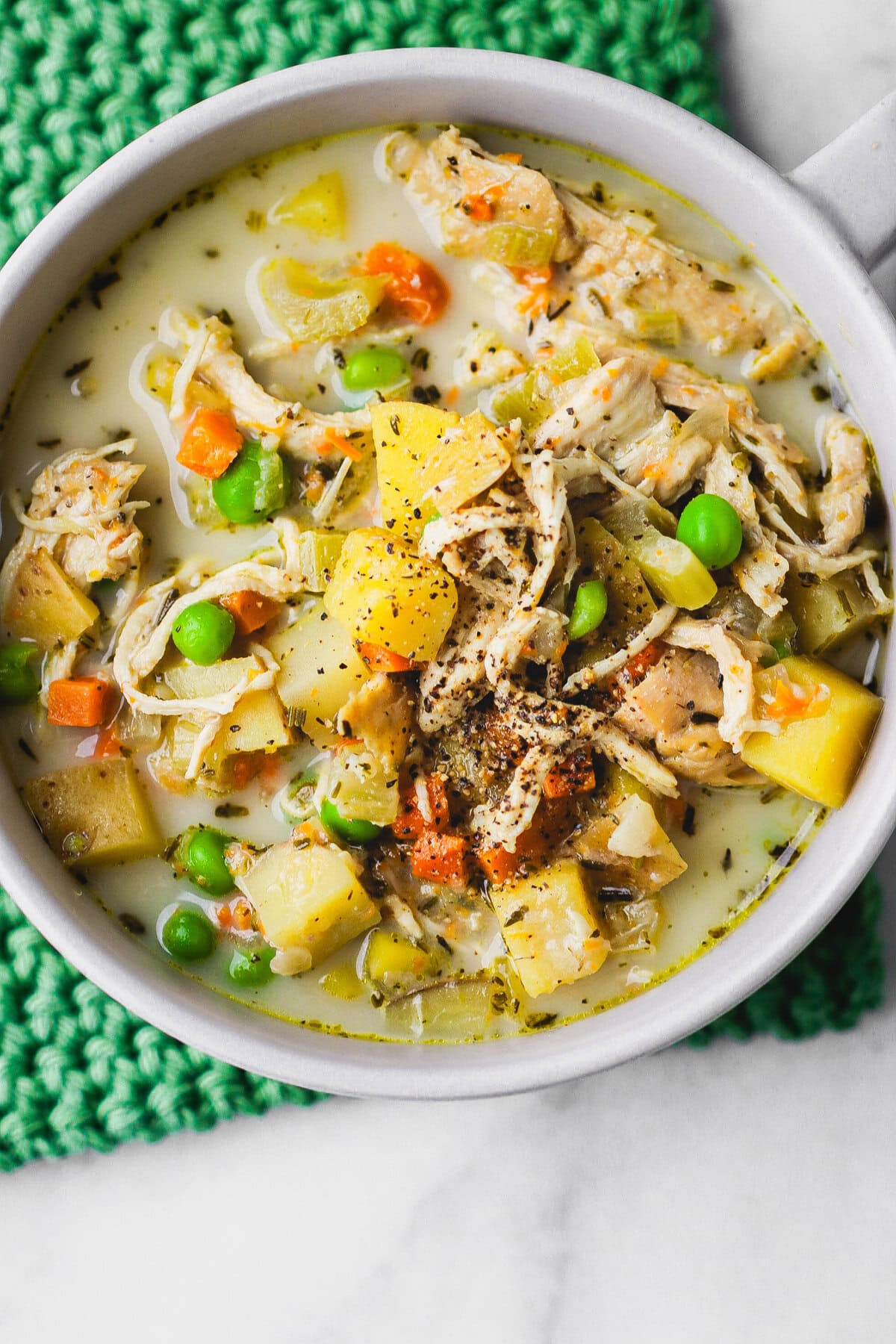
Slow cooker cooking tips and safety to prevent cross-contact
Cross-contact causes most gluten exposure in home kitchens. Treat cross-contact like a major safety step. Clean surfaces and utensils well before cooking. Use dedicated spoons, ladles, and cutting boards for gluten-free meals when possible.
Practical steps:
- Wash the slow cooker pot, lid, and seals thoroughly between uses.
- Store gluten-free ingredients separately in sealed containers.
- Avoid adding pre-made sauces or seasoning mixes unless labeled gluten-free.
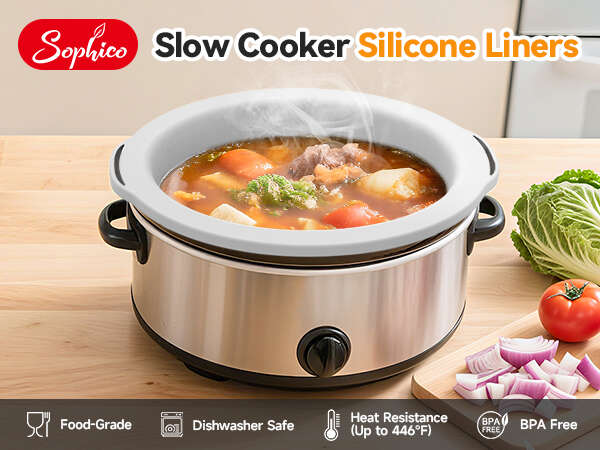
- If you can’t guarantee separate tools, line the insert with a clean slow-cooker liner.
How to cook gluten free meals in slow cooker while keeping food texture good:
- Brown meat first in a pan if you like a crust, then transfer to cooker. Browning adds flavor but is optional.
- Add pasta late in cooking to avoid mush. Add with 20–30 minutes left.
- For thick stews, stir in a cornstarch slurry near the end and cook 10–15 minutes.
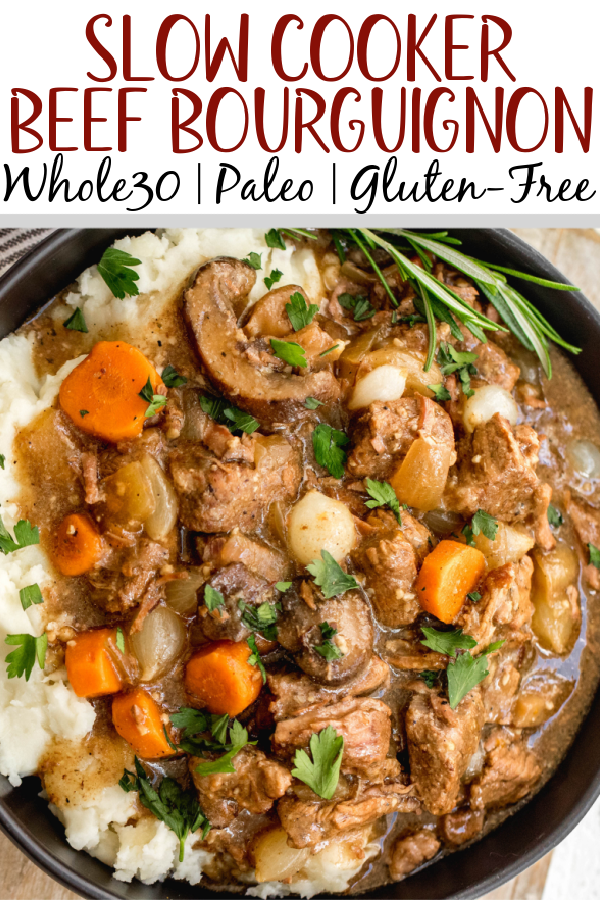
Common quick questions
Can I cook gluten-free grains like rice in the slow cooker?
Yes. Add the correct liquid ratio and time. White rice cooks faster; brown rice needs more time and liquid.
Will gluten-free pasta fall apart in slow cookers?
Many brands will. Add pasta near the end and test texture often. Smaller shapes hold up better.
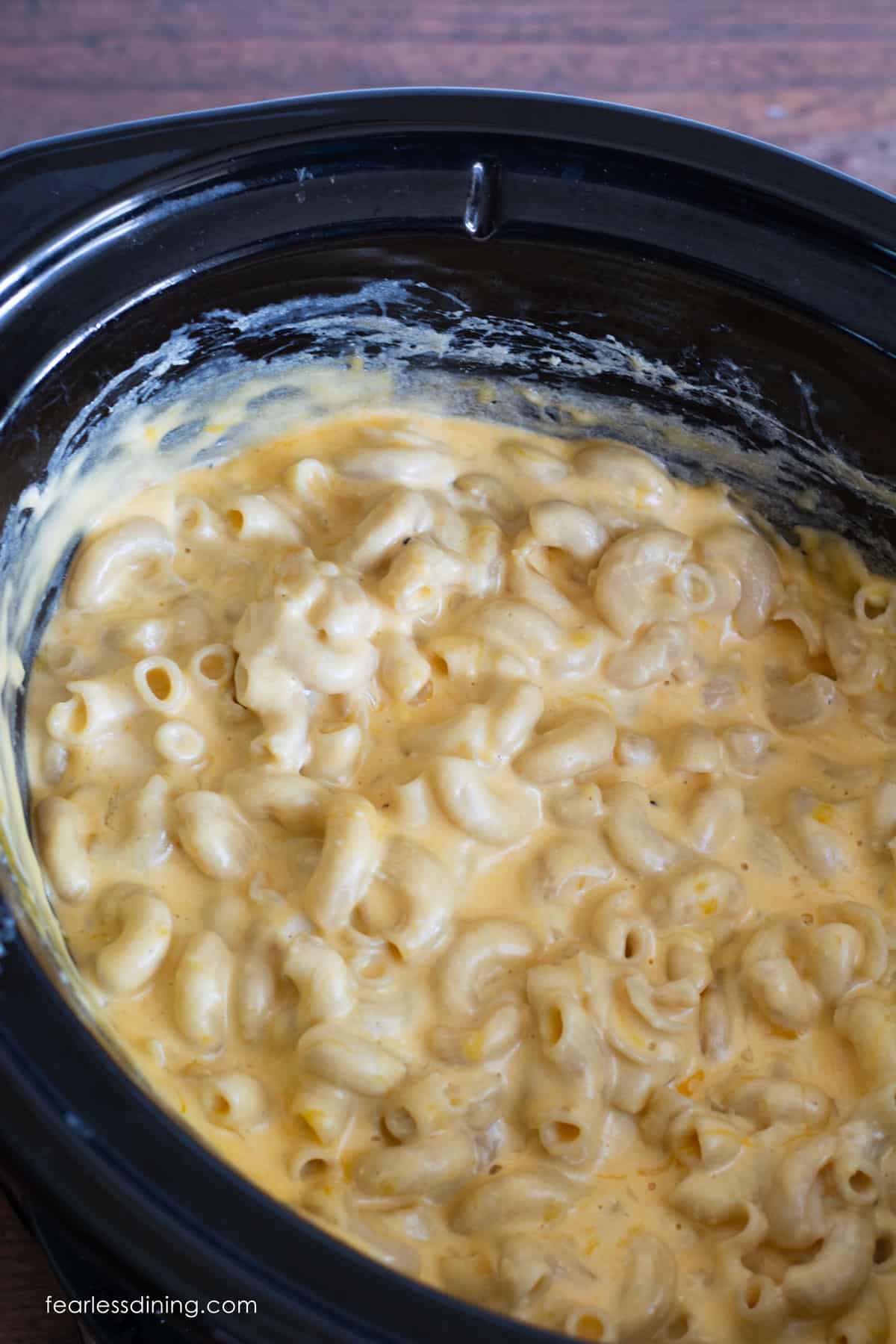
Best gluten-free slow cooker recipes and templates
You don’t need exact recipes to succeed. Use templates to adapt meals to your pantry and tastes. Here are reliable templates for how to cook gluten free meals in slow cooker.
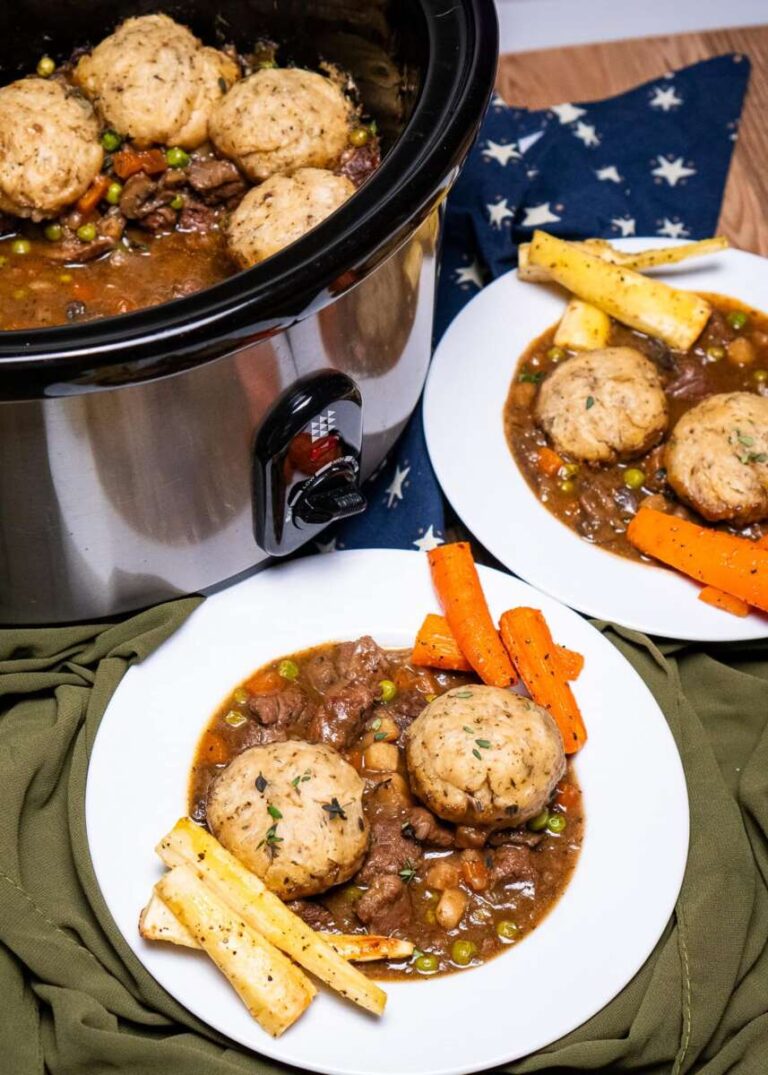
Hearty meat stew template:
- 2 pounds protein (beef, lamb, or chicken)
- 4 cups chopped vegetables
3. 2 cups gluten-free broth - 1 tablespoon tomato paste or chopped tomatoes
- Salt, pepper, and herbs
- Cook low 6–8 hours or high 3–4 hours
Vegetarian chili template:
- 2 cans beans, drained and rinsed
- 1 can diced tomatoes
- 2 cups vegetable broth (gluten-free)
- 2 cups chopped vegetables
- Chili powder, cumin, paprika
- Cook low 4–6 hours
Breakfast oats (gluten-free):
- Use certified gluten-free steel-cut oats
- 4 parts liquid to 1 part oats
- Cook low 6–8 hours, stir before serving
Notes on liquids and timing:
- Use less liquid than stovetop recipes because little evaporates in a slow cooker.
- For how to cook gluten free meals in slow cooker with delicate vegetables, add them in the last hour.
Thickening, texture, and finishing techniques
Slow cooking changes texture. Plan how to finish your dish for the best mouthfeel. Simple finishing techniques:
- Cornstarch slurry: 1 tablespoon cornstarch + 1 tablespoon cold water per cup of liquid, stir in last 10–15 minutes.
- Tapioca starch: adds glossy sheen and chew; use same slurry method.
- Mashed root vegetables: remove some cooked veggies, mash, and stir back to thicken naturally.
- Reduce sauce on the stove: pour into a pan and simmer to concentrate flavors if the slow cooker liquid is thin.
How to cook gluten free meals in slow cooker and keep cream-based sauces from breaking:
- Use full-fat dairy and add near end of cooking.
- Alternatively, use coconut milk or blended soaked cashews for stability.
Equipment and pantry essentials for gluten-free slow-cooking
Set yourself up to succeed with a compact pantry and the right tools. Essentials include:
- A reliable slow cooker with removable insert and tight-fitting lid.
- Slow-cooker liners for easy cleanup and to limit cross-contact.
- Measuring spoons and cups dedicated to gluten-free cooking.
- Gluten-free broth, tamari, canned tomatoes, cornstarch, tapioca starch, and xanthan gum.
- Certified gluten-free oats, pasta, and grain options.
Buying tips:
- Choose brands with clear gluten-free labeling.
- Rotate stock and check expiration dates to ensure best flavor.
Personal experience, lessons, and common mistakes
I learned many lessons cooking how to cook gluten free meals in slow cooker for my family. Early on I used regular spice blends and caused cross-contact. Now I keep a small set of dedicated tools and only use labeled seasonings. I also learned to add pasta late and to test thickening before serving.
Mistakes to avoid:
- Assuming “natural” equals gluten-free. Always read labels.
- Overcooking delicate ingredients. Add them late.
- Skipping a final taste test. Slow cooker food often needs a brightener like lemon or vinegar at the end.
Practical tip: Make a weekly slow-cooker plan. Batch-cook proteins and freeze portions for quick meals. This saves time and reduces the chance of using contaminated convenience foods.
PAA-style short answers
What liquid ratio should I use in a slow cooker?
- Use less liquid than stovetop. Start with 1/2 to 3/4 of the stovetop amount, because little liquid evaporates.
Can I reheat slow-cooker leftovers safely?
- Yes. Reheat to 165°F (74°C) and stir to ensure even heat. Store leftovers in shallow containers in the fridge within two hours.
Is it okay to cook gluten-free pasta in the slow cooker?
- It can work if you add it late. Add pasta 15–30 minutes before serving to avoid mush.
Frequently Asked Questions of how to cook gluten free meals in slow cooker
How do I avoid gluten cross-contact in a shared kitchen?
Clean all surfaces and utensils, use separate cutting boards, and buy labeled gluten-free condiments. If possible, keep dedicated cookware for gluten-free meals.
Can I use pre-made sauces and mixes?
Only use pre-made sauces and mixes that are explicitly labeled gluten-free. Many mixes contain wheat or hidden gluten in additives.
How long should I cook gluten-free grains in a slow cooker?
Times vary by grain. White rice takes 1.5–2 hours on low, brown rice 2.5–3 hours, and quinoa about 1.5–2 hours. Check package instructions and test early.
Are slow cooker liners safe for gluten-free cooking?
Yes, liners help prevent cross-contact and make cleanup easier. Ensure the liner is intact and rated for slow-cooker use.
What are easy weeknight gluten-free slow-cooker meals?
Pulled chicken, beef stew, vegetarian chili, and shredded pork tacos with gluten-free tortillas are quick and reliable. Use simple templates and add finishing touches before serving.
Conclusion
Cooking how to cook gluten free meals in slow cooker is simple with the right habits. Focus on certified ingredients, prevent cross-contact, and use smart finishing techniques. Start with templates, test textures, and build a small dedicated pantry and tool set. Try one gluten-free slow-cooker recipe this week and adjust timing and seasonings to your taste. Share your results or ask a question below to keep learning and improving.

Appliance Review Expert
Lucas Ramirez is a trusted voice at HomeFixGrid.com, known for his clear, practical, and creatively written guides that simplify appliance care for everyday homeowners. With a strong focus on hands-on testing and real-world problem-solving, Lucas brings expert insight into appliance reviews and troubleshooting techniques. Her work empowers readers to confidently maintain, repair, and choose the right appliances for their homes.