How To Prevent Slow Cooker Meals From Drying Edges: 2026 Tips
To prevent slow cooker meals from drying edges, ensure you use enough liquid, avoid overcooking, and keep the lid sealed tight.
I have spent years perfecting the art of the set-it-and-forget-it meal. Early in my cooking journey, I often opened my slow cooker to find a delicious center surrounded by a crusty, overcooked ring of sauce that looked like it had been through a desert storm. It was a common frustration, but I quickly learned that understanding how to prevent slow cooker meals from drying edges is all about managing heat distribution and moisture. Mastering a few simple techniques will turn your weekday dinners from meh to memorable every time you cook.
Why Slow Cooker Edges Dry Out
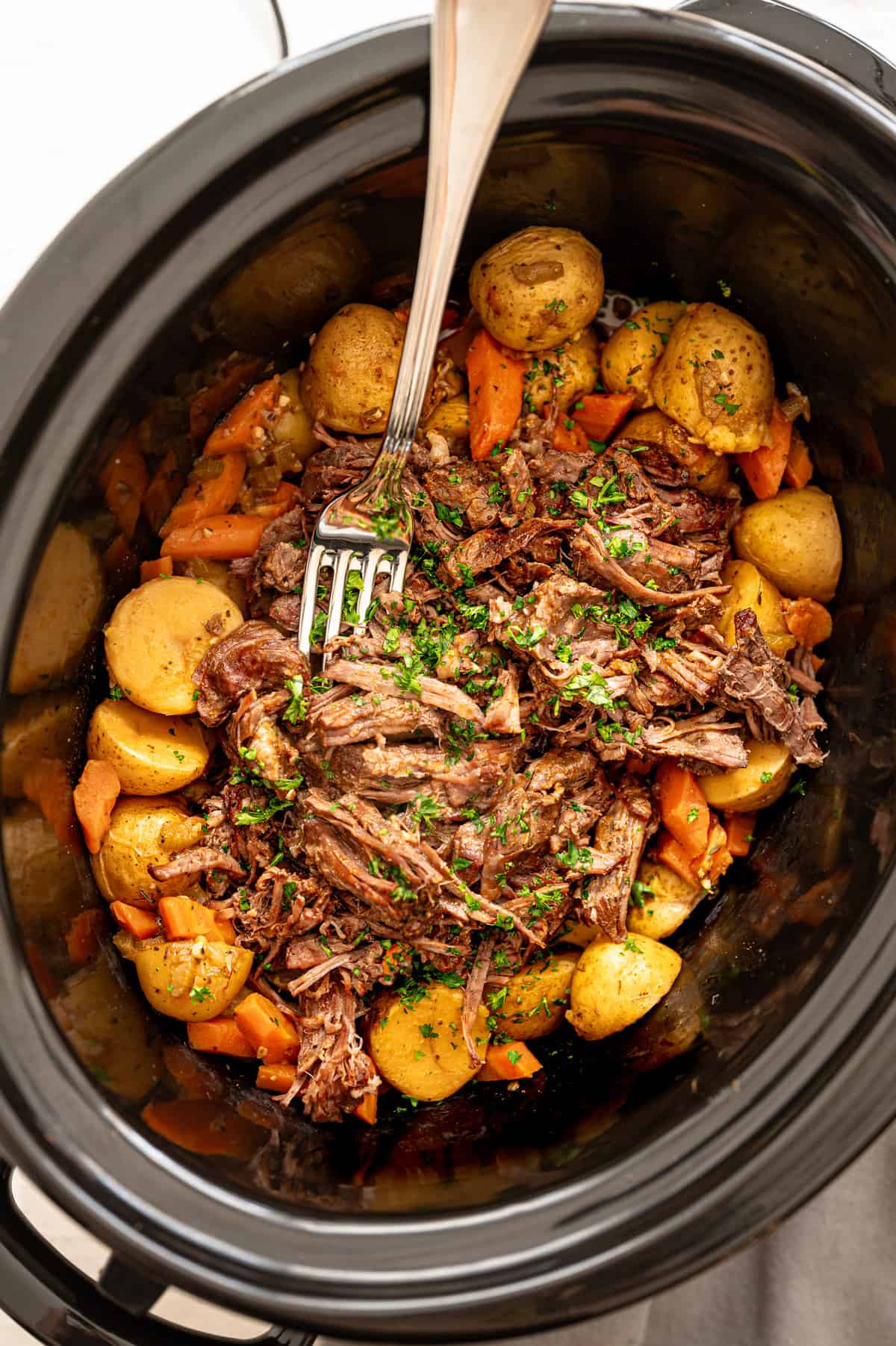
The main reason your food gets a crusty rim is direct, steady heat on the ceramic sides. A slow cooker heats from the pot walls, not from circulating air like an oven. If the cook time is too long or the liquid is low, the edges hit high heat first and stay hot. The sauce then loses water and becomes dry. In short: evaporation wins at the edge.
From my experience, lean meats are most likely to dry out. Without enough liquid, there is not enough steam. The heat then scorches ingredients that touch the pot wall. Learning how to prevent slow cooker meals from drying edges means keeping the pot moist and the temperature even from rim to center.
Common causes at a glance
- Too little liquid for the recipe.
- Cooker too large for the amount of food.
- Lid lifted often, letting steam escape.
- High heat for too long.
- Thin sauces that evaporate quickly.
Practical Tips to Keep Moisture In
You can tweak your method and get juicy results every time. I start by checking the liquid. If a recipe looks like a thick stew, I add a splash of broth or water. That extra liquid makes steam. Steam keeps the temperature even across the pot and protects the edges.
- Use a slow cooker liner to add an extra heat barrier and make cleanup simpler.
- Add water-rich ingredients, like onions, tomatoes, mushrooms, or bell peppers, to the pot base. They release moisture as they cook.
- Pick the right cooker size. A half-empty crock loses moisture fast. Fill the insert at least two-thirds full when possible.
- Keep the lid closed. Each peek lets out steam and drops the pot temperature. That slows an even cook.
- Place dense vegetables (potatoes, carrots) on the bottom. Put tender proteins on top so they cook gently.
- Stir once, if the recipe allows. Stirring halfway helps re-distribute liquid and prevents the edge from stalling.
Best liquids to use and why
Broth, stock, and canned tomatoes are top choices. They add flavor and steam. Water works in a pinch. A splash of wine or beer can add depth. For rich dishes, a little cream or coconut milk added late keeps moisture and flavor. Avoid thin, clear sauces that evaporate fast unless you plan to add more liquid later.
Quick checklist before you start
- Is the insert at least two-thirds full?
- Do you have at least 1/2 to 1 cup of liquid (more for large cooks)?
- Are dense veg on the bottom and protein on top?
- Is the lid tight and seated properly?
- Will you use low and slow rather than high heat?
Managing Cooking Time and Temperature
Many cooks think longer equals better. This is not always true. I once left a roast on high for ten hours. The edges were nearly fossilized. Respect the low setting. Low cooks slow and keeps moisture. High runs hotter and risks drying during long cooks.
If you must leave the house, get a programmable slow cooker. It can switch to a warm mode when the food is done. That stops cooking at the right time. It also cuts the slow dehydration that happens in the last hours of a long cycle.
Low vs. high: a simple rule
Use low for most large cuts (roasts, whole chickens) and long cooks. Use high only when you are short on time. A good rule: 8 hours on low ≈ 4 hours on high. But low keeps meat moister and reduces dry edges.
Using the keep-warm feature
Keep-warm is not the same as cooking. It holds food at a safe temp without overcooking. Use a cooker that auto-switches to warm. That prevents the slow creep of drying at the end of a long cook.
Frequently Asked Questions of how to prevent slow cooker meals from drying edges
Does adding more liquid help prevent drying?
Yes. Extra broth, water, or wine makes more steam. That steam protects edges from dry heat. Add liquid at the start for long cooks. For short cooks, add a splash near the end if needed.
Should I stir my slow cooker meal to keep it moist?
Stirring helps for soups and stews. It moves liquid back to the edges. But skip stirring for big roasts. They need to hold their shape. If you must stir, do it once mid-way.
How does the size of the slow cooker affect drying?
A pot that is too big spreads food thin. Thin layers dry faster. Use a cooker size that fits the meal. Aim for at least two-thirds full for best moisture retention.
Can I fix dry edges after the meal is done?
You cannot fully un-cook dried edges. But you can improve them. Stir in warm broth, a little olive oil, or melted butter. Let the dish sit a few minutes. The liquid softens the crust and blends flavors for better texture.
Does a tight-fitting lid make a difference?
Yes. A heavy or snug lid traps steam. If your lid is loose, place a sheet of aluminum foil over the pot before seating the lid. This helps seal moisture in and keeps the edges from drying.
Should I brown meat first?
Yes, when time allows. Browning adds flavor and texture. It also seals juices so the meat stays moist. But if you skip this step, adjust liquid and use low heat to keep the meat tender.
Are slow cooker liners helpful or harmful?
Slow cooker liners help with cleanup and can reduce direct heat on food touching the pot wall. They are safe to use. Just remember liners can slightly change cook times. Check for doneness a bit earlier if you use one.
What foods are most prone to drying?
Lean cuts (like pork loin or chicken breast), thin sauces, and small, spread-out batches dry fastest. Add fat (butter, oil), broth, or cook on low to protect them.
Conclusion
Keeping slow cooker meals moist is easy once you focus on three things: enough liquid, correct cook time, and a sealed lid. Monitor your liquid levels, avoid needless lid lifts, and choose the right heat setting. These small steps solve most drying problems and give you tender, flavorful meals every time. Start testing these tips tonight. You will notice a big difference in texture and taste. If these tips helped, share this guide with fellow cooks or leave a comment below with your favorite slow cooker trick!

Appliance Review Expert
Lucas Ramirez is a trusted voice at HomeFixGrid.com, known for his clear, practical, and creatively written guides that simplify appliance care for everyday homeowners. With a strong focus on hands-on testing and real-world problem-solving, Lucas brings expert insight into appliance reviews and troubleshooting techniques. Her work empowers readers to confidently maintain, repair, and choose the right appliances for their homes.