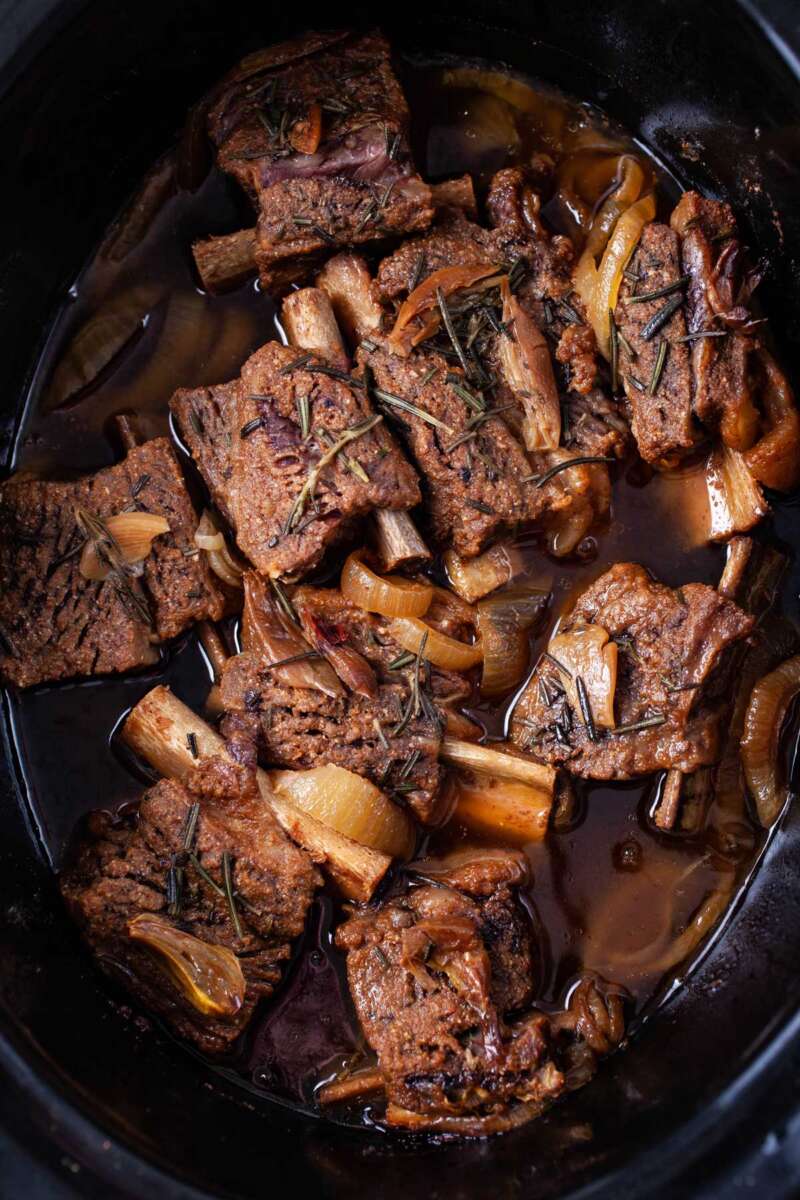
How To Cook Spicy Food Evenly In Slow Cooker: Even Heat
Balance heat, time, and liquid so spices diffuse slowly for an even, well-rounded heat.
I’ve cooked for years and coached home cooks on how to cook spicy food evenly in slow cooker. This guide shows why slow heat changes spice, how to prep, and how to control heat so every bite tastes the same. Read on for clear steps, tested tips, and kitchen-tested examples to make spicy slow-cooker dishes that are balanced every time.
Why even spice matters and what goes wrong
Even spice makes a dish feel composed. Uneven heat can make the first spoon burn and the last taste flat. In a slow cooker, pockets of spice, too much direct chili, or poor layering create hot spots. Temperature, oil, and time all change how capsaicin and aromatics spread. Understanding these parts helps you fix and prevent uneven spice.
Common causes of uneven spice
- Tossing raw chilies in one spot.
- Adding concentrated pastes without dilution.
- Using too little liquid or fat.
- Not stirring at the right time.
How you benefit
- Better texture and flavor in every bite.
- No surprise heat spikes.
- More consistent meals for friends and family.
Understanding how spice behaves in a slow cooker
Capsaicin is oil soluble. That means spice travels in fat more than in water. Spice compounds also mellow with slow, low heat. Heat extracts flavor and moves it through the liquid. But slow cookers trap steam and keep flavors in the pot. If you know these rules, you can control spread and balance.
Key principles
- Fat carries heat. More oil or coconut milk spreads spice.
- Slow heat mellows sharpness. Time reduces bite and blends flavors.
- Acid brightens and balances heat. Lemon, vinegar, or tomato help.
- Salt focuses flavor. Proper salt reduces the need for excess chili.
Practical outcome
Follow these ideas and you can shape the final heat. You can make dishes that are hot but even and pleasant.
Prep and layering techniques for balance
How you add ingredients matters as much as what you add. Prep reduces hot spots. Layering helps spice diffuse slowly.
Prep tips
- Bloom spices in oil first. Heat oil then toast whole spices or fry paste for 30–60 seconds. This releases flavor and prevents raw bite.
- Puree peppers with some liquid. Add as an emulsion instead of raw chunks.
- Use dried chili flakes sparingly at first. They stay stronger than fresh chilies.
- Chop evenly. Small, equal pieces diffuse more uniformly.
Layering method
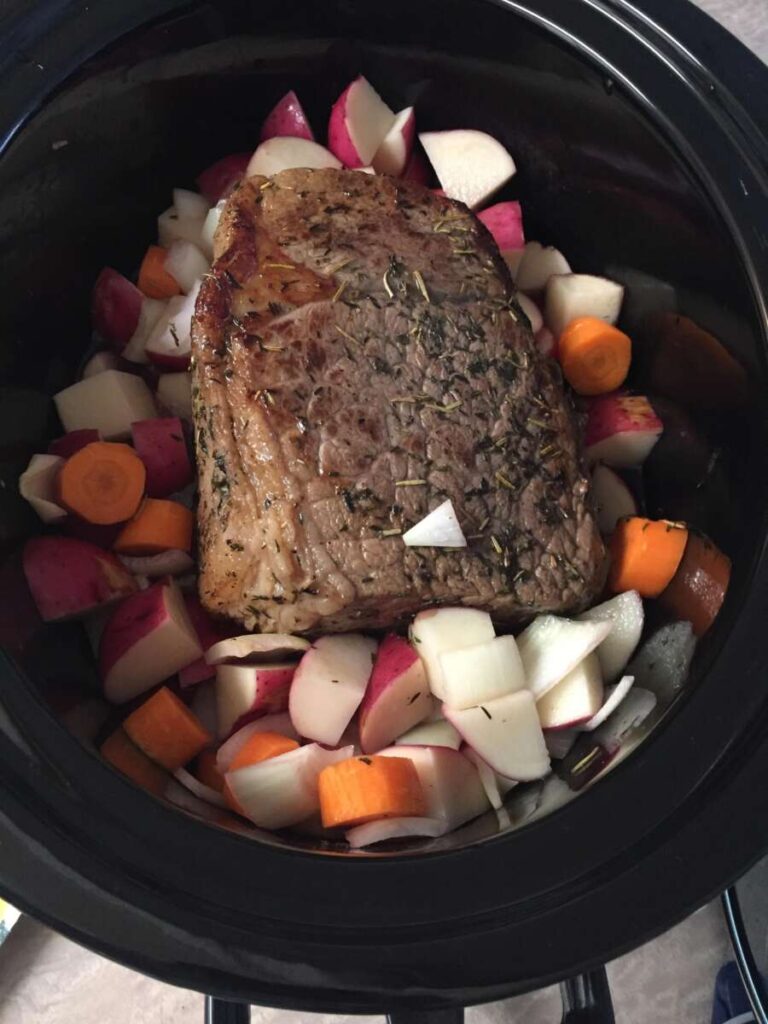
- Put root vegetables on the bottom. They need heat and help spread flavor upward.
- Add protein on top of vegetables. This keeps meat from overcooking at the bottom.
- Spoon diluted chili paste or blended peppers over the protein. This spreads spice across the top layer.
- Pour broth or sauce over everything. The liquid pulls spice down slowly.
I use this layering when I make spicy stews. It stops a single chili from dominating the pot.
Liquid, fat, and timing: the three control knobs
Slow cookers work with low heat. You control how spice disperses with liquid and fat. Time decides how much spice softens.
Liquid choices
- Use broth, coconut milk, crushed tomatoes, or stock. Thin sauces let spice spread faster.
- Start with slightly more liquid than a stovetop recipe calls for. Slow cookers lose less moisture.
- Acidic liquids like tomatoes make flavors brighter and reduce perceived heat.
Fat management
- Add a small amount of oil or butter early to carry spice.
- If a dish becomes too hot, stir in a spoon of cream or coconut milk toward the end. Fat smooths and softens capsaicin.
- Reserve a drizzle of good oil to finish before serving for shine and balance.
Timing tips
- Low setting for 6–8 hours often gives even flavor.
- High setting shortens time but risks uneven extraction.
- For delicate fresh herbs and citrus, add in the last 20–30 minutes.
Apply these knobs together. If you need more even heat, add a bit more liquid and an extra hour on low.
:max_bytes(150000):strip_icc()/Slow-Cooker-Pork-Chile-Verde-FT-RECIPE0126-61f040ca883840b8af73ddbcc3b05467.jpg)
Stirring, testing, and adjusting mid-cook
You don’t have to leave the lid on forever. Small checks help you fix heat before it settles unequally.
When to stir
- Halfway through cook time for long recipes. A gentle stir helps move concentrated spice.
- After adding large amounts of chili paste or peppers.
How to test
- Taste small spoonfuls from different spots near the top and bottom.
- Note salt and heat levels separately.
- Adjust in small steps.
Adjustments that work
- To reduce heat: add dairy, oil, potato, or sugar. Simmer 15–30 minutes after adding.
- To boost even heat: dissolve more chili in warm broth and stir into the pot.
- To fix bitter or sharp notes: a splash of acid or sweetener brings balance.
Personal tip: I always taste two zones before final seasoning. It prevents over-correcting.
Practical recipes and real examples
Here are three tested approaches that show how to cook spicy food evenly in slow cooker.
Example 1 — Spicy beef chili
- Bloom cumin and smoked paprika in oil on the stovetop.
- Brown beef briefly with onion.
- Blend one roasted poblano and one chipotle with 1/2 cup broth. Stir into meat.
- Layer beans and veggies, pour remaining liquid, cook on low 7 hours.
Result: A smooth, even heat with no pockets of burning spice.
Example 2 — Coconut curry chicken
- Fry ginger, garlic, and green chili in 2 tablespoons oil.
- Add curry paste and fry 30 seconds.
- Add chicken, coconut milk, and vegetables. Stir to combine.
- Cook on low 4–5 hours, add lime juice last 20 minutes.
Result: Spice carried in coconut fat spreads evenly and softens with time.
Example 3 — Vegetarian red pepper stew
- Roast red peppers and blend with tomato and olive oil.
- Layer root vegetables, lentils, and pepper sauce.
- Add broth and simmer low for 6 hours.
Result: The blended sauce prevents crunchy pepper bites and gives a uniform heat.
Common mistakes and how to avoid them
Mistakes happen. Knowing them saves time and keeps dinner on track.
Mistake 1: Dumping raw chilies on top
- Fix: Blend them or scatter evenly. Add in the middle, not one pile.
Mistake 2: Using too much dry chili powder
- Fix: Start light. Add more late if needed.
Mistake 3: Ignoring fat
- Fix: Use some oil or coconut milk to help spices move.
Mistake 4: Not tasting zones
- Fix: Taste top and bottom before final seasoning.
I once made a hot stew and left a whole jalapeño in one corner. The first ladle burned our tongues. I learned to split chilies and mix them in.

Troubleshooting heat problems quickly
If your dish is too spicy
- Add dairy like yogurt or sour cream if the sauce suits it.
- Stir in coconut milk or a splash of cream.
- Add a peeled potato briefly; it can absorb some heat (remove before serving).
- Add sugar or a mild sweet component to balance perception.
If heat is uneven
- Stir gently and simmer an extra hour on low.
- Add a diluted chili solution and mix.
- Blend a portion of the pot and return it to homogenize the sauce.
If flavor is flat after taming heat
- Lift brightness with acid: lime, lemon, or vinegar.
- Re-check salt. Often a pinch of salt revives flavor balance.
How to cook spicy food evenly in slow cooker — expert checklist
Use this checklist before you close the lid.
- Bloom spices in fat on stovetop.
- Puree or dilute strong chilies.
- Layer ingredients: root veg, protein, sauce.
- Use enough liquid to move spice.
- Cook low and slow when possible.
- Stir once or twice mid-cook.
- Taste from top and bottom before final tweaks.
I follow this checklist for potlucks. It rarely fails. Guests get steady heat from first to last serving.
Frequently Asked Questions of how to cook spicy food evenly in slow cooker
How long should I cook spicy dishes in a slow cooker for even heat?
Cook low for a longer time. Typically 6–8 hours on low gives steady diffusion and mellows sharp edges.
Can I add raw chilies at the start and still get even heat?
You can, but chop or puree them so they spread. Whole chilies can create pockets of intense heat.
What neutralizers work best if my dish is too spicy?
Dairy, fat, acid, and a bit of sugar help. Coconut milk and yogurt are common, effective options.
Should I stir a slow cooker dish to make spice even?
Yes, stir once or twice depending on cook time. A mid-cook stir helps distribute spice without heat loss.
Is it better to bloom spices on the stove before slow cooking?
Yes. Blooming releases oils and reduces raw flavors, making the final heat smoother and more even.
Conclusion
You can master how to cook spicy food evenly in slow cooker with simple techniques. Bloom spices, layer wisely, use the right fat and liquid, and taste from different spots. Small checks and tiny adjustments keep heat balanced and enjoyable.
Try one of the example recipes. Tweak using the checklist and note what works for your cooker. If you liked this guide, leave a comment, share your slow-cooker wins, or subscribe for more practical recipes and tips.

Appliance Review Expert
Lucas Ramirez is a trusted voice at HomeFixGrid.com, known for his clear, practical, and creatively written guides that simplify appliance care for everyday homeowners. With a strong focus on hands-on testing and real-world problem-solving, Lucas brings expert insight into appliance reviews and troubleshooting techniques. Her work empowers readers to confidently maintain, repair, and choose the right appliances for their homes.