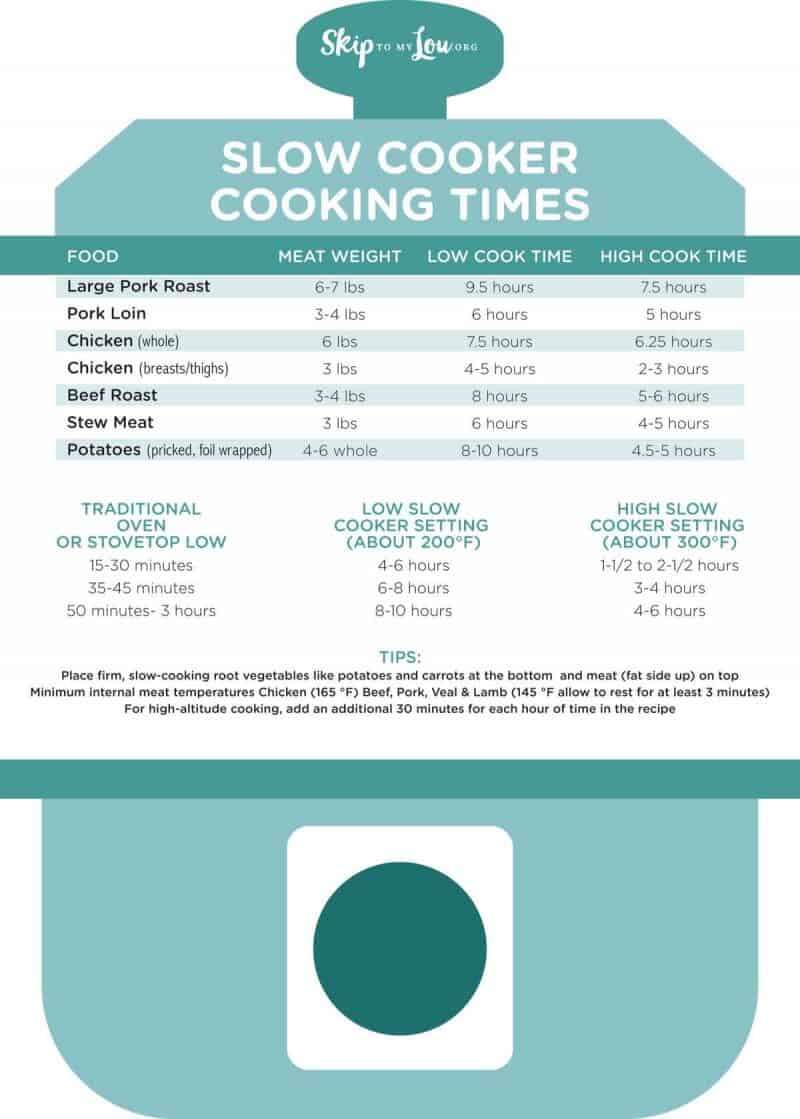
Slow Cooker Cooking Time Guide For Different Meats: Quick
Most meats cook on low 6–10 hours or on high 3–5 hours in a slow cooker.
I’ve spent years testing slow cooker recipes and timing methods in home kitchens and small catering setups. This slow cooker cooking time guide for different meats pulls together simple rules, reliable times, and real-world tips so you can cook safely and get great texture every time. Read on to learn exact hours, temperature targets, and fixes for common problems.

Why timing matters in a slow cooker
Timing affects texture, safety, and flavor. Too short a time leaves meat tough or unsafe. Too long can dry out lean cuts. This slow cooker cooking time guide for different meats helps you pick the right hours for each cut.
Slow cooker basics: settings, heat, and vessel
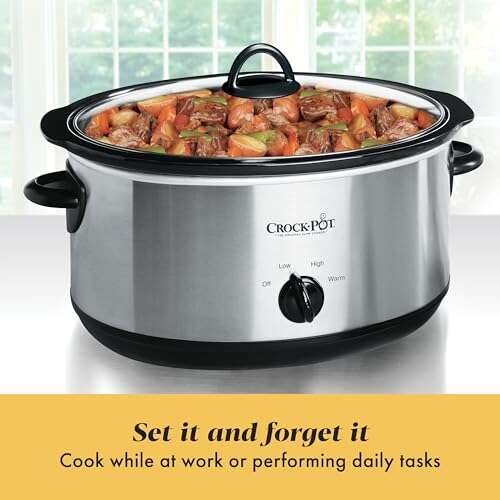
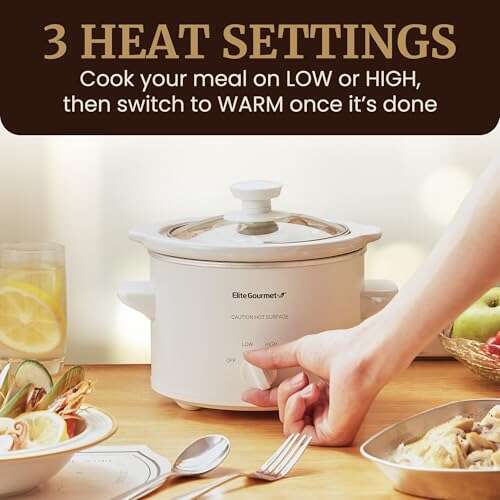
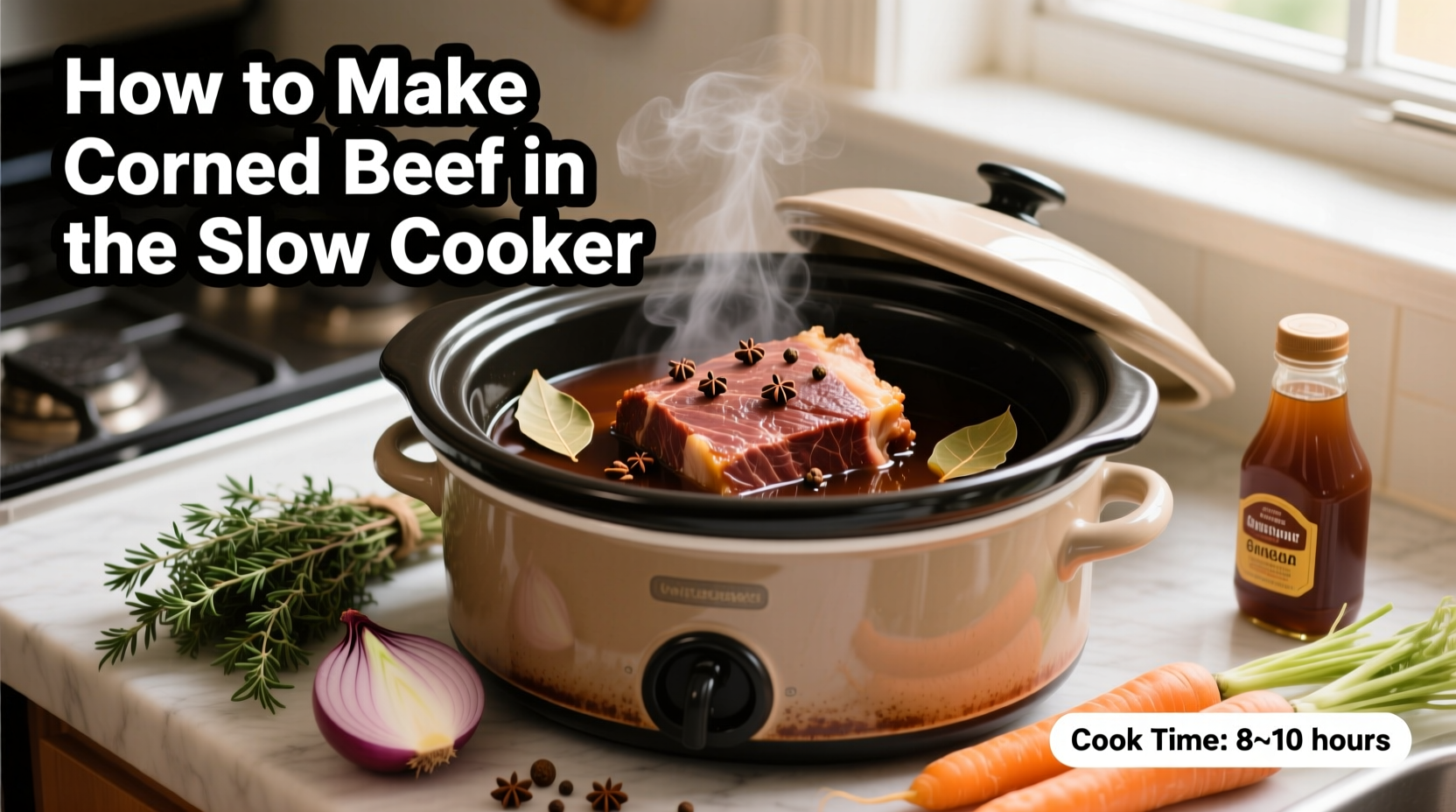
Most slow cookers have Low and High. Low equals about 190°F (88°C) and High about 300°F (149°C). The cooker reaches safe temps slowly, so start with frozen meat only when time and temperature permit. Use a tight-fitting lid and avoid lifting it during cooking to keep heat steady. This slow cooker cooking time guide for different meats explains why those minutes matter.
Slow cooker cooking time guide for different meats
Below are practical times, internal temp targets, and short tips for common cuts. Times are approximate. Use a probe thermometer to confirm doneness.
Beef
Beef responds well to long, slow heat. Tough cuts become tender when collagen breaks down.
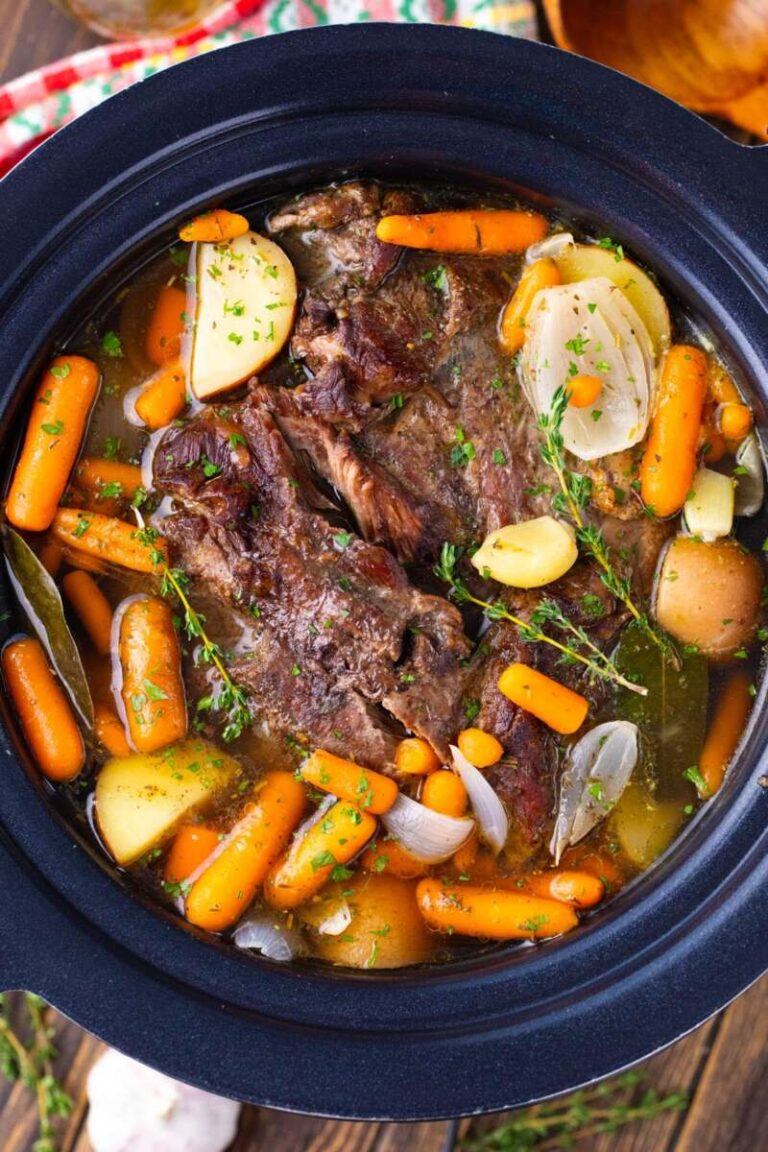
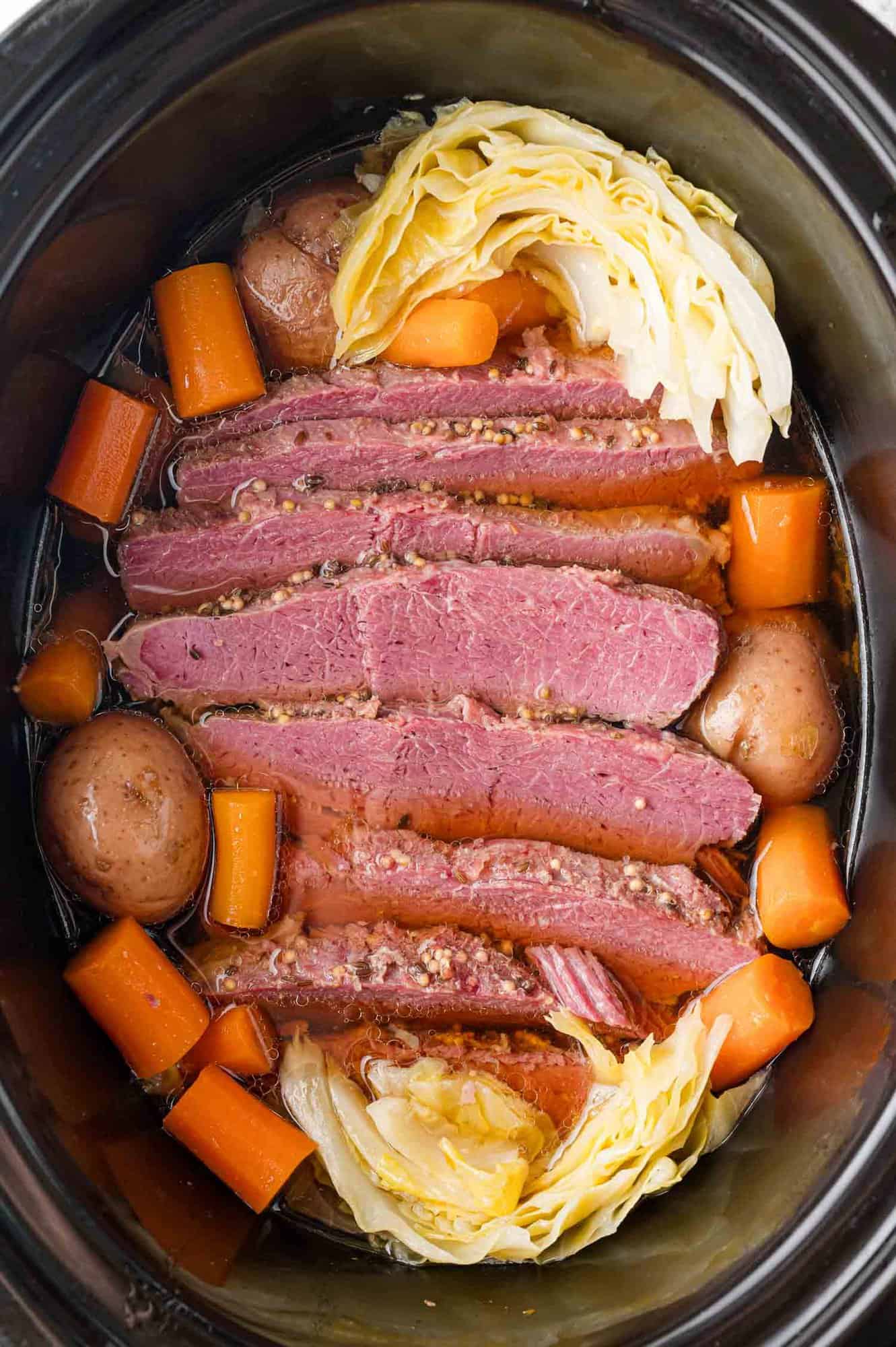
• Chuck roast: Low 8–10 hours, High 4–6 hours; finish to 195°F–205°F for shredding.
• Brisket: Low 8–10 hours, High 5–7 hours; aim 195°F for pull-apart texture.
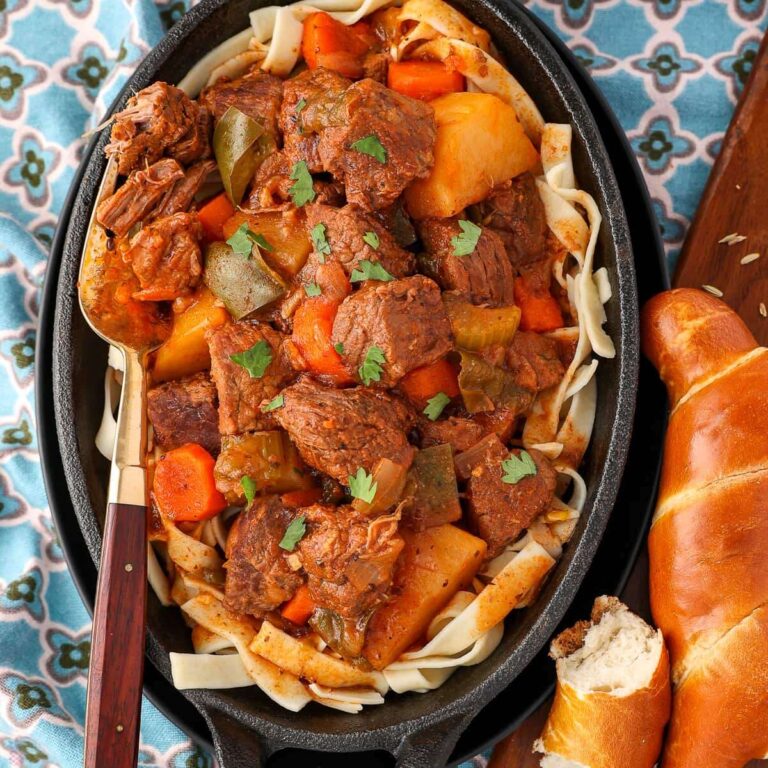
• Stew meat: Low 7–8 hours, High 3–4 hours; 190°F–200°F makes it fork-tender.
I learned to sear chuck first. It adds flavor and helps the sauce taste deeper without extra time. This slow cooker cooking time guide for different meats includes searing tips that save flavor.
Pork
Pork shoulder loves long times. Lean cuts need less time to avoid dryness.
• Pork shoulder (butt): Low 8–10 hours, High 4–6 hours; 195°F–205°F for shredding.
• Pork loin: Low 3–4 hours, High 1.5–2.5 hours; 145°F is safe for juicy loins.
• Ribs: Low 6–8 hours, High 3–4 hours; finish under broiler for bark.
A common mistake is overcooking pork loin. I once cooked a loin on Low 8 hours and it dried out. Follow the shorter times in this slow cooker cooking time guide for different meats for lean cuts.
Chicken
Chicken cooks faster than red meat. Dark meat tolerates longer times than breasts.
• Whole chicken: Low 4–6 hours, High 2–3 hours; 165°F in the thickest part.
• Boneless breasts: Low 2.5–4 hours, High 1.5–2.5 hours; remove at 165°F to avoid dryness.
• Thighs (bone-in): Low 4–6 hours, High 2–3 hours; 175°F–185°F yields tender meat.
I often add breasts late in recipes. That keeps them moist. This slow cooker cooking time guide for different meats helps plan staging like that.
Turkey
Turkey needs even heating and checks for doneness.
• Turkey breast: Low 4–6 hours, High 2.5–3.5 hours; 165°F internal temp.
• Small whole turkey (7–10 lb): Low 6–8 hours, High 3–5 hours; use a thermometer at the breast and thigh.
Avoid stuffing in a slow cooker. It cooks unevenly and raises risk. This slow cooker cooking time guide for different meats favors separate stuffing.
Lamb
Lamb shoulder and shanks do best slow and low.
• Lamb shoulder: Low 8–10 hours, High 4–6 hours; 195°F for shredding.
• Leg of lamb (bone-in, small): Low 6–8 hours, High 3–4 hours; 160°F–175°F depending on desired doneness.
Lamb fat adds flavor. Trim sparingly to keep juiciness. This slow cooker cooking time guide for different meats covers fat retention.
Fish and seafood
Fish is delicate and cooks fast. Use cautious timing.
• Fish fillets: High 20–60 minutes depending on thickness; low rarely needed.
• Shellfish: 30–60 minutes on Low or High for stews; watch closely to avoid rubbery texture.
I prefer to add fish near the end of a stew. It stays tender and tastes fresh. This slow cooker cooking time guide for different meats includes seafood timing notes.
Adjusting times for size, thawing, and altitude
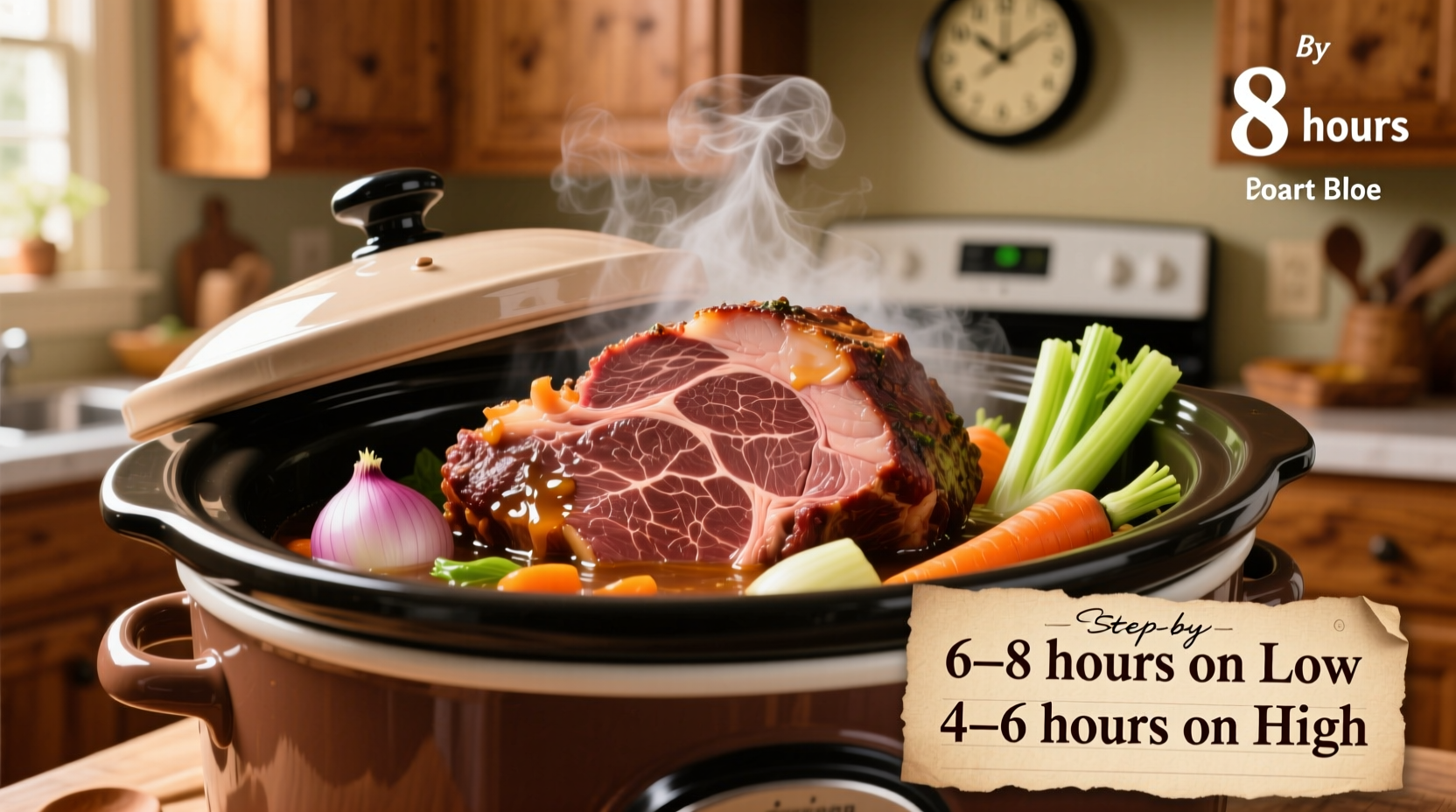
Size and state matter. Adjust hours based on weight and whether meat is thawed.
• Thawed meat: Cook to times above. Frozen meat adds hours and may keep cooker in the danger zone too long.
• Larger roasts: Add 1–2 hours on Low per extra pound for dense roasts.
• High altitude: Expect up to 15% longer times because water boils at lower temps.
Always use a thermometer. This slow cooker cooking time guide for different meats assumes meat is thawed unless noted.
Safety, internal temps, and food handling
Safety is simple: hit safe internal temps and cool leftovers fast.
• Use a probe thermometer to check temp at the thickest point.
• Target 145°F for pork and whole cuts (rest 3 minutes), 165°F for poultry, 190°F–205°F for shreddable beef/pork.
• Refrigerate leftovers within two hours in shallow containers.
I test temps every time. It prevents guesswork. This slow cooker cooking time guide for different meats emphasizes thermometer use.
Tips and troubleshooting for perfect results
Small moves fix big issues. Use these quick tips.
• Brown meat first: Adds flavor and color without extra time in the slow cooker.
• Layer wisely: Root veg on bottom, meat on top to avoid overcooking potatoes.
• Add dairy late: Milk or cream can split if cooked too long.
• Too watery: Remove lid and cook on High to reduce liquid, or thicken with a slurry.
• Meat still tough: Extend Low time by 1–2 hours and test again for collagen breakdown.
These tips come from trial and error in my kitchen. This slow cooker cooking time guide for different meats helps you avoid common blunders.

Personal mistakes and lessons learned
I once ruined a pork loin by leaving it on Low all day. It was dry but taught me to track cut type and time. Now I note the cut, start time, and lid behavior. That small habit saves meals and stress. This slow cooker cooking time guide for different meats reflects those real lessons.
Frequently Asked Questions of slow cooker cooking time guide for different meats
What is the safest way to cook frozen meat in a slow cooker?
Cooking frozen meat in a slow cooker is not recommended unless the cooker reaches safe heat quickly. Thaw first when possible to ensure the center reaches a safe temp without long danger-zone time.
How do I know when meat is done without a thermometer?
You can test for tenderness with a fork, but a thermometer is the only reliable method for safety. For shreddable cuts, fork-tender and easy pull-apart are good signs.
Can I cook multiple meats together in one slow cooker?
Yes, but choose cuts with similar times and textures. Stagger addition of quick-cooking items like breasts or fish so they don't overcook.
Why did my vegetables turn mushy while meat was perfect?
Root vegetables cook slower than soft veggies. Place root veg on the bottom or par-cook meatless soft veg and add later. That keeps veg from falling apart.
Should I open the lid to stir or check progress?
Avoid opening the lid often. Each lift drops heat and adds 15–30 minutes to cooking time. Check only when necessary and replace lid quickly.
Is it safe to leave a slow cooker on all day when I’m at work?
Yes, modern slow cookers are designed for long unattended use when on the correct settings and placed on a stable surface. Still, follow manufacturer guidelines and avoid placing near flammable materials.
Conclusion
This slow cooker cooking time guide for different meats gives clear hours, temps, and fixes to help you cook with confidence. Use a thermometer, know your cut, and adjust time for size or altitude. Try one new timing tip this week and note the results. If this guide helped, subscribe for more recipes and tips, or leave a comment with your slow cooker questions.

Appliance Review Expert
Lucas Ramirez is a trusted voice at HomeFixGrid.com, known for his clear, practical, and creatively written guides that simplify appliance care for everyday homeowners. With a strong focus on hands-on testing and real-world problem-solving, Lucas brings expert insight into appliance reviews and troubleshooting techniques. Her work empowers readers to confidently maintain, repair, and choose the right appliances for their homes.