How To Dispose Of Broken Microwave Oven: Safe Tips
Recycle, donate, or take to a hazardous-waste program—never dump a broken microwave in regular trash.
I’ve handled hundreds of small appliances and written guides for homeowners and renters. If you want clear steps on how to dispose of broken microwave oven safely, legally, and cheaply, you’re in the right place. This article walks through why proper disposal matters, how to assess your unit, local and national options, how to prepare the microwave, and real-world tips from my experience. Read on to learn practical, step-by-step advice that makes disposing a broken microwave oven easy and stress-free.

Why proper disposal of a broken microwave oven matters
Improper disposal can harm people, property, and the planet. Microwaves contain metals, electronics, and small amounts of hazardous materials. Tossing one in regular trash can lead to leaks, fires, or illegal dumping. It can also violate local rules and result in fines.
Knowing how to dispose of broken microwave oven saves money. It protects waste workers and reduces landfill waste. It also helps recover parts and materials through recycling.
Assess the microwave: repairable, recyclable, or trash?
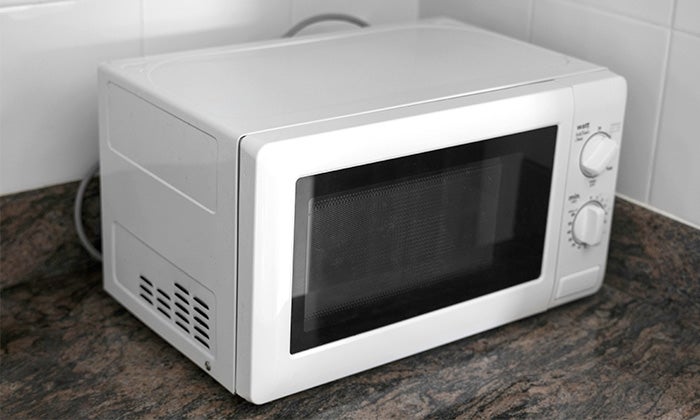
First, check if the unit can be fixed. A simple fuse or door switch is often cheap to replace. If it powers on but sparks, stop using it. Sparking may mean serious electrical faults.
Ask these quick questions:
• Does it heat food at all?
• Is the turntable and door intact?
• Are there burn smells or visible damage?
• Is repair cost under half the price of a new unit?
If repair is feasible, that’s the best option. If not, decide whether it is recyclable or needs special handling. Knowing this helps you choose how to dispose of broken microwave oven properly.

Safe steps to prepare a broken microwave oven for disposal
Turn off and unplug the microwave. Let it cool. Remove all food and debris. Wear gloves. Microwaves can have sharp metal edges.
Remove batteries, if any. Take out the glass tray and return to recyclable glass if accepted. Tape the door closed and mark the item as “broken.” This helps handlers know it is not for resale.
If you plan to transport it, secure it in a box or on a dolly. Keep children and pets away during handling. Preparing the unit makes recycling and disposal easier and safer.
Main options for how to dispose of broken microwave oven
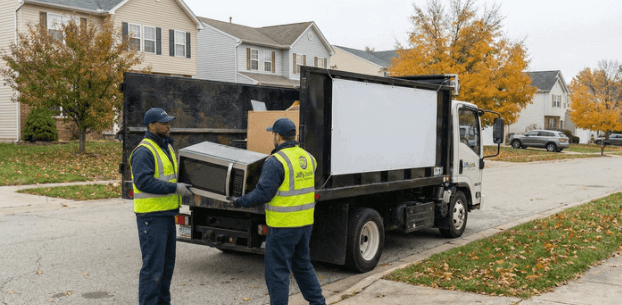
Municipal bulk pickup
• Many cities offer curbside pickup for large items.
• Check rules: some require scheduling or stickers.
• This is usually low-cost or free.
Electronics recycling centers
• Take the microwave to an e-waste drop-off.
• These centers recycle metal, glass, and electronic parts.
• They follow safety rules for hazardous materials.
Retail take-back and trade-in programs
• Some stores take old appliances when you buy a new one.
• Big-box retailers may offer recycling for a small fee.
• This is convenient when replacing the unit.
Hazardous waste collection events
• Microwaves with PCBs or other hazards may go here.
• Events are run by counties or waste authorities.
• They accept items not allowed in regular recycling.
Donate for parts or salvage
• If partly working, local repair shops or hobbyists may take it.
• Post online as “for parts” to avoid false expectations.
• This extends the life of components and reduces waste.
Licensed appliance recyclers
• They dismantle units and reclaim metals and plastics.
• Often the most eco-friendly route.
• May charge a fee but offer proper disposal.
Landfill as last resort
• Only if none of the above are available.
• Confirm the landfill accepts microwaves.
• Secure and label the unit to prevent hazards.
These paths cover most situations for how to dispose of broken microwave oven. Choose the safest and most local option first.
Costs, incentives, and legal points
Costs vary widely. Many municipal programs are free. Retailers may charge $10–$40. Private recyclers can be $20–$60.
Some places offer incentives or rebates for recycling small appliances. Manufacturers and retailers may run trade-in deals. Always ask if there’s a fee or a free option.
Legally, many regions consider microwaves e-waste. Throwing one into mixed trash can be illegal. Check local laws or call your waste authority. Knowing the rules helps you avoid fines and do the right thing.
What parts are recyclable and what to avoid
Recyclable parts
• Metal casing and screws.
• Copper wiring and motors.
• Glass turntable in many centers.
Parts that need special handling
• Capacitors and electronics.
• Insulating materials and circuit boards.
• Any sign of leaking fluids.
Do not remove shielded parts without training. High-voltage capacitors can hold charge even when unplugged. Leave complex disassembly to professionals.

Personal experience: lessons from a truckload of microwaves
I once helped run a community clean-up day. We collected over 40 microwaves. Many were simply dirty or had small fixes. A few had smashed doors or burned components.
Lesson 1: Ask before hauling. Many people assumed old microwaves were trash. They didn’t know about free drop-offs.
Lesson 2: Label clearly. Marking units as “for parts” saved time.
Lesson 3: Hire pros for big jobs. Dismantling is messy and can be dangerous.
These real examples show why planning helps. They also show that most microwaves can be diverted from landfills.
:max_bytes(150000):strip_icc()/SPR-how-to-dispose-of-a-microwave-7556576-ab072b6ec3f64b8fa14237b0b29e6349.jpg)
Quick PAA-style questions (People Also Ask)
Can I put a microwave in the regular trash?
• Often no. Many areas classify microwaves as e-waste and ban them from regular trash. Check your local rules.
How do I know if my microwave is recyclable?
• Contact your local recycler or waste authority. If it contains typical metals and electronics, it’s likely recyclable.
Is it safe to remove parts before recycling?
• Do not remove electronics or capacitors yourself. These can be dangerous. Remove only trays and batteries.
Will a retailer pick up my broken microwave?
• Some retailers do with purchase of a new unit or for a fee. Ask the store about take-back programs.
What documents do I need for bulk pickup?
• Usually none. Some services require a pickup request or a sticker. Check your city’s guidelines.

How to choose the best option for your situation
If the microwave is repairable, repair it. If not, go local:
• Search municipal e-waste programs first.
• Check retailers when buying a new unit.
• Use licensed recyclers for older or damaged units.
Weigh cost, convenience, and environmental impact. When in doubt, contact your waste authority. They give the most accurate guidance for your area.
Safety checklist before disposal
• Unplug and disconnect power.
• Wear gloves and safety glasses.
• Remove glass tray and loose parts.
• Tape the door shut and label “broken.”
• Keep unit upright during transport.
Following these simple steps reduces risk and speeds up processing.
Frequently Asked Questions of how to dispose of broken microwave oven
Can I recycle a microwave at the curb?
Many cities allow curbside pickup for large items but require scheduling. Check local rules before leaving the microwave out.
Is it okay to donate a microwave that’s broken?
Only donate if clearly labeled “for parts” and the receiver accepts such items. Most donation centers only take working appliances.
Who pays to recycle a microwave?
Costs vary. Municipal programs may be free, retailers can charge a fee, and private recyclers often charge. Always ask first.
How do I safely move a broken microwave?
Wear gloves, secure the unit in a box or on a dolly, and keep the door taped. Ask for help for heavy lifts to avoid injury.
Can I get money for an old microwave?
Rarely. You may get small amounts for scrap metal from recyclers. Most microwaves have low resale value unless vintage or specialty.
Conclusion
Disposing of a broken microwave oven the right way protects people and the planet. Start by assessing repair options. Then pick the safest disposal route—municipal pickup, recycler, retail take-back, or hazardous-waste event. Prepare the unit, follow safety steps, and check local rules to avoid fines. Small, simple actions add up to a big environmental win. Take one step today: contact your local waste authority or schedule a drop-off and give your broken microwave oven a safe, legal end-of-life. Share your experience below or subscribe for more practical recycling guides.

Appliance Review Expert
Lucas Ramirez is a trusted voice at HomeFixGrid.com, known for his clear, practical, and creatively written guides that simplify appliance care for everyday homeowners. With a strong focus on hands-on testing and real-world problem-solving, Lucas brings expert insight into appliance reviews and troubleshooting techniques. Her work empowers readers to confidently maintain, repair, and choose the right appliances for their homes.