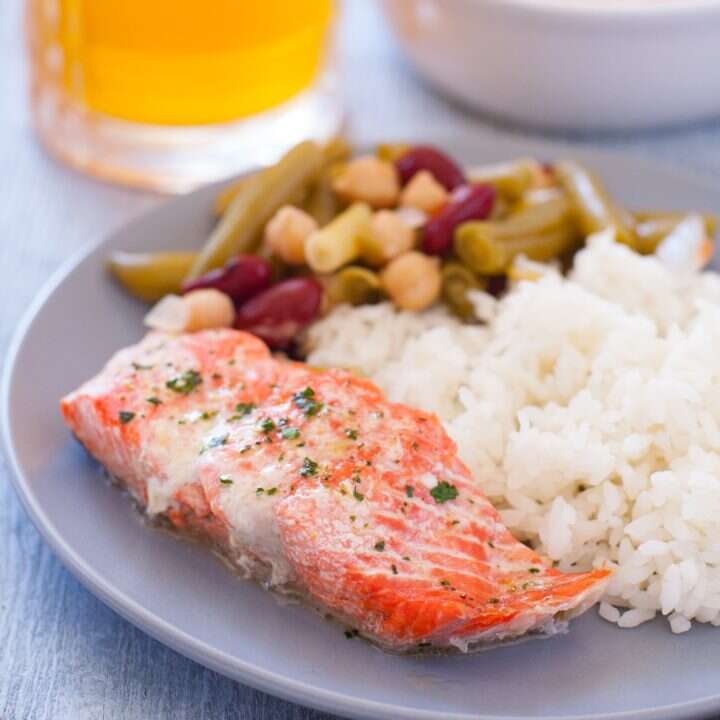
How To Make Salmon In Microwave: Quick Flaky Results
Cook a perfectly tender salmon fillet in the microwave in just minutes with simple steps.
I’ve cooked thousands of weeknight dinners, and I can show you exactly how to make salmon in microwave so it tastes fresh, moist, and restaurant-worthy. I’ll walk you through ingredients, microwave timing by wattage, safety checks, flavor options, and troubleshooting—based on tested methods and food-safety guidance—so you can cook salmon in the microwave with confidence every time. Read on for clear steps, pro tips, and quick variations that make this fast method a go-to for busy cooks.

Why cook salmon in the microwave?
Microwaving salmon saves time and reduces cleanup while keeping healthy oils intact. It’s a quick, low-effort way to get protein on the table without heating an oven or firing up a grill.
Cooking salmon in the microwave works especially well when you:
- Need dinner in under 10 minutes.
- Want moist, evenly cooked fish with little fuss.
- Are cooking one or two fillets, or reheating leftovers.
Microwave cooking won’t brown the top like a broiler, but that’s a trade-off for speed and tenderness. If you want a crisp finish, a quick broil after microwaving works well.
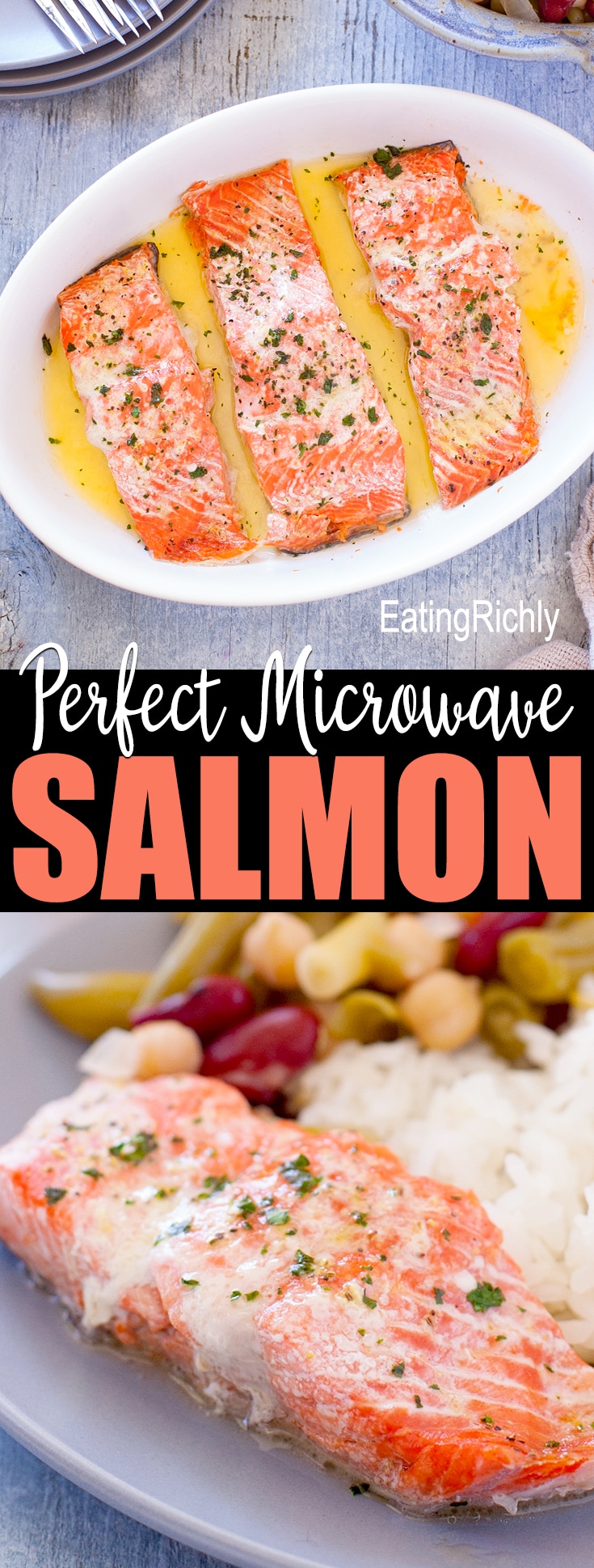
Ingredients and tools
Ingredients are simple. You likely already have everything you need to make salmon in microwave.
- Salmon fillets: 4–8 ounces each, skin on or off.
- Salt and pepper to taste.
- Olive oil or a pat of butter for richness.
- Lemon slices or a squeeze of lemon juice for brightness.
- Optional herbs: dill, parsley, or chives.
- Optional sauce: soy sauce, honey mustard, or garlic butter.
Tools:
- Microwave-safe dish with a lid or microwave-safe plate and plastic wrap.
- Instant-read thermometer for accuracy.
- Paper towel for drying fillets.
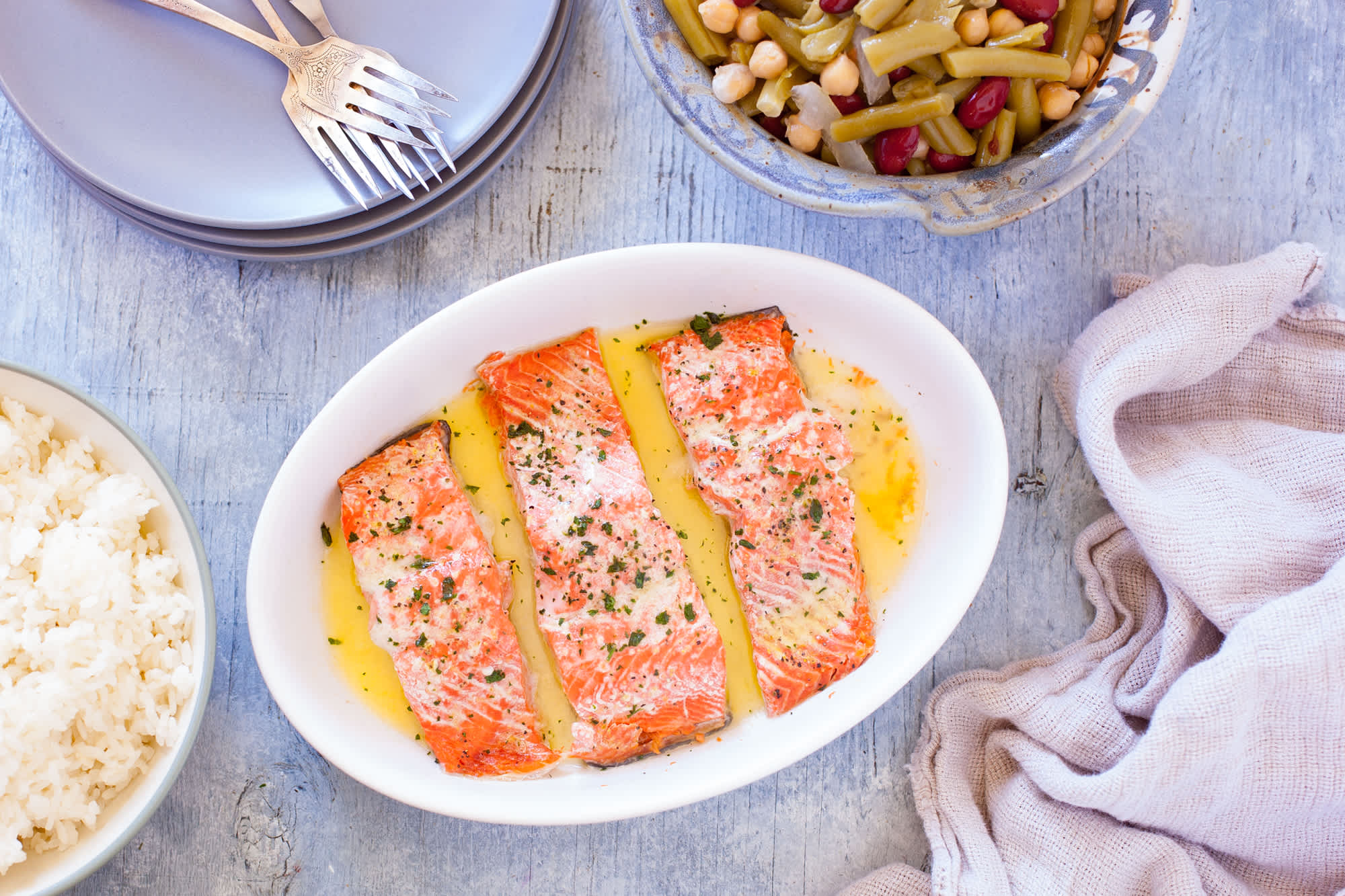
Step-by-step: how to make salmon in microwave
Follow these simple steps to cook salmon in microwave that stays tender.
- Prepare the fillet
- Pat salmon dry with a paper towel. Dry fish cooks more evenly.
- Lightly season both sides with salt and pepper.
- Drizzle a little olive oil or add a half-tablespoon of butter on top.
- Add a lemon slice or a sprinkle of herbs if desired.
- Arrange in a dish
- Place fillet skin-side down in a microwave-safe dish.
- If cooking two small fillets, leave a small gap between them.
- Cover with a microwave-safe lid or wrap loosely with microwave-safe plastic wrap. Vent one corner.
- Cook on medium power
- Set microwave to 50%–70% power (medium). Lower power helps prevent overcooking.
- Use the timing guide below (based on wattage).
- Start with the lower time and check doneness early.
- Check for doneness
- Remove cover carefully to avoid steam burns.
- Salmon is done when it flakes easily with a fork and the center is opaque.
- For safety, aim for an internal temperature of 145°F (63°C) at the thickest part. If you prefer slightly less cooked salmon, 125°F–130°F yields medium-rare texture, but follow safe cooking standards for vulnerable eaters.
- Rest and serve
- Let the salmon rest covered for 1–2 minutes to finish cooking from carryover heat.
- Squeeze fresh lemon and add herbs or sauce before serving.
This method shows you how to make salmon in microwave quickly while preserving texture and flavor.
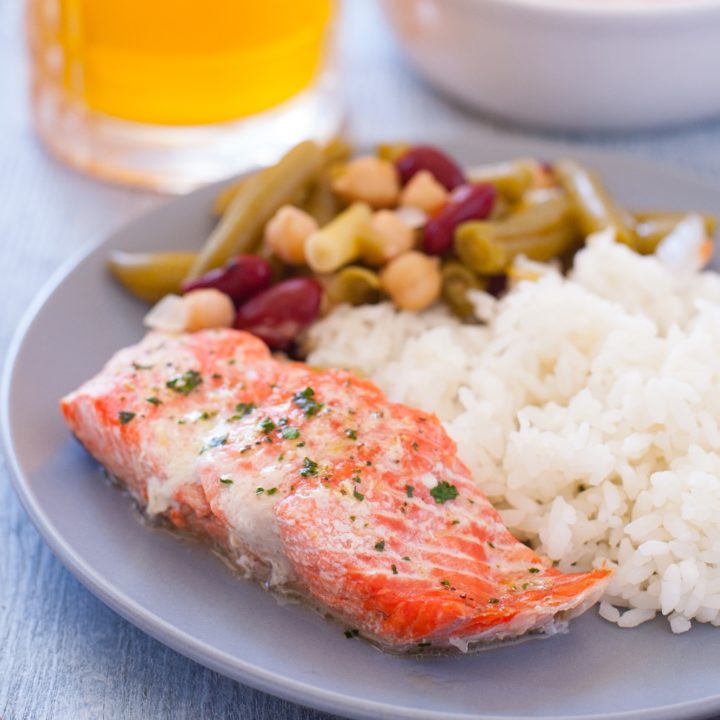
Microwave timing and wattage guide
Microwave wattage matters. Use the table below as a starting point and adjust based on your microwave and fillet thickness.
- 1000 watts: 3–4 minutes per 4–6 oz fillet at 60% power.
- 800 watts: 4–5 minutes per 4–6 oz fillet at 60% power.
- 600 watts: 5–6 minutes per 4–6 oz fillet at 60% power.
Tips:
- Thicker fillets need extra 30–60 seconds. Always check early.
- If cooking two fillets, add about 30–60 seconds to the total time.
- If your microwave has preset “fish” mode, use it as a guide but verify with an instant-read thermometer.
How to use the timing guide: start at the low end, test, then add time in 15–30 second bursts until done. This approach reduces the risk of drying out the salmon.
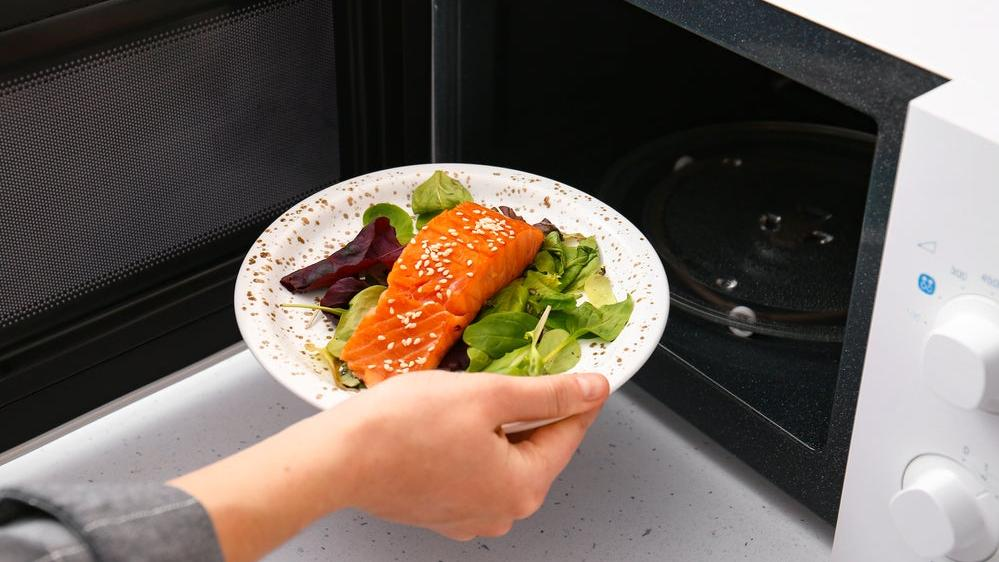
Flavor variations and quick sauces
Making salmon in microwave doesn’t limit flavor. Try these simple options.
- Lemon herb: lemon slices, dill, and a drizzle of olive oil.
- Garlic butter: melted butter mixed with minced garlic and parsley.
- Asian glaze: soy sauce, honey, and a little grated ginger.
- Mediterranean: olive oil, oregano, cherry tomatoes added around the fillet.
For saucy finishes, spoon warmed sauce over the cooked salmon. If you like a seared look, briefly sear the cooked fillet in a hot skillet for 30–45 seconds per side after microwaving.
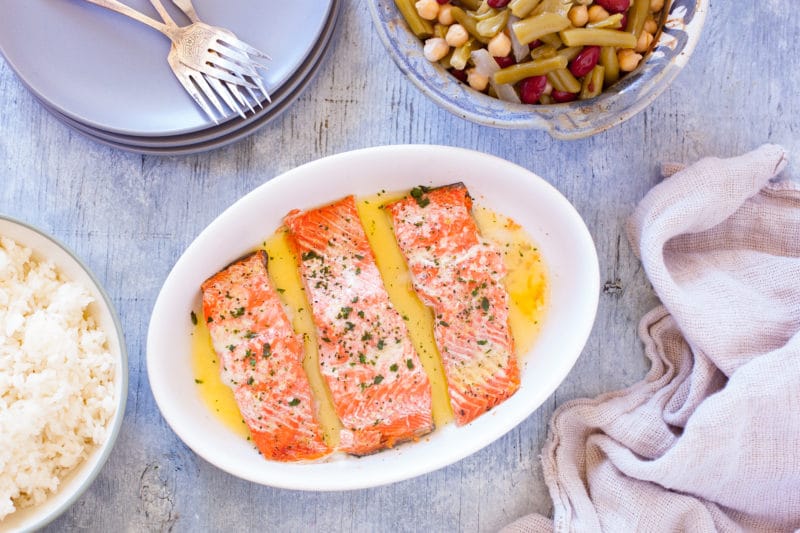
Troubleshooting and tips from experience
From my tests and real dinners, here are common issues and how to fix them when you make salmon in microwave.
-
Rubbery texture
- Cause: Overcooking at high power.
- Fix: Cook at 50%–70% power, check early, and use carryover heat.
-
Soggy edges
- Cause: Too much cover or excess liquid in the dish.
- Fix: Pat fillet dry before cooking and vent the cover.
-
Undercooked center
- Cause: Fillet too thick or not enough time.
- Fix: Increase time in short bursts and check internal temperature.
-
Lack of browning
- Cause: Microwaves don’t brown.
- Fix: Quick pan-sear or broil for 30–60 seconds after microwaving.
My personal tip: when in doubt, remove the fillet a tad early and let it rest covered for two minutes. That small wait preserves moisture and finishes cooking gently.

Safety, storage, and reheating
Food safety matters when you make salmon in microwave.
Safety:
- The USDA recommends cooking fish to 145°F (63°C). Use an instant-read thermometer at the thickest part.
- Keep raw salmon refrigerated and cook within 1–2 days of purchase unless frozen.
Storage:
- Store cooked salmon in an airtight container in the fridge for up to 3 days.
- Freeze cooked salmon for up to 2 months; thaw in fridge before reheating.
Reheating:
- Reheat in the microwave at 50% power for short intervals (20–30 seconds) until warm.
- Cover the fillet to keep moisture and avoid overheating, which dries the fish.

PAA-style questions (short answers)
Q: Can you cook frozen salmon in the microwave?
A: Yes, you can. Thicker frozen fillets need longer time; defrost on 50% power first, then finish at 60% power until done.
Q: Is microwave-cooked salmon healthy?
A: Yes. Microwaving preserves omega-3 fats and uses little added fat, making it a healthy cooking method.
Q: Will microwaving salmon remove its flavor?
A: No. Proper seasoning and a short rest keep flavor intact. Add fresh lemon or herbs to boost brightness.
Frequently Asked Questions of how to make salmon in microwave
How long should I microwave a 6-ounce salmon fillet?
Start at 3 minutes on 60% power for a 6-ounce fillet in a 1000-watt microwave, then check and add 15–30 second bursts until done.
Can I cook salmon with the skin on in the microwave?
Yes. Cook skin-side down. The skin helps protect the flesh and can be removed after cooking if you don’t want it.
Is it safe to microwave salmon to medium-rare?
For most healthy adults, some prefer salmon around 125°F for texture, but official guidance recommends 145°F for safety, especially for vulnerable people.
Do I need to cover salmon while microwaving?
Yes. Covering traps steam and helps cook evenly, but vent the cover to prevent pressure build-up.
Can I use aluminum foil or metal in the microwave?
No. Never use foil or metal in the microwave. Use microwave-safe glass or ceramic dishes and microwave-safe covers.
Will microwaving remove omega-3 from salmon?
No. Microwaving preserves omega-3 fats well because it cooks quickly and uses minimal added fat.
Conclusion
You now have a clear, tested way to make salmon in microwave that is fast, safe, and flavorful. Use medium power, cover the fillet, check internal temperature, and rest briefly for best results. Try different seasonings and quick sauces to keep meals fresh and interesting. Give it a test run tonight—start with a small fillet, follow the timing guide, and leave a note about how it turned out or any flavor twists you loved.

Appliance Review Expert
Lucas Ramirez is a trusted voice at HomeFixGrid.com, known for his clear, practical, and creatively written guides that simplify appliance care for everyday homeowners. With a strong focus on hands-on testing and real-world problem-solving, Lucas brings expert insight into appliance reviews and troubleshooting techniques. Her work empowers readers to confidently maintain, repair, and choose the right appliances for their homes.