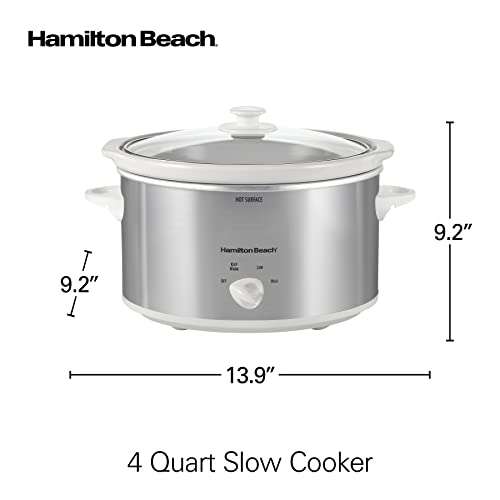

How To Prevent Slow Cooker Meals From Becoming Salty: Tips
Use low-sodium ingredients, delay adding salt, and taste often while cooking.
I’ve cooked hundreds of slow cooker meals and taught others to cook simple, reliable dishes. In this guide I’ll explain how to prevent slow cooker meals from becoming salty, why salt concentrates in long cooks, and step-by-step fixes you can use right now. Expect clear tips, real-life examples from my kitchen, and practical swaps so your slow cooker meals stay balanced every time.
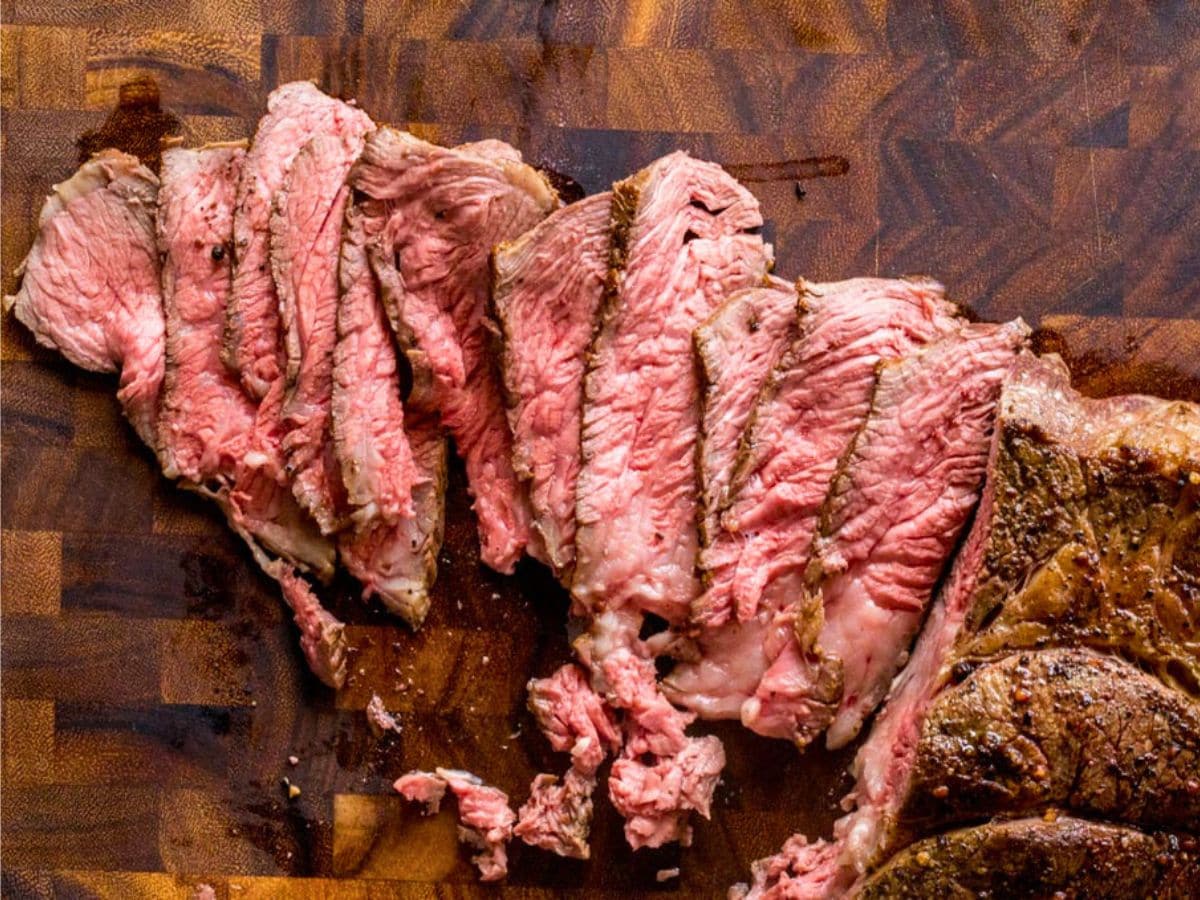
Why slow cooker dishes can end up too salty
Slow cookers concentrate flavors as liquid reduces. That makes salt taste stronger over time. Small amounts of added salt early in the cook can become overpowering by the time the dish is done.
Other common causes include salty packaged ingredients and not tasting during cooking. Cured meats, broths, canned beans, and certain spice mixes often add more sodium than you expect. Learning how to prevent slow cooker meals from becoming salty starts with spotting these hidden sources.
Common salty ingredients to watch
Recognizing high-sodium items helps you plan. Swap or reduce them before they ruin a full pot.
- Broths and stocks
Use low-sodium or unsalted broth to avoid excess salt. Many store-bought broths have most of the dish’s sodium. - Canned tomatoes and beans
Rinse canned beans and choose no-salt-added tomatoes when possible to cut sodium. - Processed meats and cheeses
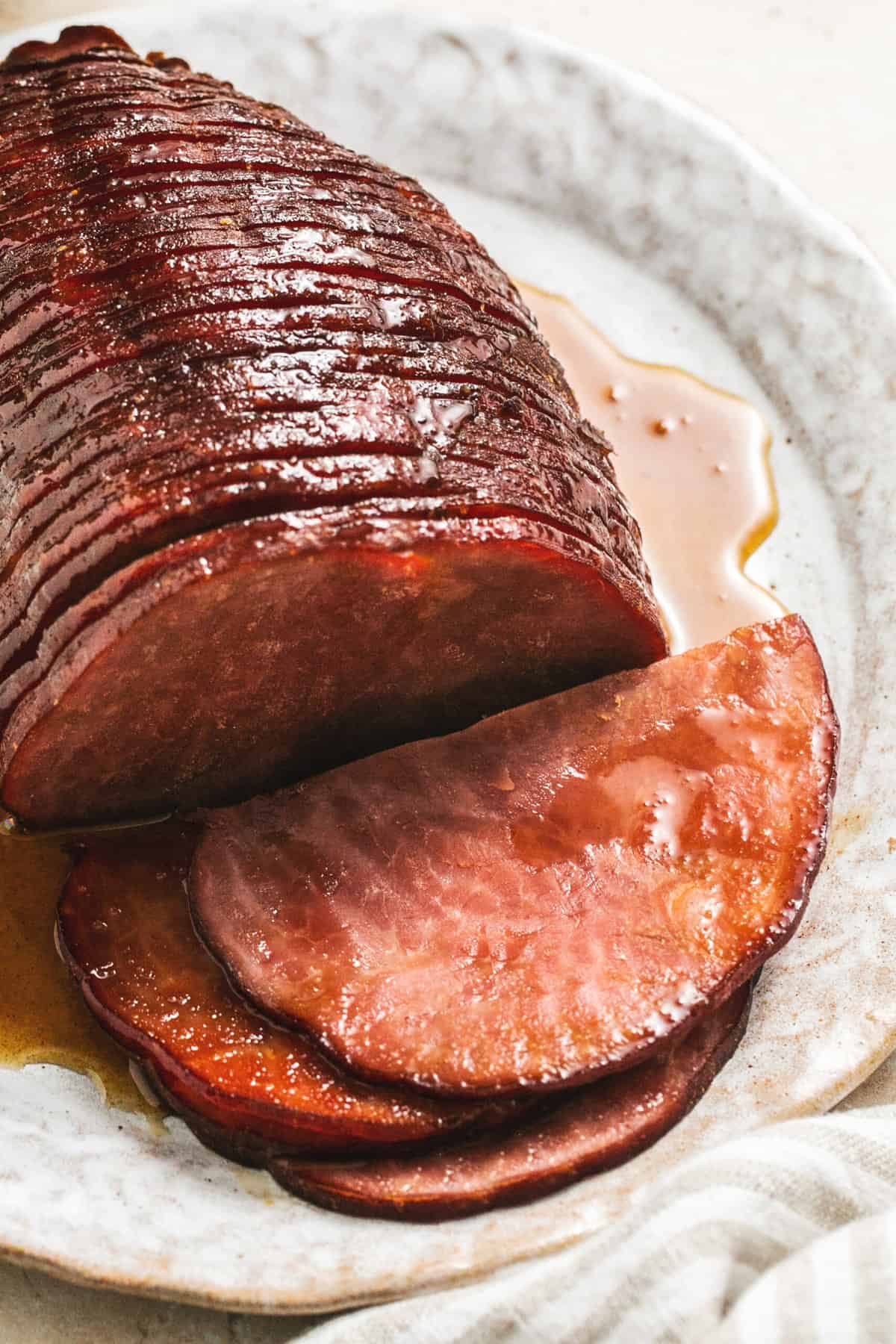
Bacon, ham, sausage, and aged cheeses concentrate salt fast. Use lean cuts or add them late. - Seasoning blends and bouillon cubes
Pre-mixed seasoning mixes can hide lots of salt. Measure and substitute with herbs when you can. - Soy sauce, teriyaki, and condiments
Use low-sodium versions or small amounts and balance with acid or sweetness.
How to prevent slow cooker meals from becoming salty begins with swapping these items or reducing their amounts.
:max_bytes(150000):strip_icc()/MS-1151561-slow-baked-salmon-and-cherry-tomatoes-hero-3x2-706b16651c2a43978842d562d0df2281.jpg)
Practical techniques to keep salt in check
Apply these habits every time you cook in a slow cooker. They are simple and effective.
- Start with low-sodium bases
Use water, unsalted stock, or homemade low-sodium broth as your liquid. - Add salty ingredients late
Add cured meats, soy sauce, and salty cheese in the last 20–30 minutes to keep salt bright but not dominant. - Season lightly at the start
Use a fraction of the usual salt early, then taste near the end and adjust. - Use herbs, acid, and aromatics for flavor
Lemon juice, vinegar, fresh herbs, garlic, and onions add depth without salt. - Dilute when necessary
If a recipe allows, add more low-sodium liquid, vegetables, or cooked grains to spread out saltiness. - Keep salt in measured form
Use measuring spoons and write down salt amounts for repeatable results.
Following these steps will dramatically lower the chance that slow cooker meals become too salty. Practice makes this second nature.
:max_bytes(150000):strip_icc()/20260219-SEA-Slow-Cooker-Salsa-Verde-Chicken-Tacos-Lorena-Masso-STEP3-c3792477320c4aba8925dc6dbffadde4.jpg)
How to adjust salt while cooking
Tasting during the slow-cooking process is key. Here’s a simple routine I use.
- Taste at halfway and two-thirds points
Slow cookers can lock in flavor, so a mid-cook taste helps you steer the seasoning. - Use small additions of saline solutions
If you need salt, dissolve it in a little warm water and add tablespoon by tablespoon. This gives better control. - Balance with acid and fat
A squeeze of lemon or a splash of cream can tame perceived saltiness without removing sodium. - Remember carryover flavor
Food often tastes saltier as it rests. If you plan to reheat, aim for slightly milder seasoning.
These checks let you apply salt intentionally and prevent over-salting long before the end of the cook.
:max_bytes(150000):strip_icc()/AR-202007-slow-cooker-lasagna-ddmfs-4x3-a68ffb56ab1b47eaa3653026b49244d2.jpg)
Fixes for an overly salty slow cooker meal
If a meal gets too salty, don’t panic. Use one or more of these fixes.
- Dilute with low-sodium liquid
Add water, unsalted broth, or crushed tomatoes to reduce concentration. - Add bulk with potatoes, rice, or beans
Cooked grains or extra vegetables absorb and distribute salt. - Use acid to balance flavor
Add a small amount of vinegar, lemon juice, or tomato to brighten and mask saltiness. - Add a touch of sweetness
A teaspoon of honey, sugar, or grated apple can round out high saltiness in many savory dishes. - Add dairy carefully
Stir in plain yogurt, cream, or coconut milk where compatible to mellow the taste.
These methods won’t remove sodium, but they will make the dish taste balanced and enjoyable.

Troubleshooting: when solutions don’t work
Sometimes fixes fall short. Here are signs and next steps.
- If the dish still tastes too salty after dilution, serve smaller portions over plain sides like rice or mashed potatoes.
- If a sauce is salty, strain solids and make a new low-salt sauce to combine.
- For stews with cured meat, remove most of the salty meat and add fresh lean protein to rebalance.
People also ask:
Will adding potatoes remove salt from a stew?
Potatoes absorb some salt and can reduce perceived saltiness, but they don’t remove sodium. They help balance flavor by adding bulk.
Can I fix a salty slow cooker dish with cream?
Yes, dairy like cream or yogurt can mellow saltiness in many dishes, but it changes texture and is not suitable for all recipes.
Personal lessons and tips from my kitchen
I’ve learned a few things the hard way. They might save you time and stress.
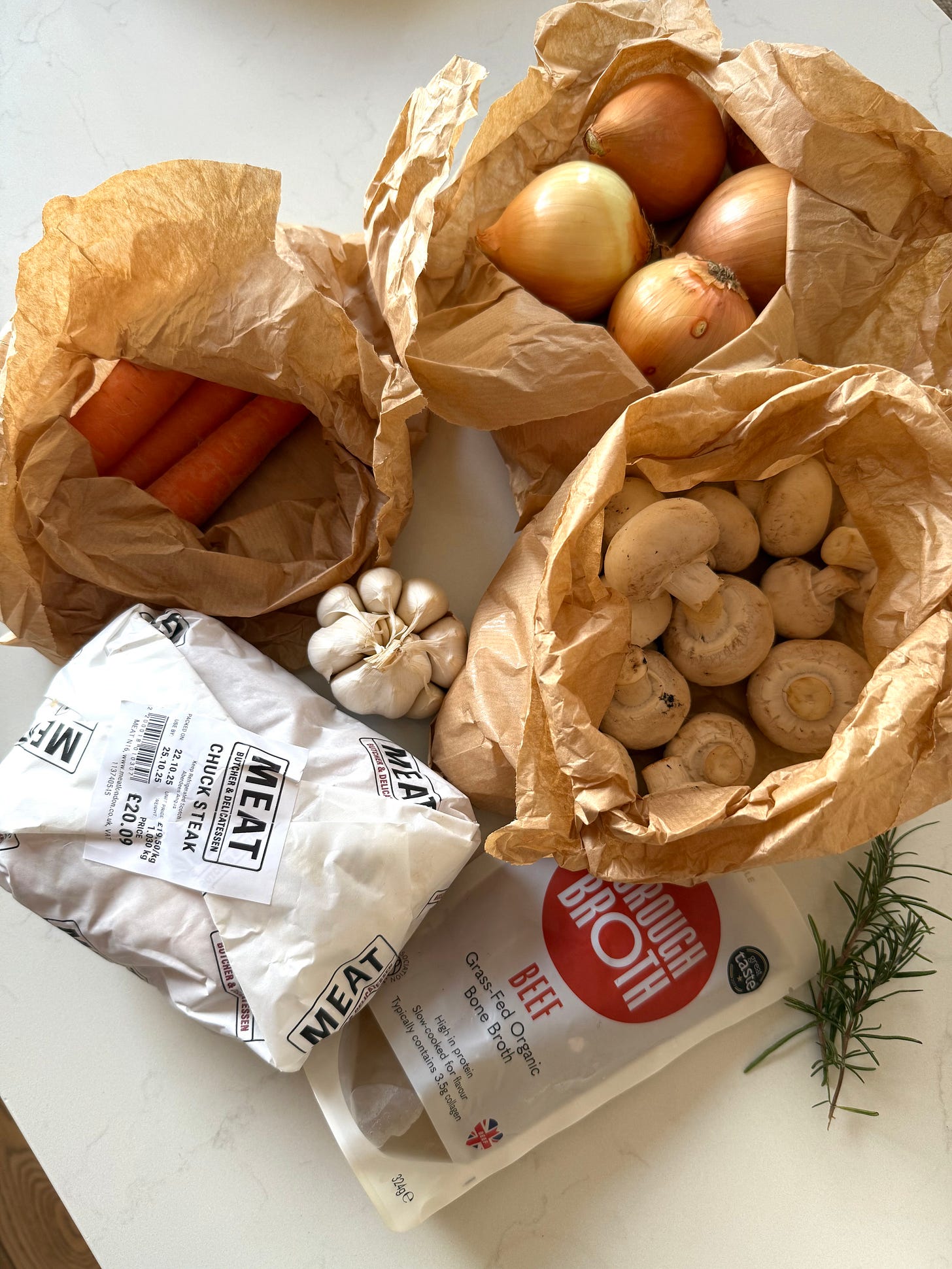
- I once ruined a beef stew by adding full-sodium stock and boxed gravy mix at the start. The meal was fixable, but a thin broth from the beginning would have avoided hours of work.
- Now I always use low-sodium broth and keep a small cup for tasting. That habit cut my over-salting incidents to nearly zero.
- Keep a “swap list” on your phone for canned vs. no-salt items and acceptable late-add ingredients. It saves decisions while cooking.
These small habits are part of how to prevent slow cooker meals from becoming salty in real life. They work.
Recipe swaps and low-salt ingredient ideas
Make these simple swaps to lower sodium without losing taste.
- Instead of regular broth, use low-sodium or dilute half broth with water.
- Swap bacon for smoked paprika and a small dose of olive oil to keep smoky depth.
- Use no-salt-added canned tomatoes or fresh tomatoes when in season.
- Replace soy sauce with a low-sodium version or use a splash and balance with lime juice.
- Rinse canned beans thoroughly to remove packing salt.
These swaps let you follow favorite recipes while avoiding oversalting.

SEO-friendly tips for recipe notes and labeling
Labeling and notes help prevent repeat mistakes.
- Write “low-sodium” next to recipes you adapt, and record exact amounts of salty ingredients.
- Add “add salty items late” to slow cooker recipe steps when using cured meats or condiments.
- Keep a running list of brand sodium levels so you choose wisely next time.
Clear notes make how to prevent slow cooker meals from becoming salty a habit, not a chore.
Frequently Asked Questions of how to prevent slow cooker meals from becoming salty
Should I avoid adding salt at the start of slow cooking?
You can start with a small pinch, but hold most salt until the end. Liquid reduces and salts concentrate over long cooking times.
Can using low-sodium broth affect flavor negatively?
Low-sodium broth lowers salt but keeps base flavor. Add herbs, aromatics, and acid to boost taste without extra salt.
Is rinsing canned foods enough to remove salt?
Rinsing canned beans and vegetables removes some sodium but not all. Choose no-salt-added versions when possible for best control.
How much salt should I add at the end?
Add salt in small increments, tasting between additions. Start with one-quarter to one-half of a teaspoon for a large pot and adjust to taste.
Will reheating make a dish saltier?
Reheating can intensify flavors and make salt feel stronger. Taste after reheating and adjust with acid, dairy, or dilution as needed.
Conclusion
Balanced slow cooker meals come from smart ingredient choices, tasting as you go, and saving salty ingredients for near the end. Use low-sodium bases, add cured or highly salted items late, and keep simple fixes ready like dilution, acid, or starches. Try one swap or technique on your next cook and note the result—small changes quickly become reliable habits. Share your best slow cooker save in the comments or subscribe for more easy, trustworthy cooking tips.

Appliance Review Expert
Lucas Ramirez is a trusted voice at HomeFixGrid.com, known for his clear, practical, and creatively written guides that simplify appliance care for everyday homeowners. With a strong focus on hands-on testing and real-world problem-solving, Lucas brings expert insight into appliance reviews and troubleshooting techniques. Her work empowers readers to confidently maintain, repair, and choose the right appliances for their homes.