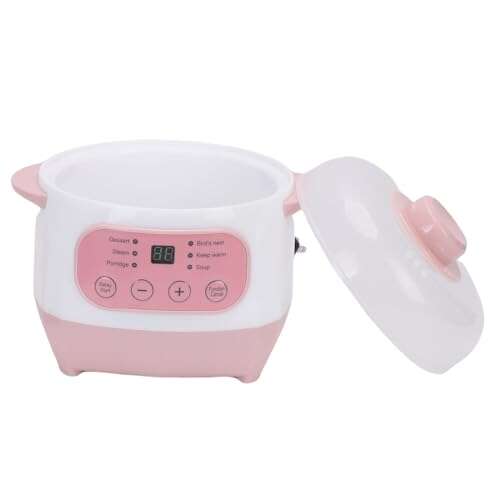
How To Make Slow Cooker Meals With Pantry Staples: Tips
Use canned goods, dried grains, frozen veggies, and basic spices in your slow cooker.
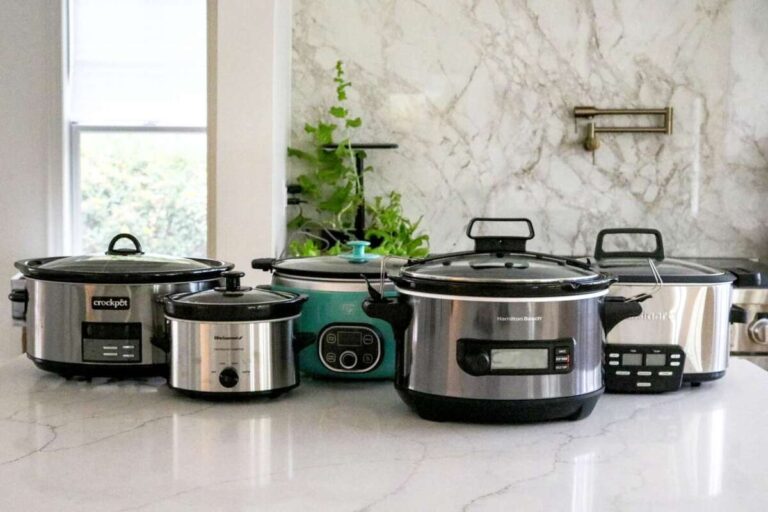
I’ve spent years testing and teaching smart kitchen shortcuts, and I’ll show you exactly how to make slow cooker meals with pantry staples that taste fresh, save time, and reduce waste. This guide covers essential pantry picks, fail-proof methods, creative recipe templates, and safety tips so you can turn what’s on your shelf into satisfying slow cooker dinners any night of the week.
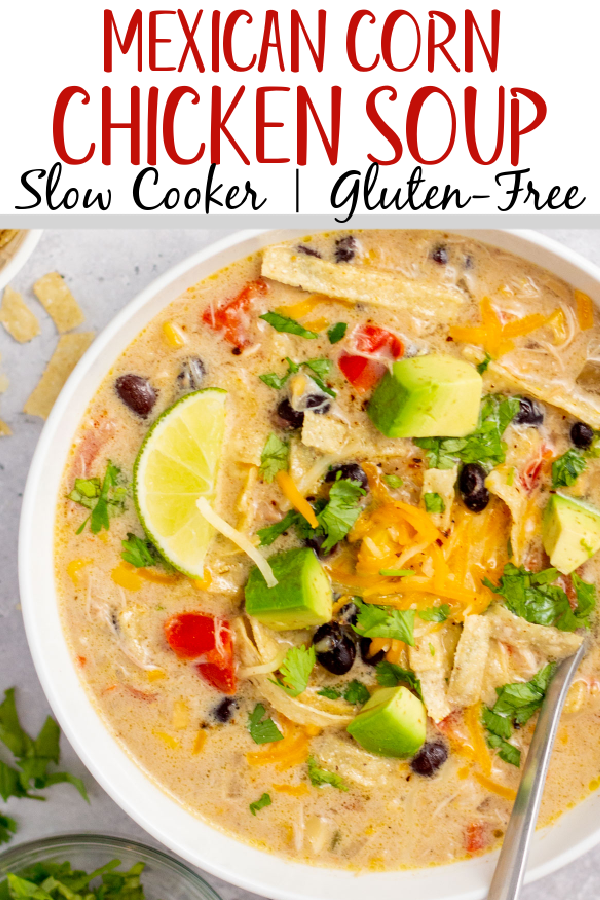
Why slow cooker meals with pantry staples work
Slow cookers turn low-cost pantry items into rich, layered meals. Tough cuts of meat, dried beans, rice, and canned tomatoes become tender and flavorful when cooked low and slow. Using pantry staples keeps shopping simple and costs down. It also cuts food waste by letting you combine odd cans and dry goods into a full meal.
I’ve taught slow cooker classes and cooked dozens of pantry-based recipes. The trick is balancing liquid, acidity, and seasoning so flavors develop without going flat. When you learn this balance, how to make slow cooker meals with pantry staples becomes a reliable weeknight strategy.
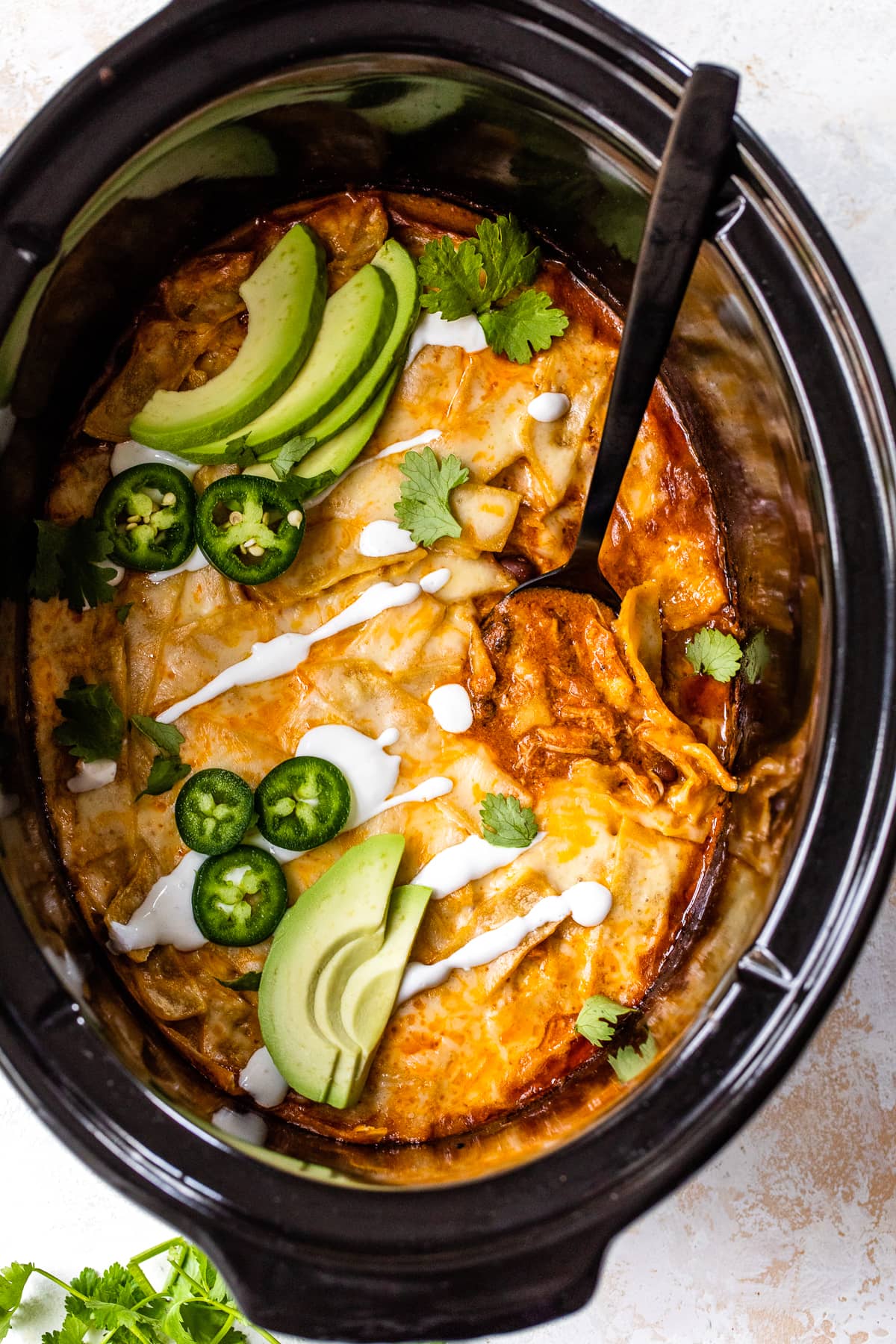
Pantry staples checklist: what to stock now
Here’s a simple list to keep on hand. These items form the backbone of most slow cooker dishes.
- Canned tomatoes and tomato paste: Provide body and acidity.
- Canned beans: Black, kidney, chickpeas for protein and fiber.
- Dried lentils: Quick-cooking, protein-rich, and forgiving.
- Dried rice and barley: Sturdy bases for stews and casseroles.
- Pasta shapes: Add late in cooking or use quick-cook types.
- Canned broth or bouillon cubes: Control salt and richness.
- Frozen vegetables: Peas, corn, and mixed blends that last months.
- Canned corn and mixed veggies: Ready-to-use texture and color.
- Aromatics: Garlic powder, onion powder, dried herbs, and chili flakes.
- Vinegars and citrus juice: Brighten dishes at the end.
- Olive oil and shelf-stable butter substitutes: For sautéing or finishing.
- Salt, pepper, and sugar: Tiny amounts can balance big flavors.
- Canned fish and canned chicken: Fast protein options for quick meals.
With these items, you can create countless meals. Keep portions and sauces in mind so dishes don’t turn watery or bland.
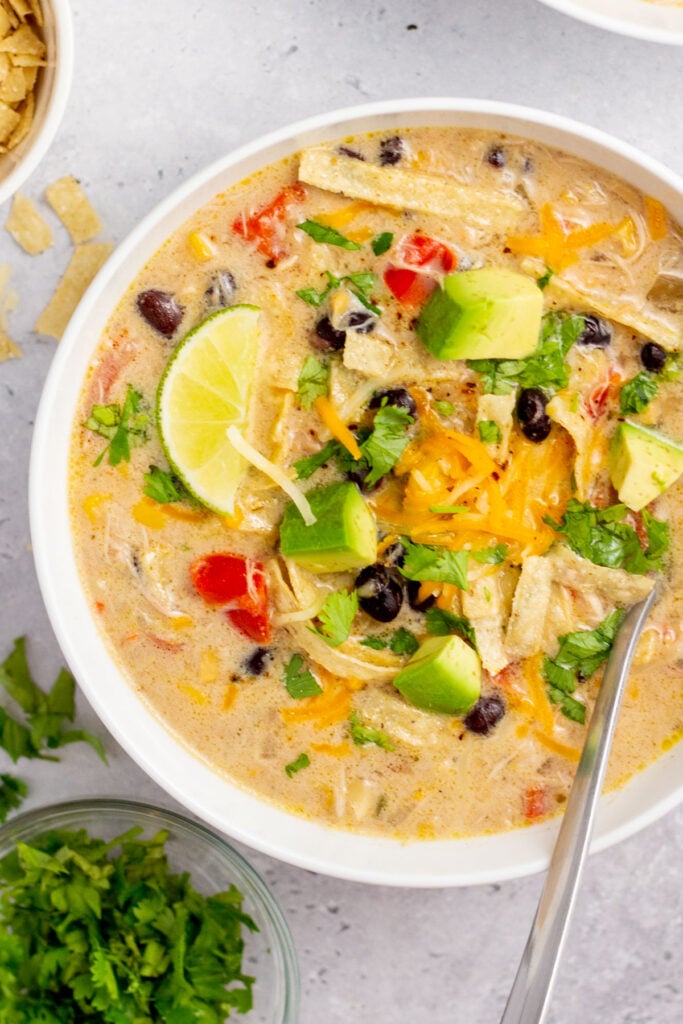
Core techniques for success in the slow cooker
Mastering a few core steps will improve every meal.
- Brown meat first when possible: Browning builds flavor. If short on time, add extra herbs and a splash of soy sauce or Worcestershire.
- Layer ingredients by cook time: Harder items like dried beans and root vegetables go below, softer items on top.
- Use the right liquid ratio: Generally 1 to 2 cups of liquid for most slow cooker recipes, depending on ingredients and cooker size.
- Add quick-cooking items late: Pasta and frozen greens should go in the last 30–60 minutes.
- Taste and adjust at the end: Add acid, salt, or sweetener to brighten flavors after cooking.
- Don’t lift the lid: Every lift costs 15–20 minutes of cooking time.
- Convert stovetop recipes easily: Reduce liquid slightly if converting to slow cooker to avoid thin soups.
When you practice these, learning how to make slow cooker meals with pantry staples becomes intuitive. I often skip browning when I’m pressed, then add a splash of strong sauce and finish with fresh herbs—this consistently saves time and keeps flavor.

Easy pantry-based slow cooker recipes
The best approach is templates you can adapt. Below are three templates that use pantry staples. Each template shows quick swaps and timing.
1. Hearty bean stew (vegetarian)
- Base: 2 cans mixed beans or 2 cups soaked dried beans.
- Liquid: 3 cups broth, 1 can diced tomatoes.
- Veg: 1 cup frozen mixed vegetables, 1 onion chopped (or 1 tbsp onion powder).
- Seasoning: 1 tsp smoked paprika, 1 tsp cumin, salt and pepper.
- Cook: Low 6–8 hours on soaked beans, 3–4 hours if using canned beans.
Swap ideas: Add cooked barley or rice at the end for a bowl meal. Finish with vinegar or lemon juice for brightness.
2. Pantry chicken cacciatore
- Base: 4 canned chicken breasts or 1.5 lb fresh chicken thighs.
- Liquid: 1 can diced tomatoes, 1 cup broth.
- Veg: 1 cup frozen bell peppers, 1/2 cup sliced mushrooms (or canned mushrooms).
- Seasoning: 1 tsp oregano, 1 tsp basil, 1 clove garlic (or 1/2 tsp garlic powder).
- Cook: Low 4–6 hours for fresh thighs; 1–2 hours to heat canned chicken thoroughly.
Swap ideas: Stir in olives, capers, or a splash of red wine vinegar at the end.
3. Rice-and-beans one-pot
- Base: 1 cup rinsed long-grain rice, 1 can black beans (drained).
- Liquid: 2 cups broth, 1 can diced tomatoes with green chiles.
- Veg: 1 cup frozen corn.
- Seasoning: 1 tsp chili powder, 1/2 tsp cumin, salt to taste.
- Cook: Low 2–3 hours; check rice for doneness at 2 hours.
Swap ideas: Use brown rice but increase time to 3–4 hours and add a bit more liquid.
These templates demonstrate how to make slow cooker meals with pantry staples by swapping items based on what you have. I keep a “swap sheet” on my fridge so I can mix and match quickly.
Meal planning, batch cooking, and safety
Plan to use your slow cooker twice a week for maximum value. Batch cook large batches and freeze portions in meal-sized bags. Label them with dates and reheating instructions.
Food safety tips:
- Follow safe temperature rules: Keep cooked food above 140°F (60°C).
- Cool and freeze leftovers within two hours.
- Use canned or pre-cooked proteins to shorten cook time and reduce risk.
- If using dried beans, soak them or use the recommended times; some raw beans can be toxic if undercooked.
Batch cooking saves money and reduces stress. I cook triple batches on Sundays and freeze two-thirds. That habit has saved me hours and keeps dinner simple.
Quick questions people ask (PAA-style)
How long should I cook beans in a slow cooker?
Dried beans typically need 6–8 hours on low or 3–4 hours on high when soaked. Canned beans heat in 1–2 hours and should be added later to avoid overcooking.
Can I add rice at the start of slow cooking?
White rice can cook in 2–3 hours on low, but pasta and white rice often turn mushy if cooked too long. Add grains in the last hour for best texture.
Will canned fish work in the slow cooker?
Canned fish works well when warmed slowly and paired with tomatoes, broth, or spices. Add canned fish in the last 30–60 minutes to preserve texture.
Frequently Asked Questions of how to make slow cooker meals with pantry staples
What are the best pantry staples for slow cooker cooking?
Keep canned tomatoes, beans, broth, dried grains, frozen vegetables, and basic spices. These form flexible building blocks that adapt to many recipes.
Can I use canned vegetables in the slow cooker?
Yes, canned vegetables work well. Add them in the last 30–60 minutes to avoid losing texture.
How do I prevent watery slow cooker meals?
Reduce initial liquid by about 25% compared to stovetop recipes and avoid adding too many high-water veggies early. Thicken with a slurry of cornstarch and water near the end.
Is it safe to leave a slow cooker on while I’m out?
Modern slow cookers are designed for unattended cooking. Leave them on a stable surface, and follow manufacturer safety guidelines. Avoid using a unit with frayed cords or chips.
Can I convert stovetop recipes to slow cooker recipes?
Yes. Reduce liquid slightly and cook on low for longer. Brown proteins and reduce sauces beforehand for deeper flavor.
How do I add fresh herbs and citrus flavors?
Add hardy herbs like thyme early. Add delicate herbs and citrus juice at the end to preserve brightness and aroma.
What mistakes should I avoid when using pantry staples?
Don’t overdo liquid, add pasta too early, or forget to adjust salt. Also avoid assuming all canned goods have the same sodium; taste and adjust.
Conclusion
You now have practical steps to confidently turn pantry items into delicious slow cooker meals. Start by stocking versatile staples, learn the core techniques, and use the recipe templates to get comfortable. Try one pantry-based slow cooker recipe this week and adjust it to your taste—small tweaks make big improvements.
Try a simple bean stew or rice-and-beans bowl tonight, then share your results or questions below. Subscribe for more pantry-friendly slow cooker ideas and tips.

Appliance Review Expert
Lucas Ramirez is a trusted voice at HomeFixGrid.com, known for his clear, practical, and creatively written guides that simplify appliance care for everyday homeowners. With a strong focus on hands-on testing and real-world problem-solving, Lucas brings expert insight into appliance reviews and troubleshooting techniques. Her work empowers readers to confidently maintain, repair, and choose the right appliances for their homes.