How To Safely Transport Food Cooked In Slow Cooker: Tips
Keep hot foods hot and cold foods cold; secure the cooker and use insulated carriers.
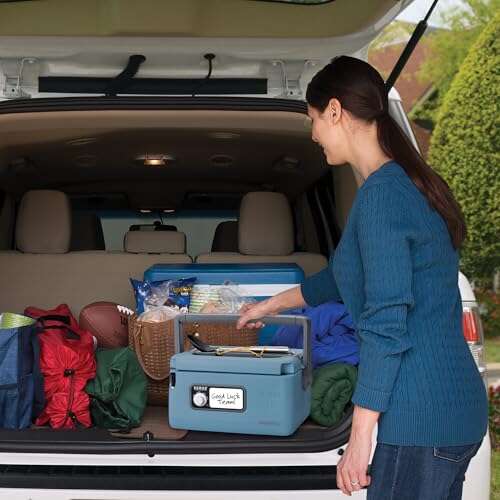
I’ve spent years cooking and hauling slow-cooker meals to potlucks, family events, and small catering gigs. In this guide I’ll show you clear, tested steps for how to safely transport food cooked in slow cooker. You’ll get simple prep steps, the right gear, temperature rules, and real-life tips I learned the hard way. Read on to feel confident your food arrives tasty and safe.

Why safe transport matters
Food left at unsafe temperatures can grow bacteria quickly. Learning how to safely transport food cooked in slow cooker protects guests from foodborne illness. It also protects your reputation if you bring dishes to events or sell prepared meals.
Key risks to know:
- Bacteria multiply fast in the danger zone between 40°F and 140°F.
- Spills and leaks can cross-contaminate other foods.
- Long transport times need special gear and plans.
I’ve seen a potluck ruined by cooled chili and a cooler that leaked. Those mistakes taught me why planning matters when you move slow-cooked food. Follow the steps below and you’ll avoid the same problems.
Preparation before transporting
Good transport starts in the kitchen. Do these simple steps before you leave.
- Cool or keep hot before travel: If the food is hot, keep it above 140°F. If cold, chill to below 40°F.
- Portion to safe containers: Use shallow pans or smaller containers to cool faster.
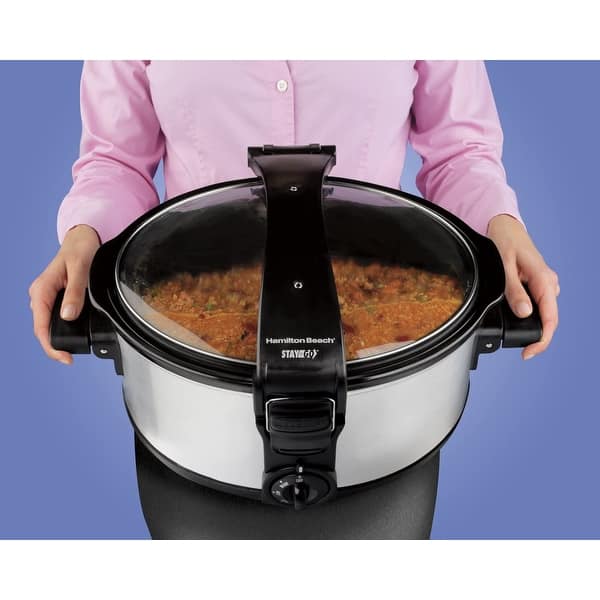
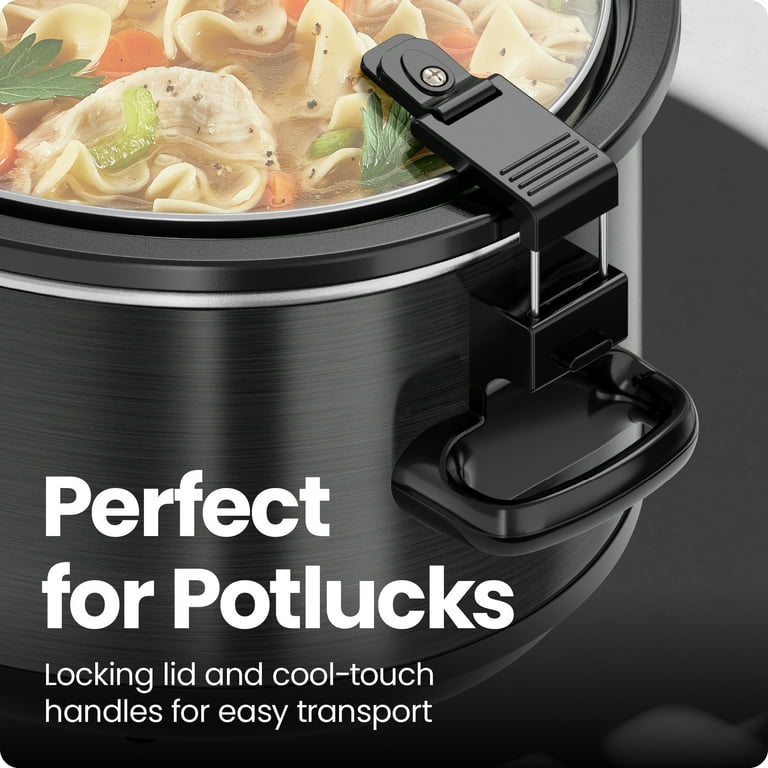
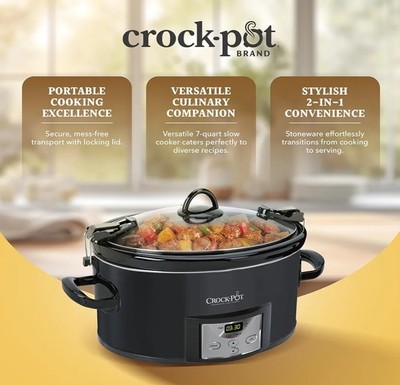
- Secure lids and seal pans: Tight lids prevent spills. Use plastic wrap and foil if lids are loose.
- Label contents and reheating instructions: Note allergen info and reheating temp.
- Test the lid seal: Give the cooker a gentle shake to check for leaks.
Personal note: I always use a snap-on lid plus a bungee cord for long trips. Once, a loose lid and a bumpy road created a mess. Never assume the factory seal will hold during transit.

Packing and equipment
Right gear turns a tough move into an easy one. Here’s what I pack every time.
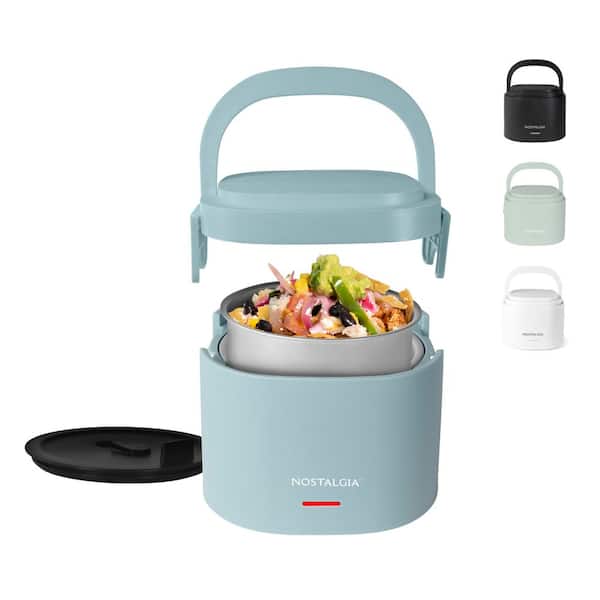
- Insulated carrier: Fits the slow cooker or pans and keeps temps stable.
- Hot packs or frozen gel packs: Use hot packs for hot food and gel packs for cold.
- Towels or non-slip mats: Prevent sliding in the car and add insulation.
- Food thermometer: Quick checks ensure safety on arrival.
- Leak-proof containers: For soups, stews, and sauces use tight jars or sealed pans.
- Cooler for cold dishes: Use dedicated coolers for salads and desserts.
- Car power inverter or portable battery: Only if you plan to run the slow cooker; otherwise avoid powering appliances in a moving vehicle.
I prefer a padded carrier made for roasters. It’s worth the cost. The carrier keeps heat in and gives a firm base for the pot. When I packed without one, a spill cost more than the price of a carrier.
Temperature control and food safety
Temperature is the core rule of how to safely transport food cooked in slow cooker. Keep food out of the danger zone.
Simple rules:
- Keep hot food at or above 140°F.
- Keep cold food at or below 40°F.
- Do not leave perishable food out more than 2 hours (1 hour above 90°F).
- Reheat leftovers to 165°F before serving.
Cooling guidelines when storing or transporting chilled items:
- Move food from 140°F to 70°F within 2 hours.
- Get it to 41°F within 4 hours total.
Use your thermometer at pickup and on arrival. If temps fall into the danger zone for too long, discard the food. It’s better to lose a dish than risk illness.

Transporting tips by distance and time
Short drive (under 30 minutes)
- Keep food in the slow cooker on warm or in an insulated carrier.
- Use oven mitts and a tight lid. Drive carefully.
Medium drive (30 minutes to 2 hours)
- Preheat the insulated carrier for hot food or pre-chill it for cold food.
- Place cooker on a flat surface in the car. Use towels or mats to stop sliding.
- Check temperature on arrival.
Long trip (over 2 hours) or catering events
- Use insulated food boxes or hot-holding units when available.
- Consider ready-to-serve changeover: keep food hot in carriers and transfer to chafing dishes or hot-holding cabinets at the site.
- For cold items, pack with plenty of ice packs and check temps periodically.
Avoid running the slow cooker off a car outlet unless you have a safe power inverter and proper ventilation. I once tried powering a cooker in the trunk and it overheated the battery. Now I prefer insulated carriers and reheating on site.
Serving and reheating
Serve safely and keep guests healthy.
- Reheat to 165°F: Stir to get even heating. Use a thermometer.
- Keep hot foods on a hot-holding device or in an insulated container above 140°F.
- Avoid reheating multiple times: reheat once and keep it hot.
- Provide serving utensils and clean plates: prevent cross-contamination between raw and cooked items.
When I cater small events, I bring a portable food thermometer and a small induction burner. That lets me bring food up to temp quickly and safely.

Common mistakes and how to avoid them
Avoid these frequent slip-ups when learning how to safely transport food cooked in slow cooker.
- Mistake: Assuming the lid will hold. Fix: Seal and strap lids; test before driving.
- Mistake: Poor temperature monitoring. Fix: Bring a thermometer and check at pickup and arrival.
- Mistake: Packing hot food in tight, cold spaces. Fix: Use insulated carriers designed for hot or cold.
- Mistake: Overfilling containers. Fix: Leave room for hot circulation and faster cooling.
- Mistake: Mixing raw and cooked items. Fix: Separate storage and use leak-proof containers.
These errors are common. They are fixable with a short checklist before departure.
People also ask
What is the best way to keep slow cooker food hot during transport?
- Use an insulated carrier and preheat it. Keep food in the cooker on warm and check temps with a thermometer.
Can I transport a plugged-in slow cooker in the car?
- It’s not recommended. Powering appliances in a moving car risks electrical issues and is often impractical. Use an insulated carrier instead.
How long can slow cooker food sit before it becomes unsafe?
- Perishable food should not sit between 40°F and 140°F for more than 2 hours. In hot weather above 90°F, the limit is 1 hour.

Frequently Asked Questions of how to safely transport food cooked in slow cooker
How long can I transport slow cooker food before it becomes unsafe?
Transport time matters most when food drops into the danger zone. Keep hot food above 140°F; cold food below 40°F. If food sits between 40°F and 140°F for more than 2 hours, discard it.
Is it safe to transport a slow cooker with the lid loose?
No. A loose lid can cause spills and leaks. Secure the lid with clamps, foil, and a bungee strap before transport.
Can I use a cooler for hot slow cooker food?
Yes, but prepare the cooler first. Preheat it with hot water, dry it, then place the hot pot inside with towels for insulation to keep heat above 140°F.
What temperature should I reheat slow cooker leftovers to?
Reheat leftovers to an internal temperature of 165°F and hold briefly to ensure safety. Stir to evenly distribute heat.
Are slow cooker liners safe for transport?
Liners help for cleanup but don’t seal a lid. Use liners plus a tight lid and an outer seal to prevent leaks while transporting.
What should I do if food cools too much en route?
If temps drop into the danger zone for too long, do not serve the food. For minor drops, reheat to 165°F on arrival and keep hot.
Can I transport soups or stews in jars?
Yes, use jars only if they are sealed tight and packed upright in a cooler or carrier. Add gel packs for cold soups and hot packs for hot soups.
Conclusion
You can safely transport meals from your slow cooker with simple steps: secure lids, use insulated carriers, and monitor temperature. Practice a short checklist before you leave and bring a thermometer. Small investments—like a carrier, good containers, and a thermometer—pay off in safe food and fewer worries.
Try these tips on your next trip. Share your wins or questions below, subscribe for more kitchen-tested advice, or leave a comment with your own slow-cooker transport hacks.

Appliance Review Expert
Lucas Ramirez is a trusted voice at HomeFixGrid.com, known for his clear, practical, and creatively written guides that simplify appliance care for everyday homeowners. With a strong focus on hands-on testing and real-world problem-solving, Lucas brings expert insight into appliance reviews and troubleshooting techniques. Her work empowers readers to confidently maintain, repair, and choose the right appliances for their homes.