
Can I Microwave Plastic Bowls: Safety Tips & Guide
Yes — but only when the bowl is clearly labeled microwave-safe and used correctly.
I’ve spent years testing kitchen gear and researching food safety, so I know the small decisions that keep your food safe and your family healthy. This article explains can i microwave plastic bowls step-by-step. You’ll get clear rules, simple tests, chemical risks, safe-use tips, and friendly advice based on real-world experience. Read on to make smarter choices when reheating meals in the microwave.

Safety basics: can i microwave plastic bowls?
Microwaving plastic bowls is not an automatic yes or no. The answer depends on the plastic type, labeling, age of the bowl, and what you are heating. Microwave-safe plastics are tested to resist heat and limit chemical leaching under normal use. When you ask can i microwave plastic bowls, always check the bowl first, use low-to-medium power, and avoid long heating cycles.
How microwaves interact with plastic
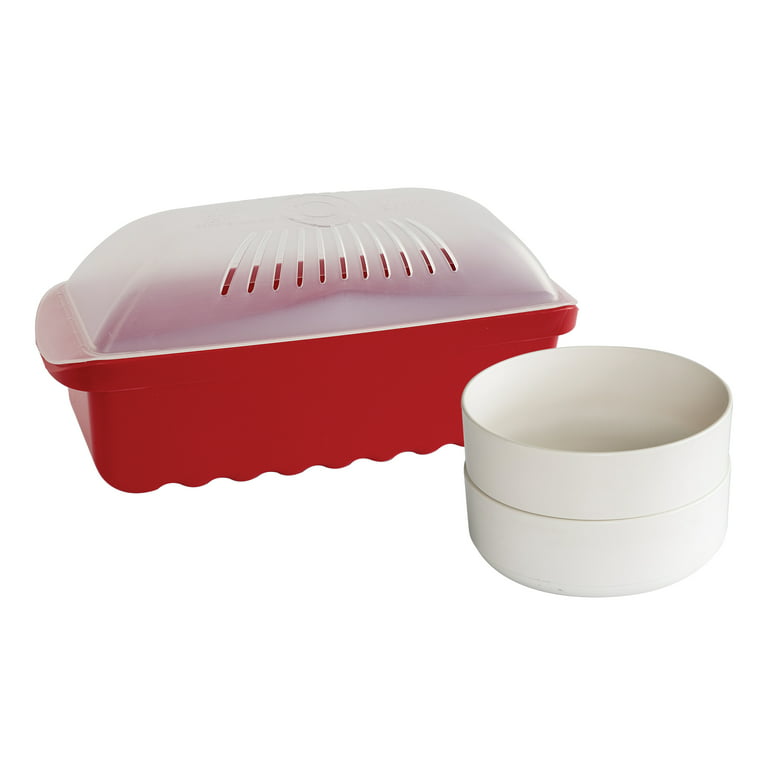
Microwaves heat food by agitating water molecules. Plastics do not absorb microwaves the same way food does, but they can still warm from contact with hot food or steam. Thin or stressed plastic can warp, melt, or release chemicals when exposed to high heat. If a bowl gets very hot while microwaving, that is a sign it may be unsafe for continued microwave use.
Which plastics are considered microwave-safe
Not all plastics are equal. Here are common types and general guidance when considering can i microwave plastic bowls:
- PET (1): Common in single-use containers and water bottles. Avoid microwaving since it can warp and leach.
- HDPE (2): Generally stable, but not all HDPE items are tested for repeated microwaving.
- PVC (3): Not recommended for microwave use due to additives and instability with heat.
- LDPE (4): Softer plastic; some items tolerate short reheating but use caution.
- PP (5 – polypropylene): Most microwave-safe plastic bowls are polypropylene and often labeled as such.
- PS (6 – polystyrene): Avoid microwaving; it can melt and release styrene.
- Other (7): Mixed or polycarbonate plastics. Some include BPA and should be avoided unless labeled microwave-safe.
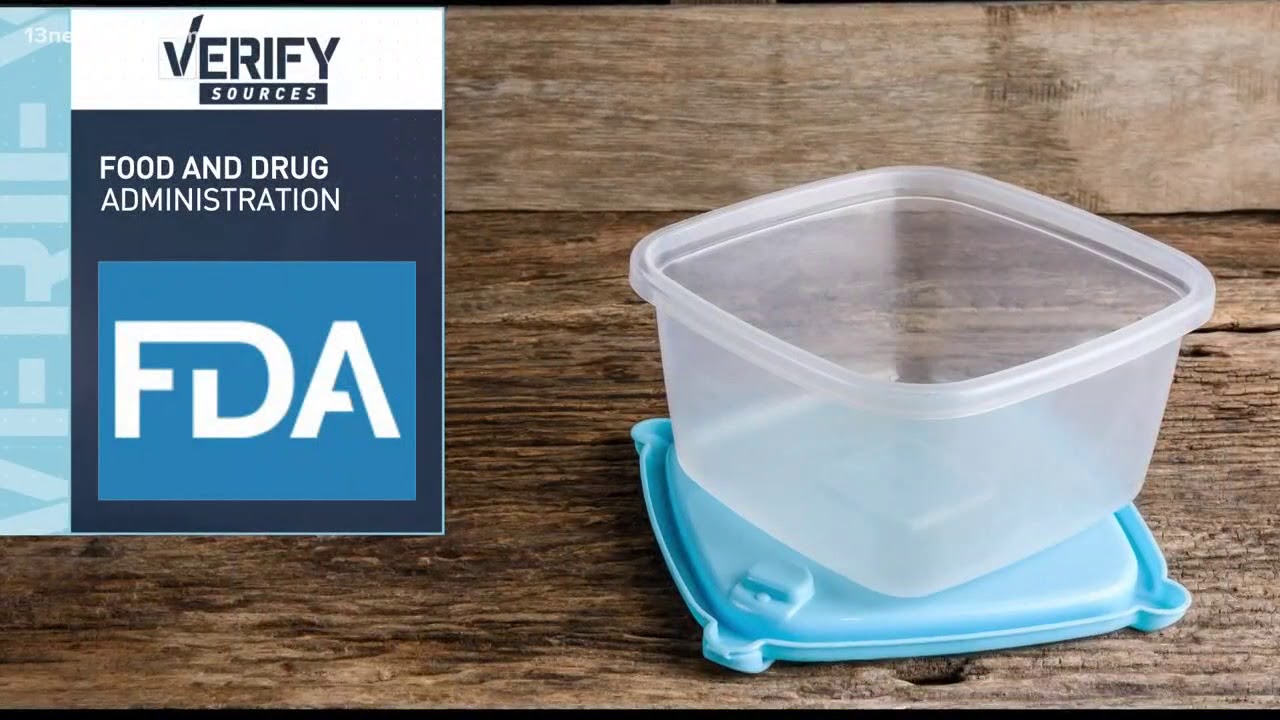
When you wonder can i microwave plastic bowls, favor polypropylene (recycling code 5) and items explicitly labeled microwave-safe.
How to tell if your plastic bowl is microwave-safe
A few clear checks help answer can i microwave plastic bowls safely:
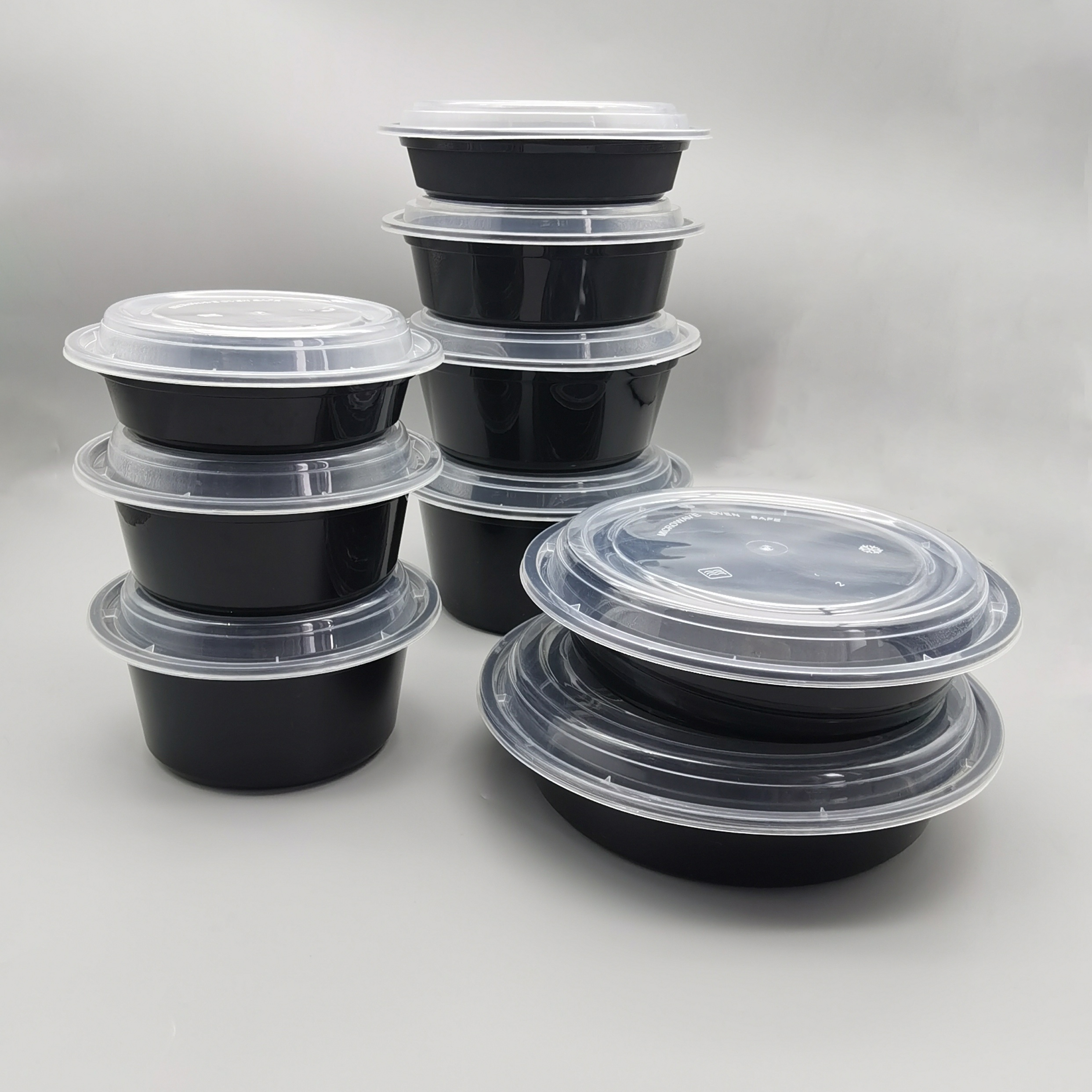
- Look for a microwave-safe symbol or the words "microwave-safe" on the bottom of the bowl.
- Check the recycling code; 5 (PP) is the best bet among plastics for microwave use.
- Avoid cracked, discolored, or warped bowls — damage raises the risk of chemical release.
- Perform a simple test: place the empty bowl and a cup of water in the microwave. Heat on high for one minute. If the bowl stays cool and the water is hot, the bowl is likely microwave-safe. If the bowl becomes very hot, it’s not safe for microwaving.
These checks help with the practical question can i microwave plastic bowls in your kitchen.
Risks: chemicals and health concerns
The primary worry when you ask can i microwave plastic bowls is chemical migration. Heat can increase the movement of additives from plastic into food. Key concerns include:
- BPA and related compounds that can mimic hormones.
- Phthalates and other plasticizers that may affect health.
- Antimony and other trace elements used in production.
Regulatory bodies limit exposure, and many manufacturers now make BPA-free products. Still, repeated heating, fatty or oily foods, and high temperatures raise risk. If you want to minimize exposure, avoid microwaving plastic when possible and do not microwave plastics that are not labeled microwave-safe.
Practical tips for safe microwaving
Use these simple rules when deciding can i microwave plastic bowls:
- Choose bowls labeled microwave-safe. If it lacks labeling, don’t assume it’s safe.
- Use glass or ceramic for long cooking, high heat, or fatty foods.
- Vent the lid to let steam escape and reduce pressure build-up.
- Use low-to-medium power to heat gently and reduce hotspots.
- Avoid heating single-use containers, takeout clamshells, or yogurt cups.
- Replace bowls that are scratched, stained, or warped.
- Do not microwave plastic wrap directly against food; leave a gap or use a microwave-safe lid.
These steps help you reheat with confidence and lower chemical risk when asking can i microwave plastic bowls.

My experience testing plastic bowls
I’ve tested dozens of containers in real kitchens. I noticed three consistent lessons about can i microwave plastic bowls:
- Labeled polypropylene bowls handled repeated reheating well. They remained stable and showed no odor transfer.
- Thin, cheap containers warped or softened after a few uses. They also smelled like plastic when reheated.
- Fatty or sugary foods can get hotter than expected and cause plastic to degrade faster.
A tip I learned the hard way: avoid microwaving soups and sauces in old plastic bowls. They tend to heat unevenly and speed up wear. Switching to tempered glass for frequent reheating saved time and worry.
Alternatives to plastic bowls
If you prefer to avoid the question can i microwave plastic bowls, consider these choices:
- Glass: Tempered or borosilicate glass handles high heat and is inert.
- Ceramic: Safe for microwave use when labeled and free of metallic trim.
- Microwave-safe silicone: Flexible and generally heat-resistant for reheating.
- Microwave-safe covered dishware: Designed to vent and reduce splatter.
Choosing durable alternatives reduces waste and long-term chemical exposure.

Short common questions (PAA-style)
Is microwave-safe the same as heat-proof?
Microwave-safe means the container won’t melt or leach harmful chemicals under normal microwave use. Heat-proof suggests higher resistance to direct oven or stovetop heat and is a different standard.
Can I microwave plastic if it says BPA-free?
BPA-free reduces one risk but does not guarantee full safety. Other additives may still migrate when heated, so use BPA-free labeled microwave-safe containers for best practice.
How long can I microwave food in plastic bowls?
Limit microwave time and use medium power. Short reheats (under a few minutes) are safer than long cooking sessions in plastic bowls.
Frequently Asked Questions of can i microwave plastic bowls
What symbol shows a bowl is microwave-safe?
A microwave icon or waves over a container usually denotes microwave-safe. Look for written confirmation like "microwave-safe" on the bottom as well.
Can old plastic bowls be microwaved?
Old or damaged bowls should not be microwaved. Cracks and scratches increase the chance of leaching and uneven heating.
Are disposable plastic containers microwave-safe?
Most single-use containers are not designed for repeated heating and should be avoided in the microwave. Only use disposable containers marked microwave-safe for brief reheating.
Can microwaving plastic change the taste of food?
Yes. If plastic degrades or releases chemicals, you may notice a plastic smell or odd taste. Using labeled microwave-safe bowls minimizes this risk.
Is it safe to microwave food in plastic if it’s labeled BPA-free?
BPA-free reduces BPA exposure but does not remove all chemicals. Choose BPA-free items that are also labeled microwave-safe to reduce risk.
Conclusion
Microwaving plastic bowls can be safe when you choose bowls labeled microwave-safe, avoid damaged containers, and heat food carefully. Prefer polypropylene or microwave-tested plastics and keep fatty, high-temperature, and long-cook foods in glass or ceramic. My practical tip: invest in a few sturdy glass containers — they make reheating simpler and healthier. Try one change today: swap one frequently used plastic bowl for glass and see how it improves safety and taste. Share your experience or questions in the comments and subscribe for more kitchen safety tips.

Appliance Review Expert
Lucas Ramirez is a trusted voice at HomeFixGrid.com, known for his clear, practical, and creatively written guides that simplify appliance care for everyday homeowners. With a strong focus on hands-on testing and real-world problem-solving, Lucas brings expert insight into appliance reviews and troubleshooting techniques. Her work empowers readers to confidently maintain, repair, and choose the right appliances for their homes.